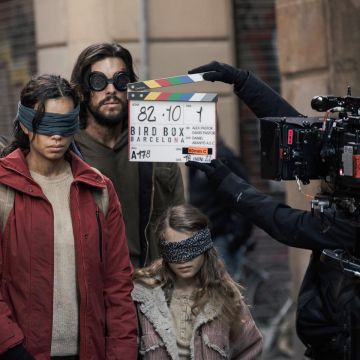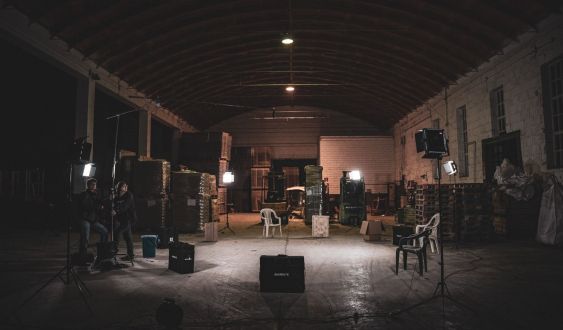
El 47, Romería, Sorda, Los domingos, or even the recent sensation La bola negra by Javier Calvo and Javier Ambrossi: these are just some of the titles that have left their mark on Catalan and Spanish cinema in recent years. They are films with markedly different cinematic languages, sensibilities, and storylines, yet they share the very same way of constructing their narratives: all of them stem, in one way or another, from reality – whether through memory, personal experience, or social conflict. They are not strictly documentaries, but each embodies a gaze that is in active dialogue with the cinematic genre known as the cinema of reality.
The increasingly visible presence of reality across fiction filmmaking – including in several of the titles that have forged the deepest connection with audiences – points to a more profound transformation: documentary has ceased to be perceived as a format tied primarily to television reportage or current affairs, consolidating its status as a cinematic language in its own right.
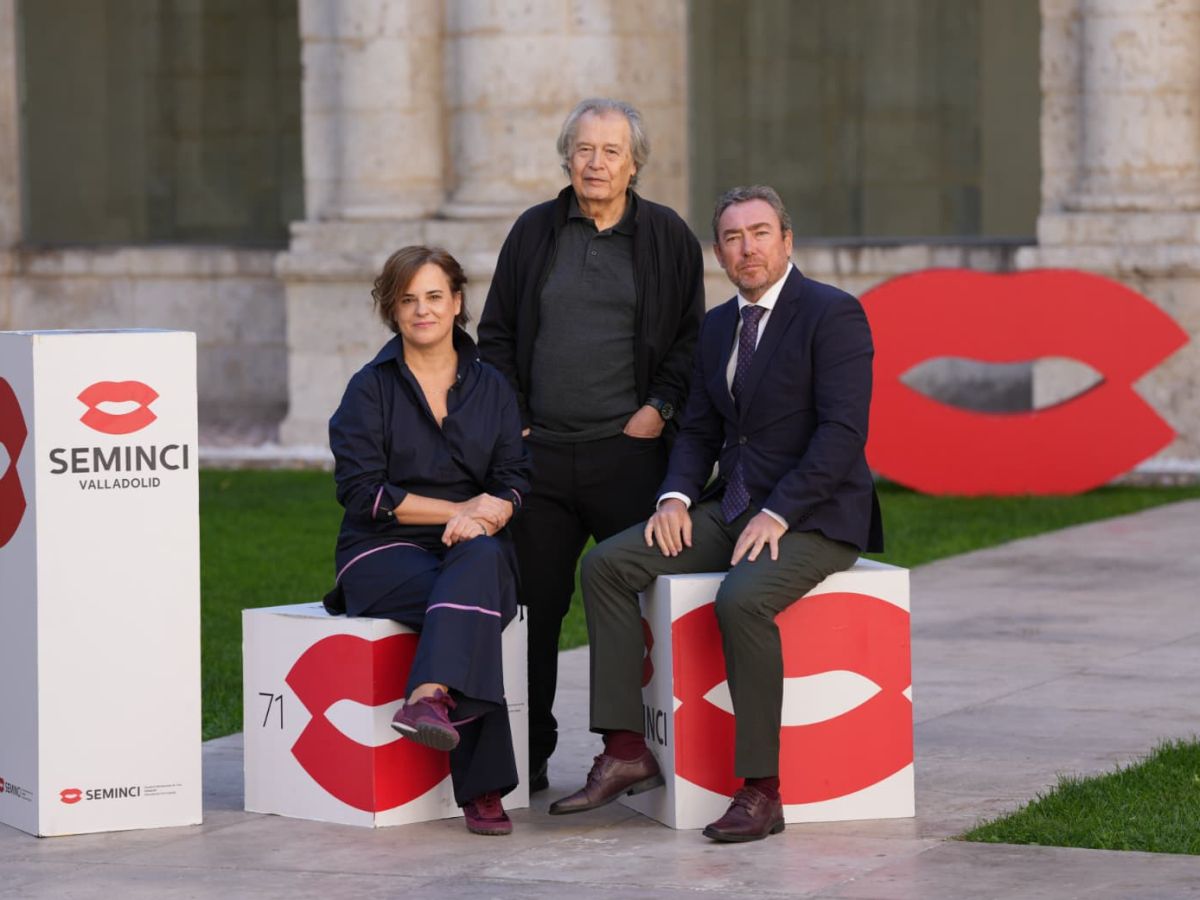
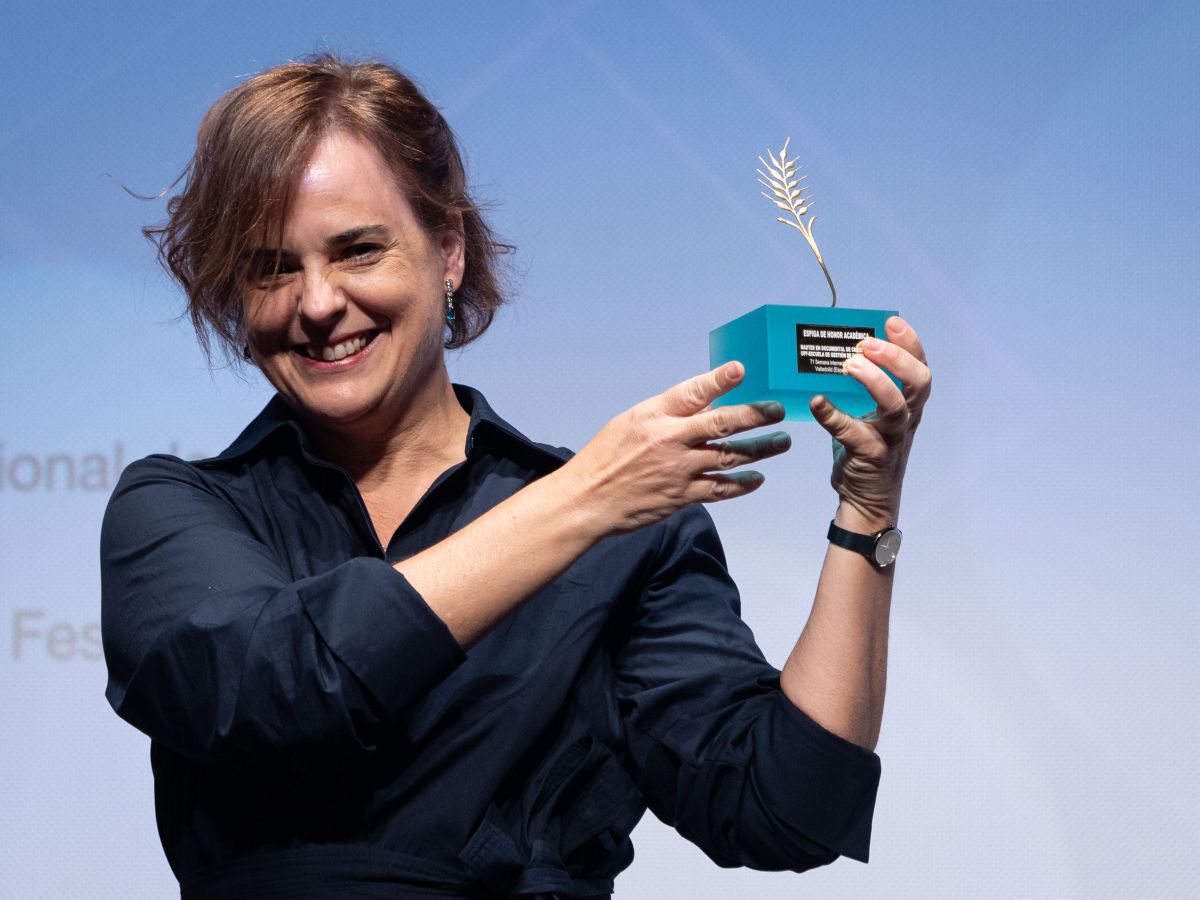
It is a shift that the Master’s in Creative Documentary at UPF-Barcelona School of Management, driven within the framework of the Barcelona Film Society, has not merely accompanied, but actively helped propel: training filmmakers, creating benchmarks, and enabling the production of films that have expanded the boundaries of the genre. The programme, which next academic year celebrates thirty years since its inception at the hands of Jordi Balló and filmmakers José Luis Guerín, Joaquim Jordà, and Jean-Louis Comolli, has just been awarded the Academic Espiga de Honor at Seminci, the Valladolid International Film Festival.
From newsreel to cinema
When the programme launched in 1998, the landscape was markedly different. Documentaries had a very limited presence in cinemas and among moviegoers, who frequently associated the form with factual reporting, television journalism, or formats far removed from what was considered proper cinema. The master’s programme at UPF-Barcelona School of Management was created precisely to demonstrate that filming reality could also be an avenue for cinematic experimentation.
The initial challenge was therefore twofold: training forthcoming generations of filmmakers whilst simultaneously forging artistic benchmarks that would enable them to envision what documentary cinema could become. "The goal was to generate benchmark films that could establish precedents and pave the way forward", recalls Eva Vila, film director and current head of the Master’s in Creative Documentary. Out of this ambition emerged seminal works such as En construcción by José Luis Guerín, Monos como Becky by Joaquim Jordà and Núria Villazán, and Buenaventura Durruti, anarquista by Jean-Louis Comolli – all driven by filmmakers linked to the early days of the programme.
Producing these films was not merely a way to give visibility to the documentary form, but was embedded within the very pedagogical model the course sought to champion. Students were able to participate in creative processes alongside established directors and, in subsequent editions, began developing their own projects under the mentorship of professionals who had previously passed through the programme. In this way, a lineage of knowledge transfer was forged across generations of filmmakers that continues to define the master’s programme today: José Manuel Martínez Sierra, director general of UPF-BSM, sums it up as a dynamic of "filmmakers training filmmakers".
This approach to cinema also sheds light on why a programme of these characteristics has a place within a business school like the Barcelona School of Management, whose academic portfolio typically centres on executive leadership and corporate management. For Martínez Sierra, however, an executive’s education must not be confined to imparting management skills, but should help shape individuals capable of interpreting reality critically.

For this reason, he stresses that several of the institution’s courses – among them the Master’s in Creative Documentary and the Master’s in Publishing – are not designed strictly for the commercial sphere, but reflect a "transversal" philosophy of education. As Martínez Sierra explains, the goal is to form "critical professionals and citizens" equipped to understand the complexity of the world and look beyond the confines of their immediate field. It is a humanist perspective he considers especially vital for those training at a business school who will go on to make decisions with wide-ranging social impact from within companies and organisations.
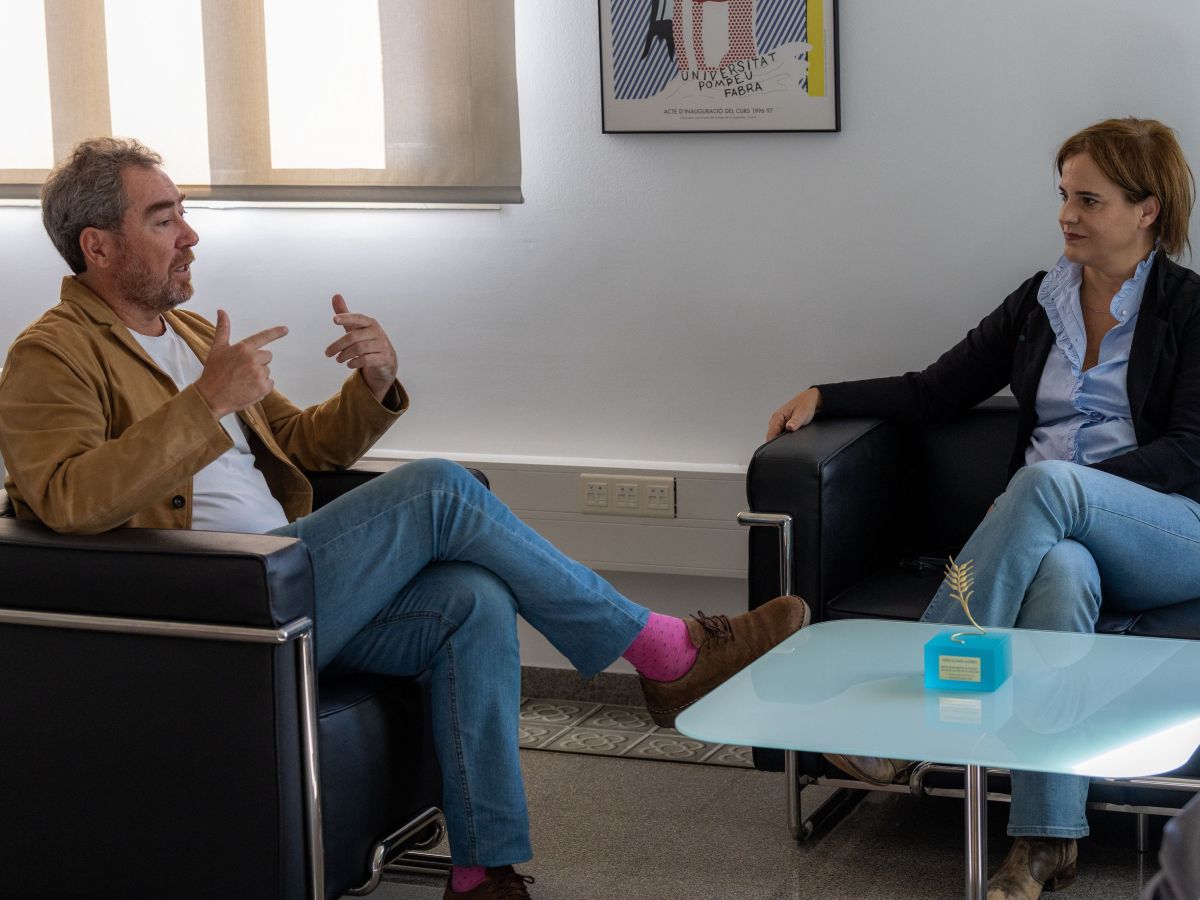
This commitment to nurturing new talent is equally reflected in the master’s scholarship policy, which, despite being delivered at a private institution – affiliated in turn to a public university, Universitat Pompeu Fabra – seeks to open doors for talented candidates who lack the financial means to fund their studies. It is a particularly vital measure in a country where, as Vila notes, Spain lacks a national state-funded film school and where the cost of specialised tuition risks pricing out many prospective students.
Yet the challenges do not end with gaining access to education: securing funding to get a film off the ground represents another formidable hurdle. Martínez Sierra compares each film project to an early-stage startup that must seek out investors willing to shoulder risk, especially when dealing with productions that do not seek immediate financial returns, but rather aim to "transform minds and awareness".
Filming to interrogate reality
For Vila, one of the foremost virtues of documentary is precisely its power to awaken a critical perspective on the modern world. The head of the Master’s in Creative Documentary, who is currently preparing the release of her new work, Barcelona – scheduled for next year, following acclaimed titles including Bajarí (2013) and Penélope (2018) – argues that non-fiction allows filmmakers to observe and interpret contemporary reality, train the spotlight on what often slips past unnoticed, and interrogate the present. It is a capacity that, she notes, is plainly visible in the students’ projects, which regularly channel pressing themes in current public debate: from housing affordability – one of the central rallying cries of the general strike held this Wednesday – to sustainability and hate speech directed at specific groups, such as women.
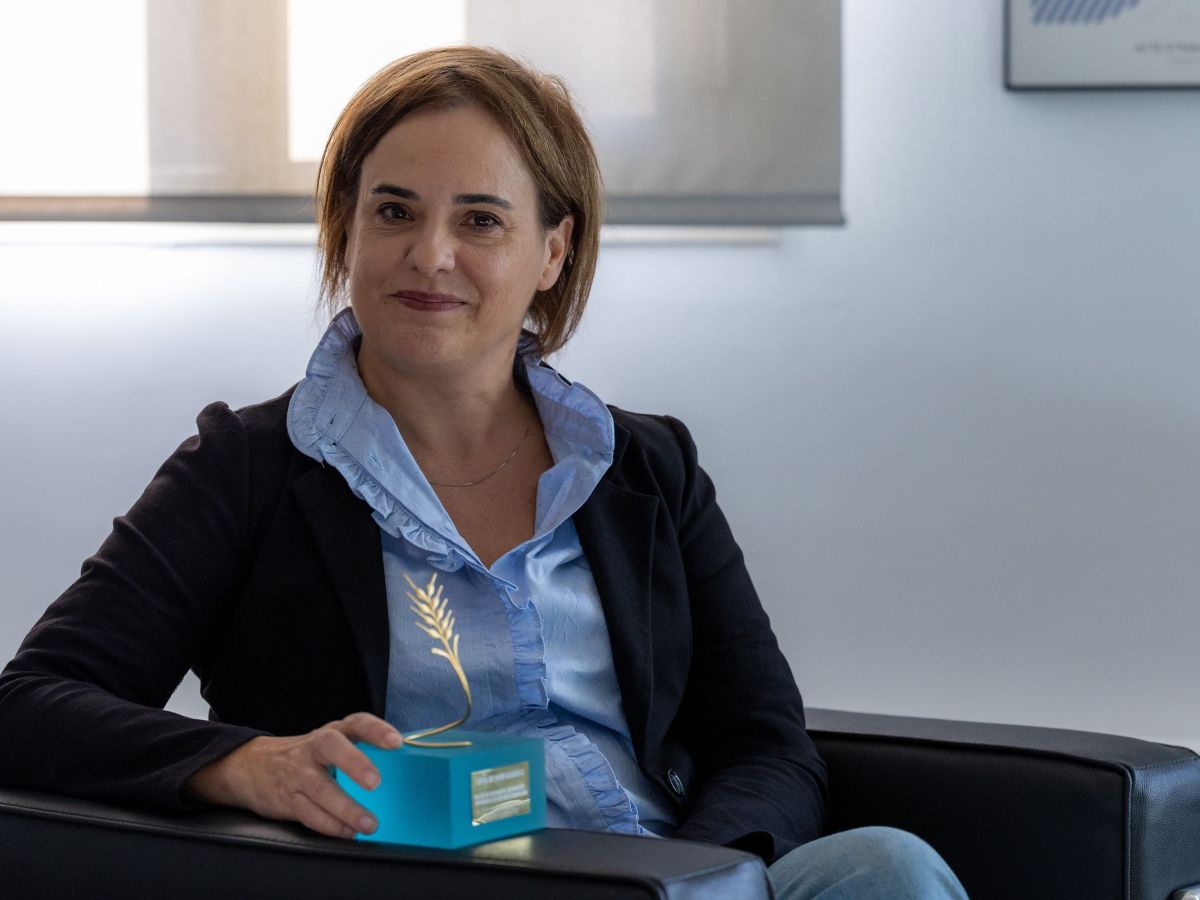
This instinct for critical observation has also left a lasting imprint on narrative fiction, as documentary has consolidated its stature as a cinematic language with its own distinct identity – a process to which the Master’s in Creative Documentary at the Barcelona School of Management has made a decisive contribution. Consequently, an increasing number of films, without abandoning fiction, engage in direct dialogue with reality, collective memory, and the social struggles of their era.
"Cinema is the transformative tool that society needs", Vila summarises. Beyond portraying the world and calling it into question, cinema brings audiences into contact with realities that might otherwise feel distant, moves them, and challenges them directly, leaving an impression rarely matched by other modes of expression. "Politics, for instance, fails to spark that deep internal resonance", she observes. This capacity to challenge viewers takes on even greater significance in our current climate. Martínez Sierra believes that film and audiovisual storytelling can serve as indispensable tools to counter "disinformation and the distortions of algorithms" that dominate social media.
Three decades of pioneering new perspectives
Over these three decades of the programme, the world has shifted, and documentary cinema has evolved alongside it. Themes have diversified, fresh voices have found room, and the tools used to construct narratives have changed, yet that fundamental gaze seeking to comprehend and question reality remains entirely intact. Vila points out, for example, that following an initial era where the main challenge was crafting benchmark films and championing documentary as a cinematic language, the master’s programme underwent another transformation: actively fostering the inclusion of women’s voices.
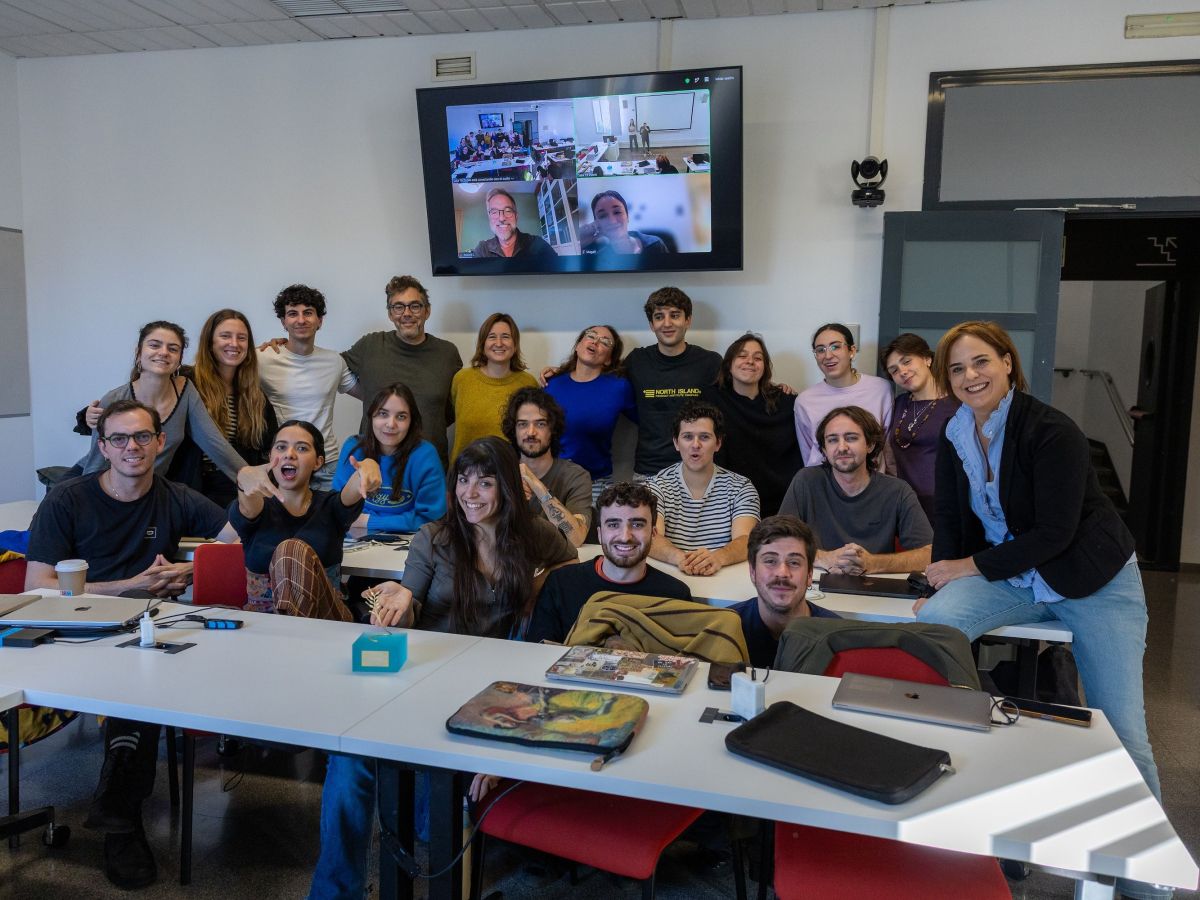
Beyond introducing fresh perspectives and bringing in voices that have helped redefine the documentary landscape, the legacy of the master’s programme can also be traced through the titles it has produced and the careers it has helped build. Since its founding, the programme has fostered 33 feature-length documentaries and helped train filmmakers such as Isaki Lacuesta, Neus Ballús, Lois Patiño, Mercedes Álvarez, Tatiana Huezo, and Carla Subirana, among others.
Among the standout works along this journey are El cielo gira by Mercedes Álvarez, La plaga by Neus Ballús, O que arde by Oliver Laxe, Samsara by Lois Patiño, and Bajarí by Eva Vila herself. These titles have toured major international film festivals including Cannes, Berlin, Locarno, Rotterdam, Venice, San Sebastián, and Visions du Réel, helping raise the global profile of documentary cinema. Among its most recent accolades is Albert Serra's Tardes de soledad, awarded the Concha de Oro at the San Sebastián International Film Festival and the Goya Award for Best Documentary.
It is a trajectory that has just earned fresh acclaim with the Academic Espiga de Honor at Seminci, honouring the track record of the master’s programme and its contribution to the renewal of contemporary documentary filmmaking. Yet the programme's footprint cannot be measured solely in festival awards or in the films it has brought to life. Across three decades, it has also helped establish documentary as a cinematic language, carve out space in theatres, and draw in fresh audiences, whilst widening the creative possibilities of non-fiction. Eva Vila highlights, above all, the community that has been built over the years: filmmakers who return to the classroom, share their craft, and mentor incoming cohorts through their own projects.
Add The New Barcelona Post as your preferred Google source for free
Stay informed with the latest news.