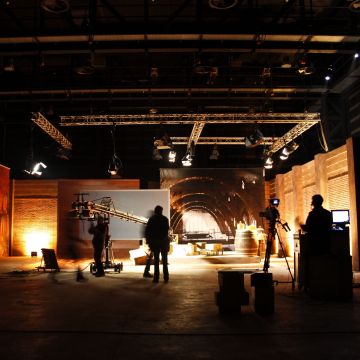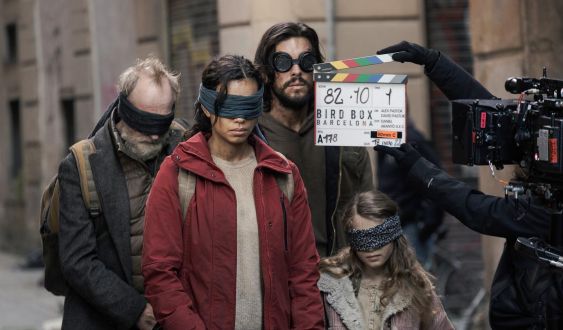
A central Barcelona street is closed to traffic. Several production trucks occupy the parking spaces. Meanwhile, technicians unload lights, cameras and microphones, actors run through the script, and Guàrdia Urbana direct the traffic. For many residents, finding a film shoot outside their front door — and even crossing paths with an international actor — is an increasingly unremarkable sight.
In fact, Barcelona is functioning more and more as a genuine open-air studio, with its streets, squares, parks and landmark buildings — but also its everyday ones — turned into settings for films, series, adverts and music videos. In 2025 alone, 2,758 domestic and international productions — feature films, series, television programmes, advertising campaigns, music videos and other audiovisual formats — were shot in Barcelona, according to figures from the Barcelona Film Commission (BFC), the municipal office responsible for facilitating and coordinating filming in the city.
But what goes on behind these more than 2,700 productions? What needs to be set in motion before a crew can start filming on a Barcelona street? How many permits, teams and professionals are involved in a shoot of this kind, and how is the impact on residents, shops and public space managed? And once the cameras leave, what mark does all this activity leave on the city?
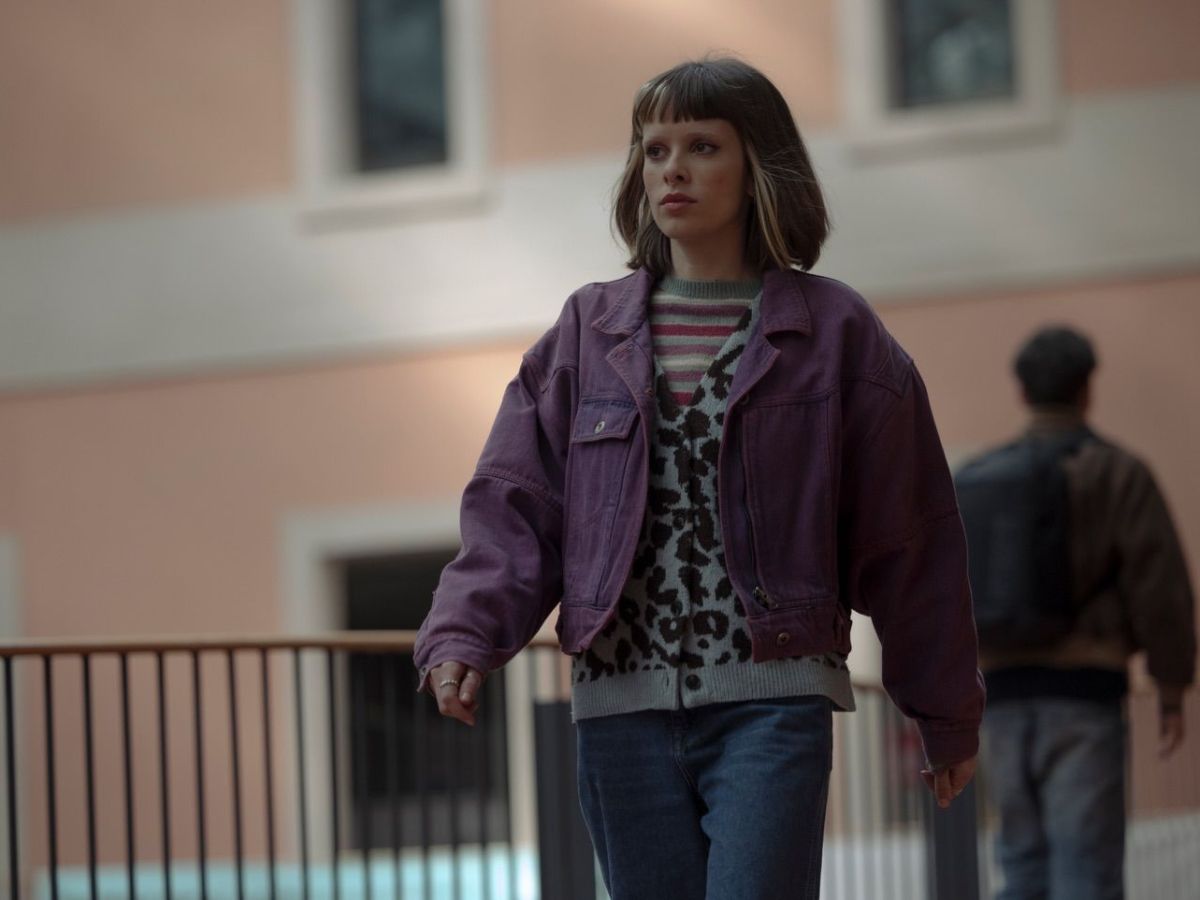
After spending the summer looking back at some of the most iconic films and series shot in the city with Lights, Camera, and... Barcelona! it's time to look at what happens before the cameras start rolling at all. Because behind every shoot lies an industry that scouts locations, processes permits, moves equipment and coordinates dozens — or hundreds — of professionals.
And to understand what role Barcelona plays today on the international audiovisual map, the figures alone, seen in perspective, tell the story. Back in 2010, at the start of the previous decade, the city recorded 1,948 productions, according to Barcelona Film Commission data. Fifteen years on, the figure has passed 2,700 a year, and in several years over the past decade it topped 3,000 annual productions.
Eduard Gil (Catalan Audiovisual Cluster): "Barcelona has gone from being an interesting city for its iconic locations to becoming a genuine audiovisual hub"
But as Eduard Gil, manager of the Catalan Audiovisual Cluster, points out, the sector's growth can't be explained by the number of productions choosing Barcelona as a backdrop alone — it's also down to all the activity, companies and professionals that have built up around these productions. "Barcelona has gone from being an interesting city for its iconic locations — from the Gothic Quarter to the coast — to becoming a genuine audiovisual hub."
So, what has changed to allow Barcelona to make that leap? According to Gil, one of the keys is that the city no longer offers just attractive locations, but also much of what's needed to actually make a production happen. "Barcelona — and Catalonia — bring together the whole value chain," he notes. In other words, when a major production lands in the city, it finds a whole network of professionals and companies specialising in equipment, technical crews, transport, and production or post-production services, without needing to bring in that infrastructure from elsewhere. It's a network that has kept growing and now has record scale: Catalonia's audiovisual sector — which accounts for almost 3% of Catalan GDP — turns over €9.12 billion, brings together 4,457 companies and employs 44,986 professionals, according to the latest figures from ACCIÓ.
This scale has also boosted Catalonia's capacity to take on increasingly complex productions and attract projects from beyond its borders. Sergi Ovide Maudet, managing director of Ovide — an audiovisual equipment rental company with more than 25 years' experience on both local and international projects, based in Barcelona and Madrid — has watched this shift up close. "The rise of the big streaming platforms, especially since the pandemic, has driven a boom in major productions that's also being felt in the city," he says.
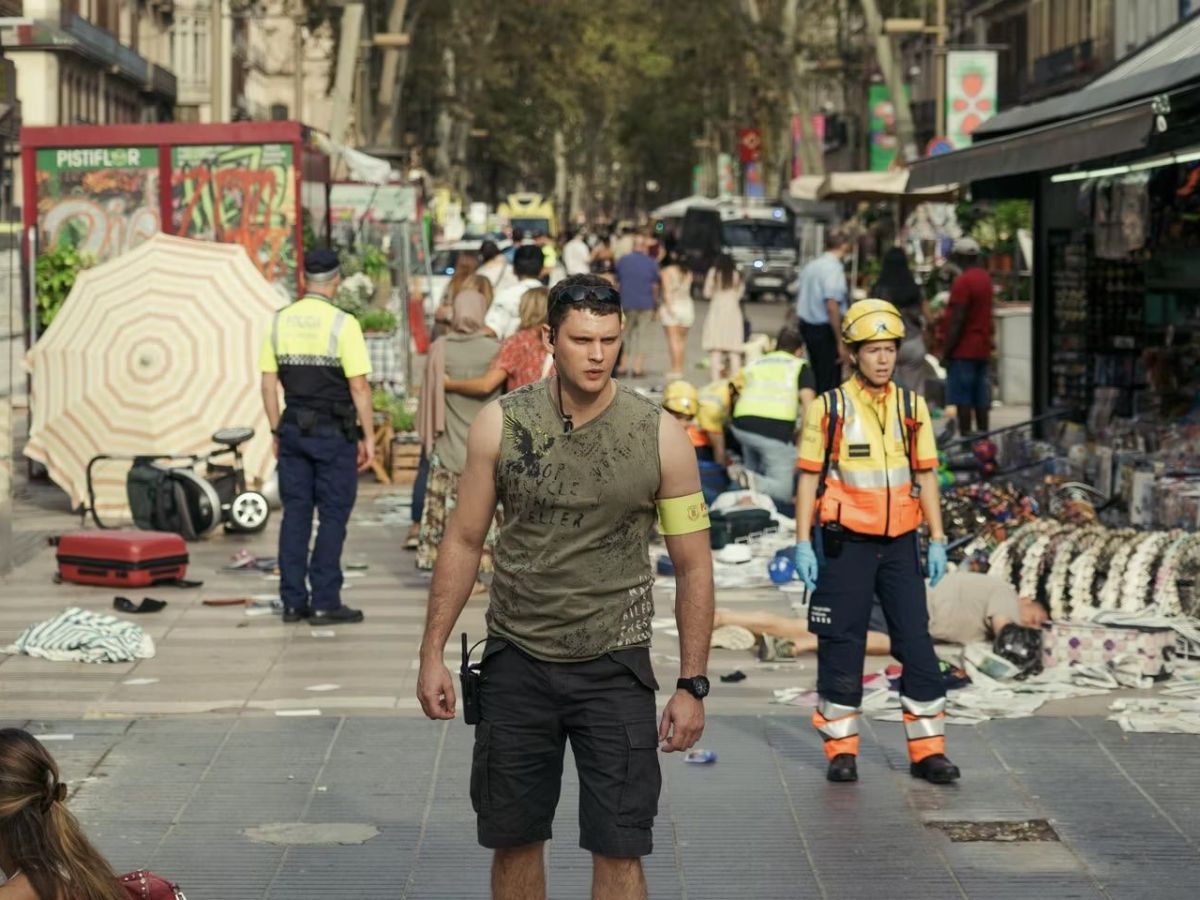
Major productions grew especially fast after the pandemic, when — with millions of people confined to their homes — a surge in viewing on streaming platforms sent demand for new content soaring. In recent years, however, the market has settled. "Barcelona, but also other cities like Madrid, have been gaining ground on the map of major productions, while other iconic hubs, like Los Angeles, have been losing it," explains Ovide.
The figures for known countries of origin also reflect this shift in scale. Of the 587 productions whose origin the Barcelona Film Commission was able to identify in 2025, 370 were Catalan and 130 came from elsewhere in Spain. The remaining 87 were international productions, with 20 projects from the UK, nine from France and seven from Germany, alongside others arriving from as far afield as the United States, China, New Zealand, Singapore and Israel.
Yet although the rise of the streaming platforms has redrawn the map of major audiovisual productions, not everything filmed in Barcelona is a major international feature. In fact, advertising continues to lead filming activity in the city, with 949 productions in 2025, followed by television programmes and reports, with 392, and fiction and drama formats, with 277 — not forgetting music videos, which added up to 146.
The other people behind the shoot
Whatever the format, a large part of any shoot happens off-camera, and without it no production could get off the ground. According to Cristina Latorre, a production manager specialising in advertising and television formats such as La Gran Cita, the dating show presented by Dulceida and produced by Incís and 3Cat, this whole process can take between two and three months once casting is already done.
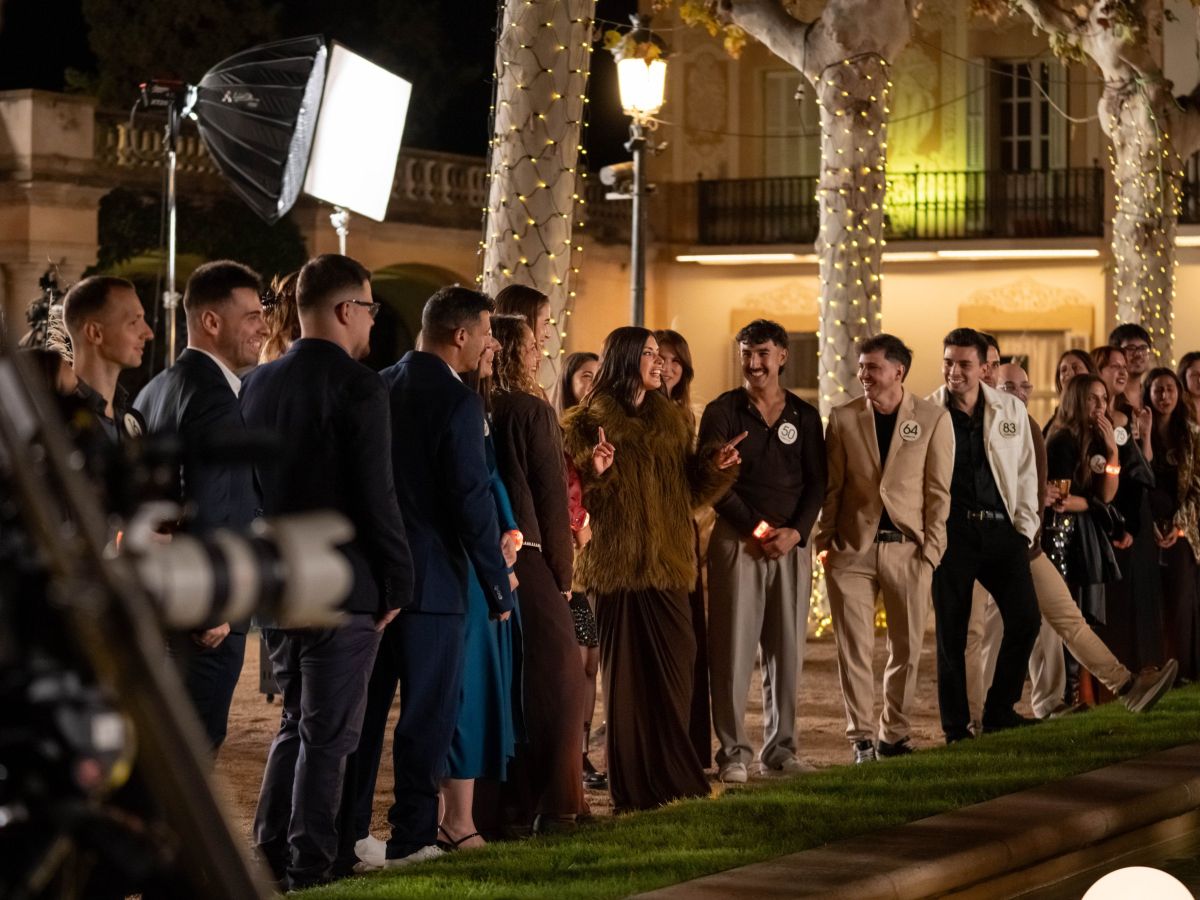
During this time, the production has to start fitting all the pieces together. First, finding the right location — a decision that depends on the script and the image the production wants to convey, but also on much more practical factors, such as the space's availability, the budget, or whether production trucks can get access. Then come the permits, space bookings, transport planning and coordination between different teams. When a shoot takes over a public street, all of this comes with the added need to minimise the impact on residents, shops and traffic.
Coordinating all this is no small task, because behind the cameras there are far more teams and professionals than what ends up on screen: direction, production, technical crew, transport, catering, editing and, increasingly, specialised roles such as intimacy coordinators, responsible for ensuring intimate scenes are filmed safely and with consent. The scale of this machinery becomes clear on productions like La Gran Cita, where the technical crew alone ran to a hundred people, on top of another hundred participants hoping to find love on camera. With so many people, vehicles and teams involved, keeping it all coordinated calls for "planning down to the last detail," as Latorre puts it.
"In Barcelona, there's no single filming permit or fee — the process depends on the size of the crew, the space to be used and the impact it will have on the public street"
Before reaching that point, however, one of the first major tasks in pre-production is location scouting. Barcelona's range of options is, in this sense, one of its main draws. The Barcelona Film Commission holds a directory of more than 825 locations — streets, buildings, natural spaces and private venues — that production companies can browse.
For private spaces, this means checking availability, negotiating terms with owners and fitting the cost into the budget. For public spaces, though, the planning gets even more complex: it's not just about finding the right spot, but checking whether filming is even allowed there, under what conditions, and which permits need to be obtained.
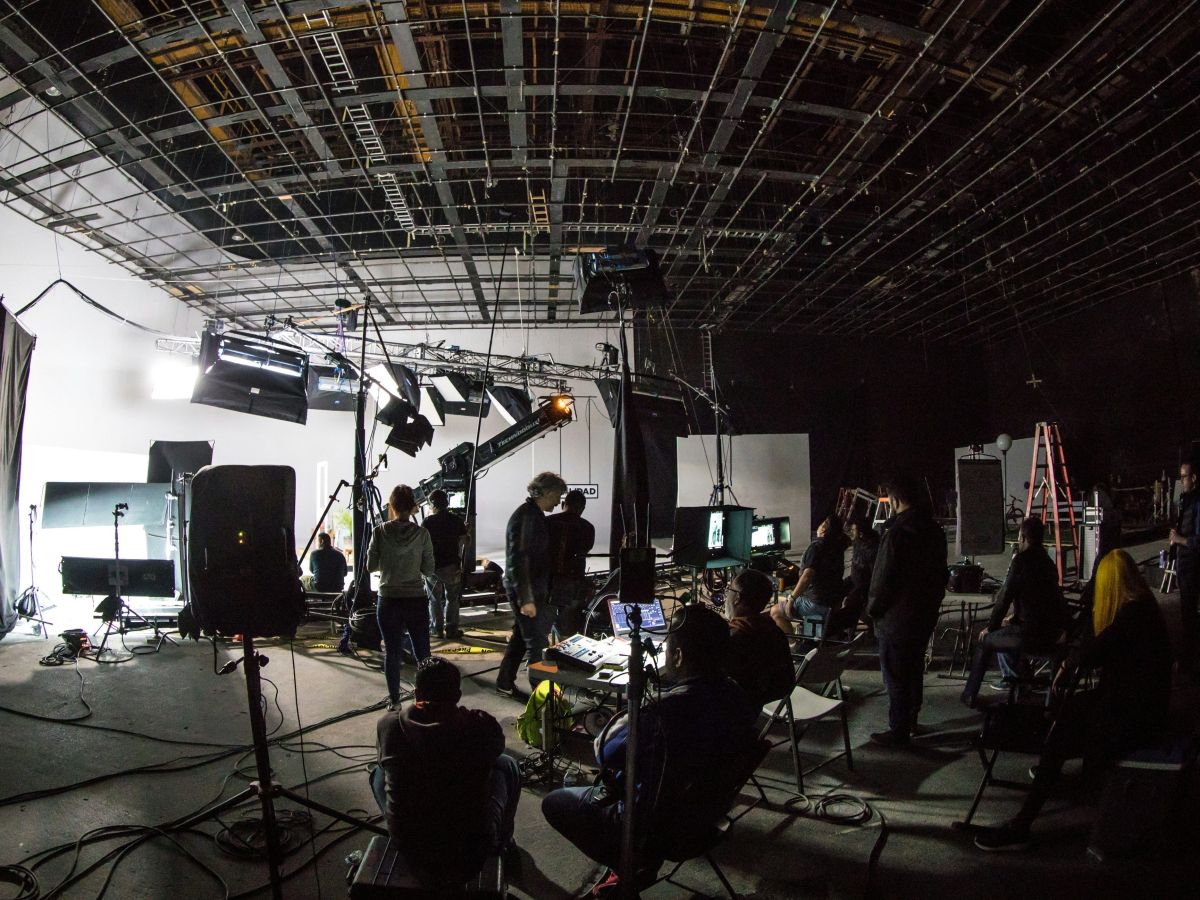
Locations and permits: how Barcelona gets filmed
In the city, in fact, there's no single filming permit — the process depends on the size of the crew, the space to be used and the impact it will have on the public street. A small crew — up to ten people including technical and artistic staff, with a maximum of one tripod — working without disrupting the street's normal activity can apply for a basic authorisation, which is free and can be requested up to 24 hours in advance. A production that exceeds these limits, or in any way disrupts the street's normal activity, must instead apply for a public space occupancy licence.
In this case, the application must be submitted at least five working days in advance and carries a processing fee of €89.80, payable before starting the process and non-refundable even if the application is rejected or withdrawn. On top of this comes the fee for occupying the public street itself: €480 per day or part thereof when fewer than ten vehicles are used, and €600 when ten or more are used, regardless of any other services the shoot may require.
If the Guàrdia Urbana needs to step in — to direct traffic, for example — the corresponding service fees can also be added. Cultural shoots deemed to be of general interest, however, can benefit from a 90% reduction in the occupancy fee, a discount that doesn't apply to other productions such as advertising.
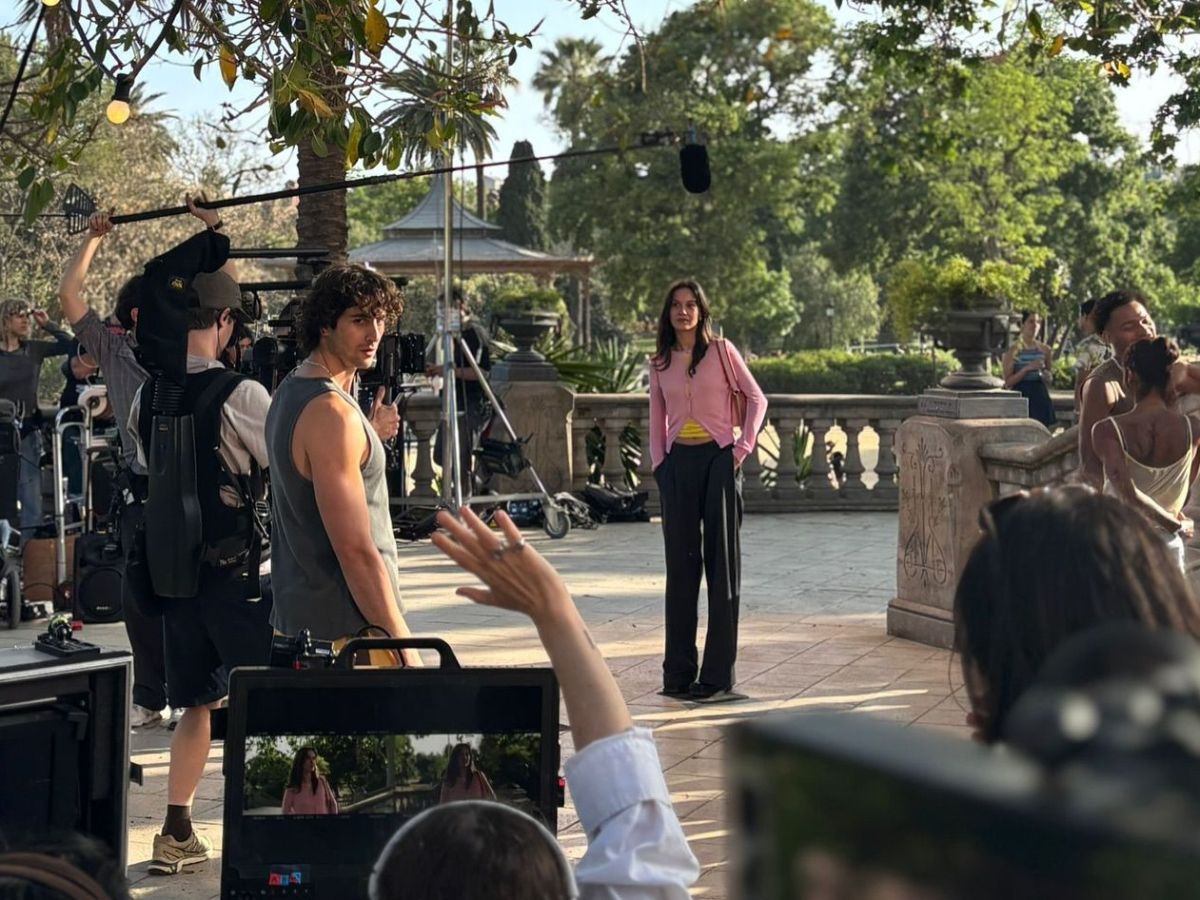
The complexity of these permits also reflects the sheer volume of filming the city handles. As Barcelona receives ever more filming requests, this requires closer coordination with the local authority, since each production may call for permits, use of public space and the involvement of various municipal services. As Cristina Latorre notes, "it's not necessarily harder to film in Barcelona, but it is more bureaucratic than in other cities, precisely because of the high demand."
These bureaucratic procedures get even more complicated in certain locations, which have their own procedures and authorisations managed by other municipal departments beyond Public Roads. In parks and gardens, for example, a specific permit is required — with at least 15 calendar days' notice — for each use, stating the location, date and the number of square metres to be occupied. Spaces such as Park Güell also have their own rules, given their status as a UNESCO World Heritage site, and shoots are not authorised there unless they serve a scientific or educational purpose linked to the heritage site.
Municipal markets, meanwhile, also have specific conditions in place to avoid interfering with trading. At the Boqueria and Santa Caterina markets, for example, crews can number no more than five people with a single shoulder-mounted camera, and any stall affected must give its consent. Filming there for an advert or a feature film can cost up to €847.80 per day per market. Costs are higher still at the municipal cemeteries, where requests are assessed case by case: filming for four to eight hours costs €1,400, while a full day of up to twelve hours can cost as much as €2,100.
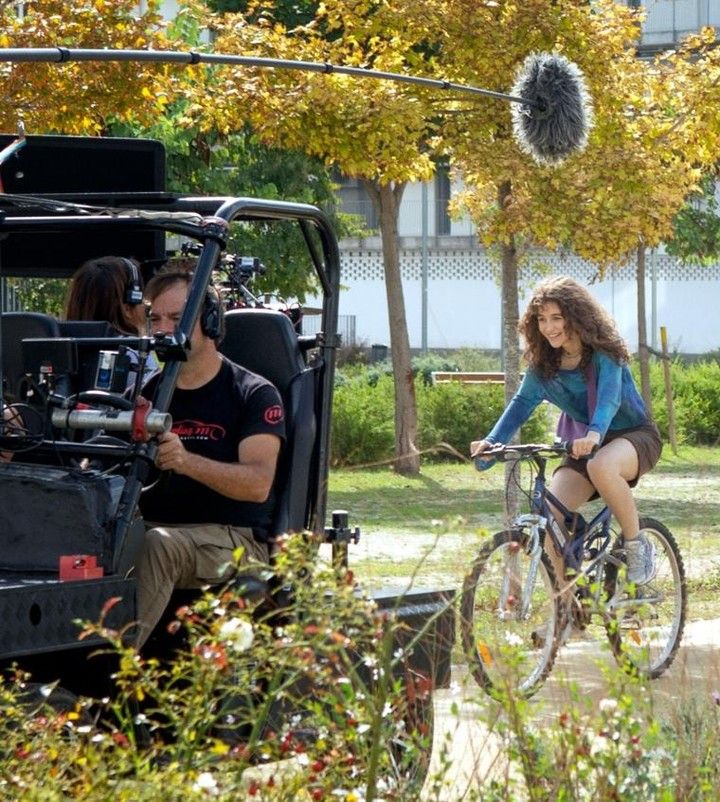
All this complexity makes sense given the sheer range of locations Barcelona has to offer. But among its streets, squares, buildings and facilities, not every space attracts the same level of interest. The figures show that Sant Martí, Eixample and Ciutat Vella have consistently been the districts with the most filming activity since Barcelona began recording it, in 2010. And 2025 was no exception: Sant Martí topped the list, with 600 shoots, followed by Eixample, with 557, Ciutat Vella, with 508, and Sants-Montjuïc, with 394.
Zooming in from district to neighbourhood, though, the picture changes. Poble-sec was the neighbourhood with the most shoots in 2025, with 263, followed by Sant Pere, Santa Caterina i la Ribera, with 185, and Parc i la Llacuna del Poblenou. Beyond the neighbourhoods, certain distinctive sites also account for a significant share of filming activity: the Model Prison had 93 permits; Port Vell, 45; Parc de la Ciutadella, 43; and the Boqueria Market, 42.
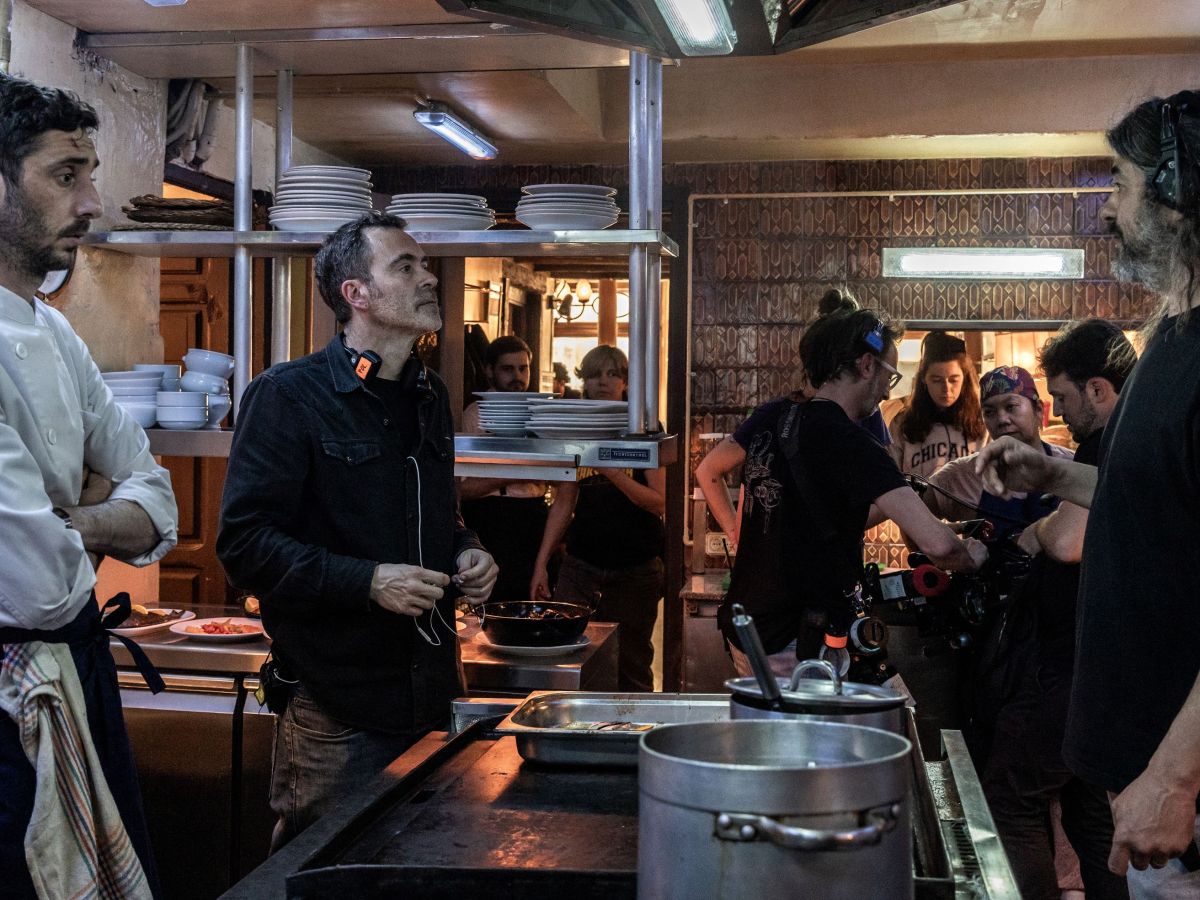
Beyond the shoot itself
When the cameras leave these locations, however, the activity doesn't disappear with them. A shoot sets hotels, restaurants, transport firms, security companies, equipment rental, catering, post-production and a whole network of professionals and businesses in motion, all part of the audiovisual value chain. "A major production is almost a temporary industry that sets up in the city," notes Eduard Gil — and one that, as a result, has an impact reaching well beyond the shoot itself.
In fact, just 30 feature films and series managed by the Barcelona Film Commission generated an estimated €68 million in spending in the city on locations, technical equipment, transport, accommodation, food, staff and other services. But the impact isn't only economic: audiovisual productions also help project Barcelona to audiences around the world.
The city's challenge, however, is to build on this momentum to grow and consolidate Catalonia's audiovisual industry. This, according to Ovide, is where Catalonia still has room to grow: the supply of large, soundproofed studios remains limited, beyond facilities such as the Parc Audiovisual de Catalunya in Terrassa, which can constrain the city's capacity to take on larger-scale projects. The challenge, ultimately, is for Barcelona to be not just the place productions come to film, but also the place where they find an established industry able to support them.
Add The New Barcelona Post as your preferred Google source for free
Stay informed with the latest news.