
The cava sector leaves behind the crisis caused by the pandemic and confirms its resilience to face adversity. In 2021, sales in volume of the designation of origin have grown by 17%, compared to the 13.62% decrease experienced in 2020 as a consequence of the pandemic and the closure of restaurants. Already in 2020, the DO Cava positively valued that the drop in sales had not been worse and now, after the evolution registered in 2021, it ratifies its optimism, since the number of bottles sold is higher than the pre-pandemic volume.
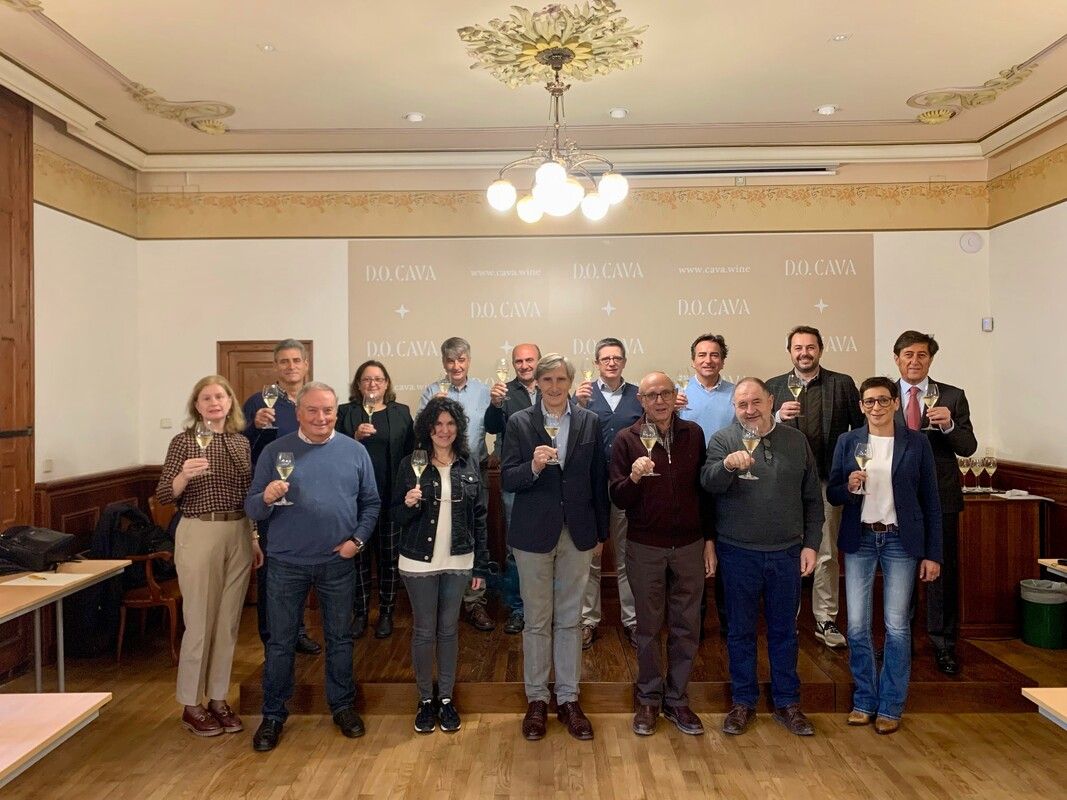
Specifically, cava shipments reached 252 million bottles last year, a figure that is above the 249.5 million in 2019 ---representing a 1% increase---, a year that was considered the second best in the history of cava. According to the statistics of the regulatory council chaired by Javier Pagés, the historical record was set in 2017, with 252.51 million bottles. Therefore, in 2021, despite the difficulties of covid, that record has been tied and it is confirmed as a great year for the sector. "We have a great responsibility and a unique opportunity to direct the unquestionable success of Cava to even higher levels," as Pagés stated this Wednesday in the plenary session of the designation of origin.
Sales growth has been robust in both the national and international markets. Thus, sales in the domestic market have increased by 19.04%, reaching 68.76 million bottles. The channel that has shown the greatest pull is online, with an increase of +7.7% in value and 19.3% in volume, while in supermarkets an increase of 6.1% in value and 5.1% in volume has been registered. The offline channel and hospitality also evolve positively in value, with +5.9% and +5.3%, and in volume, 4.9% and 2.3%, respectively, according to NielsenIQ data.
Cava consolidates itself as the Spanish DO that exports the most, with an 11% growth in sales, so that exports now absorb 71% of the sector's total sales. Germany remains the main foreign market (+4.23%), but the one that grows the most is the United States, with a 40% increase and becoming the second largest exporting country for cava, ahead of Belgium (+11.56%), the United Kingdom (-3.90%) and Japan (+7.94%). The growth in Austria (+65.54%), Brazil (+37.69%), and Poland (+27.35%) also stands out, with double-digit increases. In the EU as a whole, exports have advanced 3%, compared to the 30% growth in the total of third countries.
By product type, the pull of organic cavas stands out, whose sales have grown by 65% in 2021 and are already close to 23 million bottles, a still small figure, equivalent to only 9% of the total volume. The new regulations approved by the sector require that by 2025 all cavas in the superior aging category (more than 18 months of aging) must be organic.
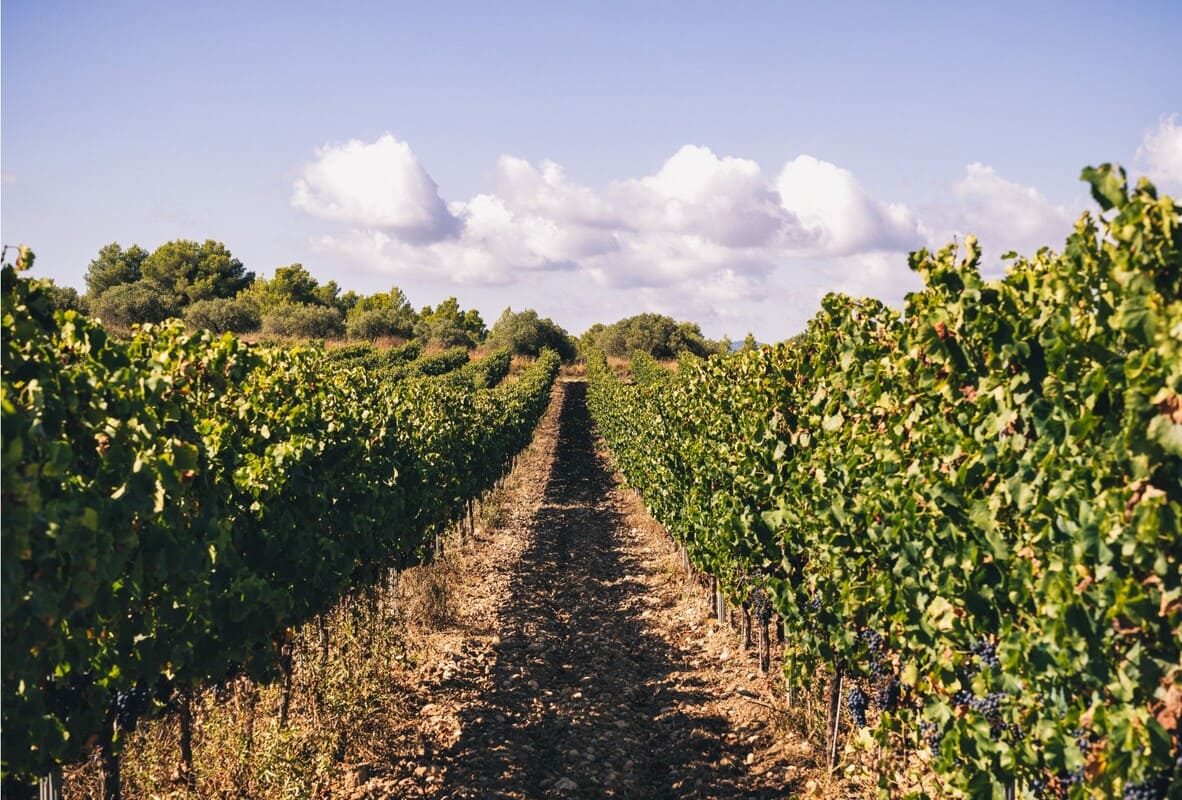
Javier Pagés underlines the importance of cava for the territory, with more than 38,000 hectares of vineyards, 370 wineries and more than 6,800 winegrowers. In this sense, he criticizes the splits that the sector has suffered in recent years, such as Corpinnat or Clàssic Penedès, which has just begun the procedures to become a new DO for sparkling wines. "That there are wineries that go it alone or associated, distancing themselves from the DO Cava for their own benefit, should not prevent those of us who have always defended the territory and achieved such a feat from aspiring to even more, to occupy an even greater position within the chosen world of high-quality sparkling wines and without losing sight of the fact that great challenges are only achieved united and with the full participation of the territory and the generosity of all," said the president of the cava producers.
Add The New Barcelona Post as your preferred Google source for free
Stay informed with the latest news.
