
The world is experiencing growing tension between two major political and economic models. Two antagonistic impulses that will mark the course of global geoeconomics and condition the future of cities, democracies, and markets in the coming decades. On one hand, the reputation economy emerges, an economic model based on building trust, credibility, a commitment to talent, innovation, collaboration, and the ability to generate global legitimacy. On the other, we witness the offensive of those who advocate for the economy of coercion, fear, control, polarization, geopolitical pressure, disproportionate tariffs, and the use of political, economic, or military power as an instrument of domination.
Both dynamics coexist in today's world, but they do not necessarily function as a zero-sum game. Ethical and intellectual temptation would incline us to present them as two completely opposite universes, but reality is much more hybrid and complex. Even democratic economies with the highest levels of reputation need a certain capacity for coercion. For their part, the most coercive, and even authoritarian, models seek to gain a certain international legitimacy and reputation to try to survive or consolidate. But in any case, in both cases we are talking about different ways of exercising power. The power of influence versus the power of imposition.
Evidently, for Democrats, the bet should be clear. The reputation economy is the only coherent and viable one because it has nothing to do with ideological dogmas, but with ethics and the general interest. The challenge is not simple; it is about generating trust and gaining power and influence through attracting the best talent, companies, investors, or citizens who wish to participate and contribute to an ecosystem based on diversity, dialogue, and coexistence, even if it is sometimes complex to manage. In this field, countries and cities will have to deploy new intelligences and capabilities. Over the last few decades, cities and territories competed —and still do— to attract large state investments in infrastructure, gained competitiveness with low labor costs, and strived to offer tax incentives to large companies. However, the critical factor for development is much more intangible and decisive, and one must invest intelligently in building trust.

In the new Trust Economy, that is, the economy of trust and reputation, territories capable of projecting credibility, stability, innovation, and quality of life are those that will attract investment, talent, and generate the best opportunities. A recent study The Global Reputation Economy: a new asset class for a new era, by Burson, quantifies corporate reputation as a tangible financial asset and reveals that this economy has a value of approximately 7 trillion dollars. An enormous opportunity for those companies and territories that know how to make reputation a fundamental vector of their purpose and objectives.
The main global cities are especially sensitive to this reality. If they want to be competitive and be inserted into the main global value chains, they will have to deploy a new collective intelligence and decide which model they want to bet on. If they opt for the reputation economy that operates through attraction, generating influence, credibility, and trust, or what Joseph Nye defined as soft power, or if they opt for the coercion economy hand in hand with States that bet on hard power with political and technological control, military pressure, and geopolitical influence. Some cities have already understood this transformation years ago and are building global positions based on reputation and trust. Copenhagen has become a world reference in sustainability and urban quality. Amsterdam projects itself as the European capital of creativity and responsible innovation. Singapore has consolidated its reputation linked to stability, efficiency, and legal security. Toronto or Vancouver have managed to associate their brand with respect for diversity, talent, and quality of life.
Recovering and updating the culture of public-private cooperation is essential to face the challenges of the coming decadesIn Europe, few cities have such unique potential as Barcelona to be a benchmark in this new reputation economy.The city possesses a unique and particular combination that marries quality of life, creativity, international projection, technological ecosystem, scientific capacity, and great cultural attractiveness. The challenge is to transform these attributes into a coherent, inclusive, and global economic strategy. Barcelona has been building a powerful international brand for years thanks to a triple economic, physical, and emotional connectivity, although there have been light and shadows that have penalized it. The city enjoys an enviable cultural, tourist, and creative positioning complemented by an internationally recognized innovation and entrepreneurship ecosystem, with 22@ or Fira de Barcelona as major references. A commitment that has borne fruit and positions it as one of the most attractive European cities forstartups, foreign investment and digital talent.
However, Barcelona's great opportunity is not just about attracting startups, companies, or congresses. It must do so based on a well-defined city model, betting on clear positioning and attraction attributes, such as the commitment to being an open, connected, competitive, sustainable, and inclusive city. A city with a well-defined purpose compared to other legitimate, but more extractive, models that seek a catch all to attract everything that moves.
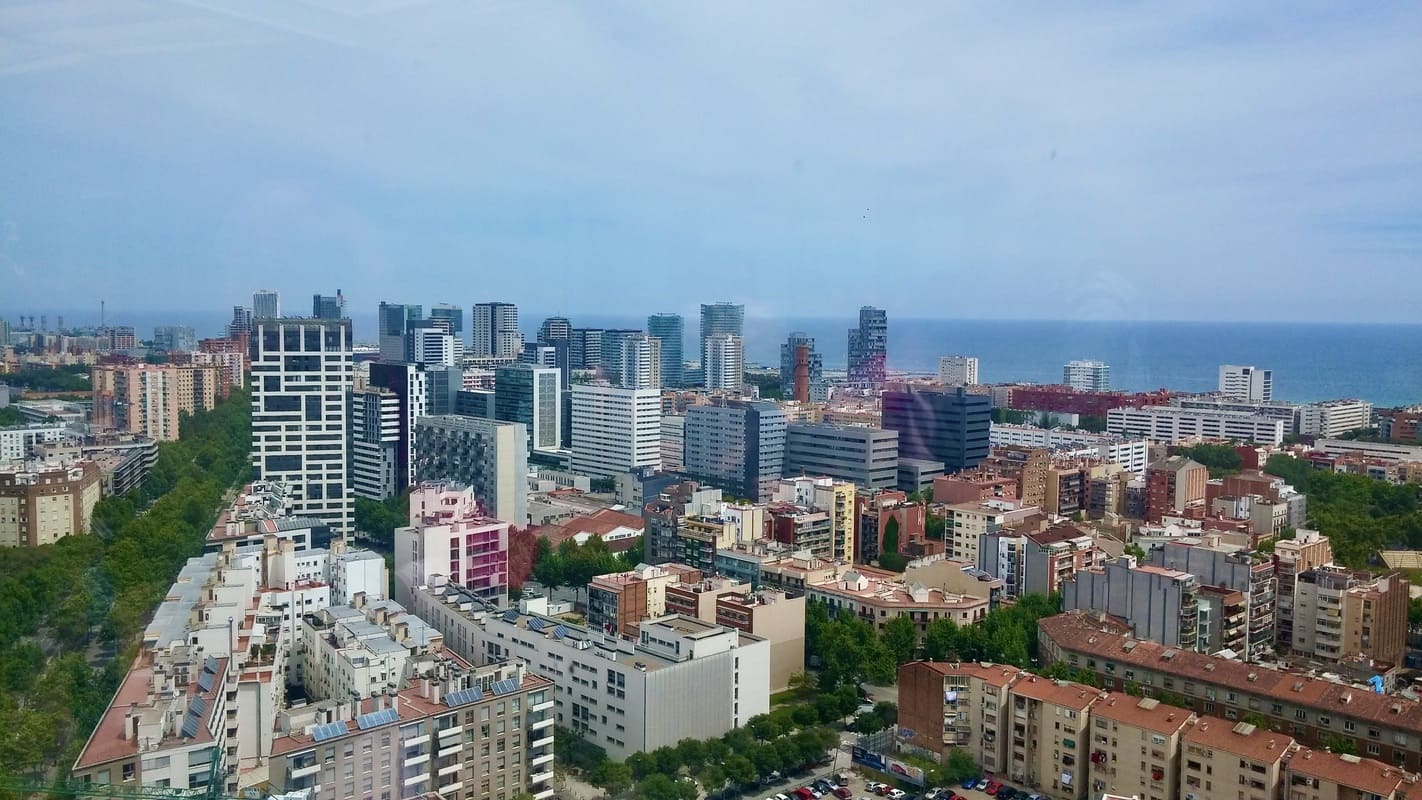
In this new polarized economic world, Barcelona and Catalonia must be able to highlight their competitive advantages, and the commitment to the reputation economy is one of them. Artificial intelligence will need cities that project responsible innovation. Biotechnology requires credible and stable scientific ecosystems. The green economy needs cities associated with sustainability and urban quality. And creative industries thrive best in open and culturally dynamic environments, to give some practical examples. In short, we can be a territory where innovation and well-being coexist and complement each other, in contrast to other city or territory models more oriented mainly to economic or financial growth.
But building a city or country value proposition based on the reputation economy requires much more than deploying an institutional marketing or city branding strategy. Reputation is not proclaimed; it is built from experience and actions and must be recognized by others. For this, governance acquires decisive importance. The cities that lead the reputation economy are those capable of offering strategic vision, stability, and efficiency, which requires effective, transparent institutions oriented towards the long term and not towards the next elections. For investors, whether private or institutional, institutional quality has also become a competitive factor as relevant as infrastructure or taxation.
The most influential cities will not necessarily be the largest, but those that generate the most trust and know how to leverage the potential of the power of influenceBarcelona needs to strengthen its governance to make it more modern and collaborative. The great challenges we face can no longer be driven solely by public institutions. Nor can the market manage them coherently and inclusively.Reality challenges us to build public-social-private collaboration ecosystems capable of aligning interests, accelerate strategic projects and generate stable consensuses to guarantee competitiveness, sustainability, and equity. Thehubsmost reputable global ones operate from this logic. Singapore combines institutional leadership with strong business collaboration. Copenhagen has built its leadership in sustainability thanks to alliances between administration, universities, and the private sector. And cities like Amsterdam or Boston have consolidated innovative ecosystems supported by permanent cooperation networks between companies, knowledge centers, and administrations.
Barcelona has a long tradition of public-private collaboration that has been key in its great historical moments to achieve a modernizing impulse for the city and Catalonia. Recovering and updating this culture of cooperation is essential to face the challenges of the coming decades. We can and must do it. We have a good global brand, creativity and talent, scientific capacity, urban attractiveness, and democratic governance. What we need now is to articulate a new collective mission for the city and the country, to go from being an admired city to becoming a true global benchmark in the reputation economy. Because the most influential cities will not necessarily be the largest, but those that generate more trust and know how to take advantage of the full potential of the power of influence and this new Republic of reputation without flags or borders.
Add The New Barcelona Post as your preferred Google source for free
Stay informed with the latest news.