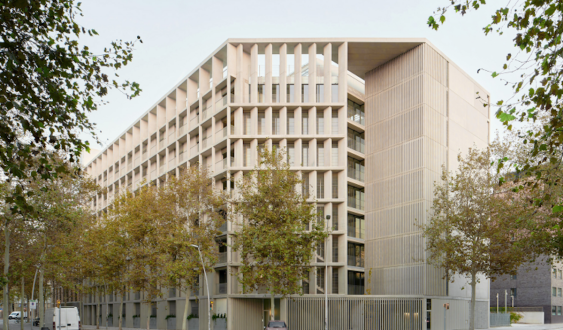
Barcelona breathes architecture. From the sinuous forms of a modernist legacy still alive in the city, to the straight lines claimed by rationalism. The architectural beauty of the city, however, is not manifested only through a glorious historical heritage, but also with a living present, which rethinks neighborhoods and buildings to face the great social, environmental and urban challenges of the 21st century. This year, this key discipline in the past and present of the city acquires special relevance: the Catalan capital holds the title of World Capital of Architecture, with an extensive program that will run for ten months, from Santa Eulàlia, February 12, to Santa Llúcia, December 13.
More than 200 projects and 1,500 activities will fill 77 spaces spread across the 10 districts, turning Barcelona into the epicenter of architectural debate. In this effervescent scenario, it is not surprising that the architecture produced in the city transcends the local sphere and captures international attention. This is demonstrated, once again, by the fact that among the 40 finalist works for the European Union Prize for Contemporary Architecture / Mies van der Rohe Awards 2026 are two proposals located in the city and signed by Catalan teams. These awards are held every two years and are endowed with 60,000 euros, considered among the most prestigious in contemporary architecture globally.
The 40 selected works, chosen from a total of 410 nominations, represent buildings of diverse typologies —from single-family homes to facilities dedicated to specific services such as education, health or commerce— located in 36 cities in 18 countries. The international jury, chaired by Smiljan Radić and composed of Carl Backstrand, Chris Briffa, Zaiga Gaile, Tina Gregorič, Nikolaus Hirsch and Rosa Rull, has especially valued the projects' ability to intervene ethically, sustainably and with long-term social impact, whether through rehabilitation, reuse of materials or the use of local resources.
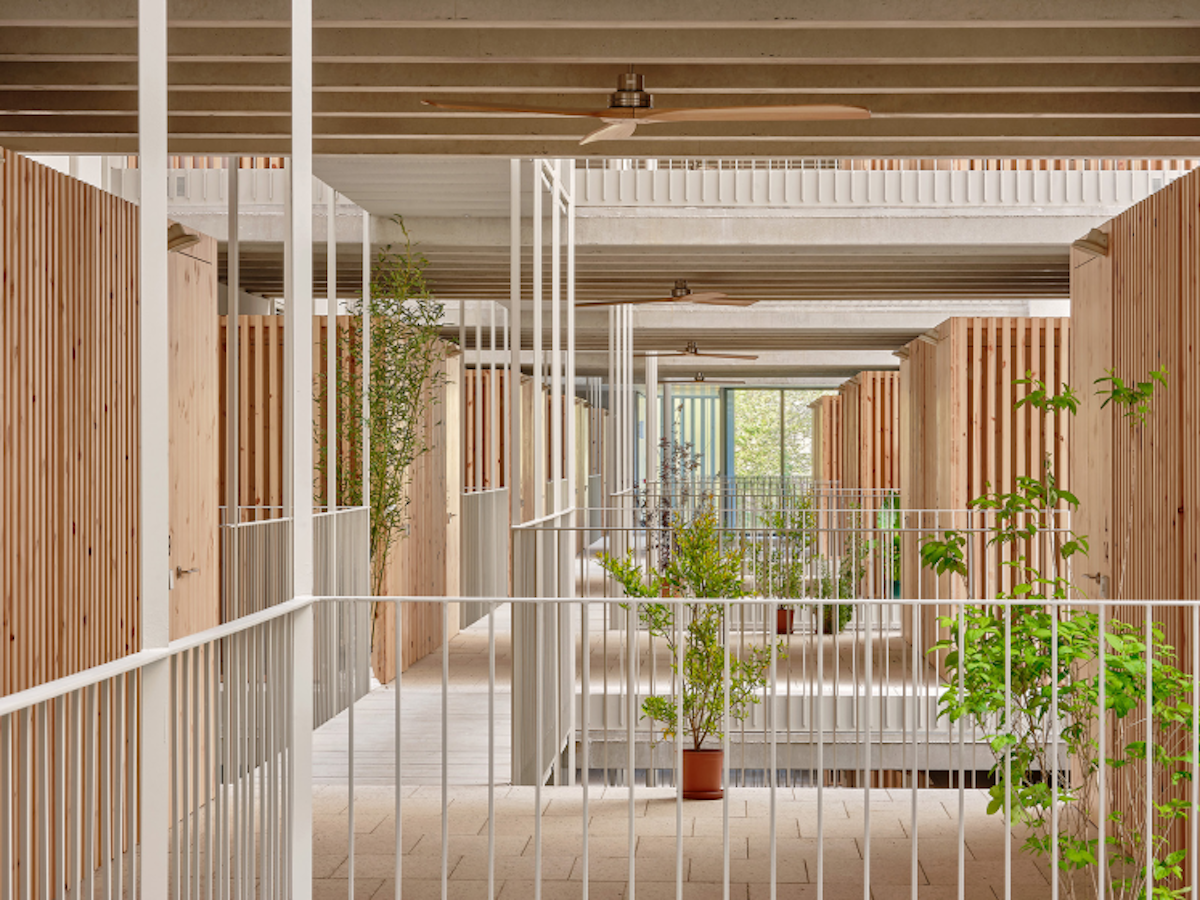
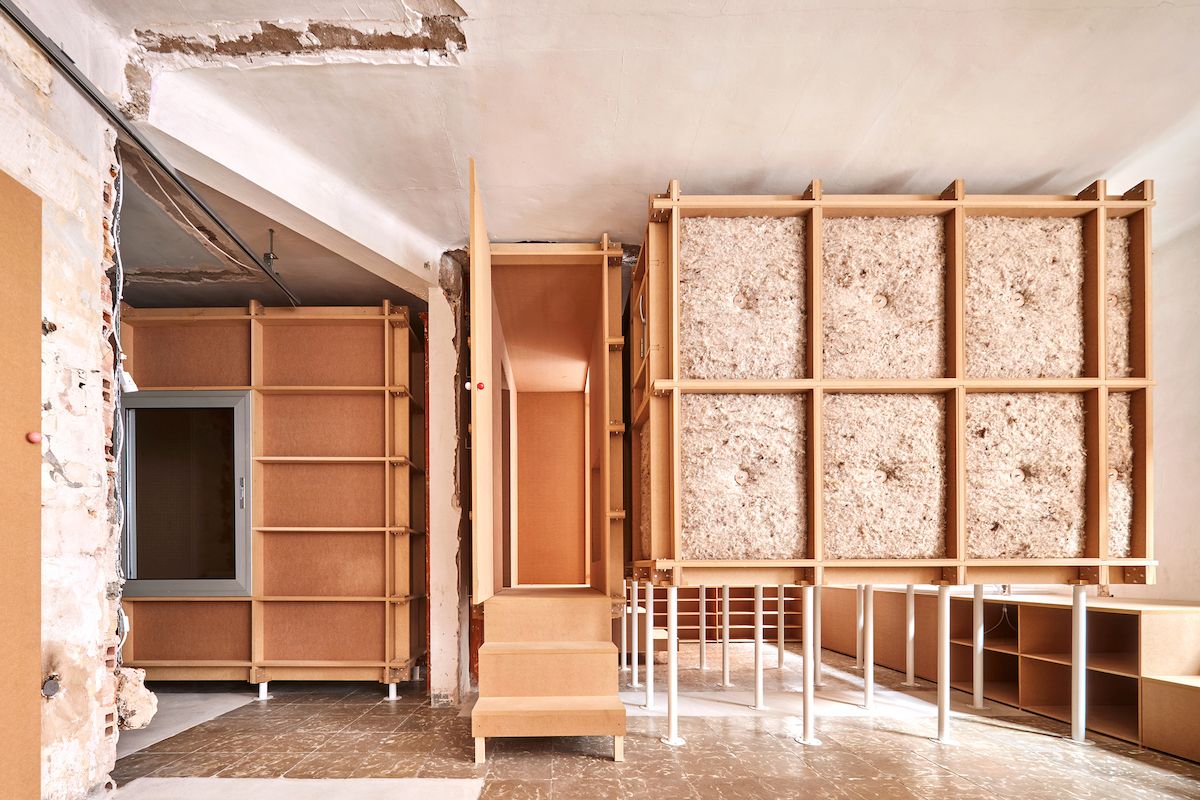
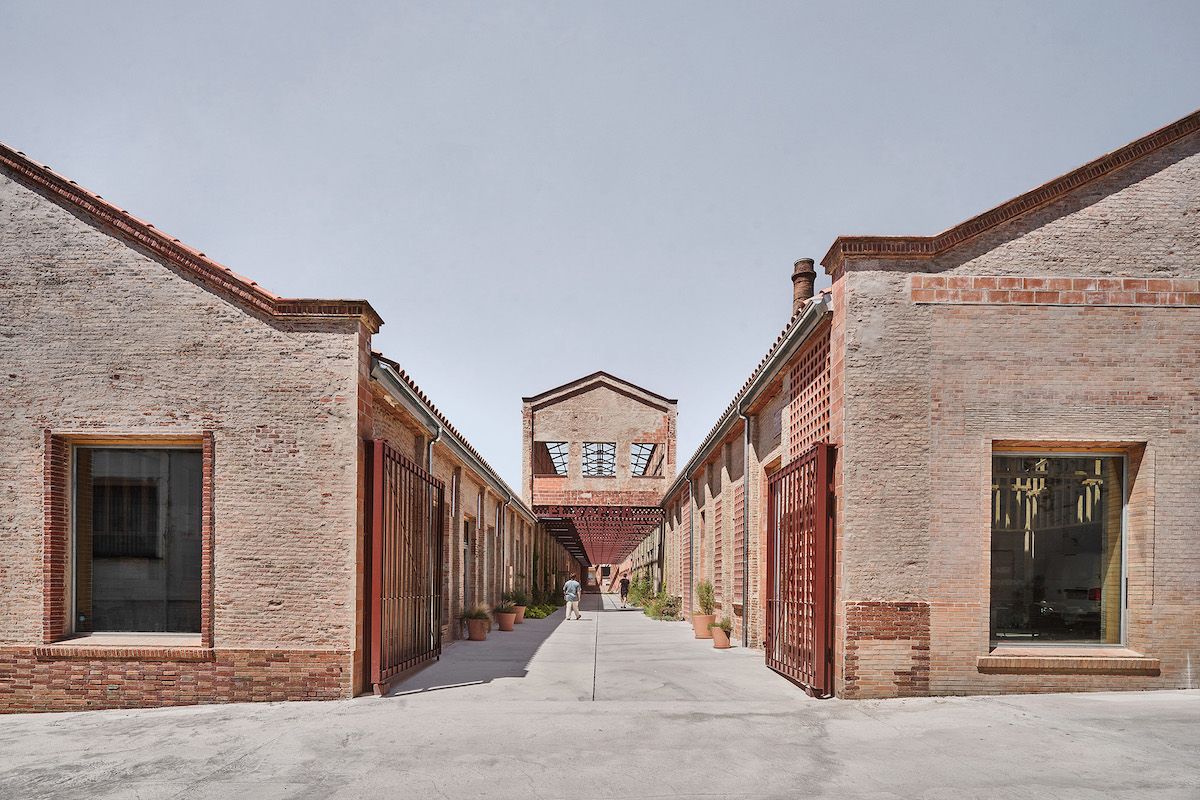
In fact, Barcelona is no stranger to the history of the Mies van der Rohe Award. It was precisely in the Catalan capital where the awards were established in 1988, promoted by the Mies van der Rohe Foundation and the European Union. In addition, the city is also the setting for the jury's deliberation days. But if any of this year's finalist proposals were to win, it would not be the first time a Catalan project has won the award.
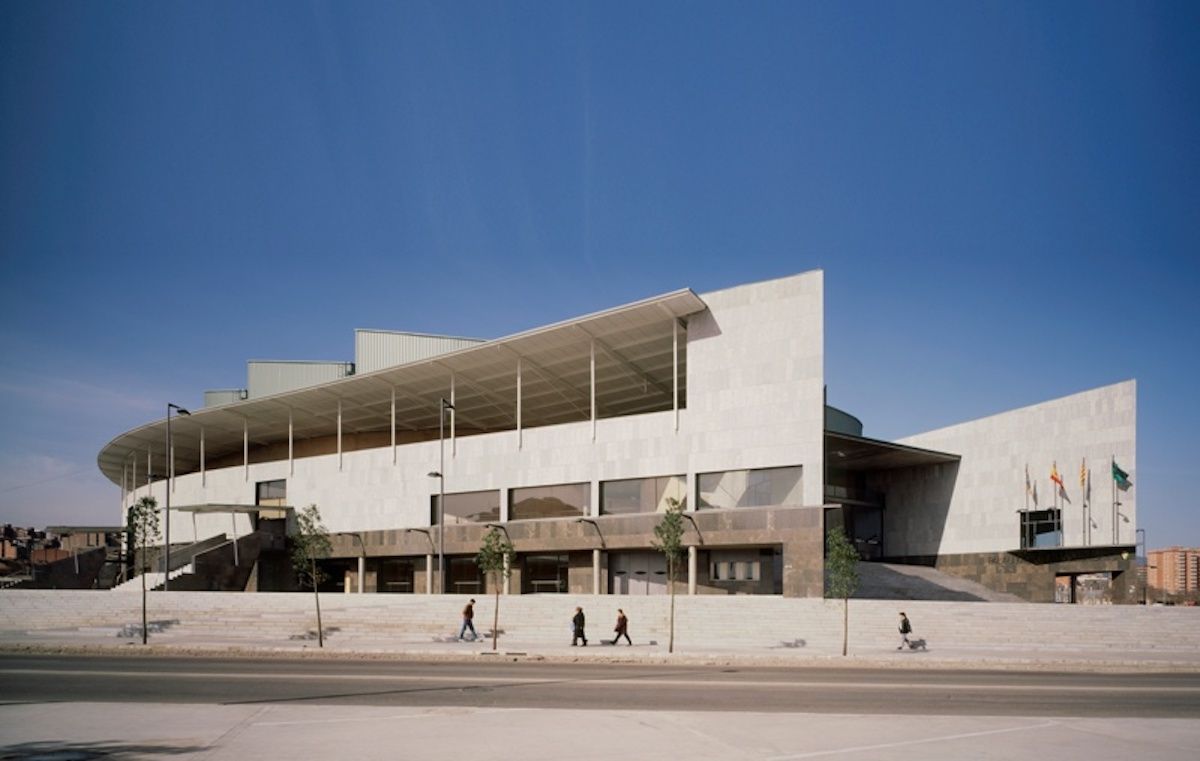
In 1992, the prestigious award recognized the Olympic Pavilion of a neighboring city: Badalona. Designed by architects Esteve Bonell and Francesc Rius, beyond its practical function as the home of Club Joventut (popularly known as La Penya), it was also conceived as a tribute to one of the essential characteristics of the municipality, considered the cradle of basketball for being a true hotbed of young talent.
Add The New Barcelona Post as your preferred Google source for free
Stay informed with the latest news.
