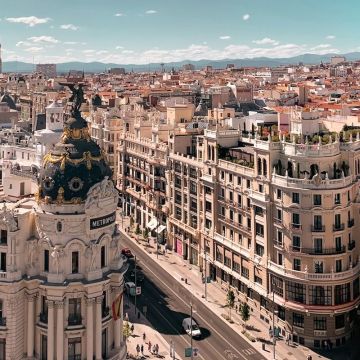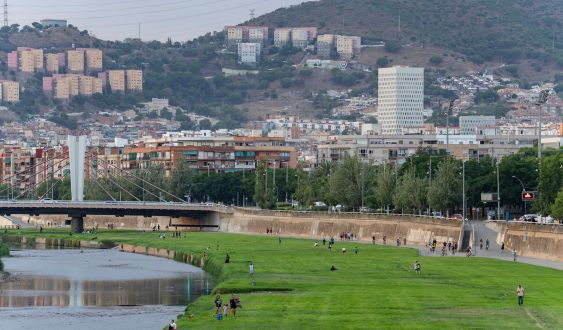
08007 and 08033. In Barcelona, six characters can separate two very different ways of experiencing the city. The first postal code covers a large part of Dreta de l’Eixample and includes central streets such as Rambla de Catalunya and Passeig de Gràcia. The second identifies neighborhoods in Nou Barris such as Torre Baró and Ciutat Meridiana. There are only a few kilometers between the two, but also very different urban realities: the streets where people grow up, the shops available, the public facilities on offer and, ultimately, the opportunities each neighborhood provides.
Because living in one place or another not only means experiencing different urban landscapes. It can also shape opportunities throughout a person’s life: access to education, healthcare and housing, and even the possibility of continuing to live in the neighborhood where one grew up. An inequality that, for Carol Recio, president of the Executive Commission of the Barcelona Metropolitan Strategic Plan (PEMB), should not be determined by a few figures: “The postal code should not limit the opportunities of a resident.”
The challenge, then, is how to build a city where these differences do not end up determining the opportunities of those who live there. This was the focus of a new session of the Barcelona/Madrid 2050 series, organized by the PEMB (Barcelona Metropolitan Strategic Plan) within the framework of the World Capital of Architecture 2026. The series brings together two cities with different urban and metropolitan realities, but which share some of the major challenges facing global cities: growing, transforming and projecting themselves onto the world without losing sight of their identity and their residents’ right to continue living there.

The postal code alone, however, no longer explains the whole city. Behind each neighborhood there is a network of relationships that goes beyond municipal limits: people who travel every day to work or study, homes that are sought beyond the municipality where one lives, services that are shared and economic activities that connect territories. What happens in a neighborhood, therefore, cannot always be understood by looking only at its postal code.
It is for this reason that the debate on opportunities also forces a change of scale. Housing, mobility, education, or economic development are issues that increasingly have a metropolitan dimension. In the case of Barcelona, this reality even has its own term: the “Barcelona of five million,” a territory of 36 municipalities that stretches from Penedès to Vallès and Maresme. This territory also has an institutional structure —the Barcelona Metropolitan Area (AMB)— that articulates this supramunicipal scope, while in Madrid this shared vision among the metropolis is still being built.
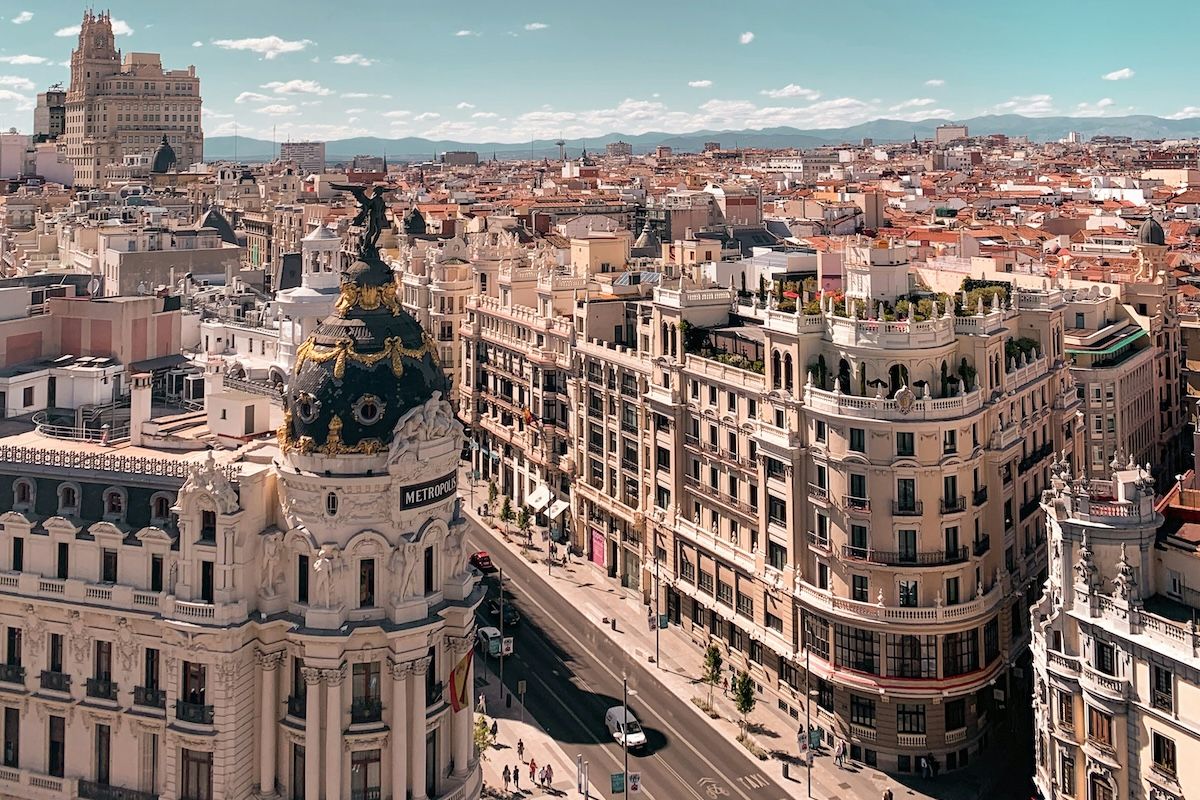
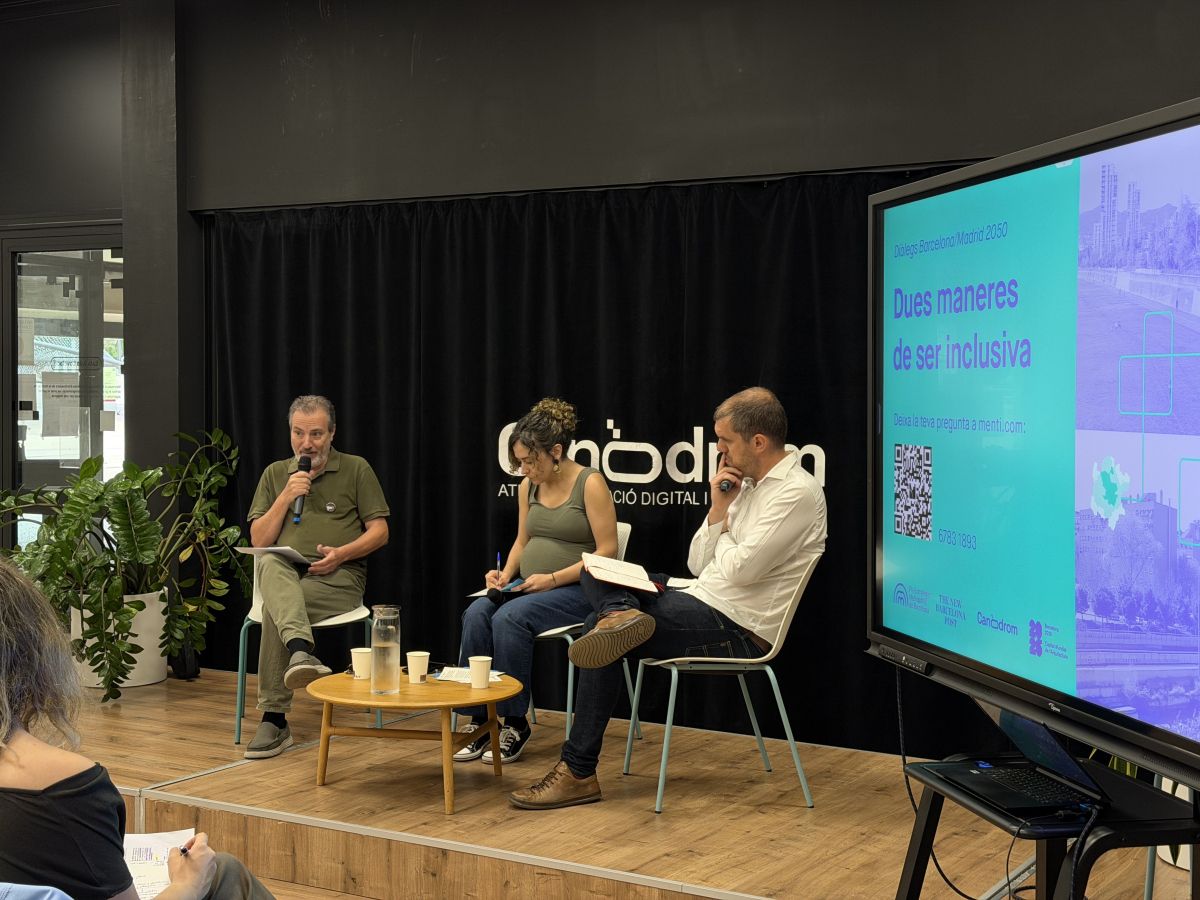
“In Madrid, there is no metropolitan participation entity,” points out Jorge Nacarino, president of the Regional Federation of Neighborhood Associations of Madrid (FRAVM). For Nacarino, this lack makes it difficult to address problems that already have a supramunicipal scale from a single perspective. Housing, mobility, education, or economic development do not stop at the border of a municipality, while decisions remain distributed among the different levels of administration: municipal, regional, and state.
In Barcelona, on the other hand, this metropolitan structure exists, but, as Miquel Borràs, president of the Federation of Neighborhood Associations of Barcelona (FAVB), warns, it does not always guarantee effective participation of residents. Borràs acknowledges that formal participation mechanisms have increased —neighborhood councils, hearings, informative sessions, or participatory budgets—, but he questions to what extent these processes arrive in time for residents to truly intervene and have real decision-making capacity. “Many times projects are already done,” he laments.
In his opinion, the administration presents a practically closed proposal and leaves a very reduced time frame for contributions. With this functioning, says Borràs, these spaces “are being discredited” in the eyes of the residents. A criticism shared by Nacarino, who warns that it is not “a participation that allows real impact.”
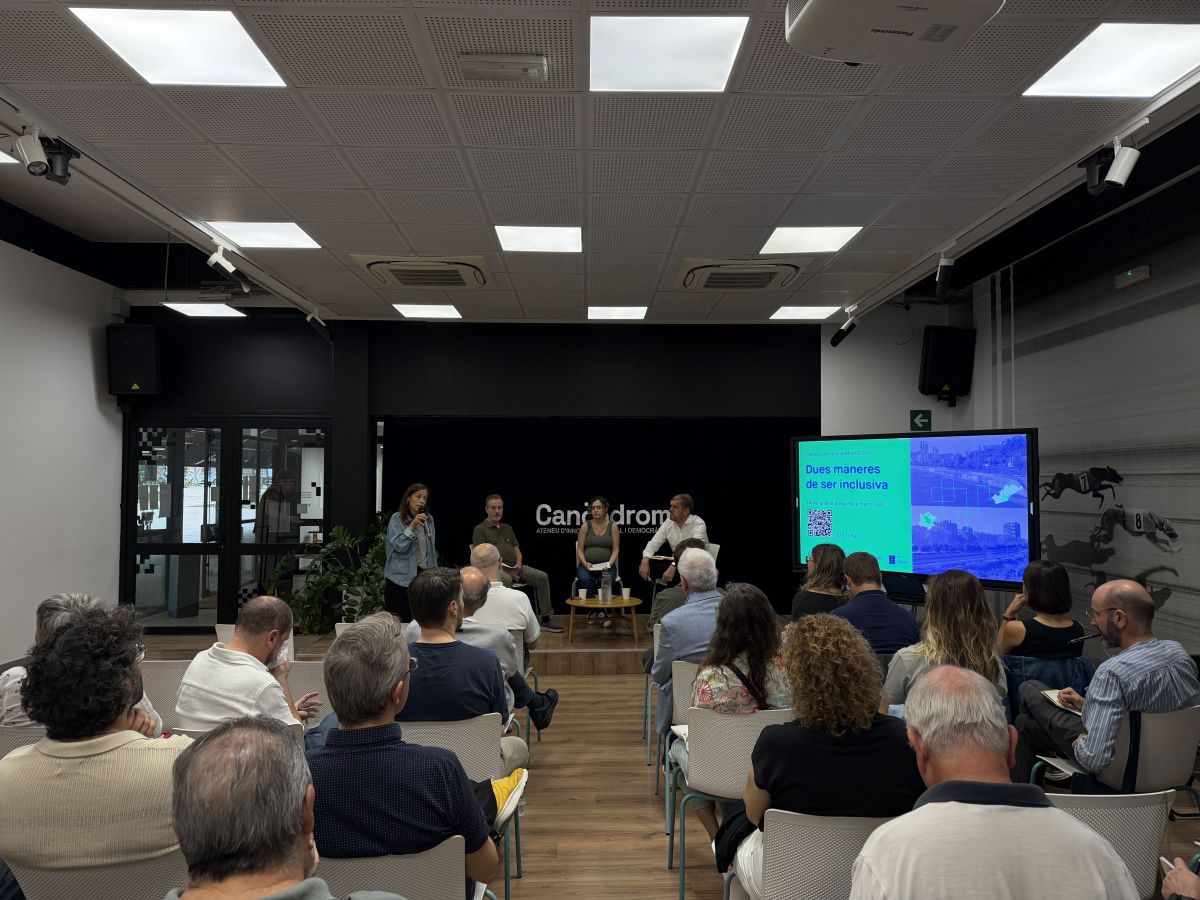
From asphalt to housing
But the demands reaching these spaces today are not the same as fifty years ago either. The neighborhood movement that gained strength in both cities in the early 70s was born in the neighborhoods to demand what was missing: asphalt, traffic lights, public transport, schools or facilities. Over time, these needs have changed and the struggles have expanded. Housing, mobility, urban planning, tourism, public services or economic development are today among the main concerns among neighbors, concerns that often transcend the municipal sphere. As Borràs explains, "we are no longer just talking about putting a bus or making a traffic light," but about intervening in issues that condition daily life and the future of neighborhoods.
But the transformation of neighborhoods also poses a challenge for the associations themselves: how to represent all their diversity in neighborhoods that are increasingly plural, both due to the origin of the people who live there and their ages, interests and ways of organizing. For this reason, incorporating young people —who, according to Borràs, tend to organize more around specific causes such as housing, climate emergency, environmentalism or feminism rather than through territorial associations— and migrant population is today one of the main challenges of the neighborhood movement.
Borràs also points out that the difficulty in accessing housing means that many people often change neighborhoods and cannot take root there. A situation he describes as a kind of "nomadic life" and which, according to him, also makes it difficult to get involved in neighborhood life and build ties with the place where one lives.
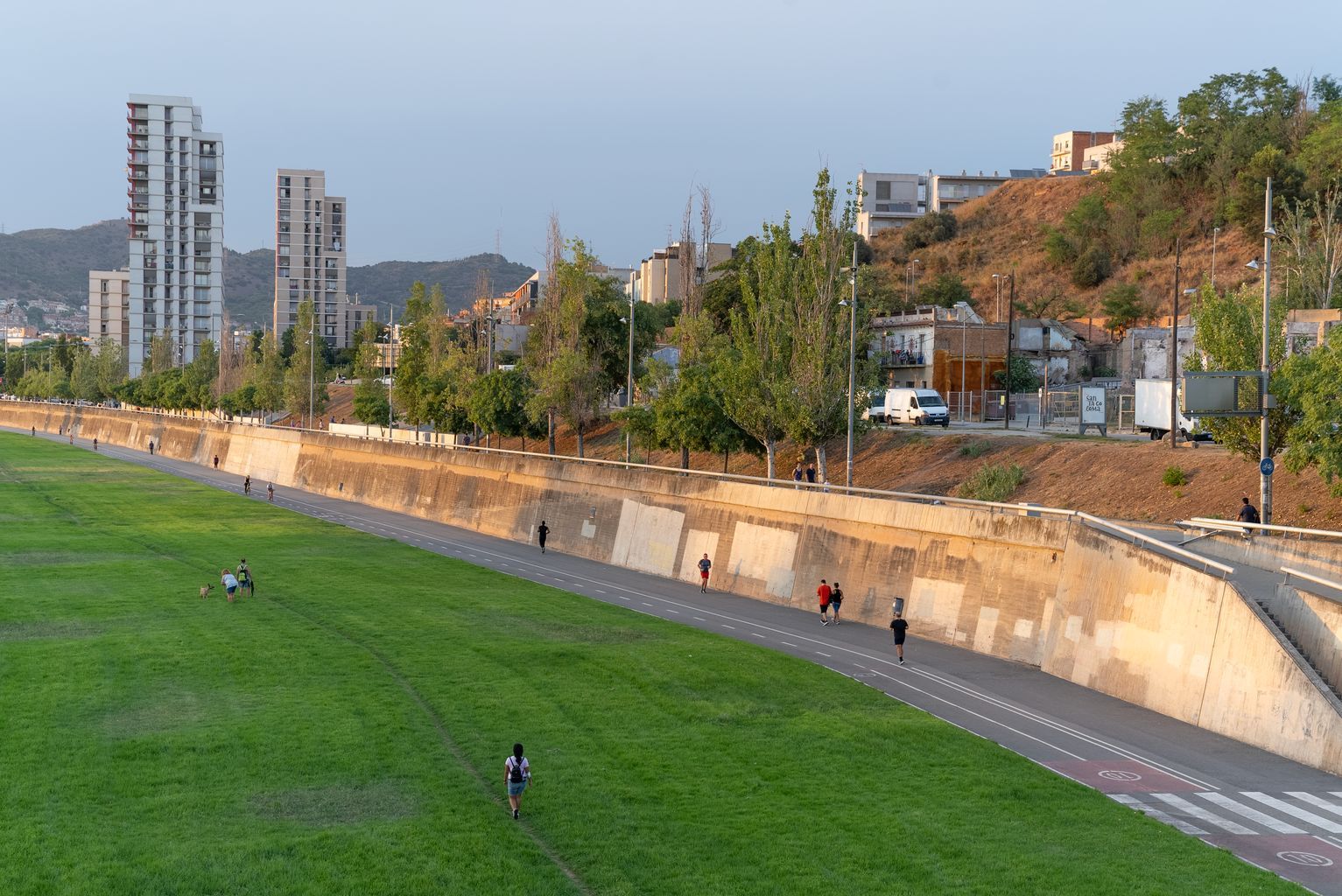
Regenerate without expelling
For neighbors to participate is not just a matter of meetings or consultation processes. It also involves listening to what is happening in the neighborhoods before deciding how to transform them. This is the objective that urban regeneration projects such as the Besòs Corridor —around the Besòs river, between Barcelona, Badalona, Sant Adrià de Besòs and other municipalities in the area—, and Madrid Sur —which works with neighborhoods in the south of Madrid such as Vallecas, Moratalaz, Carabanchel, as well as municipalities such as Móstoles, Fuenlabrada, Alcorcón or Leganés— try to address.
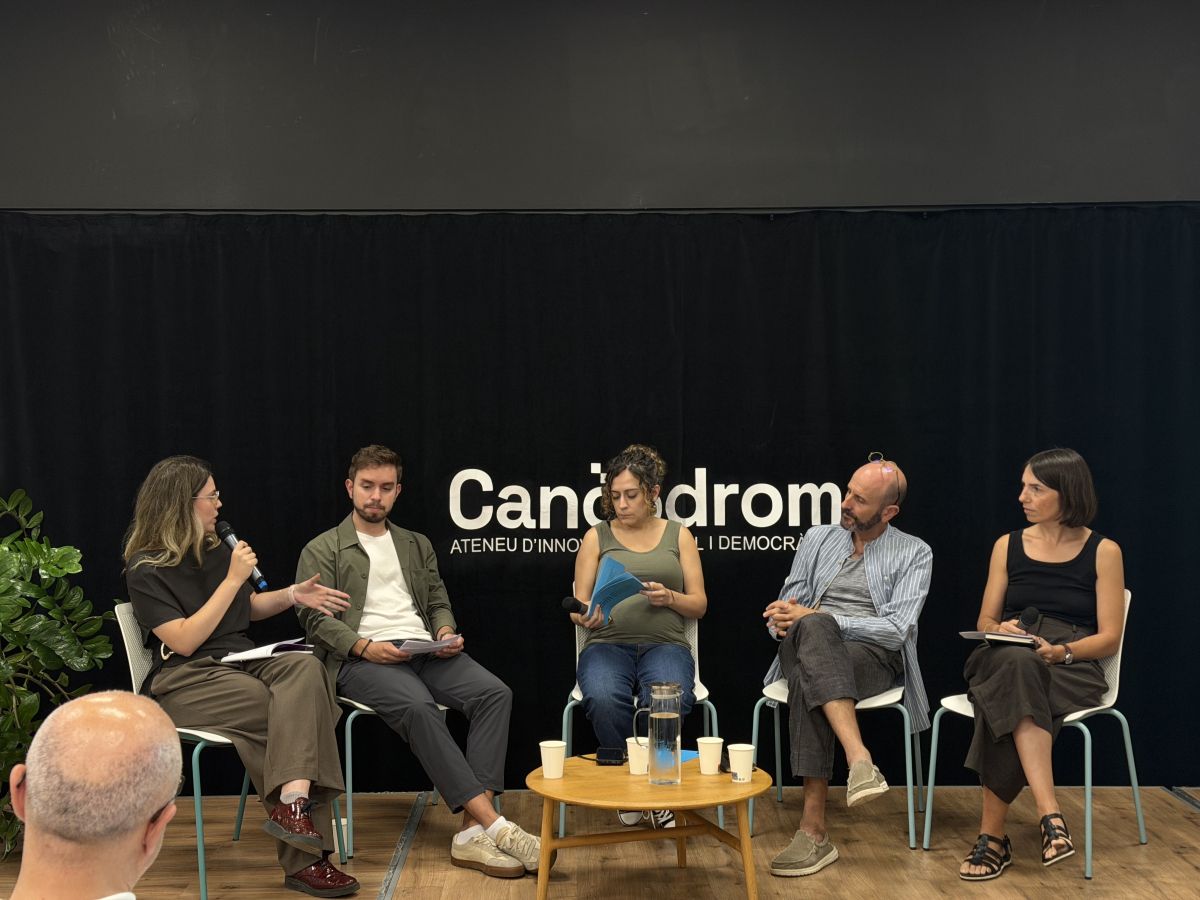
In both cases, the professionals who work there, protagonists of the second part of the conference organized by the PEMB, agree that the knowledge of the residents provides information that often "does not appear in either the plans or the statistics," assures Madalen González Bereziartua, architect and coordinator of the Chair of Urban and Metropolitan Regeneration in Besòs (RUMB). From the university, they have worked with schools and neighborhood entities in the territory to incorporate the knowledge and needs of those who live in the neighborhood every day.
For this reason, they argue, it is necessary to incorporate into the process the perspective of those who know the neighborhood from everyday life and to bridge the gap between technical language, the administration, and the reality of the streets. Laura Inés Braojos, a member of the Madrid Borde Sur architects' collective, points out the need to "translate urban planning processes so that they are "understandable and accessible to residents," especially for groups such as adolescents or the migrant population.
It is a way of working that they have tried to apply to the pilot projects they have developed in the San Cristóbal neighborhood, in the south of Madrid, where the participation of residents has served to incorporate into the project a perspective closer to the needs of the neighborhood. For Braojos, explaining these cases where participation has yielded results is also important to generate trust and show residents that getting involved can generate results.
Alejandro López, from the Madrid Borde Sur collective, also warns that the participation of residents is key so that urban regeneration and transformation processes do not end up causing gentrification and precisely expelling the people who lived there. That the residents themselves help identify the needs of the neighborhood and define the actions can contribute, he argues, to prevent an improvement of the environment from becoming a new source of inequality. Ultimately, the challenge of these transformations is that improving a neighborhood serves to make life easier for those who inhabit it, and not to force them to leave their postal code.
Add The New Barcelona Post as your preferred Google source for free
Stay informed with the latest news.