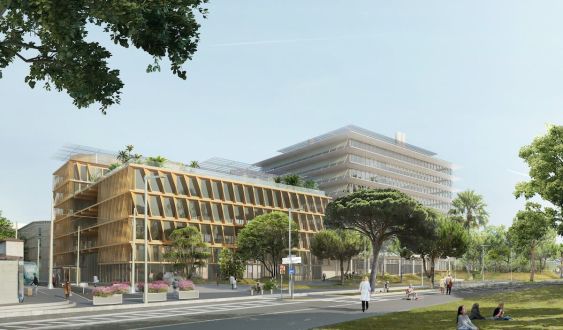
The biomedicine sector represents almost 8% of Catalonia's GDP, and brings together 91 research institutions, more than 1,400 companies, and more than 264,000 professionals, almost all of them in Barcelona and its metropolitan area.
Our city hosts 25% of Spain's biotechnology companies and actively participates in the development of disruptive innovations in health, agri-food, and the environment. Furthermore, Barcelona is among the top three European cities in publications on advanced therapies and in fifth position in clinical trial activity.
In short, we can say without hesitation that Barcelona is among the main European capitals in the biomedical sector.
Because when we talk about economic engines, we still tend to stick to the usual references from the 20th century: the port, the airport, Fira, or the Zona Franca. But today, well into the 21st century, science, innovation, and technology are also economic engines.
In the 21st century, the Barcelona Institute of Science and Technology (BIST), the Barcelona Supercomputing Center, the Barcelona Biomedical Research Park (PRBB), the Barcelona Science Park (PCB), the Alba Synchrotron, or our public universities and hospitals, ranked among the best in the world, among others, are as important, or more so, than the rest.
And this position is no coincidence: it is the result of a municipal commitment, together with other institutions, to science and innovation as economic drivers. A commitment that is not new: the first Barcelona Science program was 15 years ago.
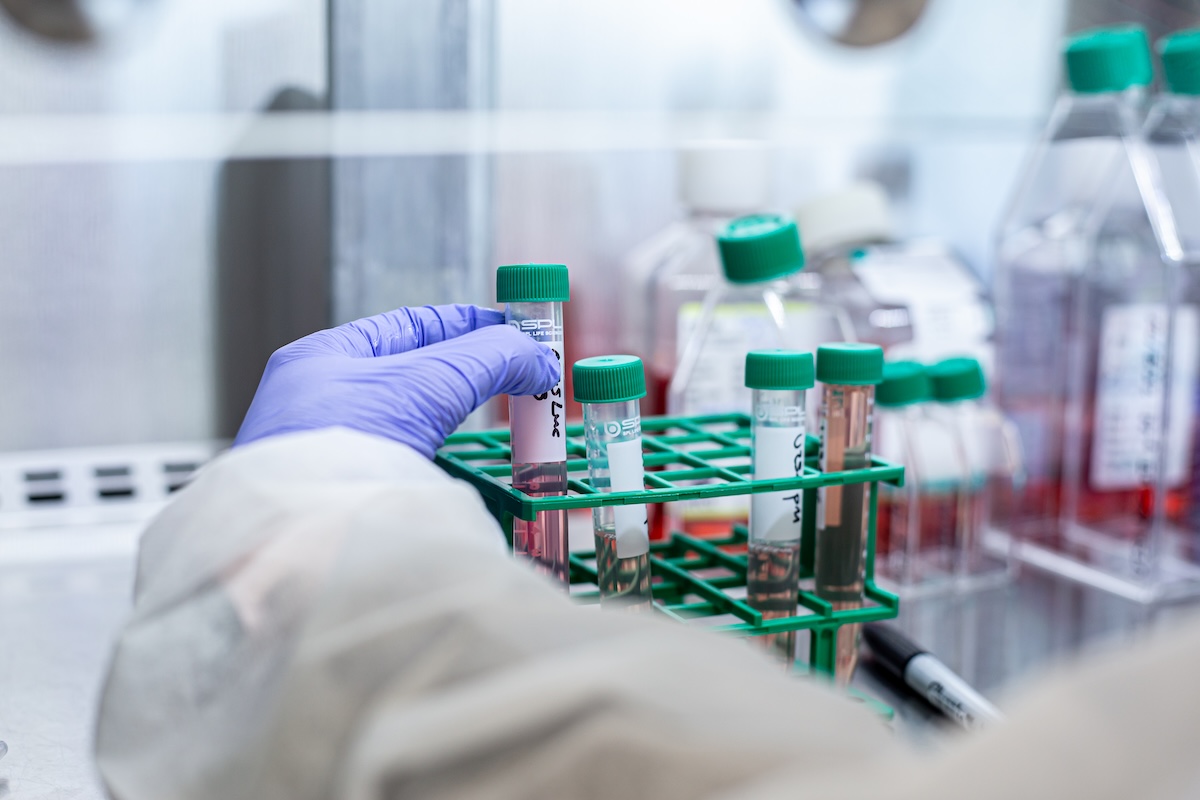
Because as Joan Guinovart, founder and former director of the Institute for Research in Biomedicine of Barcelona (IRB), liked to repeat, "rich countries do not invest in science because they are rich, but rather they are rich because they invest in science."
For this reason, this commitment continues to grow, as demonstrated by the Strategic Plan for Science and Innovation 2023-2027, which will allocate 130 million euros over four years to this area. It will do so in prominent projects such as the Ciutadella del Coneixement, a new science and research hub with the park as its epicenter, consisting of five new buildings where nearly 2,000 researchers will be concentrated, and with an estimated investment of more than 350 million euros. Or the future Health Campus of the Hospital Clínic or the Vall d'Hebron Institut de Recerca, among others.
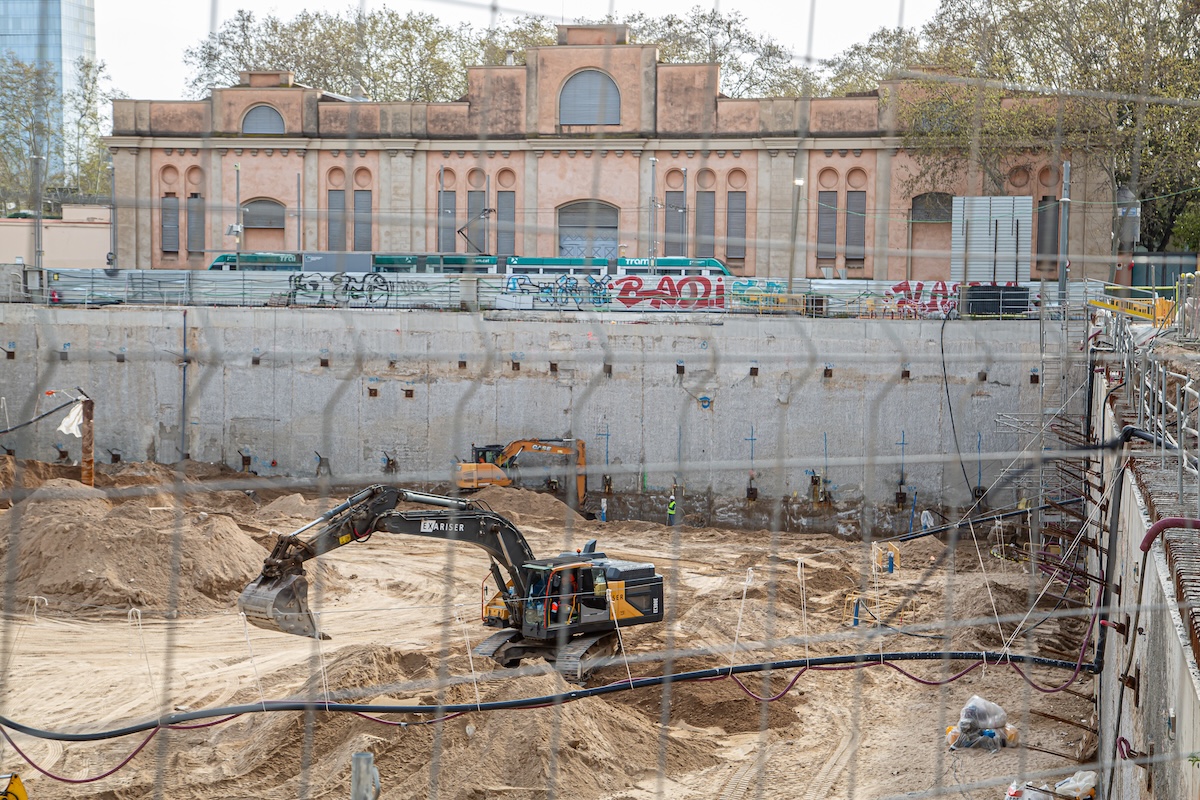
For all this, Barcelona is the ideal place to find talent, to undertake and to grow research and companies in the health sector. And all this will not be possible without public-private collaboration, local talent and that which we attract from outside, and the entrepreneurial drive to transfer knowledge from laboratories to business.
In short, entrepreneurship, ecosystem and public stimulus, the keys to progress and competitiveness, the path to the future.
Add The New Barcelona Post as your preferred Google source for free
Stay informed with the latest news.