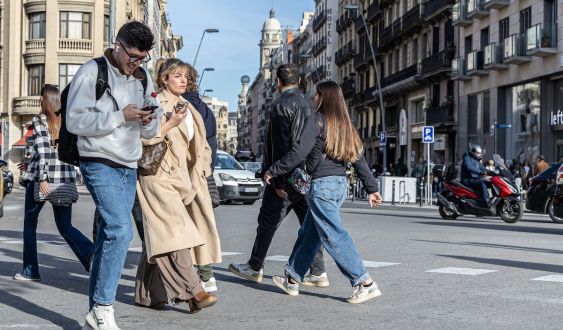
Barcelona wakes up every day as a city open to the world, in a complex dance: 1.7 million residents coexist with nearly a million users and with the millions of visitors who, year after year, choose it as their destination. The city understood decades ago how to approach tourism and turn it into a driver of transformation beyond the sector itself. However, this success gives way to other challenges: how to manage this constant flow to continue generating value, improve the experience of those who arrive and, at the same time, reinforce the quality of life of those who reside in the city, in a complex and necessary balance for the city.
The search for that balance is framed within a reality: tourism has been, and continues to be, one of the catalysts of contemporary Barcelona. The ability to attract visitors has boosted international connectivity; this connectivity has propelled business travel and the city as a benchmark for fairs and congresses, and all that power also translates into more cultural offerings —also for Barcelonians—, scientific facilities, and a dynamic business ecosystem bathed in technology fueled by congresses like the Mobile World Congress.
"Tourism generates a long list of dividends: employment, business, neighborhood commerce, cultural production, festivals, sports, gastronomy, congresses, talent, students, investment," argues Greg Clark, an international expert in cities and urban strategy advisor. But tourism, "above all that, generates connectivity and borrowed scale. The same routes that bring tourists also bring researchers, entrepreneurs, capital, and ideas. Tourism is the entry industry that opens all other doors."
This positive impact also translates into figures: more than 165,000 jobs in the city, and 13% of the GDP, in an economy that aims to be diversified. The impact, however, transcends the sector itself, as it does not move in isolation in the city, but functions as a basic infrastructure that amplifies many other activities, like that engine of urban and economic transformation.
That engine, however, also generates tensions and discomforts, and even more so in a dense city like Barcelona, where "the tension over space is higher than in other cities," according to sources from the City Council. And that's where an element emerges as an essential factor: the management of tourism, focused on preserving coexistence, ordering visitor flows, and trying to facilitate access to housing. Now, the flag in this management is clear: prioritize quality over volume, to maximize the benefits of tourism and minimize negative externalities.
For Clark, tourism management goes beyond the sector itself: "Temporary visitors always expose weaknesses in long-term population management." Thus, he points out that what tourism does is amplify underlying conditions: "where institutions, housing, and the social contract are strong, tourism is catalytic: it accelerates regeneration, cultural exchange, and economic diversification. Where they are weak, tourism is parasitic: it accelerates fragility and inequality."
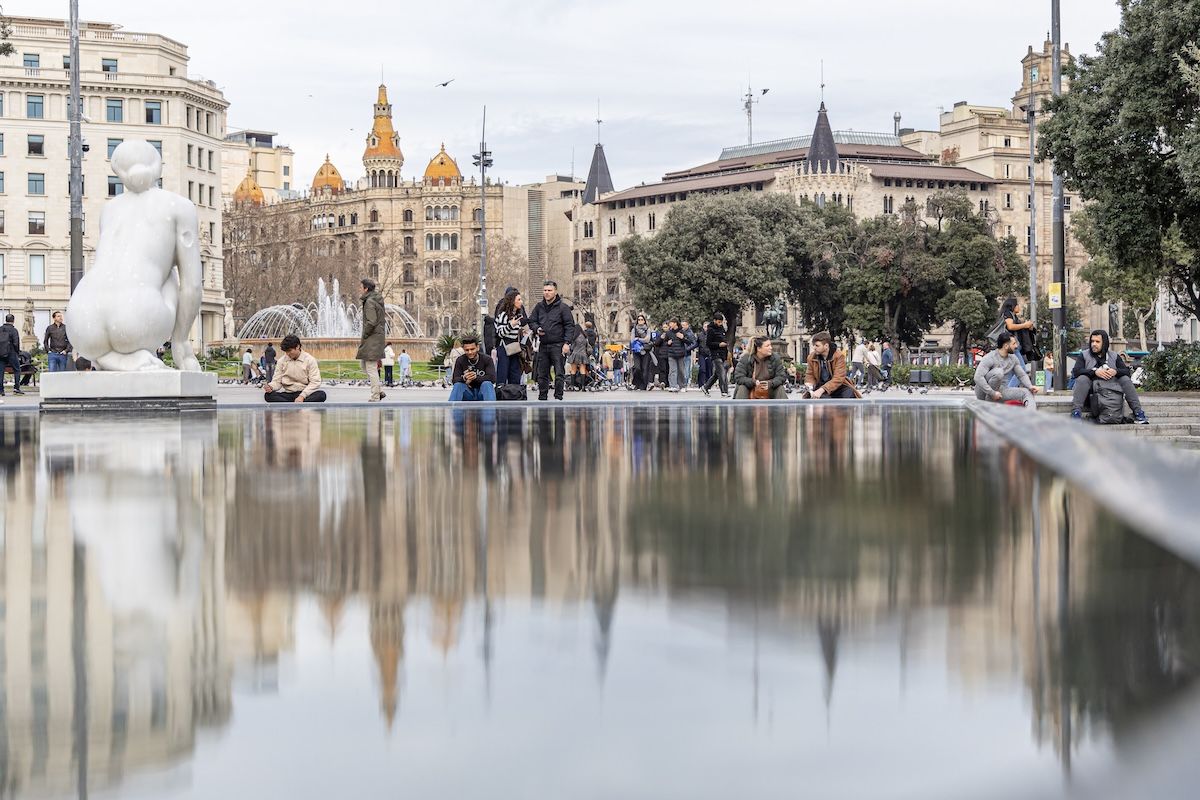
To govern this tourism, Barcelona "has been a pioneer in taking different measures at a European and global level," as highlighted by the City Council. The first decisive step came almost a decade ago, when in 2017 the Peuat (for Special Urban Plan for Tourist Accommodations) was approved, which prohibited the opening of new hotels in the center and limited it in the rest of the city.
From the sector, various voices propose to make it more flexible, especially in particular cases. "It's a shame that it doesn't contemplate exceptional situations, such as in historic buildings that are abandoned and could serve to attract large international brands, to in turn attract the quality tourism we want," highlights Guillermo Vallet from Catalonia H&R. This is a shared vision from Derby Hotels, as its general director, Joaquim Clos, emphasizes: "A city like Barcelona, with great cultural facilities, also needs great hotel brands," he underlines.
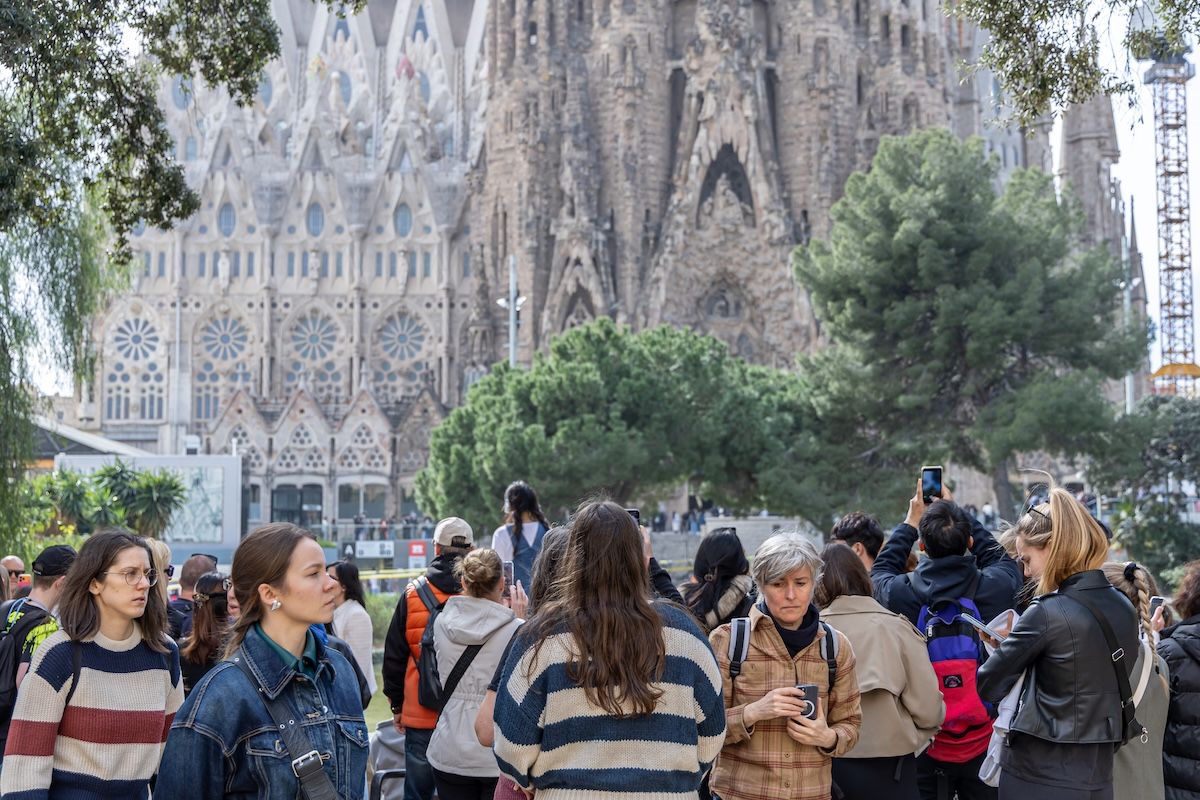
Since the approval of the Peuat, the City Council has promoted multiple measures to manage the arrival of visitors, such as the creation of the figure of civic agents and High-Traffic Areas, zones with a high concentration of visitors where specific management is applied to order flows, reduce the impact on residents, and improve coexistence, with concrete measures ranging from the reinforcement of municipal services to the regulation of tourist groups. They also pursue other less measurable but equally tangible objectives, especially for residents, such as maintaining neighborhood identity and preventing the homogenization of shops and premises.
All measures are accompanied by the maxims of decentralizing and de-seasonalizing tourism, to reduce the concentration of visitors. At this point, Vallet emphasizes that "visitors will not move to another area if there is no interesting pole of attraction, and that is why they must be generated." But what could be one of these new poles? Vallet has a clear candidate: Montjuïc. "It could be transformed into a park, like Central Park in New York. With accessibility improvements, it can be a great green lung that helps us attract visitors and deconcentrate the center."
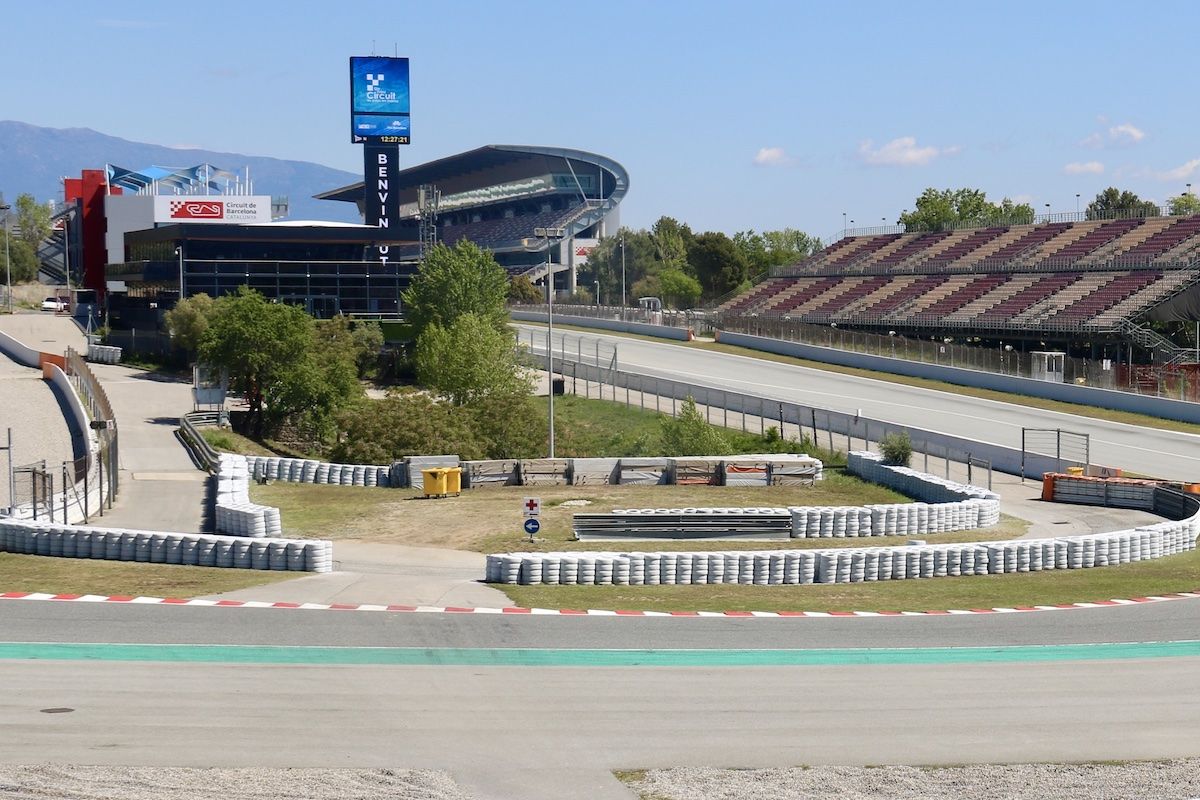
There are many examples that contribute to decentralization. A paradigmatic one is the Circuit de Barcelona-Catalunya, in Montmeló: "We are talking about an internationally projected infrastructure that, moreover, is an example of modernity, innovation, and sustainability located outside the urban center of Barcelona," highlights Constantí Serrallonga, general director of Fira de Barcelona, who took over the management of the circuit last year. In 2025, the infrastructure attracted more than 650,000 visitors, "and that means that tourists generate an economic impact in the regions of Vallès."
However, if decentralization displaces visitors to areas that are not prepared to manage them, it can generate friction, as Clark points out. "Poorly done decentralization shifts the problem. Sending visitors to new neighborhoods or peripheral municipalities without preparing the ground recreates the same pressures that central districts are trying to escape. Well done, it builds carrying capacity before demand and ensures that receiving areas get a real benefit, not residual stress," he emphasizes.
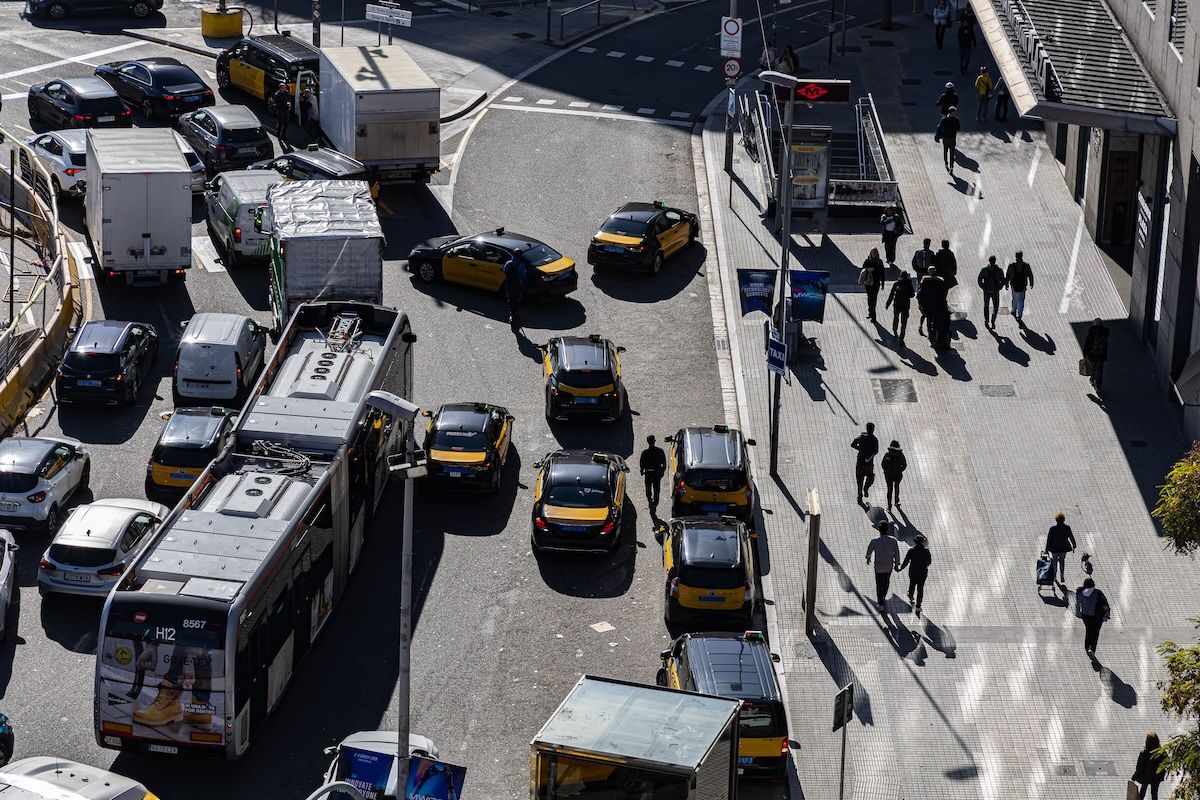
For Barcelona, according to him, "this means thinking in metropolitan terms instead of municipal ones." Vallet also agrees: "We have to have a metropolitan perspective in tourism management," also taking into account the consequences for mobility. In this area, the City Council has also taken measures to minimize the impact of tourism on the mobility of Barcelona residents, such as the Zona Bus 4.0 plan, a digital system to manage the parking and stops of tourist coaches in the city, to regulate their circulation and reduce congestion.
Mobility, in a city like Barcelona, involves coaches, taxis, congested subways, full buses and, also, planes and ships. Cruises are the protagonists of several chapters of this tourism management: in 2018, the City Council and the Port agreed to limit cruise terminals to seven, and to locate them on the docks furthest from the city; a year ago, the agreement went from seven terminals to five. In addition, here the Port and the City Council share a commitment that goes beyond quantity: they seek the cruise passenger who embarks and disembarks in Barcelona, as these are the passengers with the highest added value for the city. These cruise passengers increased last year to reach a home port share of 58%, which placed the number of people who visited the city by cruise at 2.3 million, a 7.6% increase.
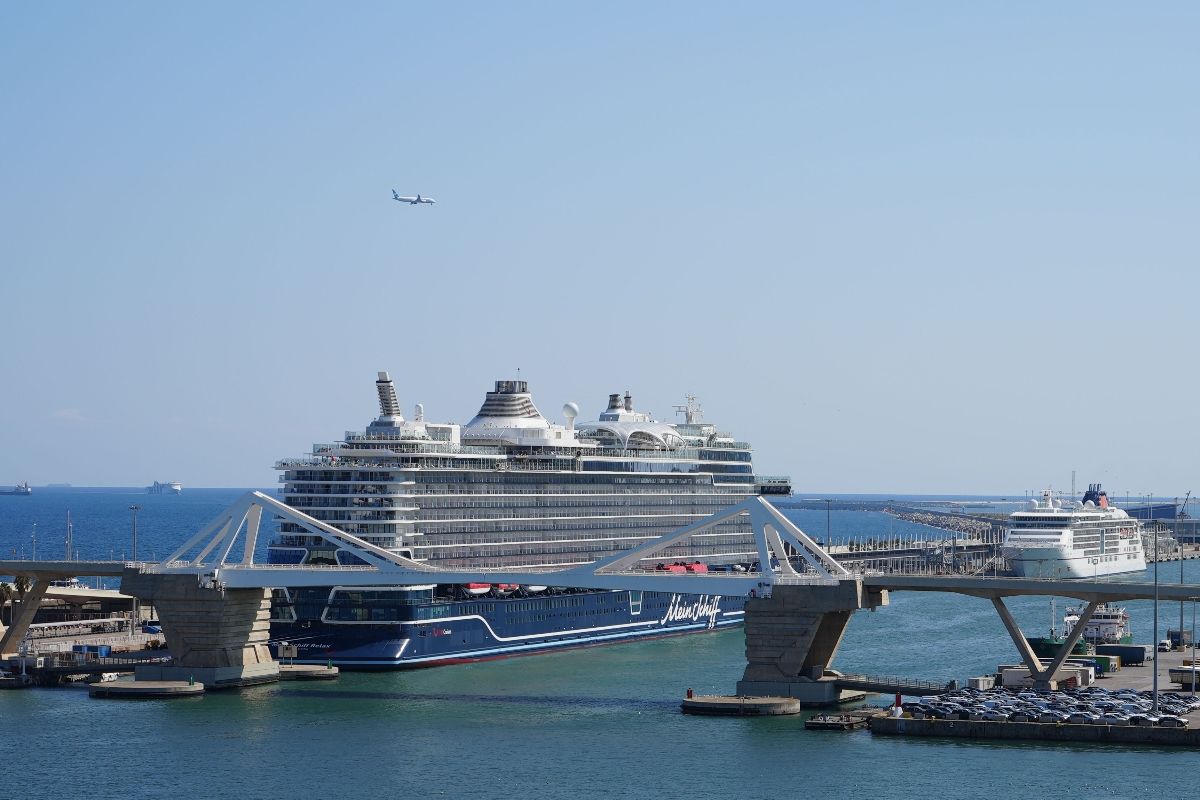
Among them, American cruise passengers stand out for their profile, representing close to 10% of the total. A large part of them opt for premium cruises and for spending a few days before or after in the city, with a higher expenditure than the rest of cruise passengers, both in accommodation (181 euros compared to the average of 103 euros) and in daily expenditure (82 euros compared to 52). Within cruise passengers, those who embark on premium cruises also stand out for their added value, representing another 10% of the total and having a daily expenditure 35 euros higher than the rest.
In addition, cruise passengers must pay a fee when passing through the city, as is the case with hotels. The so-called tourist tax —although officially tax on stays in tourist accommodations—, launched at a Catalan level in 2012, is applied in Barcelona with its own municipal surcharge, and has recently been doubled by a law in the Parlament. With the new regulations, 25% of the revenue will be allocated to housing policies of the Generalitat, while 75% will be integrated into the Fund for the Promotion of Tourism, managed by local administrations.
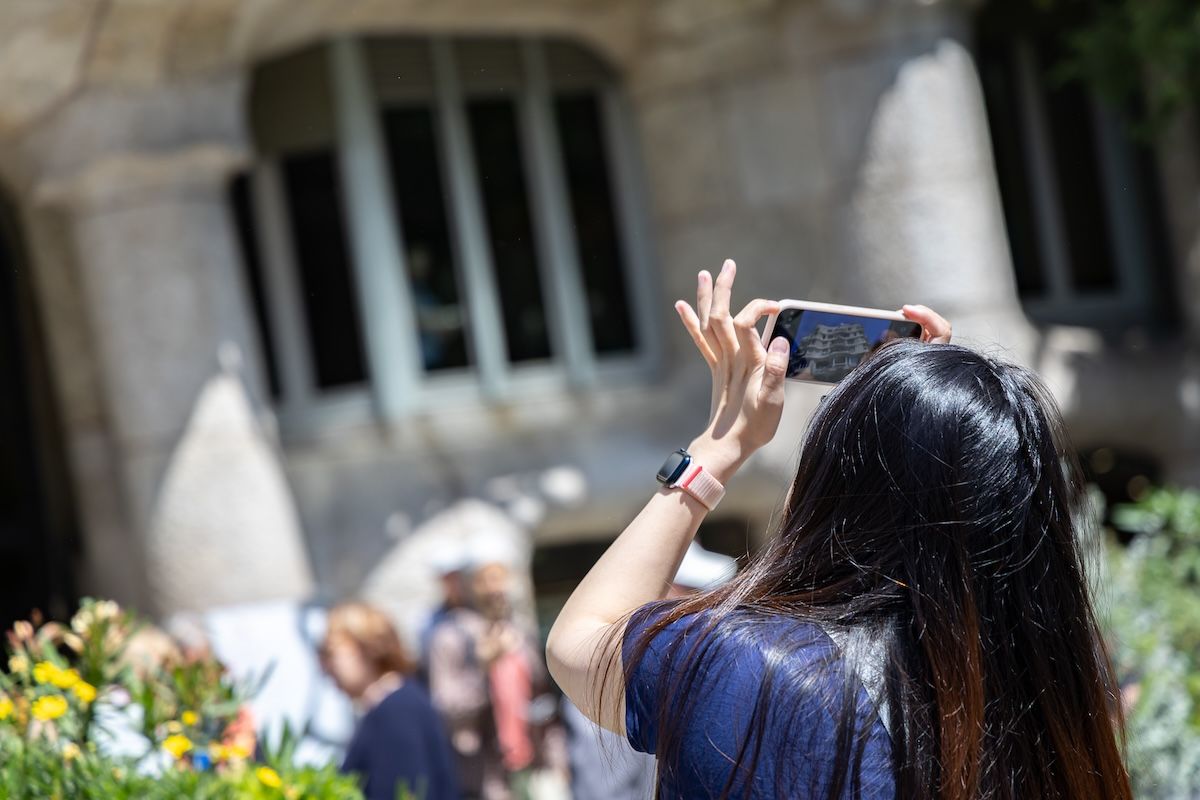
In Barcelona, revenues derived from tourist taxation are already the second source of income for the City Council, reaching almost 150 million euros last year. With these funds, the council promotes projects such as a plan to air-condition the city's public schools with renewable energy. Now, Barcelona's tourist tax is the second most expensive in Europe, only behind Amsterdam. From the hotel sector, Clos and Vallet agree in describing this increase as risky, due to the impact they believe it may have on certain types of tourism, such as trade fairs and congresses.
Another measure promoted by the City Council also has to do with accommodation: in November 2028, all tourist apartments will disappear from the city. The City Council's decision, framed within a package of measures to address difficulties in accessing housing, will affect some 10,100 flats, which will cease to be used for vacation purposes and will become residential. Thus, both legal and illegal ones will disappear, in a measure that sparks critical voices in the sector, which assures that applying it will harm Barcelona's competitiveness and leave it without enough accommodation for large events. From this perspective, proposals arise such as maintaining the legal ones or, at least, entire apartment buildings.
From volume to quality
All these measures are aimed at the same objective: not letting tourism govern the city, but ensuring the governance of tourism to take advantage of its benefits and minimize its negative externalities. Now, this strategy has taken a leap in scale, with the city's determination to stop indiscriminately seducing visitors, and to bet everything on higher quality tourism:one who is interested in culture, in the life of the city, in understanding it, and not just in consuming it."The objective had been to promote the city. Now, knowing the beds available and that we don't want more, what we want is to influence the typology of visitors, and prioritize those who contribute the most," highlights Mònica Martorell from Turisme de Barcelona. From the hotel sector, the commitment is shared: "We already have sufficiently high occupancy rates. What we need to work on is more quality than quantity," defends Vallet. Clos, who celebrates that the sector is in a "good moment in terms of public-private collaboration," points out that "the challenge is to improve tourism from within." And it is that, by receiving tourists differently, tourism also behaves differently, attracting profiles aligned with this strategy.
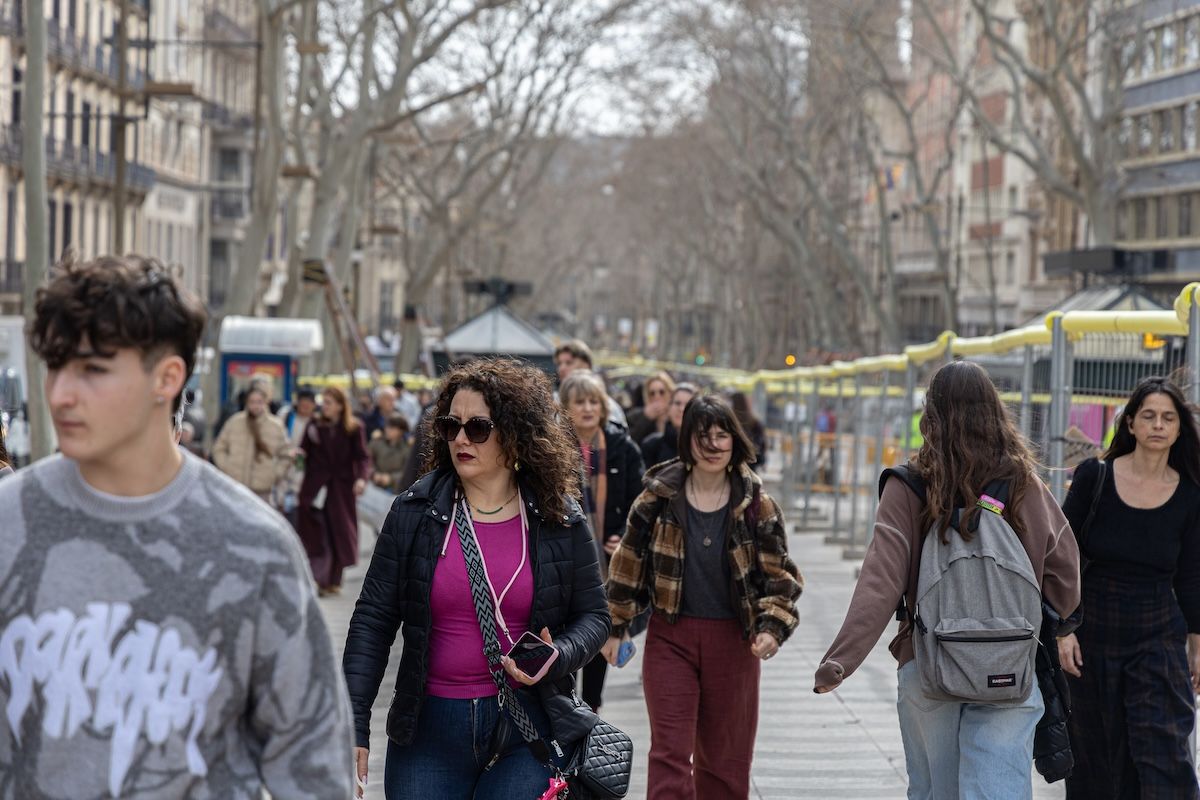
And how are these profiles attracted? One of the great attractions is culture, and that is where Turisme de Barcelona focuses. In this strategy, reflected in the claim This is Barcelona, there are allies both outside and within the sector itself. "We are advocates for Barcelona having a strong cultural offering, in order to attract this type of visitor who has this sensitivity for culture. It is the best positioning to bring visitors and citizens together," defends Vallet. "We are very interested in how Barcelona positions itself as a city and its value proposition" and, to contribute in this direction, the company collaborates with cultural institutions, and also with entities for the labor reintegration of vulnerable groups.
In addition to culture, another attraction that is a magnet for the quality tourism that Barcelona seeks is sport. At this point, the Circuit contributes in this direction, as Serrallonga highlights, and that is that "the profile of the visitor who comes to an F1 or MotoGP Grand Prix is an international profile, with high purchasing power who stays in high-end hotels and visits restaurants in the city," in line with the profile that Barcelona prioritizes.
From quality, to reputation
So much so that "the way a city treats its visitors tells the world how it treats itself," as Clark highlights. "If volume is allowed to exceed carrying capacity, empty neighborhoods, and fracture the social contract, that message will spread globally. If flows are calibrated, residents are protected, and reinvestment is visibly made, so too will trust and competence," he adds. And it goes further, and that is that"tourism management is reputation management.""Cities that intelligently govern flows build international prestige. Those that oscillate between expansion and reactive restriction lose it," warns the expert. This management must be accompanied, according to Clos, by dissemination: "The benefits of tourism must be well explained," he adds, emphasizing the economic sphere and also urban reforms, such as that of La Rambla, and culture: "A museum like the Thyssen would be impossible if we were not a tourist city," illustrates Clos, whose family is also marked by a commitment to culture, with its own projects such as the Museu Egipci or the art collections that fill Derby Hotels establishments.
And here, between the day-to-day management of tourism and the strategic vision, the city moves, while acting as a gateway and a Mediterranean hub. "Without this role, Barcelona would resemble Marseille, Manchester, or Turin: strong regional centers with limited global reach," says Clark. The conclusion, according to him, is clear: "Tourism is the borrowed scale that provides a non-capital city of 1.7 million inhabitants with world-class infrastructure and institutions."
Add The New Barcelona Post as your preferred Google source for free
Stay informed with the latest news.