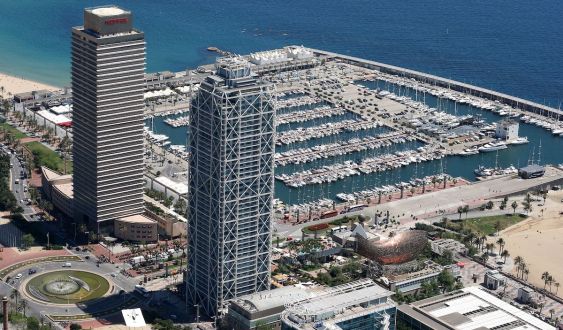
There were 73 days left until the inauguration of the XXV Olympiad. The evidence was inevitable: the elephant was in the room and it had to be discussed in offices on both sides of the Atlantic: those of the City Council, those of the Organizing Committee, those of the developer Travelstead, and those of the Ritz-Carlton chain. The problem was evident: the Arts was not going to be ready for Barcelona'92. The city's flagship hotel had fallen behind the pace of the rest of the Olympic works.
And yet, it opened. Not with all the planned services, much less with the promised five stars. But it opened. And then it closed. And, two years later, it reopened, now finished. To understand how one of Barcelona's most emblematic hotels was born half-finished (and still became a symbol of an entire era), we have to go back a few years to put the Arts, protagonist of the 13th chapter of Hotels with History and Hotel Stories, the series we publish every 15 days in The New Barcelona Post, into context.
A new neighborhood
On October 17, 1986, Barcelona was chosen to host the 1992 Olympic Games. That decision by the International Olympic Committee activated an unprecedented urban transformation. There was a clear objective: to open the city even more to the sea. In that process, the future Olympic Village became one of the key pieces, built on former industrial land in Poblenou.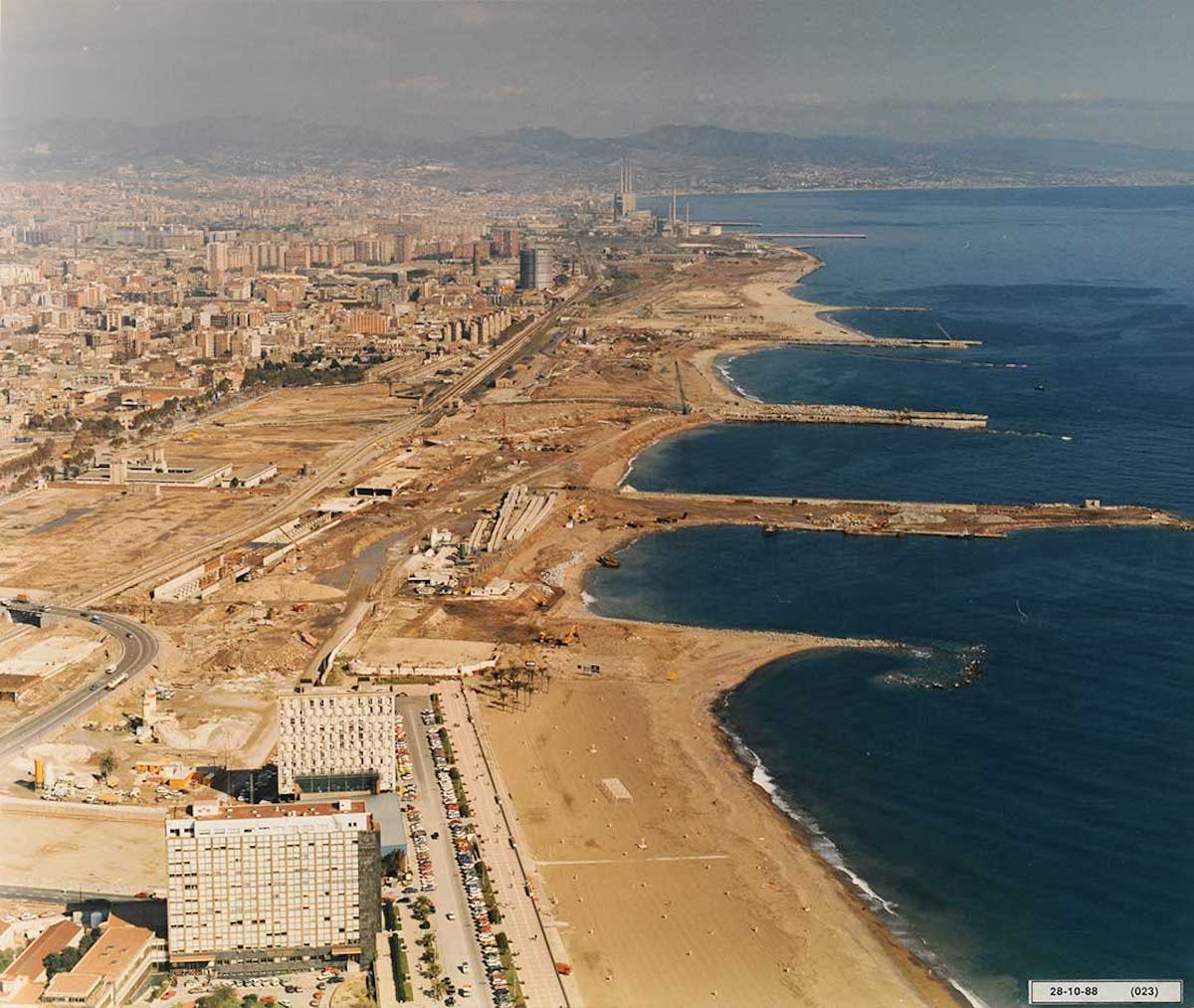
The original planning, signed by architects Josep María Martorell, Oriol Bohigas, David Mackay and Albert Puigdomènech, drew a new neighborhood connected by a large continuous promenade, from Barceloneta to the future Olympic Port. However, in 1988 an element was introduced that would forever change the profile of the coastline: the construction of two large towers, conceived as a symbolic gateway to the new Barcelona.
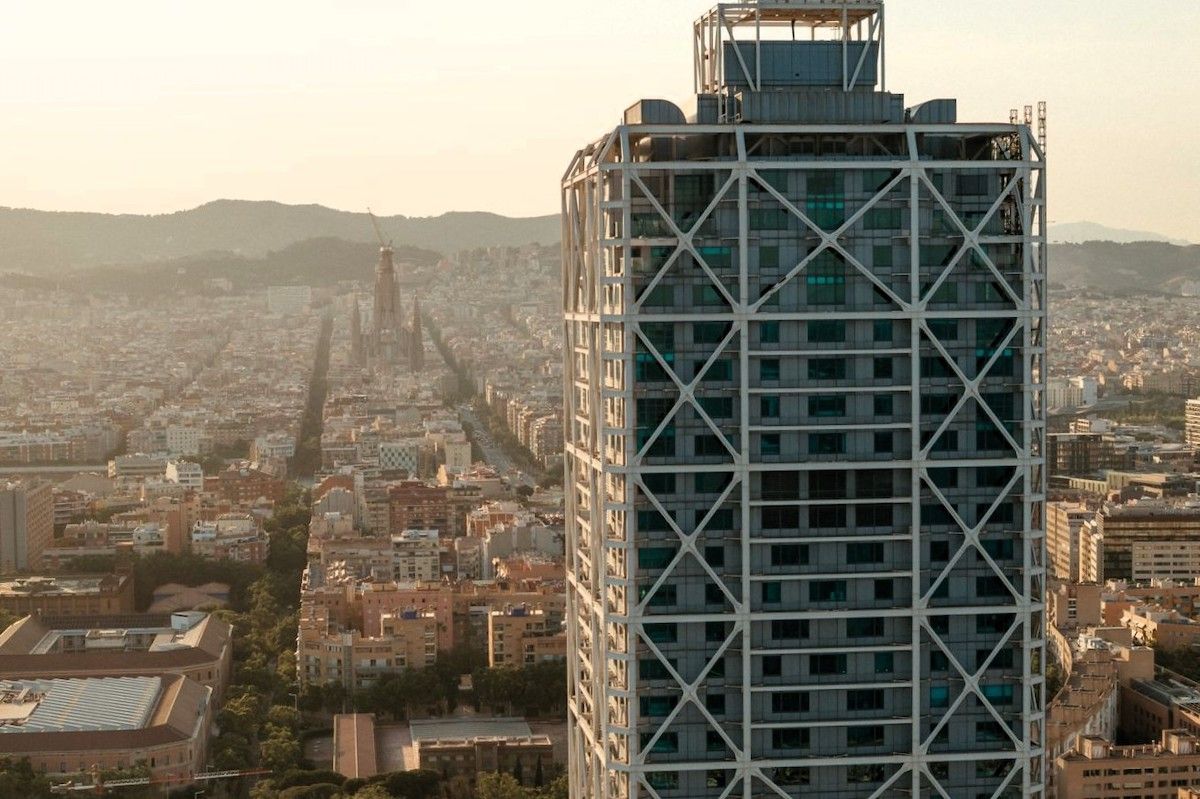
Initially, both towers were to reach about 100 meters in height. However, successive modifications to the project raised them to 153.5 meters, making them the tallest buildings in Spain at that time. A growth of more than 50 meters that contrasts, curiously, with the case of the Hotel W Barcelona (protagonist of the third chapter of this series), whose height had to be drastically reduced after a long urban battle. Two very different ways of negotiating Barcelona's skyline at two different historical moments.
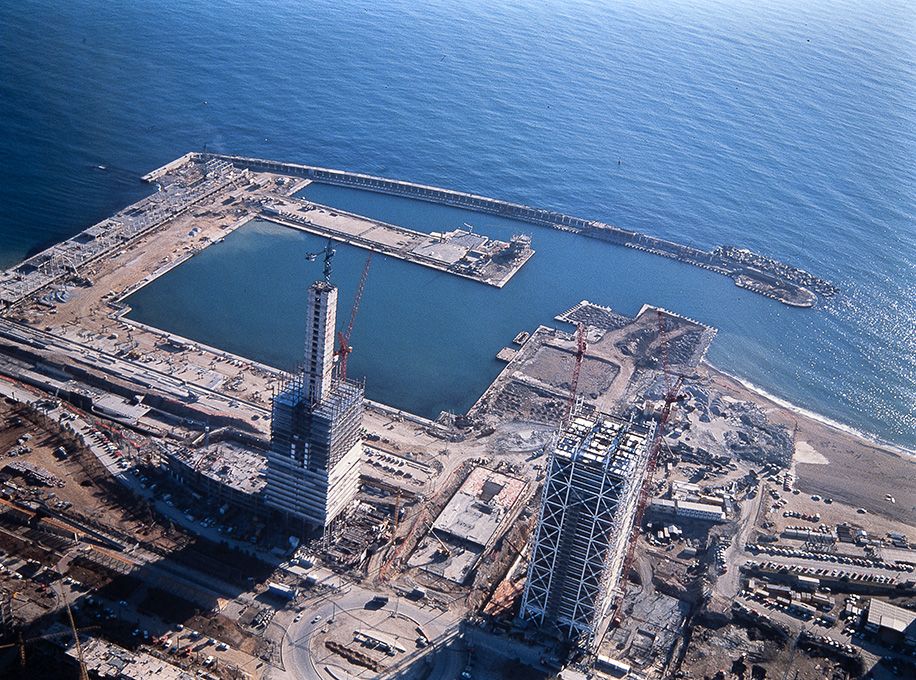
The hotel commission fell to architect Bruce Graham, a veteran figure from the Skidmore, Owings & Merrill studio in Chicago. His proposal opted for a 44-story tower with a visible exterior metal structure, with a high-tech aesthetic, which radically contrasted with the city's architectural tradition.
And also something by Frank Gehry
At the foot of the skyscraper-hotel, the project also incorporated an intervention by Frank Gehry, who in 1989 had just received the Pritzker Prize. Gehry designed a commercial and landscaped complex open to the sea, presided over by a large metallic fish-shaped sculpture whose shine changed throughout the day and which soon became one of the visual icons of the Olympic city.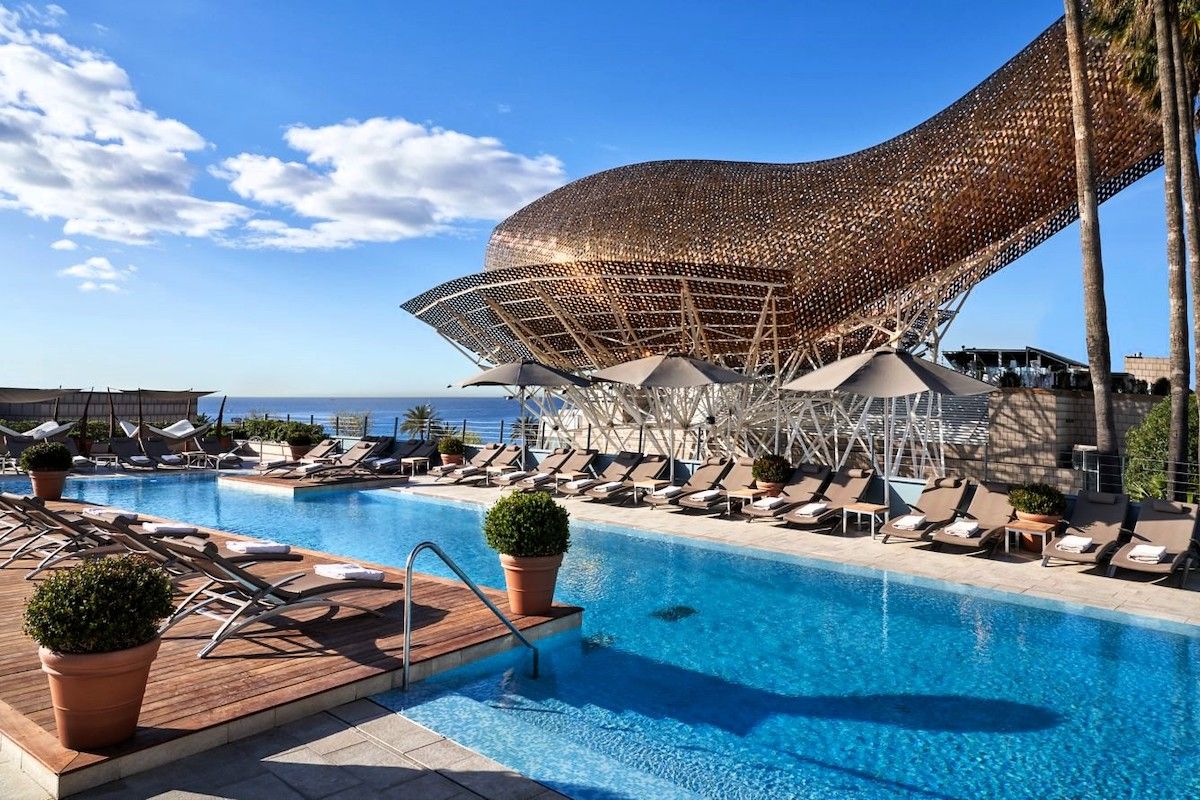
Works began in February 1990 and progressed at great speed. In just thirteen months, the building reached its maximum height. Its neighbor, the future Torre Mapfre, was topped out somewhat later. The new "twin towers" on the coast were thus consolidated as one of the great symbols of the city that was about to present itself to the world.
The Arts project was promoted by the American group Travelstead, with the financial participation of the Japanese Sogo Company Ltd., and management was awarded to The Ritz-Carlton Hotel Company. The ambition was maximum: more than 450 rooms, luxury suites, duplex apartments on the upper floors and a wide range of dining and leisure options. However, the reality of the work prevailed.
During the summer of 1992, the Arts began operating with only a part of its floors in operation, while the rest of the building was still under construction. Ritz-Carlton was the most reluctant to launch it, as its first European hotel was not going to live up to its American counterparts: in addition to space limitations, it started with four of the five promised stars.
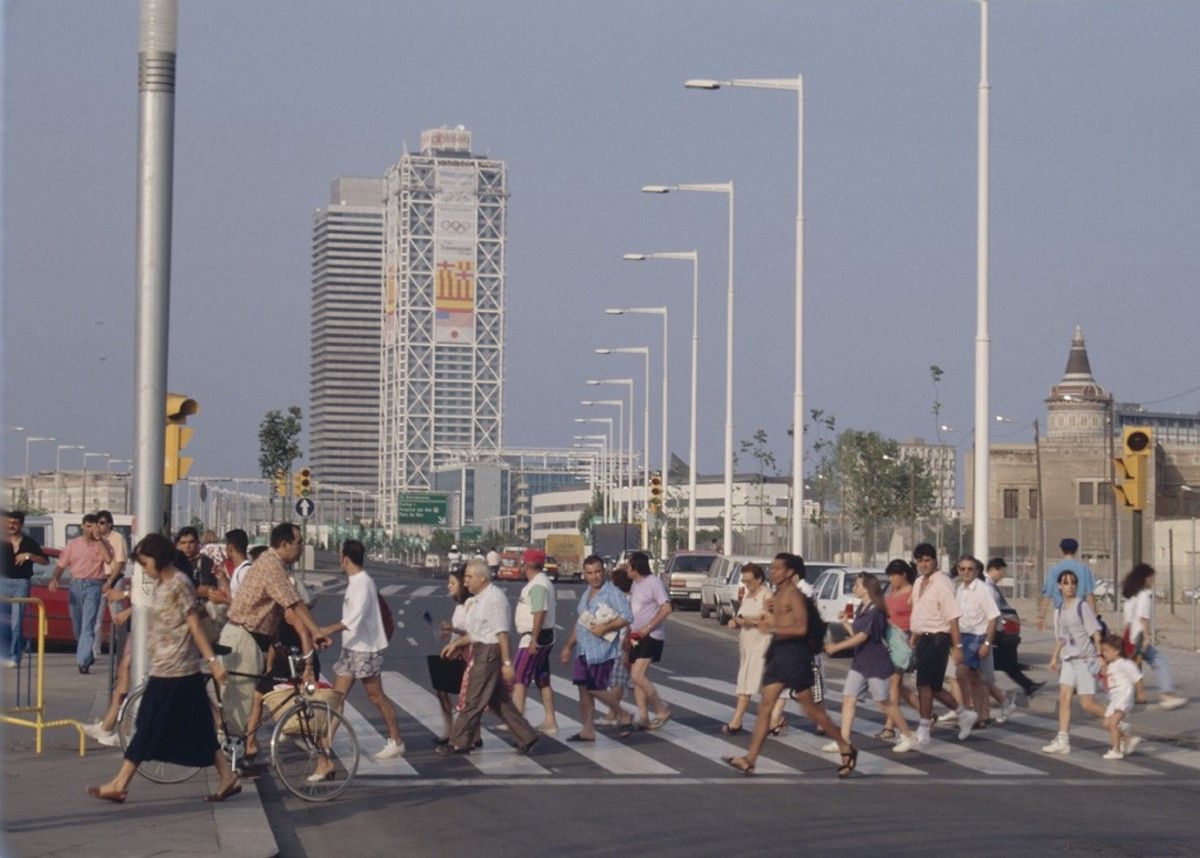
At its feet, the commercial complex promoted by Sogo tried to make its way as a new international leisure hub. There, some time later, one of the great symbols of global culture of the time landed: Planet Hollywood. For a time, that themed restaurant represented like few others the spirit of the nineties: spectacular, international and deeply optimistic. The inauguration was attended by figures at the peak of their careers such as Sylvester Stallone, Demi Moore, Bruce Willis, Arnold Schwarzenegger, Cindy Crawford and Elton John, among others.
After the euphoria, reality
The economic crisis of the mid-nineties reduced demand, and Barcelona was not yet the global tourist destination it would become years later. The luxury commercial model of big brands linked to Sogo did not quite work, and both the galleries and Planet Hollywood itself gradually lost strength until they disappeared.The hotel, for its part, temporarily closed to complete the works. It was not until 1994 when the Arts Barcelona fully opened, already finished and operating as the grand luxury establishment it had been conceived to be from the beginning. Along the way, Travelstead was left behind, eventually suspending payments and putting another promising initiative on hold: the Sagrera station designed by Norman Foster for a high-speed train that would still take decades to reach the city and, in fact, still does not stop at Sagrera (although this already exceeds the history of the Arts).
Luxury resort facing the Mediterranean
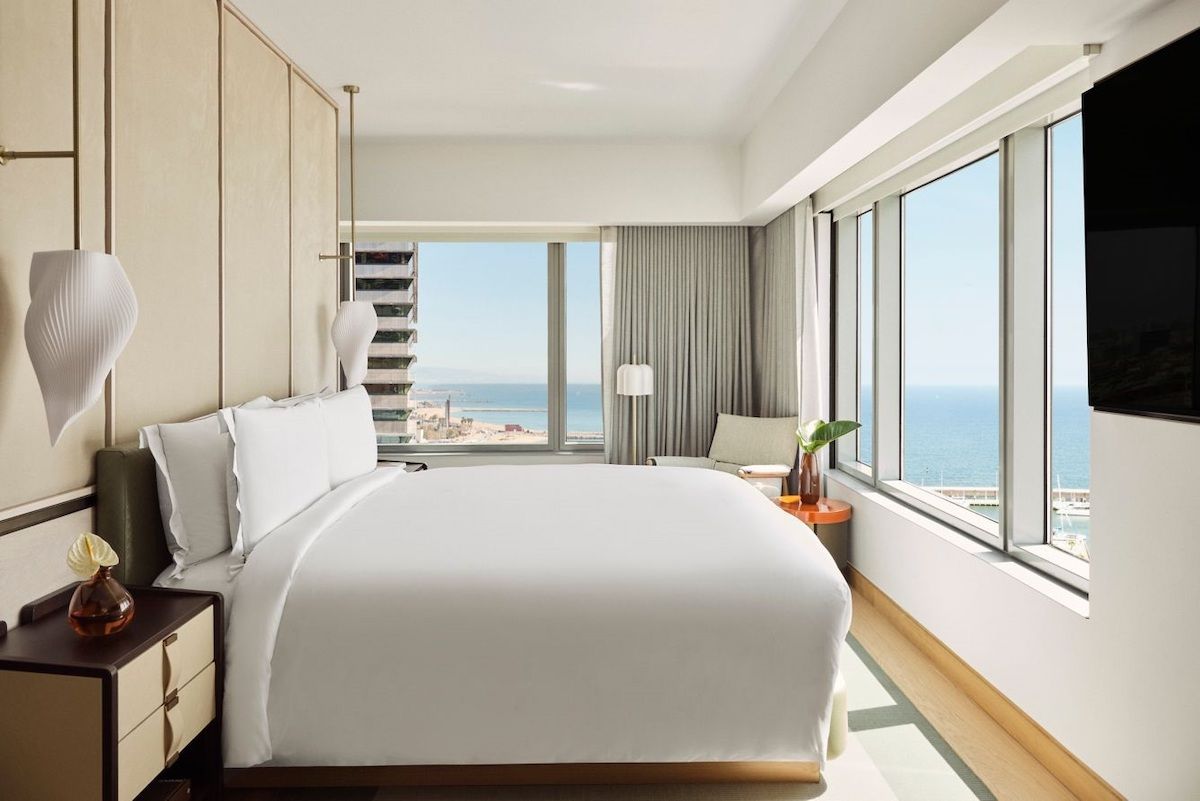
Already operating at 100%, it was confirmed that Barcelona had never had a hotel like this facing the sea. Until then, luxury had been essentially urban, elegant, and classic. The Arts introduced another scale: large volumes, open views of the Mediterranean, global services, and an experience that connected directly with international standards.The hotel also incorporated a clear artistic vocation, integrating works by contemporary creators into its spaces and reinforcing its identity as a place where architecture, art, and hospitality dialogued. It continues to do so in all its spaces. It quickly became the reference accommodation for major international figures passing through the city. Musicians, actors, athletes, and businessmen found in its suites a discreet refuge facing the sea, on par with the great European capitals. The list of personalities is very long.
Over time, the hotel accumulated stories that are now part of its legend. Most, as is bound to happen in hotels, remained within its walls, among the staff and guests, although some specific ones have transcended, such as the one starring the Dalai Lama.
After a stay at the hotel, he and his entourage left a significant unpaid bill. What amounts to a five-star "dine and dash." Faced with the lack of response from local organizers, the then-director of the establishment decided to resort to a solution as unexpected as it was effective: writing directly to actor Richard Gere, known for his closeness to the Tibetan spiritual leader. The effort was successful, and the bills were finally settled.
Very different was the case of magnate Lakshmi Mittal, who on one of his visits to Barcelona came to reserve practically the entire hotel, turning it for a few days into an almost private space for a family event. Two opposite episodes that well illustrate the type of clientele and stories that have passed through the Arts.
Meanwhile, the hotel's surroundings have also evolved. The old commercial space transformed over the years, and the consolidation of Casino Barcelona helped turn the Olympic Port into one of the city's great leisure centers during the nineties and early two thousands, with ups and downs that today seem to have recovered.
One of the hotel's untold stories has nothing to do with guests but with a unique circumstance and one of the characters with economic weight in current Barcelona: Xavier Faus. After Travelstead's bankruptcy came Sogo's, and the Arts was put up for sale in 2001. At 36 years old, the Barcelona lawyer led a group of Spanish investors who ended up acquiring the hotel. The 9/11 attacks that year influenced the operation. Five years later, the hotel's ownership was sold to another investment group, breaking a record in sales in Spain, a story that warrants a long, also historical, article that goes beyond the hotel.
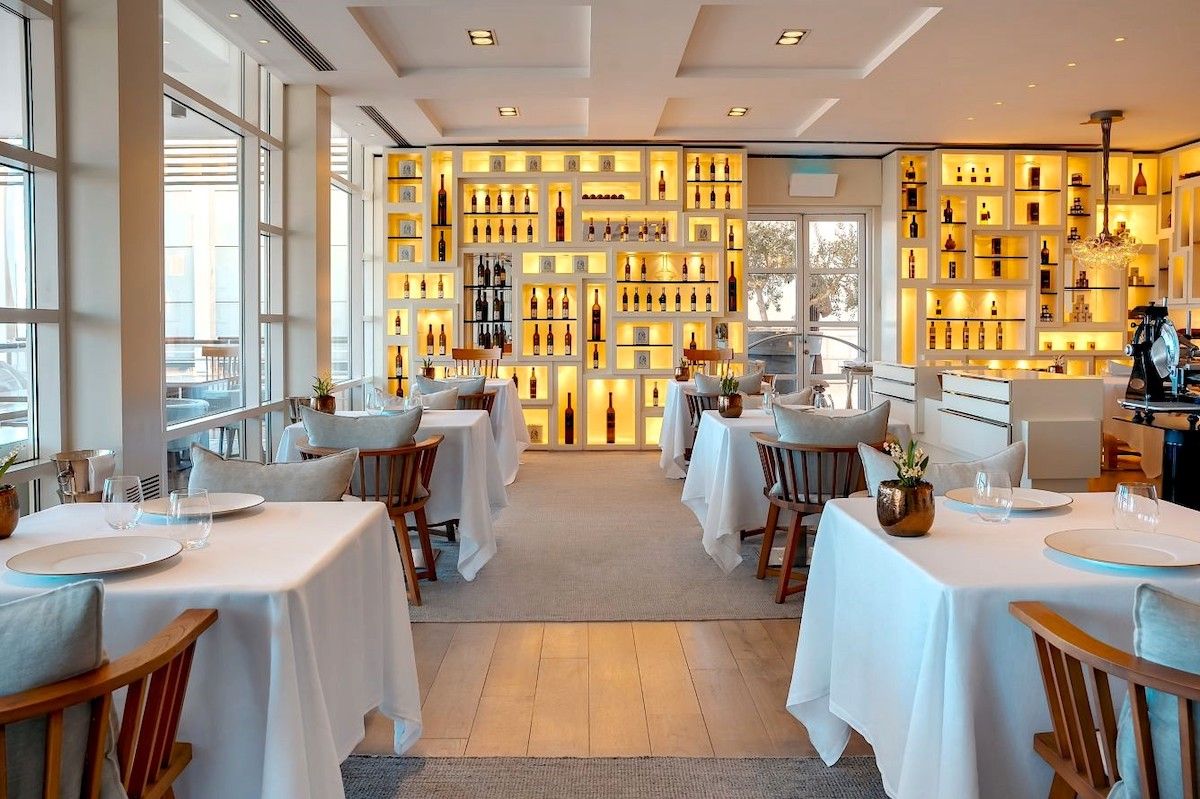
With the turn of the century, Barcelona definitively consolidated itself as a global tourist destination. In this new scenario, the Arts went from being an ambitious bet to becoming a contemporary classic that has recently updated its interior and continues to offer exclusivity and even Michelin-starred restaurants. Although more than history, this is the current reality of the hotel that consolidated Barcelona among international travelers.
Add The New Barcelona Post as your preferred Google source for free
Stay informed with the latest news.