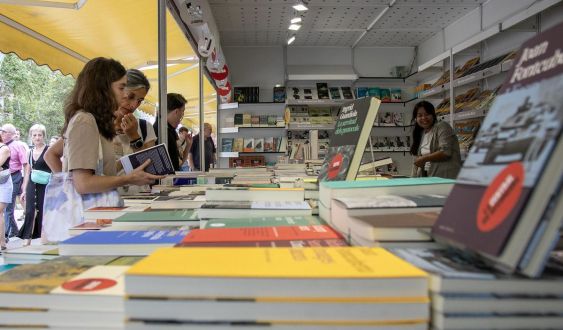
A space for reading and calm. To stop and carefully select what the next reading will be, without haste and without having to end up judging (and choosing) a book by its cover. To discover the latest editorial novelties to bring them closer to municipal libraries and fill trolleys with new proposals. Of reunions between readers and those authors they know so well through their words. But also a space for the vindication of the exciting habit of reading and the diversity and richness of Catalan literature. With these multiple objectives, La Setmana del Llibre en Català has been installed, one more year, in 8,900 meters of the Lluís Companys promenade, near the Arc de Triomf.
It has done so in a maximum edition, expanding the number of stands and activities. And in a festive atmosphere, since this year the literary event, accustomed to being held at the beginning of September, once again coincides with La Mercè, a time of year when Barcelona breathes popular culture, music and, now also, literature in Catalan. In total, 265 publishing houses and bookstores are represented, until September 28, in 94 stands during the great Catalan book event.
Although Sant Jordi continues to dominate in terms of sales and turnover —since this year more than 26 million euros in turnover and 2 million copies sold were exceeded during the day of the book and the rose—, it is during La Setmana when readers find a space of calm and connection with their favorite authors and with an essential figure for the literary industry, but who often remains relegated to the shadows: the editors.
"As editors, we need to find more spaces to be able to talk at length with readers, to see how they have received or what emotions the books to which you have dedicated so many hours have awakened in them. La Setmana allows this more direct contact and also becomes a way of vindicating the value of our work," says Marta Moreno, editor of Ara Llibres. This encounter, between those who make books possible and those who enjoy them, is the space that La Setmana has tried to encourage since 1983, the year it was first held.
In its more than forty editions, La Setmana has also become a thermometer of the state of literature in Catalan. A thermometer that shows symptoms of the sector's good health, but still detects a large margin for improvement. In fact, although the Barometer of Reading Habits and Book Purchases in 2024 underlines that 68.2% of Catalans have the habit of reading, only 34.6% usually do so in Catalan, while Spanish continues to prevail, with 63.1% of readers habitually reading in Spanish.
Despite the overwhelming data, among readers and publishers gathered at La Setmana, a certain feeling of hope is palpable. Hope for Sant Jordi figures that reaffirm the greater presence of Catalan: with 52.3% of copies sold in Catalan. In addition to hope for the latest data from the Catalan literary industry, data that led the Gremi d'Editors de Catalunya to describe 2024 as the best year in the history of the Catalan publishing sector. Last year, copies worth 260 million were sold. Of these, about 80 million euros had been invested in books written in Catalan.
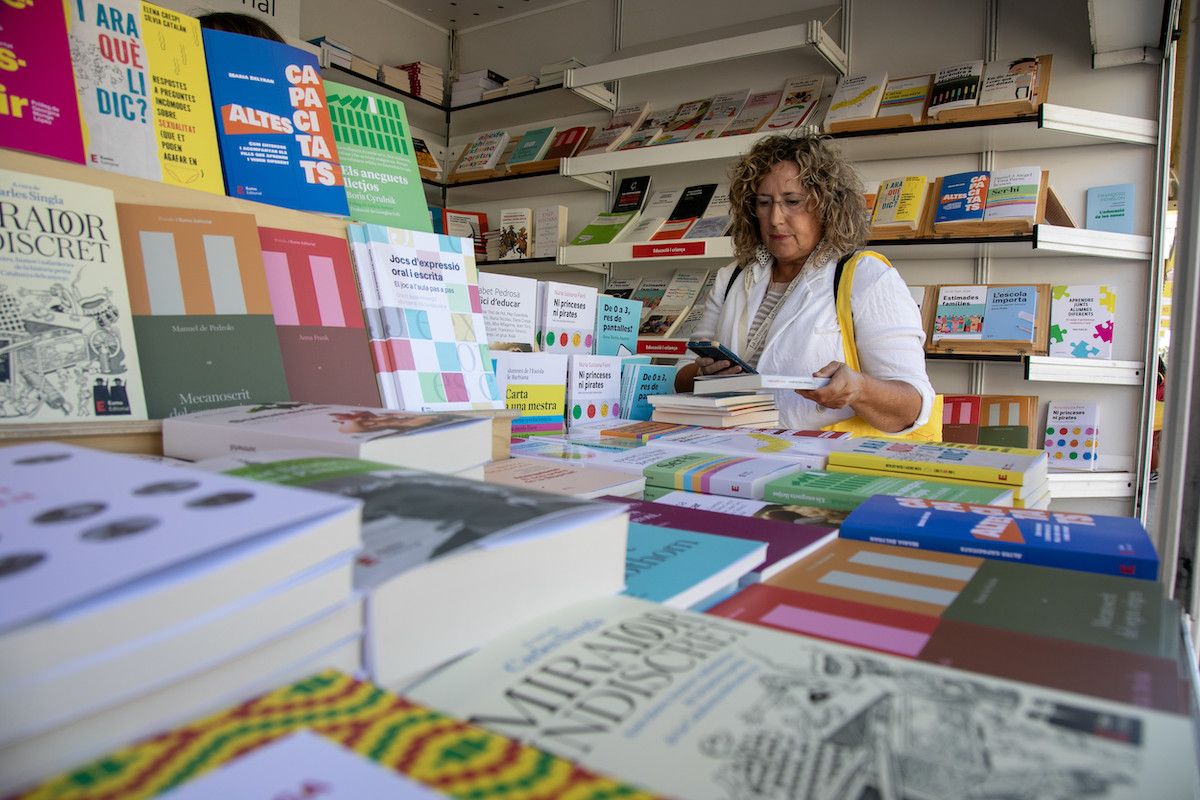
Also hopeful for a generation that, however much it seems dominated by mobile phones, short videos, and quick messages, is committed to reading. And it does so by betting on Catalan. According to the same report, 45.3% of young people between 14 and 24 years old habitually read in Catalan. For this reason, the family and youth audience is another of the big bets of this year's edition of La Setmana, with more than half of the stalls betting on or trying to reach this type of audience, to ensure that they maintain the habit of reading in Catalan throughout their reading life.
Stands like that of the Finestres publishing house, founded in 2021 and based in the Finestres bookstore, which is committed to publishing only comics for all audiences in Catalan. "In Catalonia, we have a strong tradition of reading comics, but we struggle to find copies that are written or translated into Catalan," laments Octavi Botana, editorial director of Finestres. A lack of copies that this initiative precisely aims to combat. Throughout the year, the publishing house releases ten new titles, including translations of contemporary foreign authors, recovered international classics, and, as could not be otherwise, Catalan authors. At the Setmana del Llibre en Català, they arrive with two new releases: : La senyora Marga i els vampirs, by Javier Pérez Andújar and illustrated by Raquel Gu, and Fibi, by Jerémie Moreau.
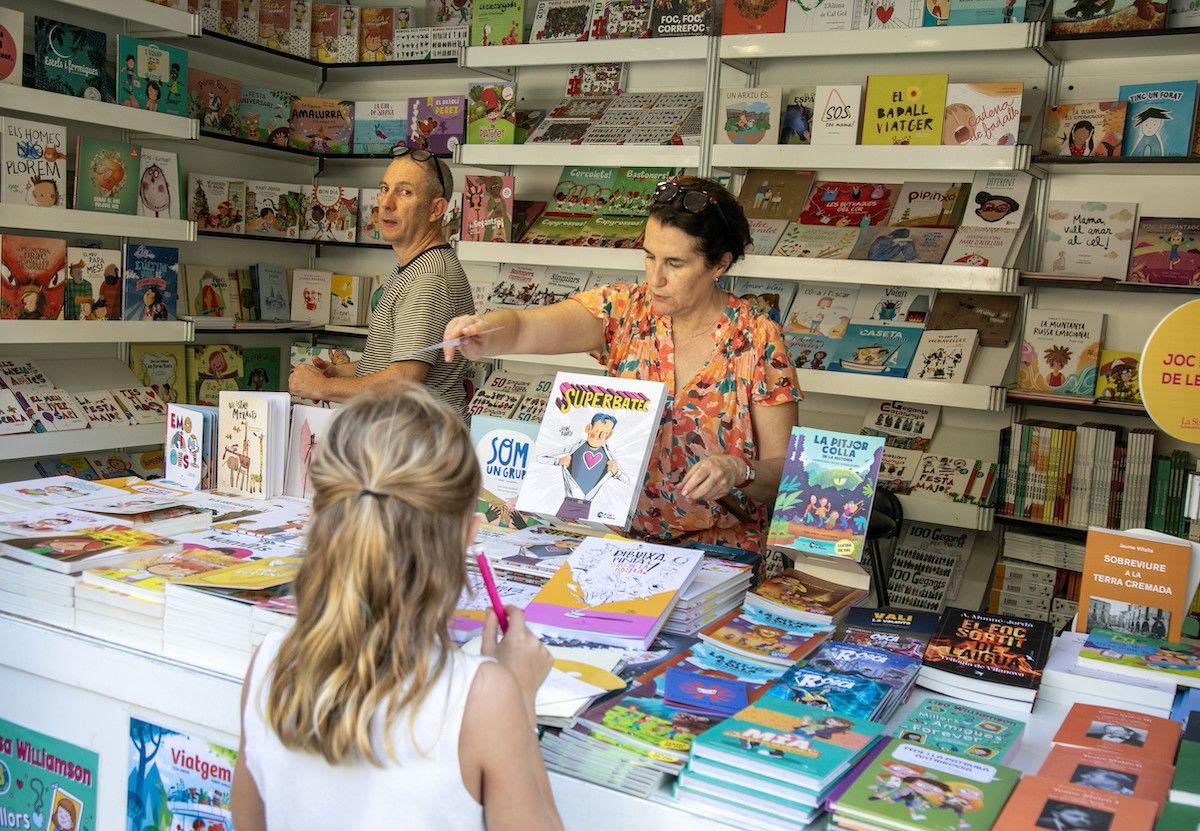
Just like comics, precisely one of the keys that publishers emphasize as essential for increasing the number of readers in Catalan is to offer titles of all genres and tastes. "The Catalan reader wants, like any other reader, to read all genres, and we, the writers and publishers, are responsible for offering them this variety," commented writer Jaume Clotet in one of the many conferences held within the framework of La Setmana.
A literature that is capable of attracting all types of audiences, but also of representing the different realities of Catalan society. Precisely, the JANDE publishing house was founded in January of this year by Aissata M'ballo and Diana Rahmouni to compensate for the underrepresentation of racialized voices or those of migrant descent in Catalan literature. "Voices that have difficulty accessing the Catalan publishing sector, whether due to their skin color, their origin, or their race," laments M'ballo.
Born at the beginning of the year, the publishing house is participating for the first time in La Setmana del Llibre en Català, an opportunity, they say, for Catalan readers "to get closer to these voices that write in Catalan and that are also part of Catalan literature," defends M'ballo. The publishing house presents itself at La Setmana with the five titles published so far, which include both Catalan authors, such as Fàtima Saheb or Youssef El Maimouni —an author who until now had written in Spanish and who at La Semana presents his first novel in Catalan— and international authors translated into Catalan, such as Sheena Patel or Mariama Bâ.
Catalonia, engine of the literary industry
The JANDE publishing house is just one of multiple examples of small and independent publishers that exist in Catalonia, and that find their place in La Setmana del Llibre en Català. Small publishers that manage not only to survive, but even to consolidate themselves in a powerful Catalan literary industry dominated by big names like Planeta or Penguin Random House. A Catalan industry that, in fact, has become the great engine of the industry on a Spanish scale: concentrating 70% of the editorial production of the entire State.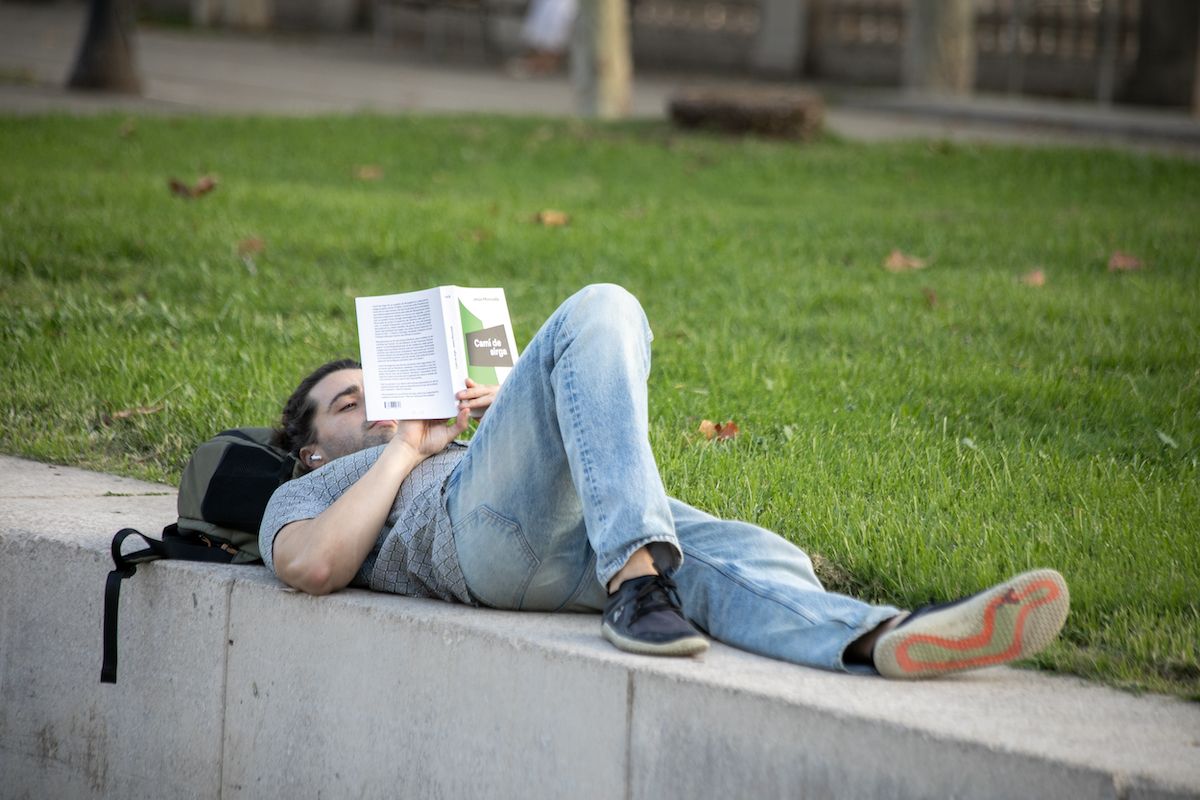
Publishers like Seix Barral, Destino, Salamandra, or Alfaguara have their headquarters in Catalunya under the umbrella of groups like Penguin or Planeta, alongside smaller and even cooperative publishing houses. The Catalan sector closed last year with a turnover of 840 million euros and already employs 35,000 people. All in all, Barcelona has become one of the reference literary cities, not only because its streets have inspired thousands of authors, but also because it has become a city from which high-quality literary works are produced, sold, and consumed. So much so that this year it will be the guest city of honor at the Guadalajara International Book Fair (FIL), the most relevant literary gathering in Ibero-America, which will feature more than 700 authors from about fifty countries.
The hope of booksellers and publishers, as well as the organizers of La Setmana, is that all these figures, which demonstrate the sweet moment of the Catalan literary industry, will also translate into an increase and defense of writing and reading in Catalan. "Readers want to read and they want to do it in Catalan. Publishers and authors must work to offer them titles of the highest literary quality and of all genres so that they do not have to resort to reading in other languages," defended Marta Moreno, editor of Ara Llibres. For this reason, the reference non-fiction publisher in Catalan has also taken advantage of the literary event to present its new collection, [cápsula], focused on short essays in Catalan, a genre still little cultivated by local authors.
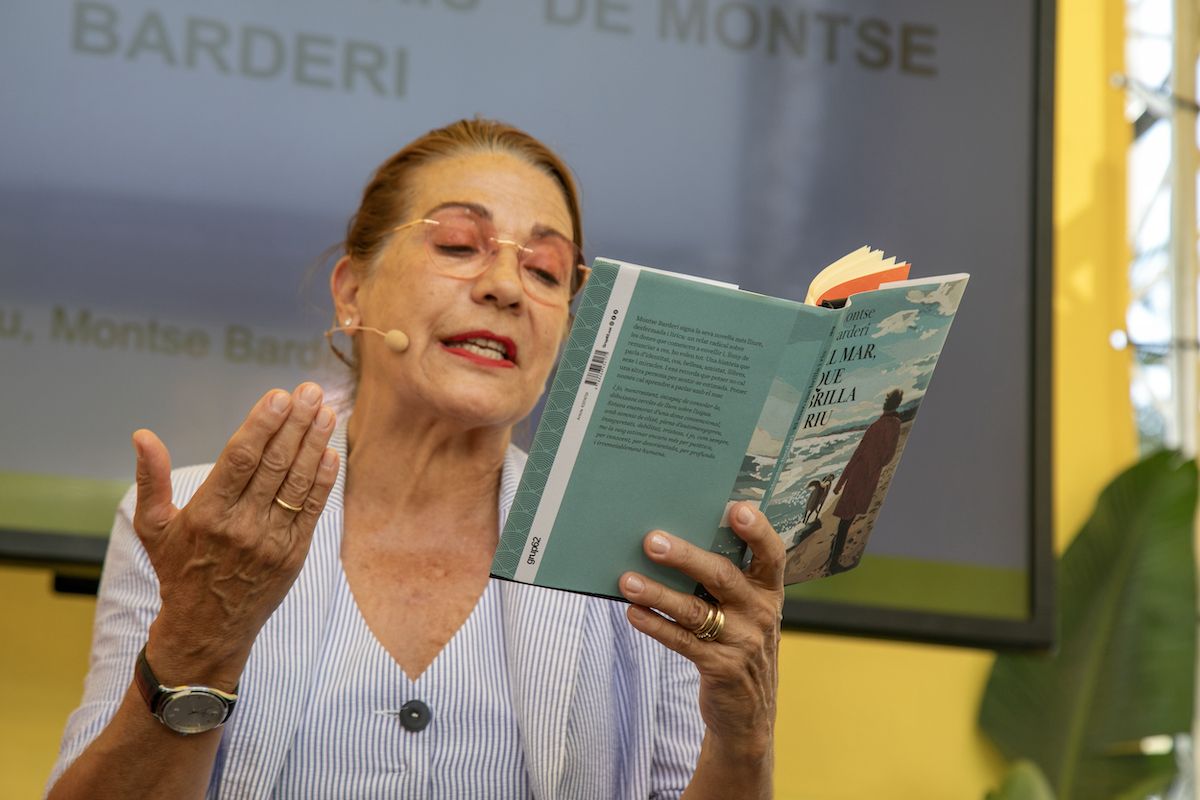
A purpose, that of spreading the love for literature and reading in Catalan, which La Setmana del Llibre en Català vindicates not only through its stands and exhibitors, but also through an extensive program of more than 300 activities. Recitals, book presentations, conversations, live podcasts, round tables, literary award ceremonies, tributes and, as it could not be otherwise, book signings to shorten the distance between authors and readers. A program with which the organizers expect to reach sales of around one million euros and exceed 100,000 attendees, with the aim that they become imbued with the richness and quality of books written in Catalan.
Add The New Barcelona Post as your preferred Google source for free
Stay informed with the latest news.
