
It has taken a cataclysm like the covid-19 pandemic for some, not all, of those who criticized tourism in Barcelona to realize that a city without tourists is a dead city. They didn't care about the value chain that visitors generated, or the attraction of capital and talent that tourism brings. For years, the debate was reduced to the impoverishing binomial of tourism yes or no. In the arsenal of tourism detractors, concepts such as gentrification, overcrowding, depersonalization, low-quality occupation, tourism monoculture stood out... Things that are true, but that do not necessarily have their origin in the growth of the tourist population that Barcelona experienced.
[subscribe_newsletter_esp]
For example, the gentrification of neighborhoods like Barceloneta was not precisely initiated by foreign tourists; it was another type of tourist who, coming from other neighborhoods of Barcelona or even from other towns in Catalonia, paved the way for speculators and vulture funds. If an ambitious and quality hotel plan had been bet on from the beginning, that speculative wave surely would have been placated. And another cliché, that of professional activities with little added value and poorly paid. It must be said that this fact has more to do with the type of tourism than with tourism in general. If a higher economic level of tourism had been bet on, this fact would revert in the improvement of the quality of employment in the sector. But these measures, among others, have often been branded as elitist by the ideologues of the anti-model.
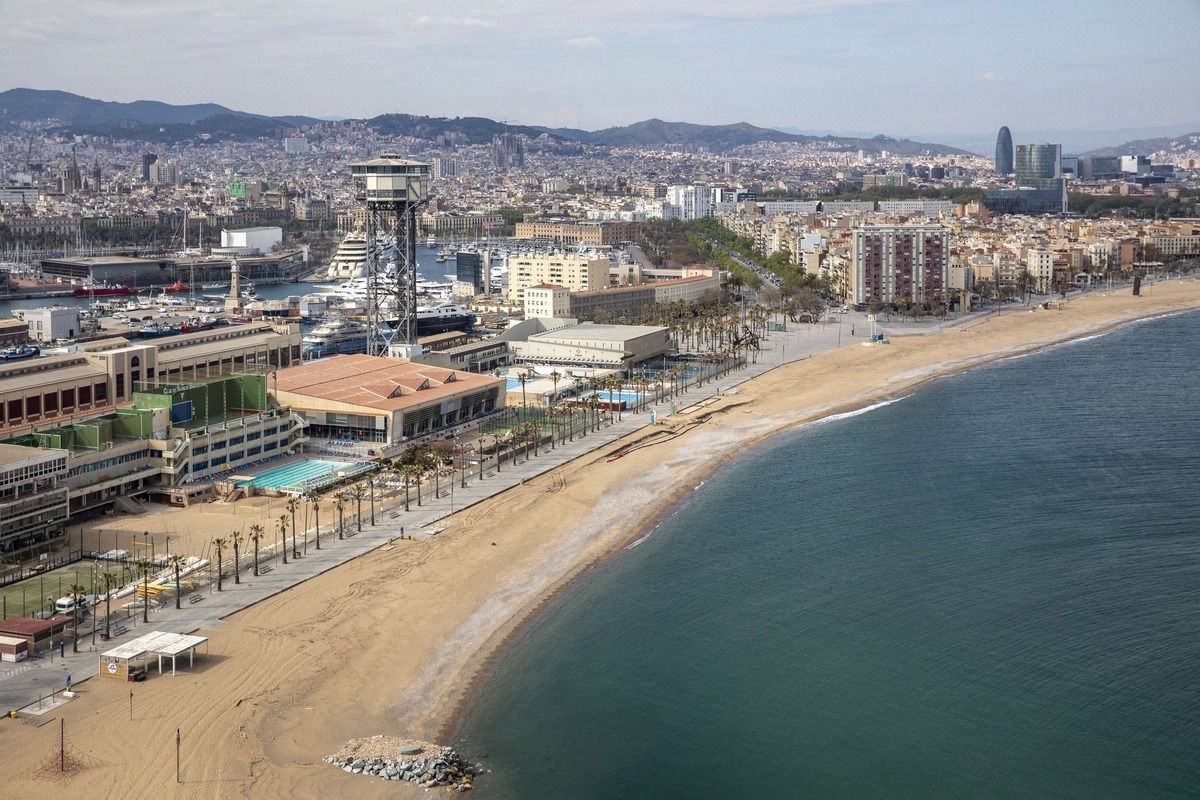
Now, however, everything has changed and although we are in the midst of a crisis and a complete recovery of tourism is not foreseen until 2024 ---this is the forecast of major airlines and hotel chains--- we are in time to initiate a shift to lay the foundations for a new tourism model that imposes quality. If the tourist offer is of high quality, it impacts prices and improves working conditions. It's a given. If, on the contrary, the lack of planning and improvement continues to be opted for, overcrowding and the problems for the city's residents that this phenomenon entails will continue. Quality demands training, exigence, and the offer of high-level products.
We are in time to initiate a shift to lay the foundations for a new tourism model that imposes qualityFor all this, the birth of the Col·legi Oficial de Professionals del Turisme, COPTUR, is good news. Professionals in the sector who are committed to quality have decided to join forces. To begin with, they want to consolidate the existence of an interlocutor with administrations, the media, and society in general. But they want to go further and set, among other objectives, to regulate professional practice. Not long ago, in this same column, we talked about the permissiveness of the Catalan administrations with the professional intrusion in the field of tourist guides. They also put on the table the need to dignify the profession, in addition to defending the interests of its members as any professional association does.
It was an anomaly that a sector that generated more than 12% of Catalonia's GDP before the pandemic did not have an organization that brought together professionals and defended the interests of the sector. In the past there was already an attempt to create a professional association, but it died due to the collision of interests that exist in the sector. Because one thing is to attract quality tourism and manage excellence on site, and a very different thing is to dedicate oneself to organizing the vacations or trips of Barcelonans and Catalans around the world. Nothing to do with one another.
It was an anomaly that a sector that generated more than 12% of Catalonia's GDP before the pandemic did not have an organization that brought together professionals and defended the interests of the sectorAs I said, the birth of this professional association is good news, but the discourse it distills is even better. Because if anyone wants quality tourism, with purchasing power and interested in our cultural offer, it is the sector itself.
COPTUR can also help broad sectors of hospitality and catering to join the commitment to quality. The destruction of businesses and jobs in this area caused by the pandemic crisis and the social drama it entails should not cloud the view of the immediate future. We are still in the midst of a cataclysm, yes, but this should not prevent us from looking to the future. An important part of the sector has already taken a step forward.
Now the pertinent question is to know what public administrations are doing to plan a different model. What are the Barcelona City Council and the Generalitat doing? And Turisme de Barcelona? We don't know. Along with the pandemic figures in hospitals, the overcrowding of ICUs, the rebrotes index, or the social and economic consequences due to the number of closed or stopped businesses, it would be good if our public managers in the tourism sector explained what they are doing and with what perspectives they are working. They have acted correctly by enabling resources, always insufficient, to rescue the people who have been most exposed to this disaster. At this point in the film, we would accept Antonio Gramsci's phrase when he stated that to weather a great crisis, two things are needed: foresight and perspective. Well, that's it.
Add The New Barcelona Post as your preferred Google source for free
Stay informed with the latest news.