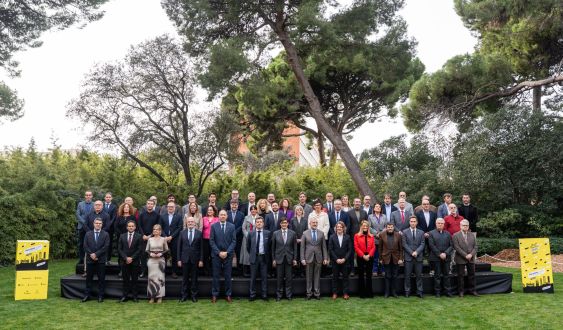
Three days, 60 municipalities, 12 counties, 200 cyclists, 397 kilometers. The Tour de France will pedal in Catalonia not only with the Grand Départ in Barcelona, but will cross it from the Tarragona Mediterranean to the Pyrenees, in three stages during which Catalonia aspires to be more than a sporting scenario, and turn the competition into an opportunity to offer a narrative in motion.
This narrative also aims to be lasting; that cyclists pass by, but that it endures in the form of a legacy, both economic and social, promoting sport, territorial cohesion, health, and environmental promotion. Thus, Barcelona once again plays with its usual formula for international sporting events: demonstrating its capacity to host them and seeking to go beyond mere competition.
"Catalonia has demonstrated the capacity, knowledge, and values to transform major sporting events into something more: into prosperity and values," defended the President of the Generalitat, Salvador Illa, in an event with mayors of the 60 municipalities that will see the Tour de France pass, gathered at the Palau de Pedralbes with the countdown to the event already underway.
After the grand start for a first stage from Barcelona beach on July 4, the next day will begin in Tarragona, from where it will follow the coast before heading inland before re-entering Barcelona to do a circuit around Montjuïc until reaching the finish line in front of the Olympic Stadium.
Barcelona as the country's capital
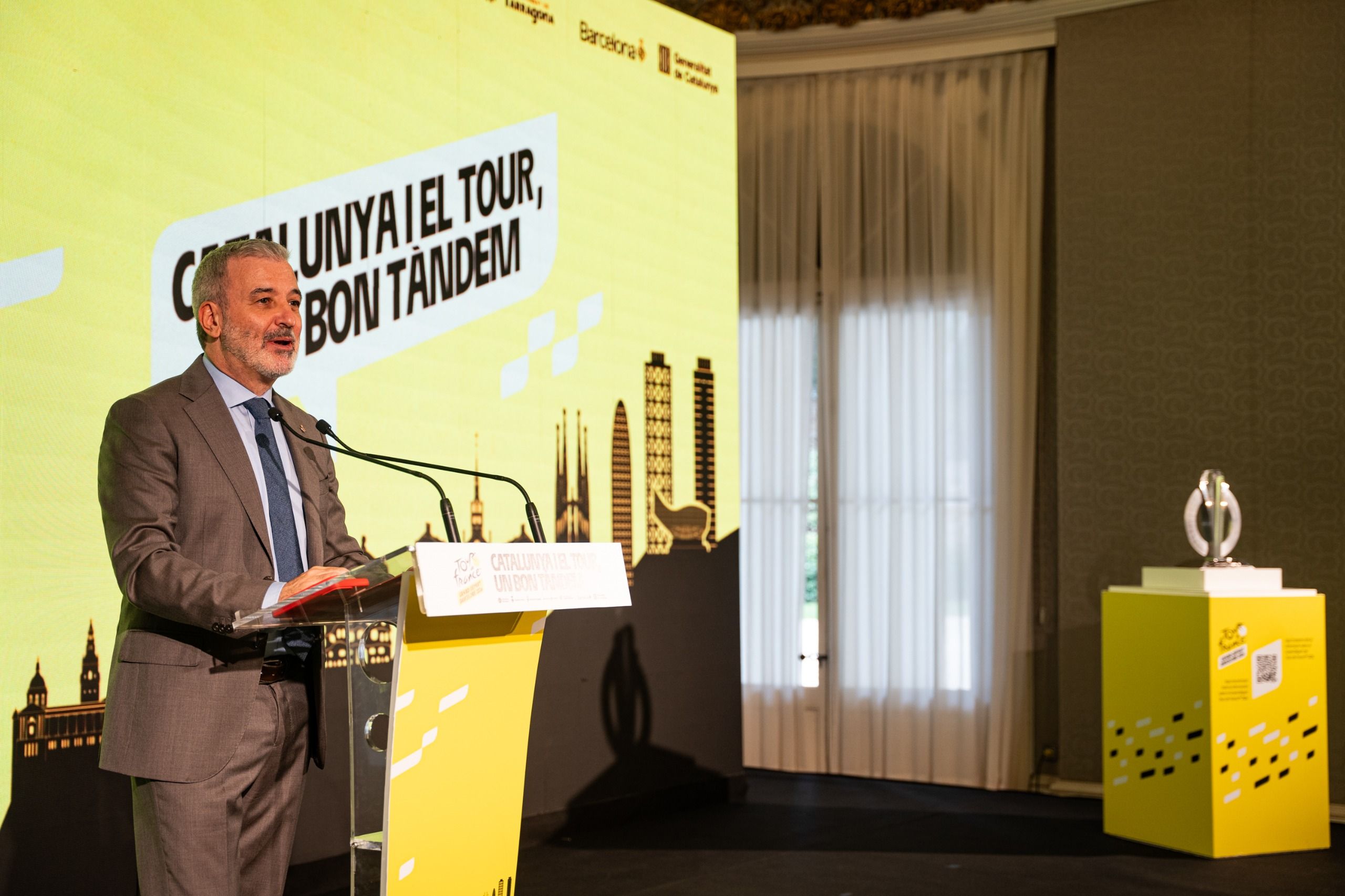
The third stage, on July 6, will depart from Granollersand will end in France, in Les Angles, passing through the Toses pass. Thus, the Tour de France will not only impact the Catalan capital, but will extend throughout the territory as an element of cohesion. "Barcelona knows how to act as a capital in favor of all Catalonia," Illa claimed, as did the mayor,Jaume Collboni"As a capital, Barcelona had to share an event like this with the rest of the country.""It will be a very democratic and very distributed event," added Collboni, who highlighted that it will not only be decentralized in Catalonia, but also in Barcelona, where it will take place "through neighborhoods and squares where international events rarely happen." However, it will still pass through great icons of the city, among which the Sagrada Família will play a prominent role, coinciding with the centenary of Gaudí's death and the culmination of the Jesus Tower.
The temple will also be the protagonist of the team presentation, which will be done with a dynamic event that will run along Gaudí Avenue from another Barcelona icon, the Hospital de Sant Pau complex. The route, the search for legacy, and the territorial distribution are ingredients with which Barcelona wants to organize "the best Grand Départ in history," as proclaimed by the Minister of Sports, Berni Álvarez.
And Barcelona hosting its Grand Départ is no coincidence or stroke of luck. On the contrary, according to Collboni: "It has been a collective story of success and love, which we have been pursuing for a long time," so that the city would host the great start of the Tour for the first time.
Trust, sport, and European DNA
The reasons for having achieved it are many, but Illa has focused them on three: "The world trusts Catalonia" and its organizational capacity for large events; "Catalonia is a sporting country" with an active society, and "Catalonia and the Tour share the same DNA" in terms of European values. "200 cyclists of dozens of nationalities on our roads becomea mirror of diversity, of effort and of a spirit of overcoming.These are traits that identify our continent, and also Catalunya," stressed the President of the Generalitat.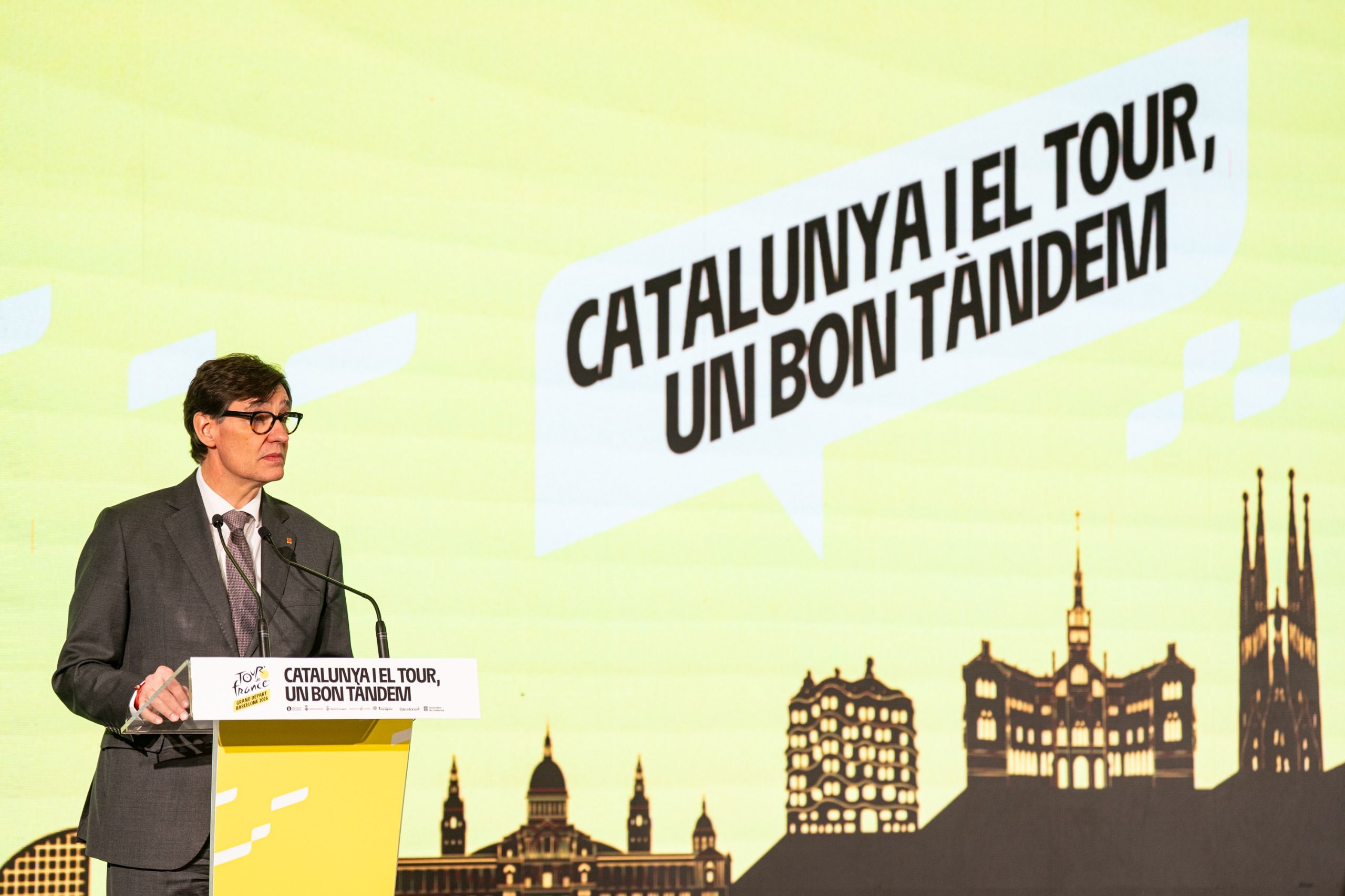
This image will be seen by more than 150 million spectators in Europe alone, and will be broadcast in more than 190 countries, which makes the tour a "wonderful showcase," according to Barcelona's Sports Councilor, David Escudé, another of the key figures in bringing the Grand Départ to Barcelona. "There will be no other event of this magnitude in 2026," he stressed alongside the mayors of Tarragona, Rubén Viñuales, and Granollers, Alba Barnusell, who have described the sporting event in their cities as historic.
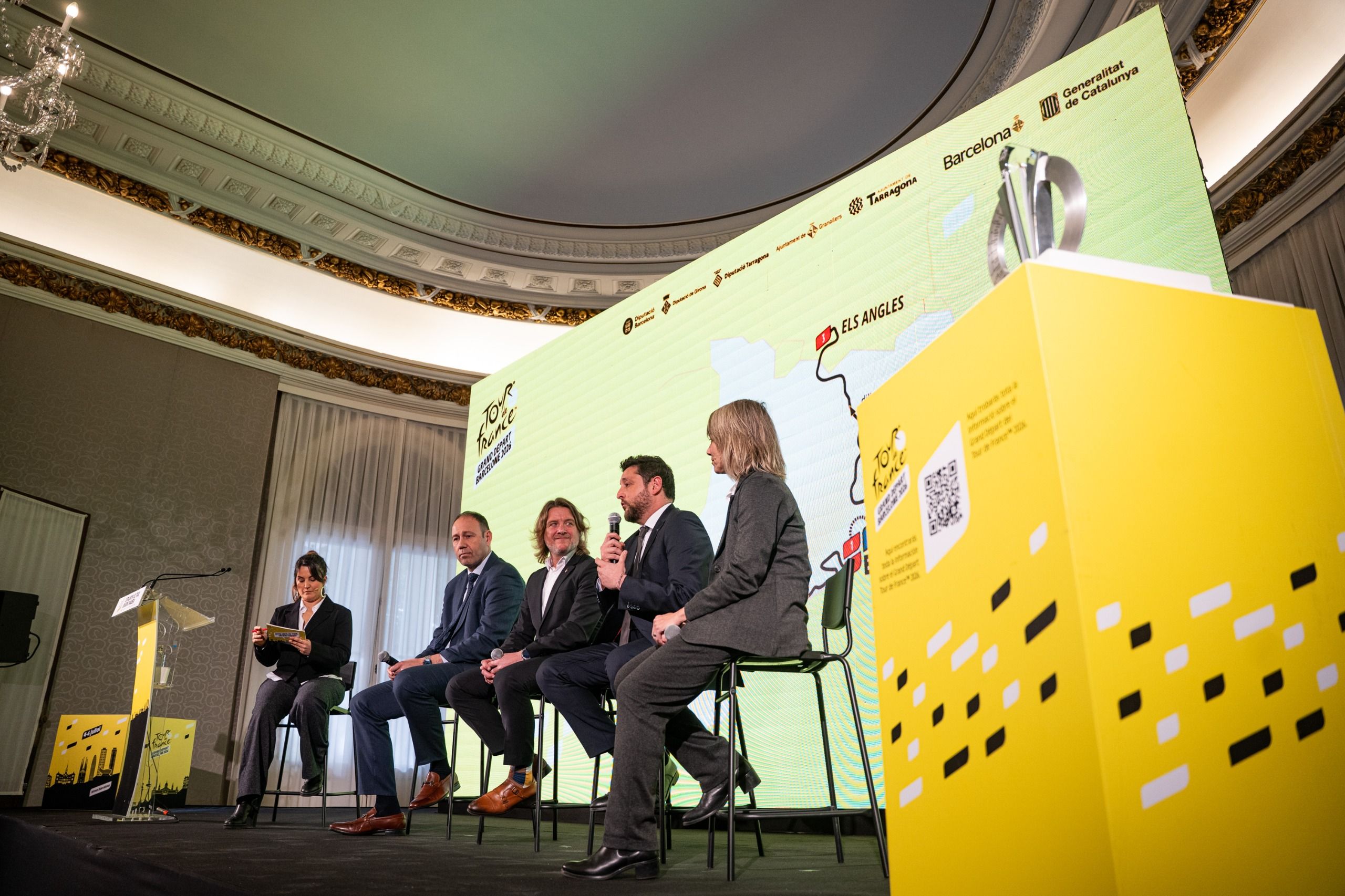
In all of them, the mayors call for the passage of the competition to become a great citizen event, with the aim that the Tour is not only experienced from the road, but also from its margins and from the streets and squares, bringing together families and fans in a collective sporting event. Because when the peloton sets off, what will be at stake will not only be the start of the race, but the territory's opportunity to recognize and show itself as it is. For three days, Catalunya will explain itself to the world at the pace of a pedal, linking landscape, city and daily life in a shared narrative that aspires not to end at the finish line, but to leave a mark beyond the last kilometer.
Add The New Barcelona Post as your preferred Google source for free
Stay informed with the latest news.
