A city made of a thousand cities. Or, at least, that's the feeling conveyed by the Gran Via venue of Fira de Barcelona during the days of Smart City Expo World Congress. For a few days, the pavilions become a miniature city, with avenues, bustling streets, and corners where innovative ideas can be discovered to improve cities around the world. A miniature city where it's easy to lose track —and also direction— among the more than 1,100 exhibitors filling the venue these days. At every step, however, ideas and proposals can be discovered to address some of the great urban challenges.
Amidst so many projects, it is often robots, drones, and autonomous vehicles that capture all eyes. They attract attention, are the protagonists of all photographs, and seem straight out of a futuristic movie. But urban innovation goes far beyond these images. It is also found in systems for better water management, solutions for energy saving, new mobility tools, or projects that, ultimately, improve the lives of their citizens. Perhaps less spectacular proposals, but ones that can have a much more direct impact on the daily lives of their residents.
But, beyond the eye-catching proposals, what ideas can transcend the fair pavilions and end up improving life in cities? We have focused on ten initiatives that offer answers to very specific challenges and that, with the necessary adaptations, could inspire other municipalities. Among all the initiatives presented at the fair, we have selected ten: five from different parts of the world and five with a Barcelona stamp. Very diverse projects that, from different realities and scales, seek to respond to the challenges of today's cities.

The example of Tokyo: how to make a megacity more participatory?
How can a city of nearly 14 million inhabitants be digitally transformed without leaving aside the people who live there? Tokyo tries to answer this question with C³ Powering Tokyo, the strategy that has earned it the World Smart City Awards at Smart City Expo. The proposal is built around three pillars: citizenship, communities, and collaboration. This means giving a voice to residents in decisions about the city, strengthening the role of local entities and communities, and sharing knowledge with other cities.
More than presenting a specific application or device, Tokyo advocates for a way of building a city where innovation stems from the concrete needs of the population. Barcelona could transfer this approach to a closer scale: strengthening channels for residents to participate in decisions about their neighborhoods and communities. The proposal is emblematic because it also demonstrates that innovating and transforming cities is not always synonymous with incorporating more technology, but rather with rethinking how decisions are made and what role the people who live in the city play.

Bogotá: making public transport also bring affordable housing closer
Access to housing has become one of the great challenges for cities around the world. It is not surprising, then, that it has gained prominence in this edition of Smart City Expo, which has for the first time celebrated HOWS Barcelona – Housing World Summit and has incorporated a specific housing category into the World Smart City Awards. The award went to Bogotá, thanks to Mi Casa en Bogotá, a strategy that links residential policies with the development of public transport.
The proposal starts from a simple idea: a new metro line can improve mobility, but it can also make the surrounding neighborhoods more expensive and make it difficult for families with fewer resources to continue living there. For this reason, Bogotá wants improvements in transport to be accompanied by affordable housing. Barcelona, which also faces a serious difficulty in accessing housing and continues to expand its transport network, could take note: jointly plan residential and mobility policies, reserve land for protected housing near stations, and prevent new infrastructures from becoming a factor in the expulsion of residents.
Kamikatsu: recycling 80% of waste without major technologies
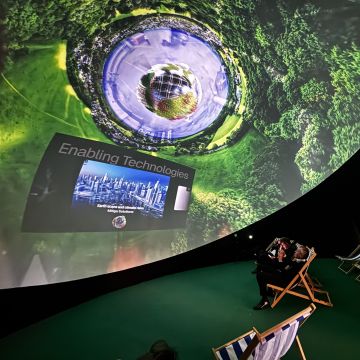
Beyond housing, climate change is another major concern for cities, which are looking for ways to reduce their environmental impact and make better use of available resources. This concern was reflected this year at Smart City Expo through Terra50, an immersive dome that invited visitors to sit down and discover 50 climate solutions already being applied in 32 countries. Among the initiatives that can be discovered there is the recycling system of Kamikatsu, a small Japanese town that has managed to recycle nearly 80% of its waste. And to do so, moreover, without having to resort to a large technological infrastructure.
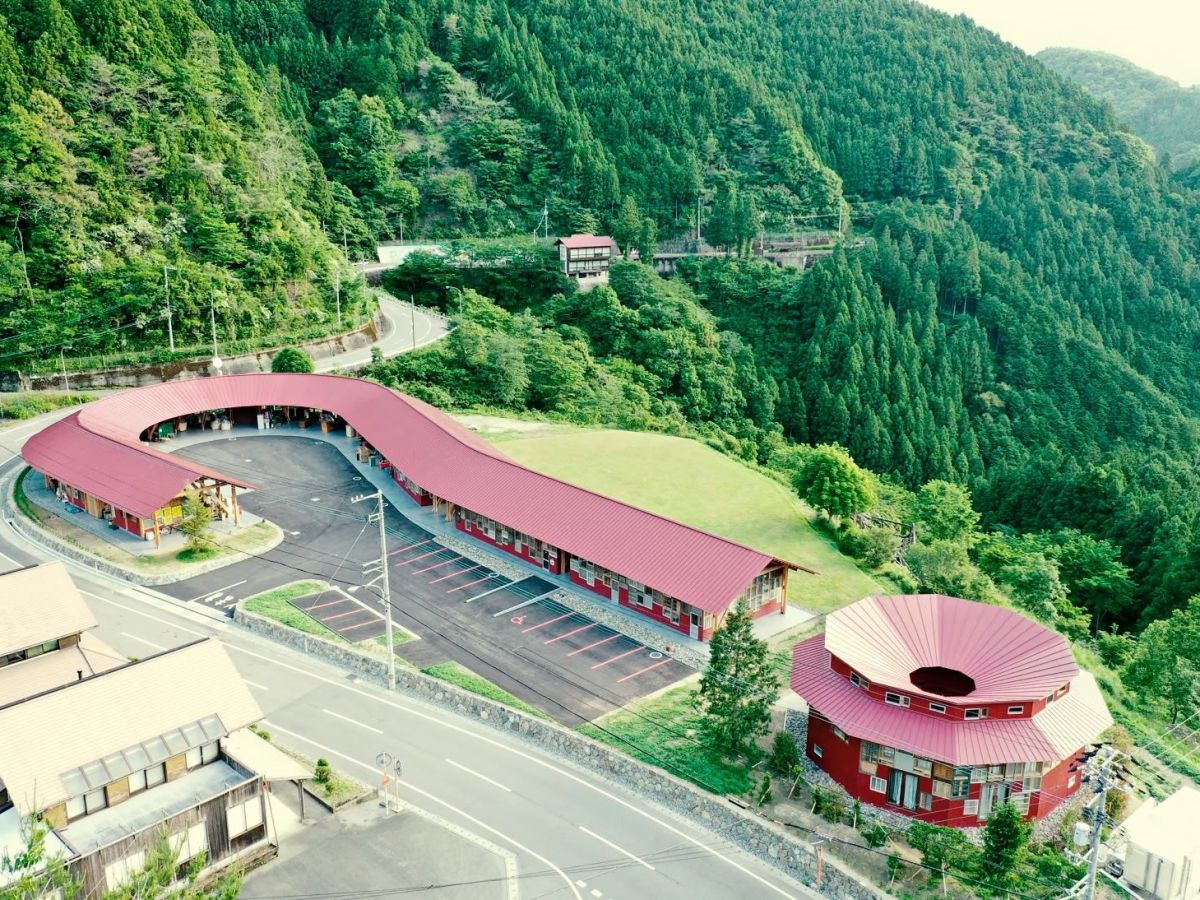
Since 2003, its approximately 1,300 inhabitants separate waste into 14 categories and 44 subcategories and take it to the Zero Waste Center WHY. A center that, in addition to informing citizens about what happens to the objects they have helped recycle, has an exchange shop where residents can leave objects they no longer need and take others. Organic matter, on the other hand, is composted at home and returned directly to agricultural soil. The center also makes the value of materials visible: in the sorting areas, both the treatment costs and the income generated by the sale of recovered materials are displayed. The case of Kamikatsu demonstrates that reducing waste does not depend only on having better collection systems, but also on making it easy for citizens to get directly involved, making it a simple task integrated into their routine. Other municipalities could adapt the model with more accessible collection points, object exchange spaces, and systems that explain what happens to waste once we throw it away.
Rio de Janeiro: a digital tool to protect women
A smart city must also be a safe city, capable of protecting all its inhabitants. In Rio de Janeiro, the Mulher.Rio platform aims to connect women suffering violence with municipal support and protection services. The platform also includes an emergency button that allows sending a silent alert, with the user's location, to police control services so they can activate a response, or even connect with monitoring devices for individuals with a restraining order to detect their approach. Barcelona and other cities could adapt the approach of this tool by bringing together in a single tool care services, health resources, and emergency channels, with clear and accessible information from mobile phones.

Robots: from spectacle to practical applications
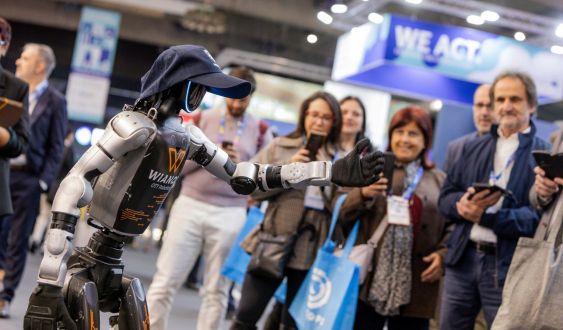
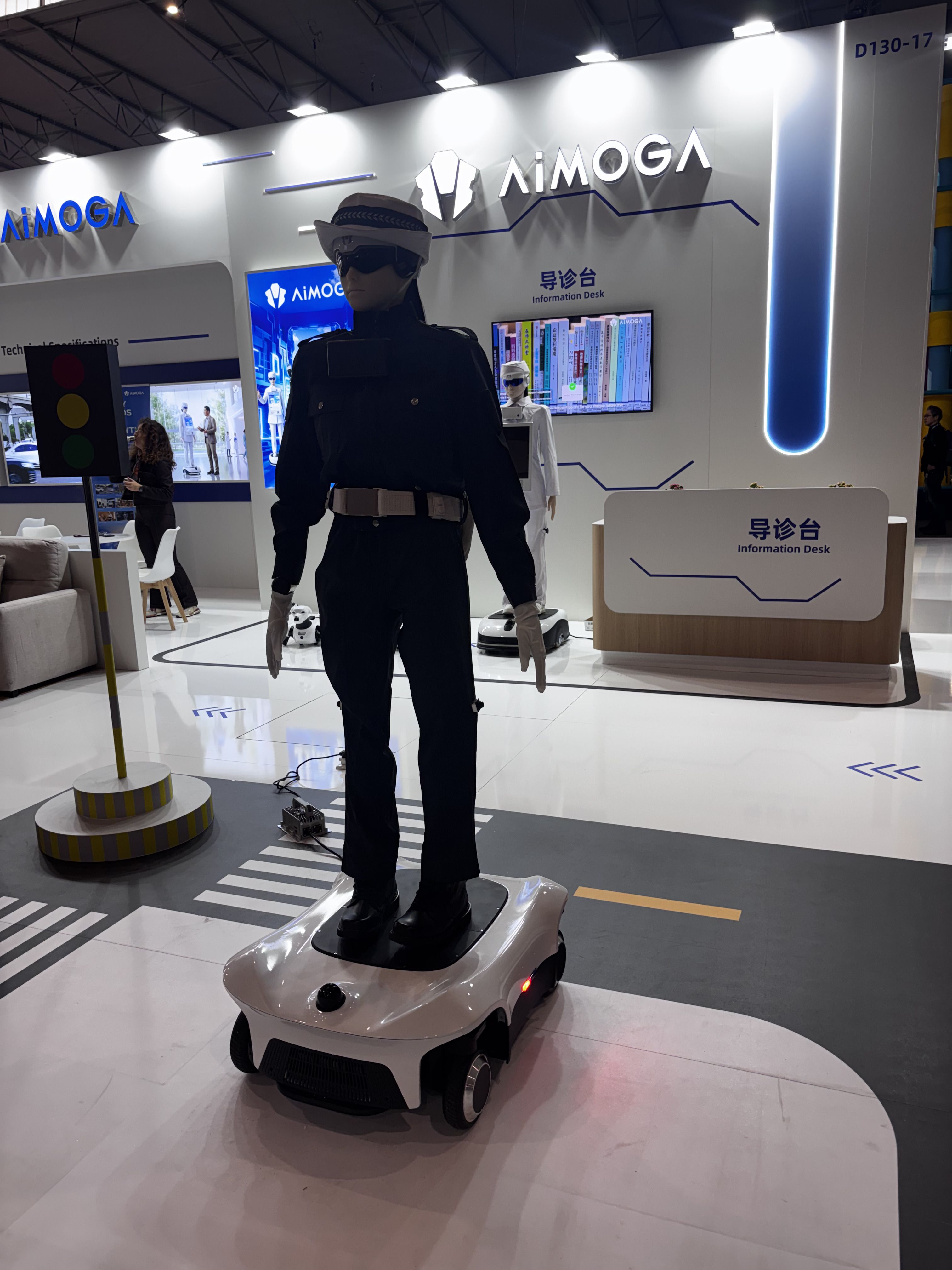
If we want to review the novelties and solutions presented by Smart City Expo, we cannot stop talking about robots. They are one of the fair's great attractions: they draw attention, star in photographs, and seem to anticipate what the city of the future will be like. But, beyond the surprise effect, they can also have very specific applications in everyday life. The company AiMOGA Robotics, linked to the automotive group Chery Auto —a strategic partner of Ebro—, presents a robot that has already worked as a traffic agent in the Chinese city of Wuhu. It can regulate traffic, check that vehicles are well parked, and guide pedestrians. The company also shows robots designed for other tasks, such as helping to guide patients in hospitals or performing support and assistance functions. It is not about replacing people, but about incorporating tools that help them in certain tasks.
Barcelona: more than 500 shelters to protect against heat
And Barcelona, what is it doing to face these challenges? The city, which for a few days is the setting for the great international urban innovation meeting, is also the setting for projects that seek to respond to some of the problems that today's cities share. Sometimes, with actions as imperceptible and normalized as the Climate Shelter Network, which already has more than 500 spaces, including libraries, civic centers, museums, markets, parks and gardens, that offer the possibility of sheltering from the heat. The initiative has been expanded to the point that 99.2% of the population has a shelter less than ten minutes' walk from home.
The key to the project is that there is no need to build new facilities in every neighborhood: it is about taking advantage of existing spaces, adapting them and making them accessible when they are most needed. In addition, the Catalan capital has also begun to transform schoolyards to gain shade and vegetation.
Endolla Barcelona: charging an electric vehicle in fifteen minutes
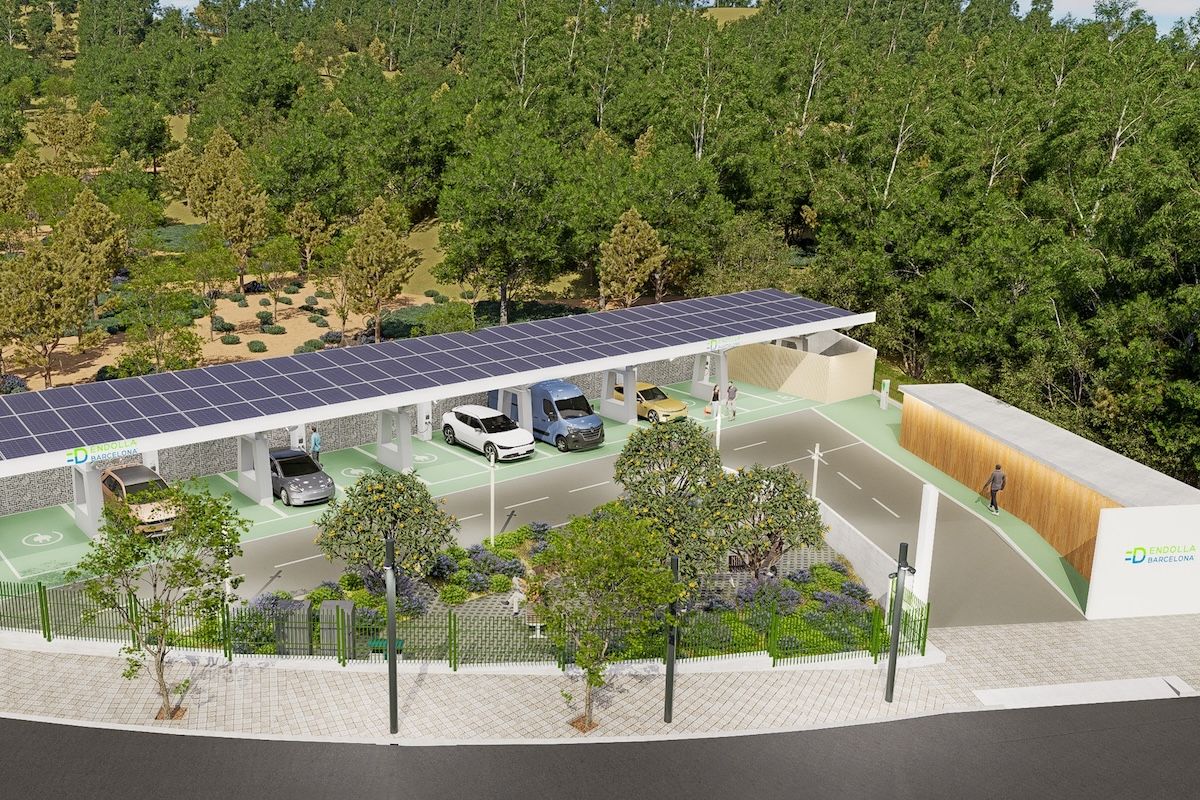
But adapting cities to climate change is not just about protecting the population from high temperatures. It also involves rethinking how we move and reducing the environmental impact of daily commutes. In this area, Barcelona is expanding the Endolla Barcelona charging network, a project that the City Council wanted to present and share with attendees at Smart City Expo. The network is preparing to make a leap in scale with the construction of the city's first large public ultra-fast charging hub, in the Vall d'Hebron area, with 12 simultaneous charging points designed to recover up to 400 kilometers of autonomy in about fifteen minutes.
A digital twin to test the city before transforming it
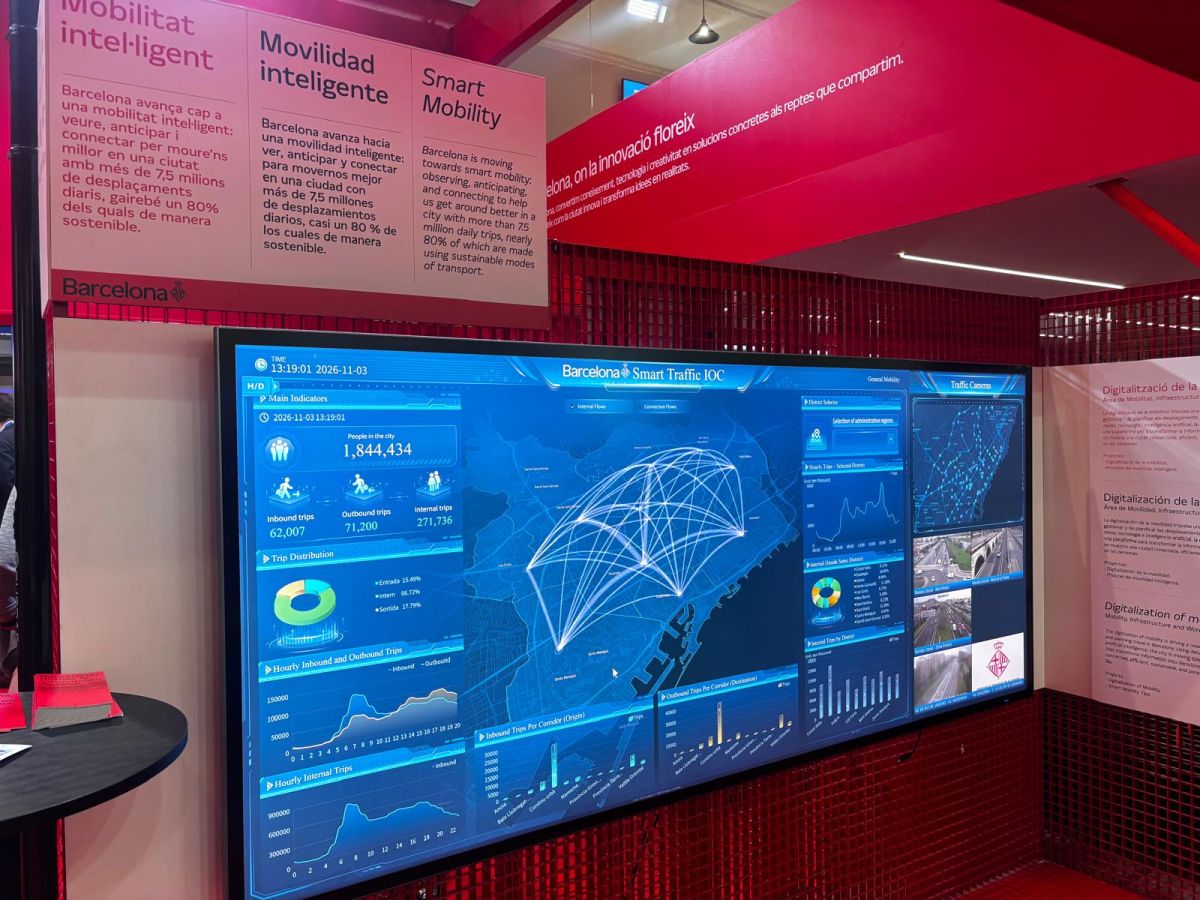
But, beyond these specific challenges, the Catalan capital is also a reference city in technological innovation and one of the initiatives that demonstrates this is the development of its digital twin. A virtual replica of the city developed by the Barcelona Supercomputing Center with the collaboration of public institutions to study the effects of certain measures before applying them. The platform combines urban data to simulate scenarios and help make decisions: a city council could, for example, compare what would happen if it closed a street to traffic, added trees, or modified a bus line. This would allow anticipating consequences and detecting possible problems before making changes on the ground.
fetaLife: recreating the uterus to help premature babies
If Barcelona is a benchmark in technological innovation, it is even more so in areas such as deep tech, where scientific research is transformed into technologies capable of facing great challenges. One of the initiatives presented at the Barcelona Deep Tech Summit is fetaLife —winner of the BDTS Startup Awards 2026—. A project promoted by BCNatal —the fetal and neonatal medicine center linked to Hospital Clínic, Hospital Sant Joan de Déu and the University of Barcelona— which, although not an urban innovation in the strict sense, helps to broadly improve the quality of life of a specific group of society: extremely premature babies.
The initiative works on the development of an artificial placenta that seeks to reproduce the conditions of the maternal uterus so that fetuses born between 22 and 26 weeks of gestation can continue to develop. In July 2026, the team announced that they had managed to keep an experimental ovine model for 21 days inside the device, an important advance in a technology that is still in the research phase.
Salvi Lighting: illuminating streets without connecting them to the electrical grid
Another way to move towards more sustainable cities is to rethink the energy consumption of public services, even in elements as everyday as street lighting. The company Salvi Lighting, based in Lliçà de Vall, has developed S.I.L. (Solar Intelligent Lighting), an autonomous public lighting system that works with solar energy, so it can operate without having to connect to a conventional electrical connection. The proposal can be especially useful on interurban roads, paths, parks or spaces far from the electrical grid, where installing wiring can be costly or complicated.
From Tokyo to Barcelona, passing through Bogotá, Kamikatsu or Rio de Janeiro, the ten initiatives we have gathered demonstrate that there is no single formula for building the cities of the future. Some involve great technological advances; others, changing the way resources are managed, neighborhoods are planned or citizens are involved.
Add The New Barcelona Post as your preferred Google source for free
Stay informed with the latest news.