In the exhaustive account of the evolution of the human fetus during pregnancy, week by week, from the book 9 meses desde dentro (ed. Columna), the specialist in maternal-fetal medicine, diagnosis, therapies, and fetal surgery, Dr. Eduard Gratacós, explains that the journey of a gestation, from fertilization to birth, is designed for the baby to leave its mother when it is ready. And, "while the average duration of a pregnancy is 40 weeks, gestation is considered to be full-term upon completion of exactly 37 weeks, about eight and a half months. If birth occurs before then, the baby is considered premature."
In developed societies, between 7% and 12% of children are born prematurely. This equates to 14 million premature births each year worldwide. "This is a figure that has not been reduced, and rather tends to increase," points out Dr. Gratacós. The increasingly advanced age of mothers, lifestyle - with negative health factors such as increased stress and pro-inflammatory nutrition - and, secondarily, more multiple gestations derived from fertility treatments are some of the current causes of prematurity.
The consequences of being born prematurely, especially when the fetus is only six months old or even less (considered extremely premature), is a survival rate of between 25% and 75%. However, a significant proportion of extremely premature babies who survive will present important lifelong sequelae, "fundamentally, respiratory, neurological, and also digestive, renal, and cardiovascular problems, although the most worrying are neurological and pulmonary sequelae," specifies Eduard Gratacós.
Each year, 28,000 premature babies are born in Spain, 800 of whom are extremely premature, with a very high risk of suffering these sequelae or not surviving. Across Europe, there are 25,000 births at six months or less of gestation.
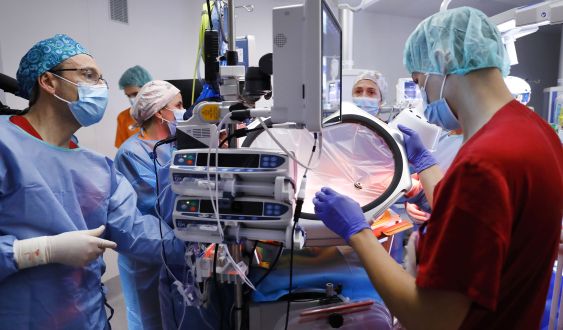
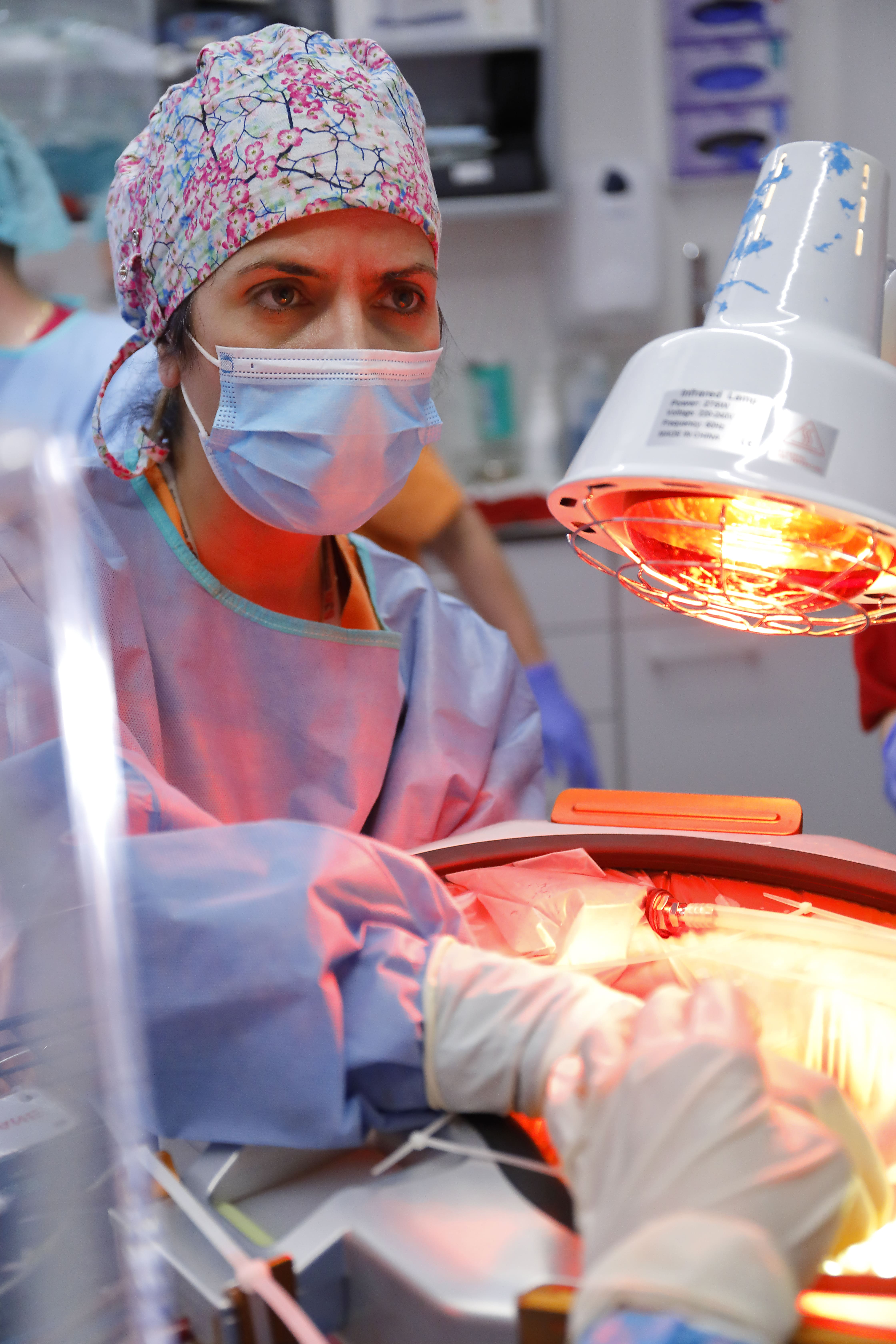
Now, a team of scientists from BCNatal, a clinical and research center in fetal and neonatal medicine affiliated with Hospital Sant Joan de Déu, Hospital Clínic Barcelona, and the University of Barcelona, has managed to keep a premature lamb fetus alive for 21 days in good condition, thanks to the first experimental artificial placenta project carried out in Europe: a functional prototype of an artificial placenta or liquid incubator. And, once out of this innovative device, the survival of the ovine offspring has managed to exceed 13 months of life with good neurodevelopmental results.
In the project, named fetaLife, 35 researchers, led by Dr. Eduard Gratacós, have emulated with this incubator the vital connection of the fetus that leaves the maternal uterus prematurely with everything it needs to continue its proper development, even if oxygen, nutrients, and everything it needs to do so can no longer reach it directly from the mother.
It has been more than five years "of trial and error, trying to reproduce these ideal conditions, with technological and medical improvements to make the progression of survival more viable," says Gratacós. He explains that "in each experiment we were doing, we identified new needs to know how to better manage the patient and keep them more stable, managing to maintain ideal levels of potassium, sodium... Based on a previous design with which you imagine what you will do, trying a new solution to each small challenge, we have been achieving progressive refinement."
Humans, in two or three years
The challenge for the scientists was maximum; by using an ovine model, a relevant step has been taken to bring the system closer to the clinic: to verify that neonatal transition is possible. Neonatal transition is a process similar to the "birth" of the fetus, in which it passes from the liquid incubator to extrauterine life and begins to use its lungs like any baby. The project has carried out trials that have allowed viable neonates to be obtained after keeping them in the liquid incubator. In one specific case, that of the sheep Gaia, which is now over a year old, her long-term neurodevelopment has been studied and normal results have been obtained.
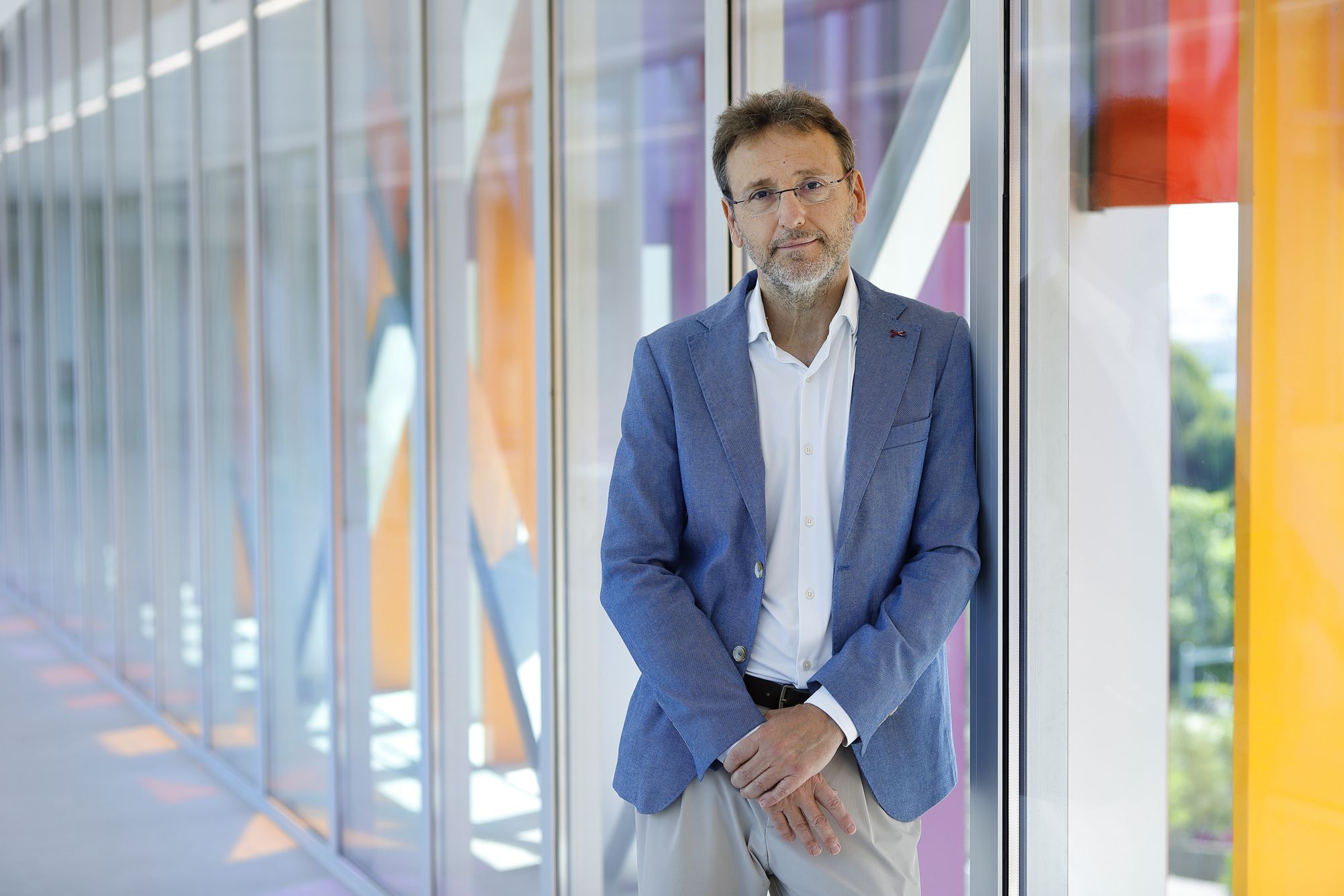
The hopeful conclusions achieved in this first experimental artificial placenta project in Europe were publicly presented by the general director of Hospital Clínic Barcelona, Josep Maria Campistol; the managing director of Hospital Sant Joan de Déu Barcelona, Miquel Pons; the deputy general director of Research and Grants of "la Caixa" Foundation, Àngel Font; the director of BCNatal and leader of the fetaLife project, and professor at the Faculty of Medicine and Health Sciences of the UB, Eduard Gratacós, and the medical and scientific coordinator of the fetaLife project of BCNatal, Elisenda Eixarch.
The highly complex milestone has been promoted by "la Caixa" Foundation with a contribution of 7.65 million euros. And the results achieved are the foundations of the main objective of this feat, which is to also achieve it with human premature babies. "We think that in about two or three years we could start doing it," declares Eduard Gratacós. "Now we need to get the permits from the regulatory agencies that you need to guarantee the ideal procedure in humans, and all the essential material," adds the director of BCNatal.
For this mission, fetaLife Technologies has been established, a spin-off company from Hospital Clínic, Hospital Sant Joan de Déu and the University of Barcelona that aims to bring technology closer to clinical practice. Next year, the project team will focus its efforts on introducing a technological improvement, in collaboration with industry, to adapt the system for use in humans, and also on initiating the ethical and legal preparations so that a first study in humans can be approved, planned for 2028-2029, with the necessary investment. For this new stage, the entry of other funders is foreseen, and "la Caixa" Foundation has already announced that it will continue to support the project, which has also received donations from other entities.
The pillars of a healthy life
As fetaLife researchers explain, the placenta is designed to meet all the needs of the fetus until it is born. Although more than 90% of pregnancies reach full term normally, fetal life remains one of the most important phases in human development. And one of the main unsolved problems is precisely extreme prematurity, because, before six months of pregnancy, the fetus's lungs, intestines, and brain are underdeveloped. They are not prepared to function correctly. An extremely premature newborn is, in reality, a fetus that has to survive in a very unnatural environment. Weighing less than 1,000 grams, these babies need respiratory support and intravenous feeding to stay alive, but this can cause complications and can have an impact on their future lives. Therefore, the liquid incubator can be a solution that improves the quality of life of these newborns.
The prototype developed by BCNatal, of which several versions have already been made, includes a liquid environment and allows the premature baby to continue developing connected to an extracorporeal circulation system through its umbilical cord.

Technological improvements and great advances in medical support protocols —which include the administration of nutrition, hormones, and other medications, and which foresee possible clinical scenarios and the necessary medical actions to reverse them— have allowed for improved survival in the system and successful neonatal transition. This transition simulates the steps planned for its future application in humans: the transfer from the liquid incubator to a conventional incubator.
The proprietary monitoring system remains key, allowing permanent remote surveillance by the medical team to intensively control the fetus's state and development. Another major advance achieved so far has been the improvement of the extracorporeal circulation system, composed of an oxygenating membrane and a system of parts (tubing and cannulas) that have been specifically designed to facilitate blood circulation and oxygenation, simulating what naturally occurs in intrauterine life through the maternal placenta and umbilical cord.
Ethical and international supervision
From the beginning, in 2021, the project has had its own committee for ethical, social, and safety aspects, in which families of newborns are represented. The ethical aspects involving the transfer of the system for human use are led by the Borja Institute of Bioethics, with which the project's research team works jointly.
Furthermore, the project has been analyzed and favorably evaluated twice by a panel of internationally renowned experts in fetal and neonatal medicine from five countries.
This is an example of the multiplying effect of collaboration between public institutions and philanthropy in biomedical research and innovation.
Add The New Barcelona Post as your preferred Google source for free
Stay informed with the latest news.