
In the previous Punyalada before Christmas, I wrote that one of the graces that this dreadful Covid-19 has given us has been the obligation to forcibly rethink our relationship with what, in a very nebulous and unscientific way, we call culture. If anything has been demonstrated by the thousand and one forms of confinements and limitations that the cultural sector has suffered, which have caused a new abnormality (ugh) adjusted to a meager 50% occupancy in theaters and concert halls, it is that our cultural ecosystem will no longer be able to survive with the resources injected by public funding. This is demonstrated not only because it will be difficult for the budgets dedicated to culture to reach the 2% that the sector longs for (the Three Kings' gift will never happen, for the simple reason that our political class is deeply unlettered), but because the new world that is emerging demands forms of consumption and relationship with culture so agile that public administration will no longer be able to manage.
When I saw many fellow musicians, actors, and dancers demonstrating during the pandemic, reminding citizens that none of them live on air, I jumped for joy seeing how, finally, the cultural sector asserted itself as another economic factor without any complex. It's fantastic that colleagues not only demand to live from their work but also that the progressive cliché according to which a writer or a puppeteer should not earn a good living and, if necessary, make all the money that is the case, finally ends. The unhealthy tendency of Catalans to impose an arte povera philosophy on the cultural sector has been and is a real pandemic. Let's say it without mincing words: culture must generate money and is worth money, which not only implies that our poets have to pay for rent and soup, but that you, dear reader, also have to get used to paying for a musical in Barcelona with the same joy and naturalness as when you arrive in London.
The new world that is emerging demands forms of consumption and relationship with culture so agile that public administration will no longer be able to manage them.Many of you will remember the uproar that occurred last May when Mayor Colau tried to give birth to an unborn concert project.(Barcelona, we will get through this)to symbolize the administration's commitment to the city's music sector and to all of Catalonia. The embryo was not only suspended due to its high cost and because the event did not represent the wonderful richness of the current Barcelona and Catalan music scene, but because the profession reacted with much rationality against the paradigm of the umpteenth lavish event that has been the pattern of the City Council's music management for so many years. The colleagues understood thatmajor festivals are not enough to revive a complex sector like music; instead, new, more agile and creative forms (and less pharaonic ones!) are needed to turn the system around. Festivals and dance music galore are needed, of course
El presidente de Estados Unidos, Joe Biden, ha asegurado este viernes que el apoyo de Washington a Ucrania se mantendrá "firme e inquebrantable" ante la invasión rusa, que comenzó hace dos años, y ha anunciado más de 2.000 nuevas sanciones contra Rusia.
"Si Putin no paga el precio por su muerte y destrucción, seguirá adelante. Los costes para Estados Unidos y el mundo aumentarán", ha manifestado Biden en un comunicado con motivo del segundo aniversario de la guerra en Ucrania.
En este sentido, ha recordado que el pueblo ucraniano "sigue luchando con tremendo coraje" y que Estados Unidos "sigue apoyándolos". "Hoy, estoy anunciando más de 500 nuevas sanciones contra Rusia por su guerra de conquista, por la brutalidad y la represión, y por su papel en el impulso de una guerra brutal", ha agregado.
Las sanciones se dirigirán a personas relacionadas con el encarcelamiento del líder opositor Alexei Navalni, fallecido hace una semana en una prisión del Ártico, así como al sector financiero ruso, la base industrial de defensa, las redes de adquisición y los evasores de sanciones en "múltiples continentes".
"También estamos imponiendo restricciones a la exportación a casi 100 entidades que brindan apoyo de trastienda a la máquina de guerra de Rusia. Estamos tomando medidas para reducir aún más los ingresos energéticos de Rusia", ha detallado el presidente estadounidense.
Biden ha instado a la Cámara de Representantes a aprobar el paquete de seguridad nacional para Ucrania, que incluye 60.000 millones de dólares (55.400 millones de euros) en ayuda militar, y que ya ha sido aprobado por el Senado. "Este proyecto de ley bipartidista incluye financiación para Ucrania y es vital para los intereses de seguridad nacional de Estados Unidos", ha zanjado.
but not this socialist-Colauist idea according to which a systemic crisis is solved with a night of revelry on the balconies.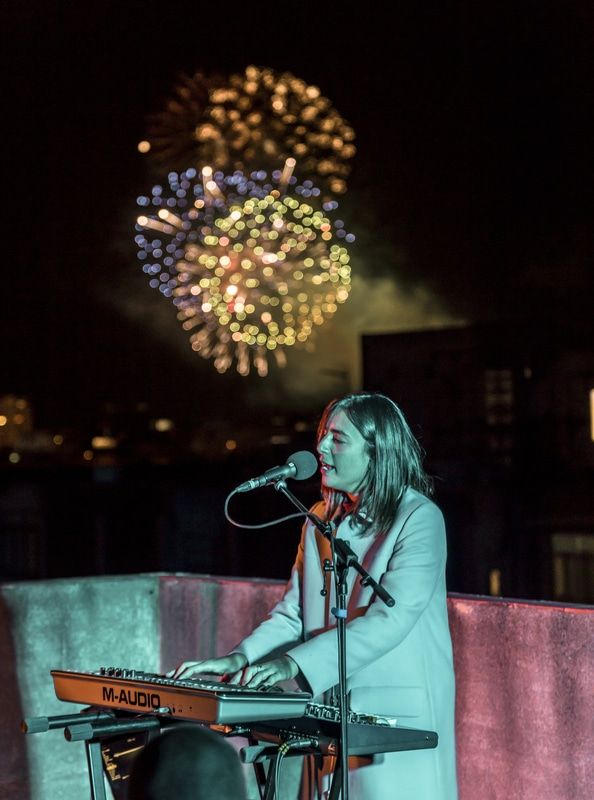
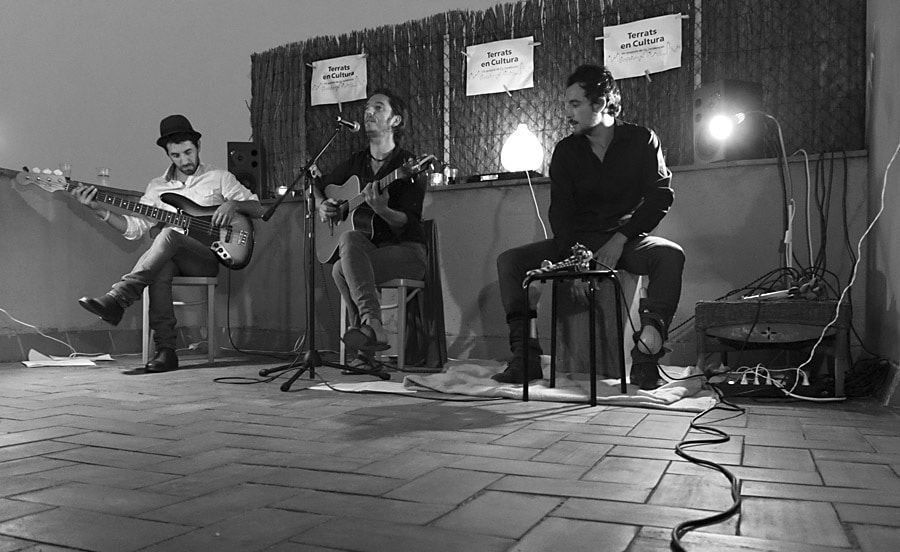
In the case of Barcelona and music, there are many managers who had already spotted this change of pace a long time ago, like the sleepless minds of the Coincidències group. Founded in 2013 by cultural managers Lola Armadàs, Isaias Fanlo and Anna Piferrer as a result of the previous crisis at the beginning of the century, Coincidències has given birth to very interesting projects in Barcelona and the Metropolitan Area such as Terrats en Cultura, a cycle that has not only recovered musical and other disciplinary projects that facilities had left in the drawer during the crisis, but has also re-dimensioned the use of rooftops as a democratizing space for cultural proposals for a reduced audience and at an extraordinarily affordable ticket price. Administrations should take example from similar projects that are not only attractive for their exclusive and close format, but also for the opportunity they give us to interact with their protagonists in a more than familiar way.
Terrats en Cultura has re-dimensioned the use of rooftops as a democratizing space for cultural proposals for a reduced audienceThe Coincidències group has been adding managers from many disciplines who consider art potentially locatable in any urban space. The pandemic has given great strength to projects of this kind and I would say that in Barcelona it is the optimal moment for many more to be born and, I will insist until I run out of ink for the article, to sculpt a more attentive cultural consumer when looking for new spaces of enjoyment. What Coincidències has done with cultural projects, we can do ourselves on the rooftop of our house in a very simple way.If you want to help the culture sector, the next dinner you prepare with friends or when you think about what birthday present to get your brother-in-law, forget about buying absurd objects that will end up in a closet and do the damn favor of imagining a unique and non-transferable gift such as a concert, a poetry recital, or a monologueGather what euros you can among colleagues, because that is also cultural politics.
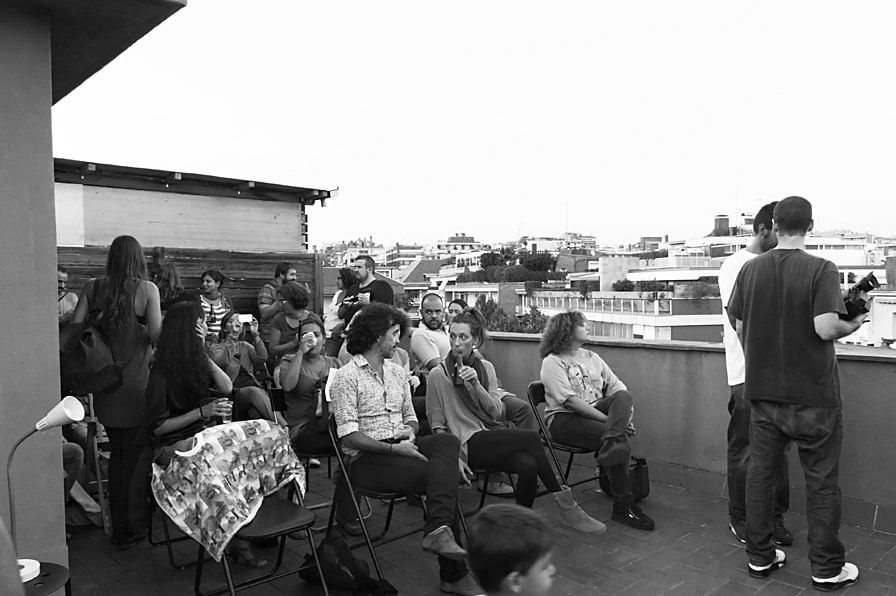
What I propose might seem like a monumental absurdity to you, but with this simple gesture we can begin to save the artistic ecosystem. It's a very easy and practical exercise: organize a pandemic dinner for six people at home (which in a restaurant could cost you 30 or 40 euros per head), reduce spending on food and set aside the same amount or a slightly higher price to treat yourself to half an hour of music or a poetry recital. You'll think I'm crazy, but I assure you that many of the fellow musicians, poets, and actors in the country will be delighted to come and work at your house or rooftop (a community increases the number of people and therefore can mean more money). Think of your favorite singer or actor and don't think I'm losing my mind, because I tell you that if they can do three or four performances of this type a month and complement it with their usual work in auditoriums or theaters, the experiment will pay their rent and allow them to work.
Because that's what people in culture want: to work, to enjoy and to make others enjoy, and to translate all of that into money. There's nothing wrong with accepting it, and weaving new forms of economic complicity with culture doesn't turn us into capitalist vultures. On the contrary, the new paradigm allows us to be programmers, to invent new creative ways of making culture in Barcelona that promote a much more direct relationship between the consumer-programmer and the artist. This post-pandemic present, I repeat again, seems to me a privileged historical moment to try again, and the more activity there is, the better artists and magnificent and brave managers like the people at Coincidències will live and be able to do their work, overcoming volunteerism. If the model is amplified, in turn, it can lead to a new universe of startups and forms of contracting that give an even livelier boost to the management of the sector. We must end the model of public and volunteer culture: it is an outdated and poor pattern.
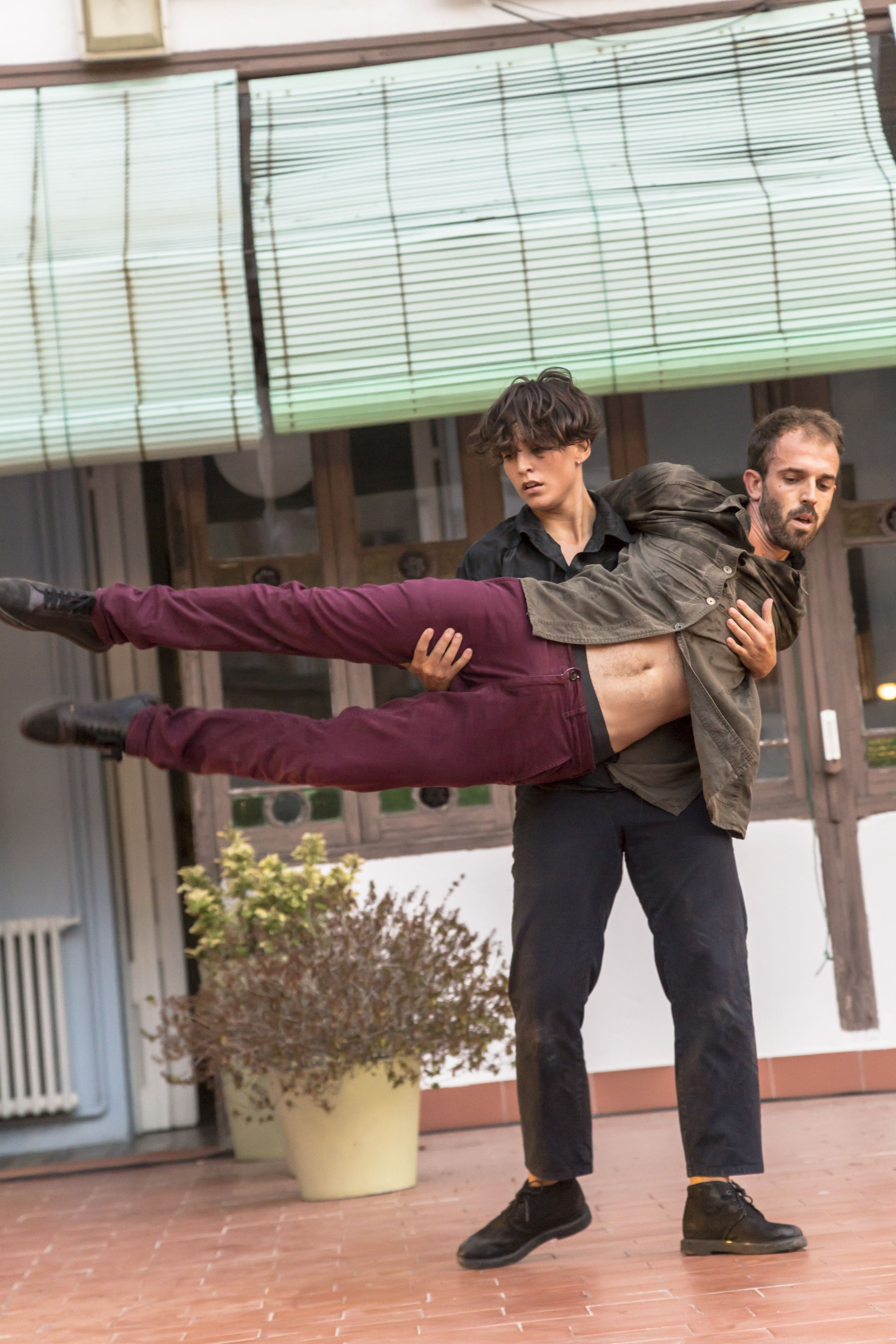
The title of this article is not a simple clickbait exercise: you are the only one who can save culture, and in fact, you are also the one who can enrich it by giving it new forms of interaction and consumption that are much more attractive for the spectator and its protagonists. The opportunity is unique. Barcelona is the place to do it. We are already late. You are already late. I am already late. Let's move our asses, let's move our heads. And let's pay, because at home we love to pay and for people to get paid. And the more the better.
Add The New Barcelona Post as your preferred Google source for free
Stay informed with the latest news.