
In retail, we talk endlessly about innovation, technology, omnichannel, or customer experience. These are necessary debates. But when one stops to observe businesses that have been open for over a century, the conclusion is clear. And that is, they haven't survived by always being one step ahead in trends. They have survived because they understood something deeper than the product or location: they knew how to build culture and take care of people.
Barcelona is full of examples. Cereria Subirà, founded in 1761, has gone through industrial revolutions, wars, and urban transformations without losing its essence. Casa Gispert, since 1851, continues to roast nuts in its original oven. Colmado Múrria, opened in 1898, keeps alive a way of understanding commerce where treatment is as important as the product. None of them compete on price. They compete on identity.
When I visit these types of businesses, I do so with a learner's mindset. Leaving the office and entering the store is one of the best schools there is. Observing how the product is placed, how the customer is greeted, how knowledge of the trade is transmitted. There is more strategy in a well-attended counter than in many corporate presentations.
For decades, working in a store was not simply occupying a position. It was exercising a trade. It was being part of a history. There was pride of belonging. The connection was not limited to a payroll, but to a shared project.
But today, the great challenge for the sector is not just selling more. It is about sustaining committed teams. Absenteeism increases. Turnover grows. Involvement weakens. And I'm not just talking about physical absences, but something harder to detect: people who comply, but don't connect. When the team's energy disappears, the store loses its soul. And the customer perceives it instantly.
Many entrepreneurs continue to focus the debate on commercial strategy or technological investment. All of that is important. But you cannot automate the emotion transmitted by the person who serves. The customer may forget the detail of the assortment, but they do not forget how they felt.
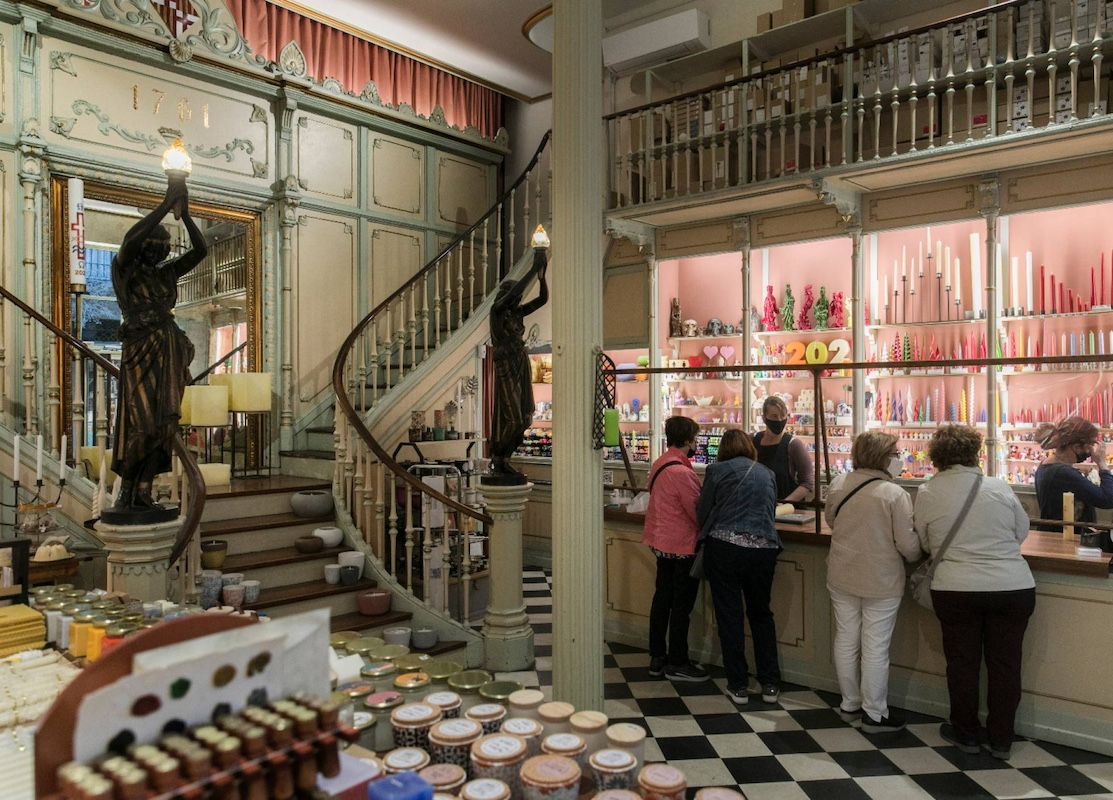
Centuries-old businesses understood that culture is not written in a manual; it is built every day. In the way of greeting. In how a complaint is resolved. In internal demand. In the coherence between what is said and what is done.
For years we promoted great salespeople to store managers, thinking that selling and leading were equivalent skills. They are not. Leading involves listening, accompanying, demanding with criteria, and giving meaning to daily work. It involves building a team, not just achieving objectives.
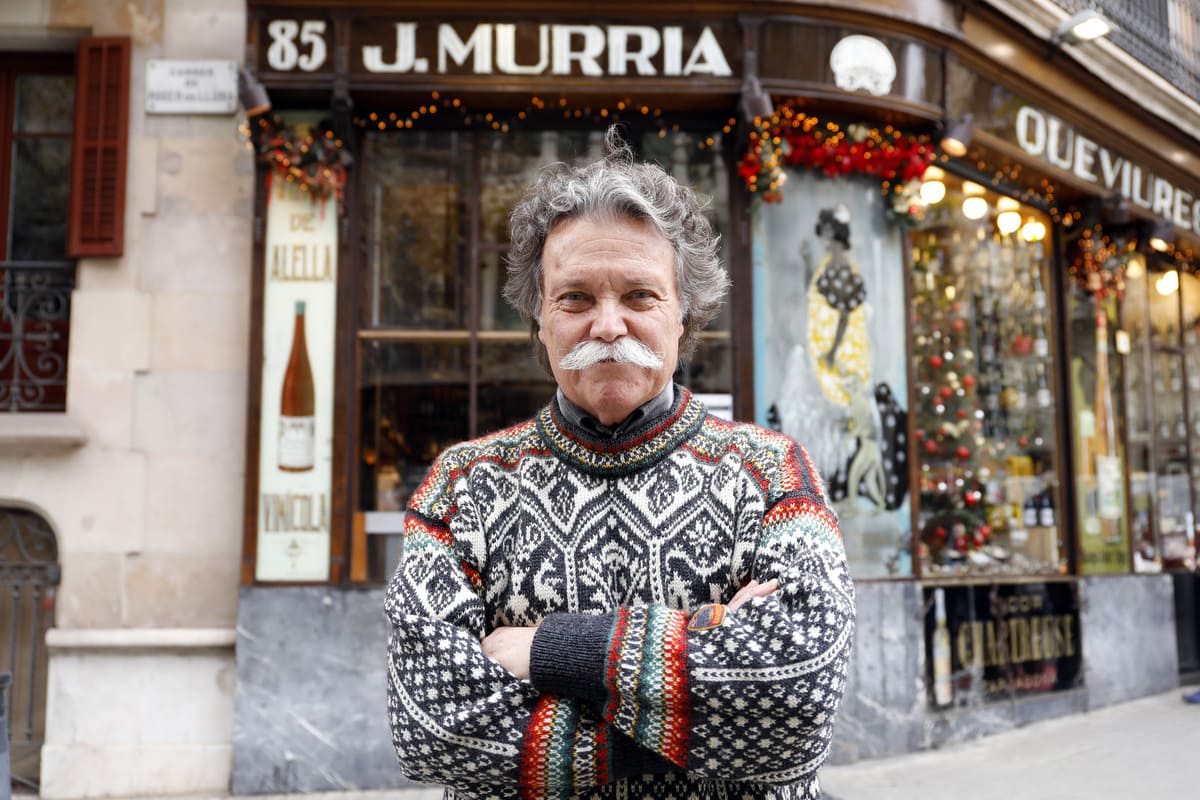
Retail is a real-time leadership school. It forces you to manage pressure, emotions, and results at the same time. It forces you to coexist with different generations under the same roof. It forces you to influence without imposing.
Businesses that last over 100 years do not do so by chance. They have known how to adapt, yes, but without losing their core. They have protected their internal culture while evolving externally. They have understood that the product can change, the environment can transform, but the relationship between people remains the true engine. Humanizing retail is the key.
You cannot automate the emotion conveyed by the person who serves youBarcelona boasts historical commerce, but preserving these businesses is not just an aesthetic or heritage issue. It is a living lesson for the present. They remind us that the retailit doesn't start in the algorithm nor end at the cash register. It starts and ends with people.
There lies the key that explains why some businesses last for generations while others, even with much investment and technology, disappear in a few years. It's not the product. It's not the trend. It's the ability to build teams with pride, coherence, and purpose. And that, no matter how sophisticated the sector, remains irreplaceable.
Add The New Barcelona Post as your preferred Google source for free
Stay informed with the latest news.