
For a long time, when I walk through a museum, I tend to pay little attention to the exhibited works because I am much more interested in their effect on the public. So again, seeing Turner, Light is Color, one of the star exhibitions of the Barcelona artistic season that you can visit at the MNAC until the next diada, if we still celebrate it. In fact, my indifference has radicalized precisely in an expo like that of the English panty-dropping landscape painter, one of the few painters whose postcards have monopolized teenagers' folders (later, desktop or mobile wallpapers) and the calendars of all nannies on the planet.
There are those who get emotional admiring the shadowy figures that emerge from the Venetian water (Going to the Ball of San Martino); I am much more interested in the nonagenarians who observe him like beasts before the umpteenth turra of an art historian, the philosophizing of a lady who explains to her (presumed) daughter-in-law how, in her opinion, Turner is a landscape translation of Brucknerian music, or the Herculean efforts of a neighbor from the territory to frame a small watercolor on his iPhone screen.
Human creatures are of a much more extravagant richness than most works of art. However, I must credit the painter of Maiden Lane with some brilliant findings. First, that he radicalized the Renaissance idea that painting does not translate objects into images, but rather consists of a study on the effect of light on them. Second, and as a derivative, that Turner sagaciously anticipated that humans, in portraiture (and later in photography), would be much more interested in filters than in the final result. It would be interesting to resurrect the London artist, for whom the veil of painting emerged directly from great natural landscapes (with the logical human dwarfing), especially because would be amazed to see how we ended up using the color filter to apply it to the body itself through Instagram tricks. The landscape, for now, is just a depredated object and nature becomes much more impossible for us than for the gaze of romantic bores. Turner, I insist, would hallucinate seeing how we contort ourselves before his paintings to apply the new filter of photography to which we are addicted.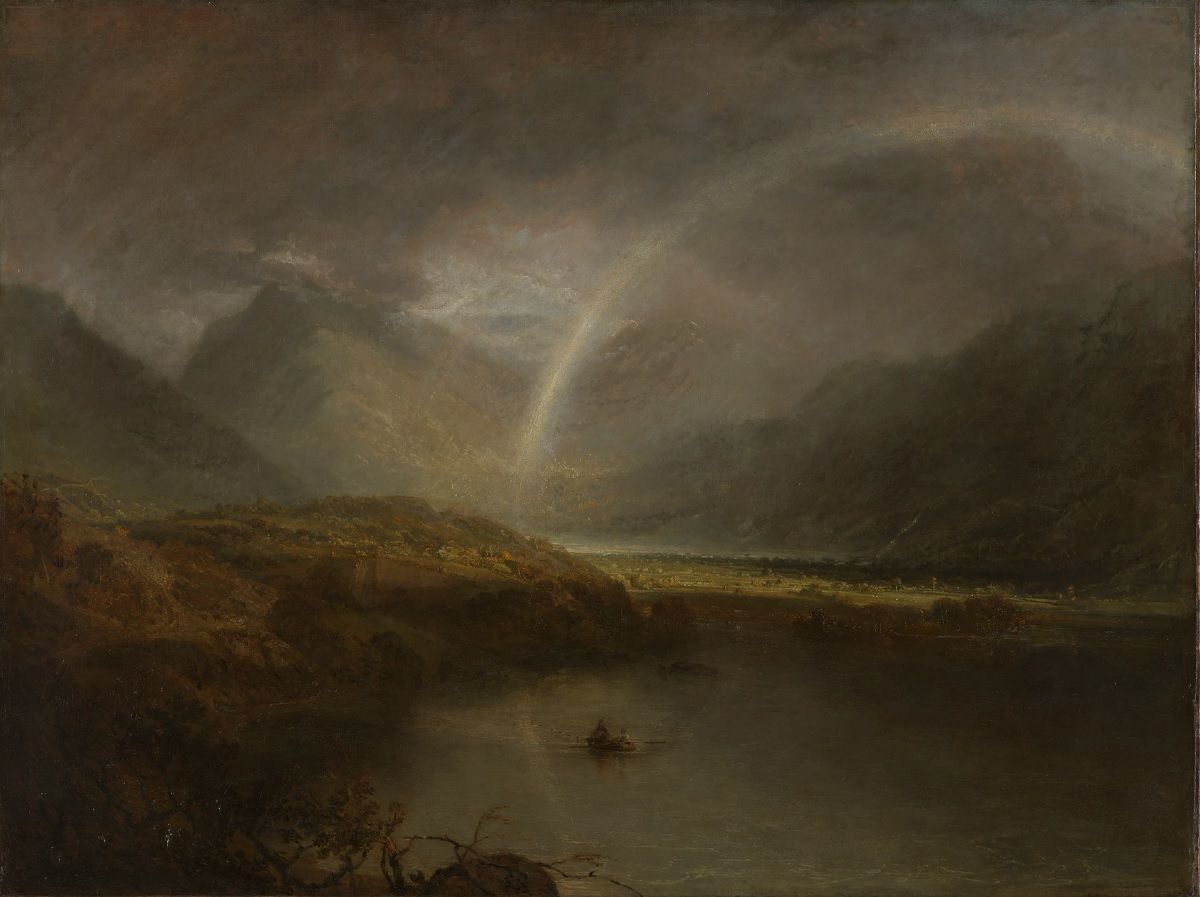
While this does not happen, let's entertain ourselves with Turner, the painter of filters. He provokes human reactions for which it is worth climbing the mountain again.
Add The New Barcelona Post as your preferred Google source for free
Stay informed with the latest news.