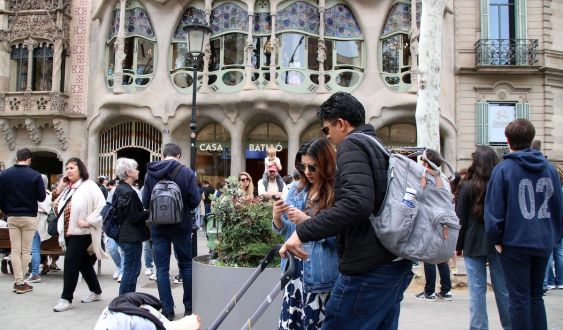
After working for a few decades to attract the maximum number of clients, the world's major tourist cities, such as Barcelona, are reviewing their strategies, and all of them are aimed at finding the most suitable tourists. That is, quality tourists.
Here, no one is expelled, but targets are selected. That requires two things. The first, adapting the city's assets to the new clients it intends to attract, while working to ensure that current visitors evolve towards a more mature relationship with the city.
Barcelona's monumentality —architectural, cultural, and symbolic— must cease to be solely a massive attraction and become a planning tool. The great icons cannot continue to function as poles of permanent congestion, but rather as nodes from which to structure a richer, more demanding, and better distributed urban experience throughout the city's neighborhoods. This implies raising the cultural value of access, narrative, and the use of heritage.
The second condition is to identify who these quality tourists are and where they are located. Barcelona does not have a demand problem, but a fit problem. The debate is not whether there are too many visitors, but whether the city's attraction capacity is being used adequately. Selecting targets does not mean putting the city at the service of the world's richest rich people to stay in the best hotels, but being able to attract visitors who seek us out for culture, innovation, business schools, and universities to study.
Also, that they identify us as an ideal space for scientific meetings and congresses, for business, health, gastronomy, and that multinationals install their centers of excellence, such as the one Accenture is creating around one of the greatest advances in AI.
The turnover generated by all these sectors is much more profitable from the perspective of general wealth and quality jobs than what hotels and restaurants currently produce. These support services are indispensable, but tourism cannot continue to be exclusively linked to them. The new vision broadens the focus.
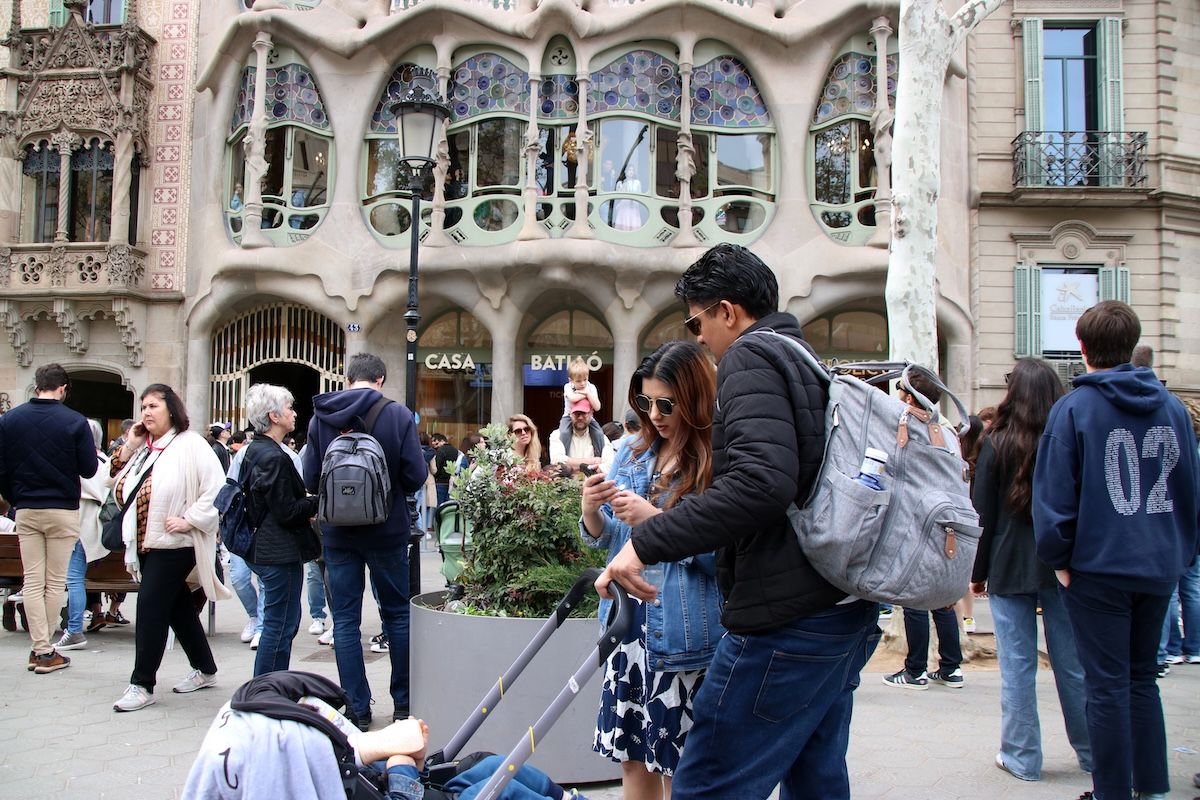
Here, two challenges arise. One is that this model change is accompanied by a determined policy to reduce housing prices. It is not a parallel debate, but a central one. Residential city and tourist city are not inevitable enemies, but they do require strict rules. Increasing the supply of affordable housing for the population, accelerating land transformation, or raising some height in the Metropolitan Region must be part of a strategy aimed at a more livable and accessible city for its citizens.
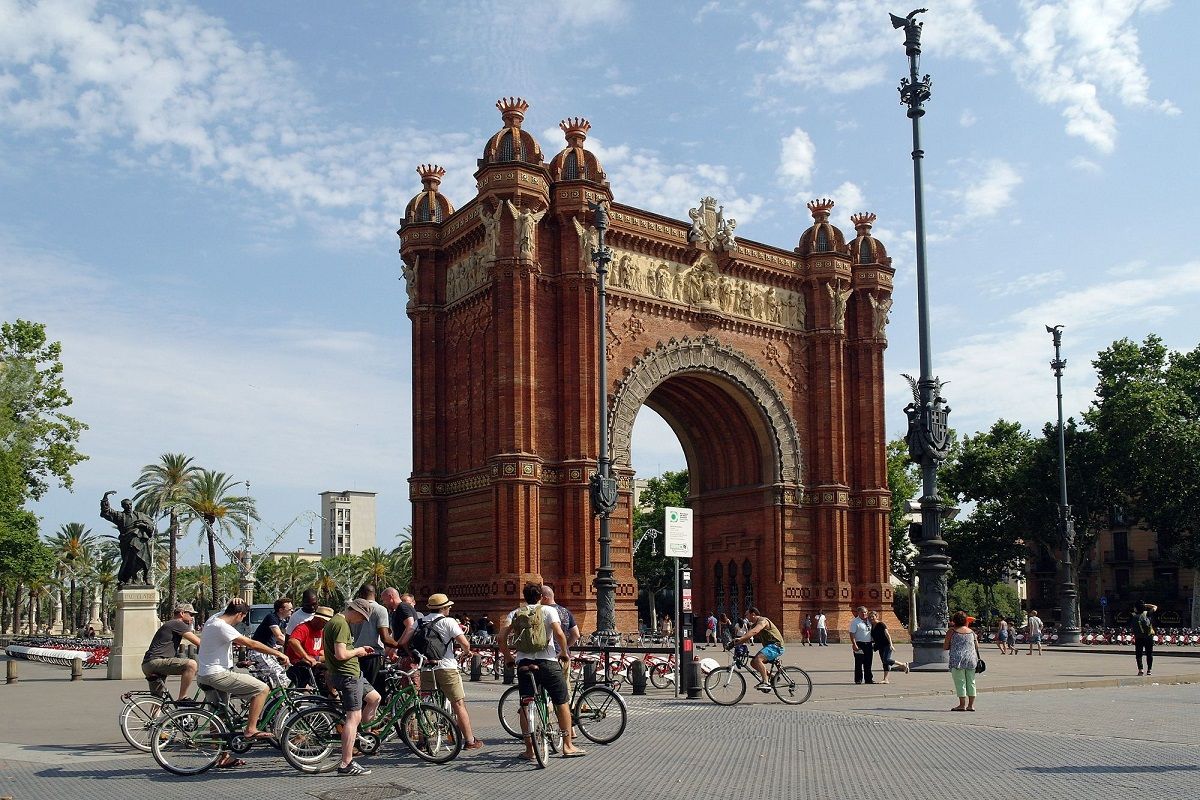
The second challenge has to do with Barcelona having adequate technological tools to manage real-time flows, staggered reservation systems, predictive congestion information, or intelligent regulation of access to the most sensitive and stressed areas, tools that are not yet being fully exploited.
Only advances in this regard will reduce the derogatory view that a part of the citizenry maintains about tourism. Despite its important contribution to the city's GDP and employment, tourism is still excessively associated with negative externalities, although many of them are not directly attributable to this activity.
Add The New Barcelona Post as your preferred Google source for free
Stay informed with the latest news.