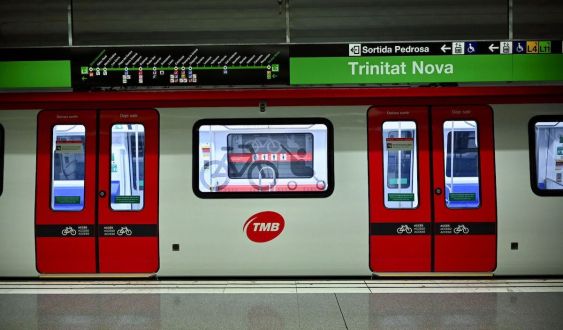
The Barcelona metro network is beginning to incorporate the order of 50 new trains for lines L1 and L3 that TMB commissioned from the French multinational Alstom. With a budget of 318.85 million euros, this is the most important purchase of railway material in the operator's history and will serve to eliminate all asbestos present in metro vehicles, in addition to modernizing the service and making it more accessible.
The first train was launched this Monday on L3, almost a year later than initially planned, with a schedule clearly affected by the global supply crisis. The green line will progressively add new units until incorporating 26. Likewise, L1 is expected to receive the first unit between April and May. From this moment on, TMB expects to incorporate a new train every fifteen days on each of the two lines. In this way, 50% of the acquired trains will have been incorporated by the end of 2023.
The new wagons, from series 7000 and 8000, will serve to replace the oldest vehicles in the Barcelona metro. Specifically, 48 trains from series 2000, 3000, and 4000 will be withdrawn, which represent the majority of rolling stock that makes up lines 1 and 3. The presence of asbestos in these convoys will prevent them from being reused and they will be scrapped. On the other hand, the purchase made by TMB will allow the fleet of line 3 to be expanded with two more trains.
The improvement of accessibility has been one of the main objectives of the commission to Alstom, which has had the collaboration of entities such as ONCE, Ecom, Dincat, and Cocemfe. Thanks to their contributions, the doors and corridors of the wagons will be wider, and spaces for people with reduced mobility will be clearly distinguished, and the doors closest to them will have automatic opening. As is already done on other trains, the exterior doors of the convoys will be painted red to facilitate their identification for people with visual problems.
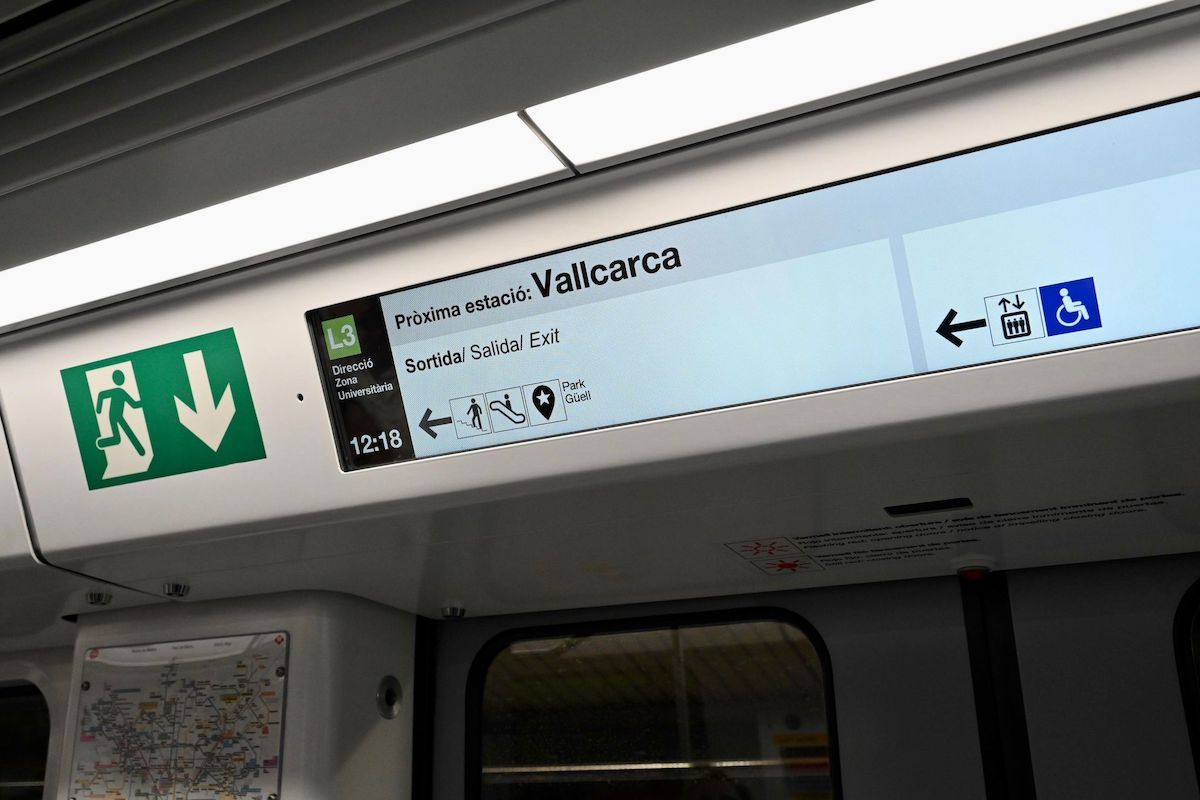
Greater comfort for users will be another feature of the new L1 and L3 trains. More ergonomic seats have been incorporated, as well as side handrails above the seats for people standing. The classic red light thermometers that now indicate stops will be replaced by screens, which will allow more information to be provided. There will be USB ports for charging mobile devices, a service that until now was only available on line 2.
Add The New Barcelona Post as your preferred Google source for free
Stay informed with the latest news.
