Every four years, the FIFA World Cup not only transforms the stadiums and host cities —in this edition, Canada, Mexico, and the United States—. It also completely changes the work rhythm of thousands of bars and restaurants thousands of kilometers away, which multiply their orders, reorganize staff, adapt their gastronomic offerings, and turn each match into a business opportunity.
Barcelona is no exception. The semifinal that will pit Spain against France this Tuesday will once again fill bars and restaurants with fans. In one of Europe's most international cities, where communities of dozens of nationalities coexist and millions of visitors arrive every summer, the World Cup is experienced in many ways, and practically every match finds its audience. Argentinians, French, Moroccans, or Colombians have turned numerous bars into meeting points during match days, while other Barcelonians follow the tournament from a distance or simply choose not to.
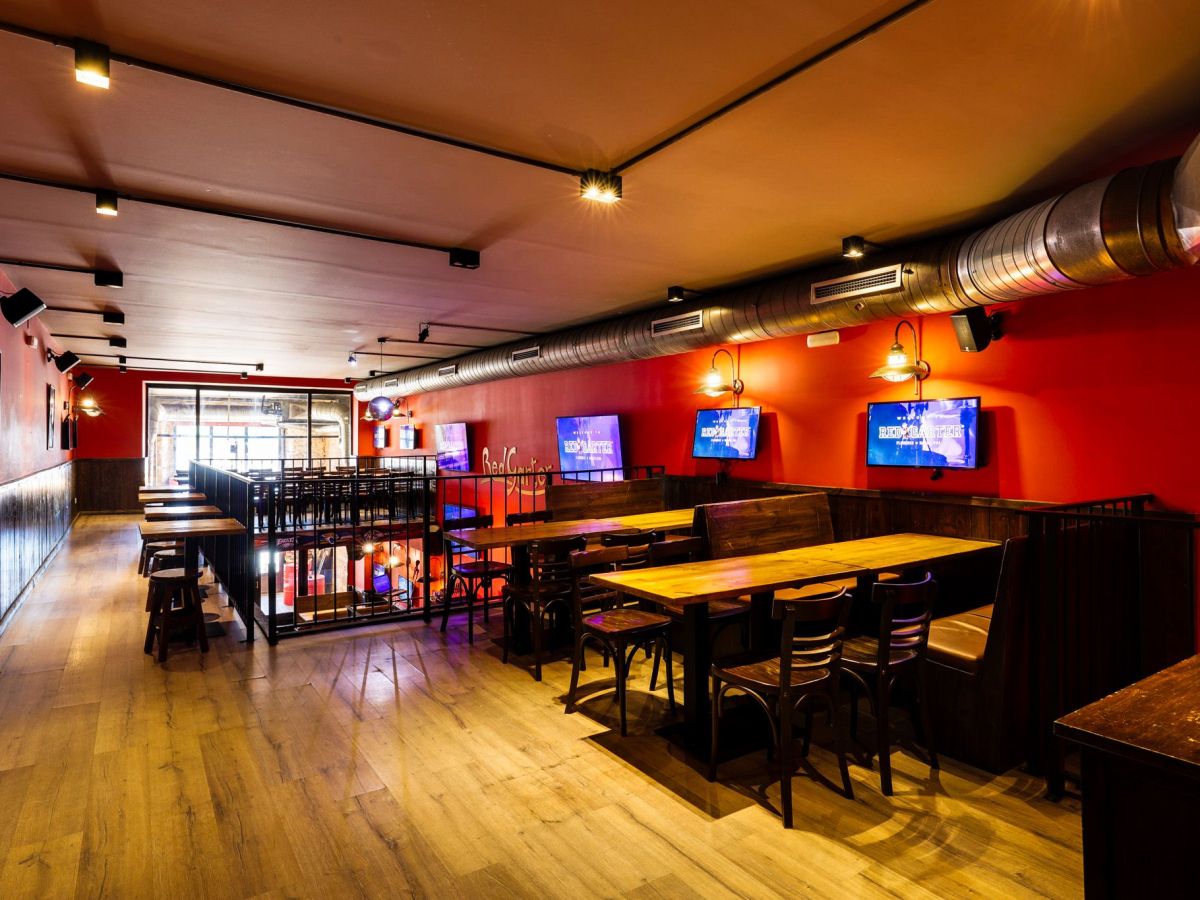
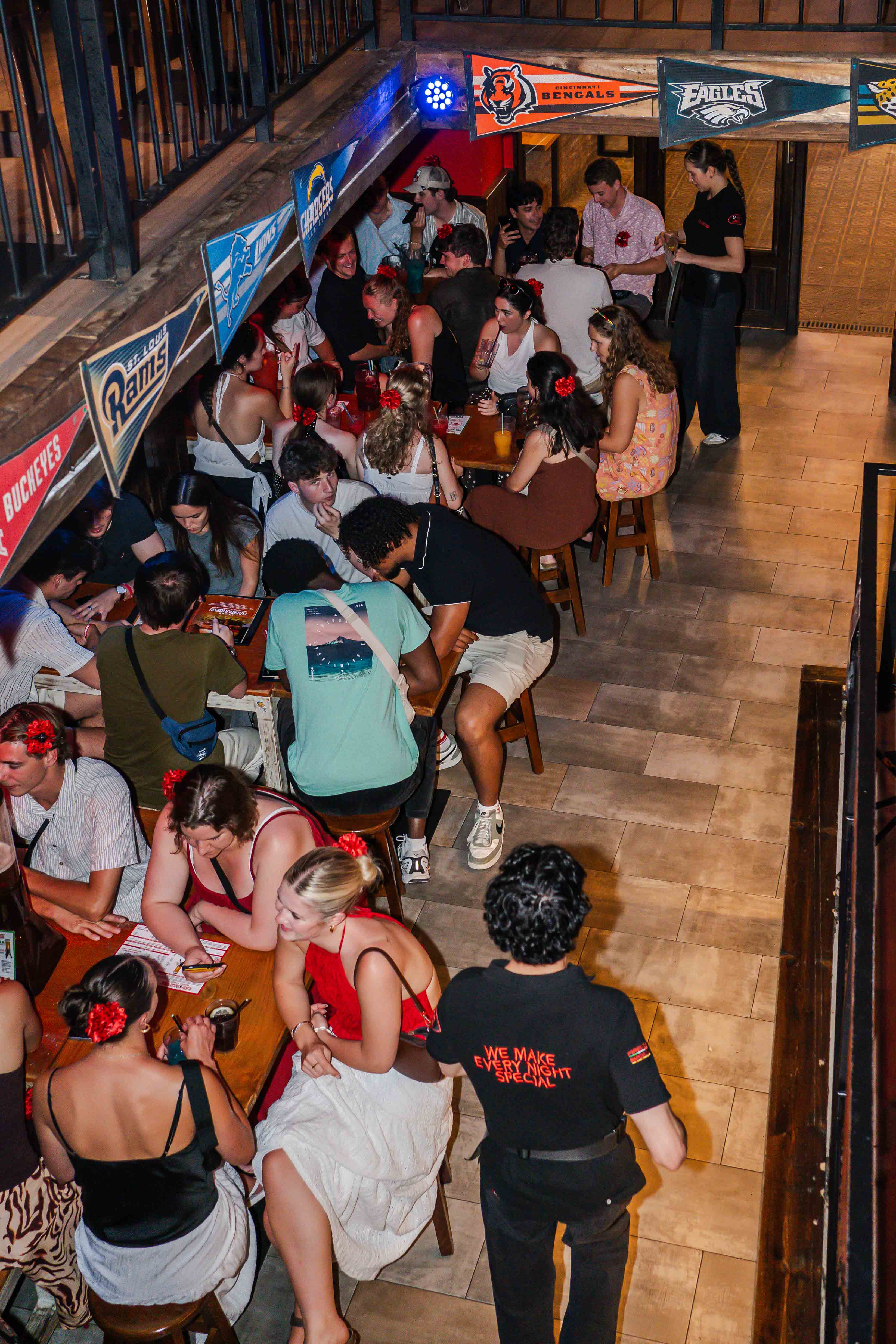
But, for the hospitality industry, behind every match are weeks of planning. While the national teams prepare their strategy on the field, bars and restaurants do the same among warehouses, orders, and capacity forecasts. "With the World Cup, you can't improvise. We are aware that consumption skyrockets, and that forces us to plan weeks in advance, reinforce stock, and have everything ready," explains Gustavo Mazzeo, director of Red Garter, an Italian-origin sports bar —founded in 1962 in Florence and also established in Barcelona since 2017— located in the Barri Gòtic.
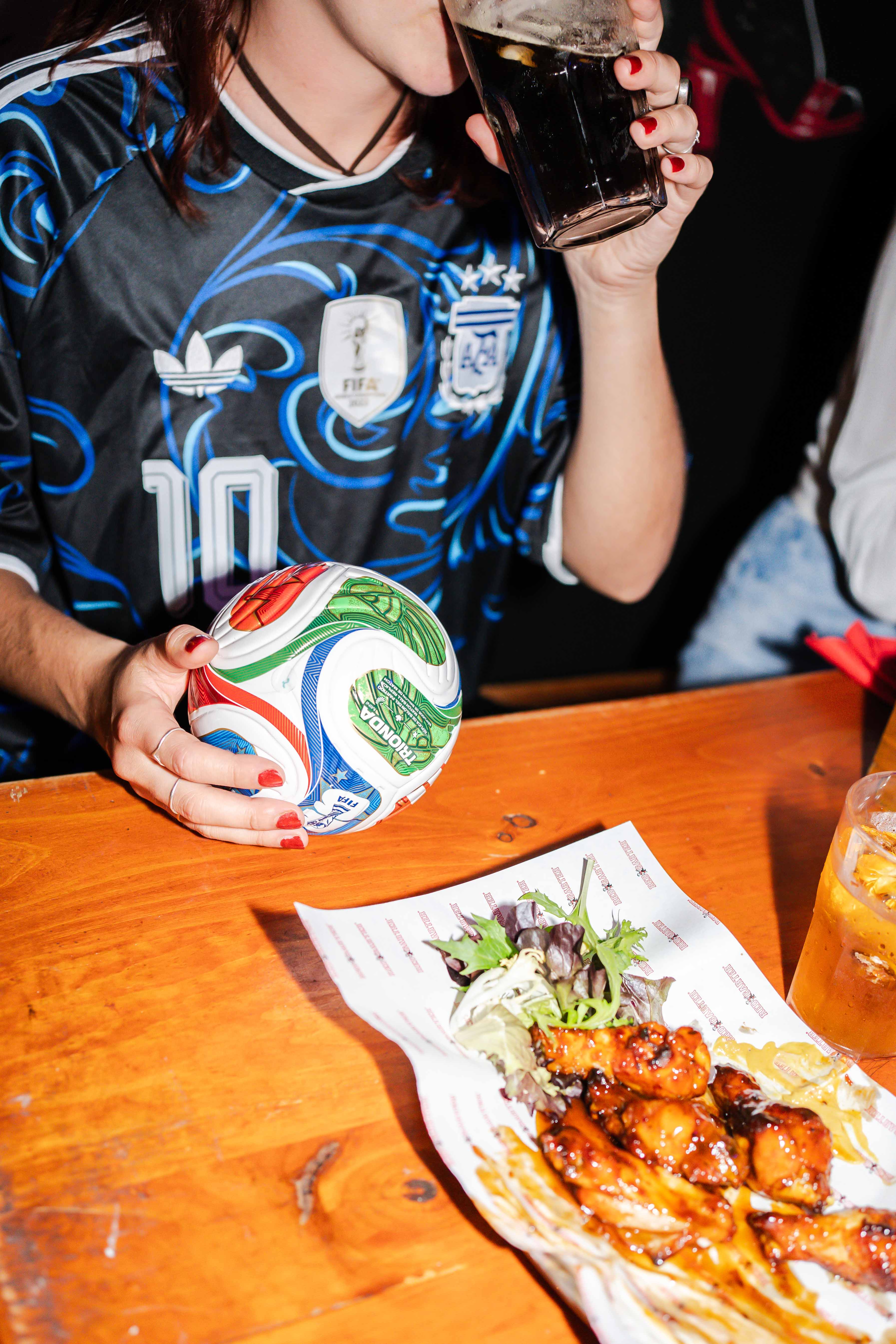
And the increase in demand is not minor. According to Mazzeo, during the World Cup, beverage consumption triples —with a special focus on soft drinks like Coca-Cola and water—, while food orders (both in the restaurant and through the delivery service) practically double. A trend that is not limited only to the last decisive matches but has been repeated throughout the championship thanks to the international character of the city.
Although in Barcelona the following is uneven, Spain's matches, according to Mazzeo, have been some of the most crowded, but not the only ones. France —rival of the Spanish national team in this Tuesday's semifinal— or Argentina, as well as already eliminated teams like Morocco, Colombia, Argentina or Belgium, have also gathered numerous fans throughout the championship.
This changing public also implies transforming the experience. In addition to reinforcing stock and reorganizing the staff, the establishment adapts the atmosphere depending on each match. "I always tell my team that you have to understand what each client comes looking for. It's not the same someone who comes in to celebrate a birthday as someone who comes to experience a match. We have to make sure they have the best screen, that they hear the broadcast well and anticipate what they need so they can enjoy the experience," Mazzeo remarks.
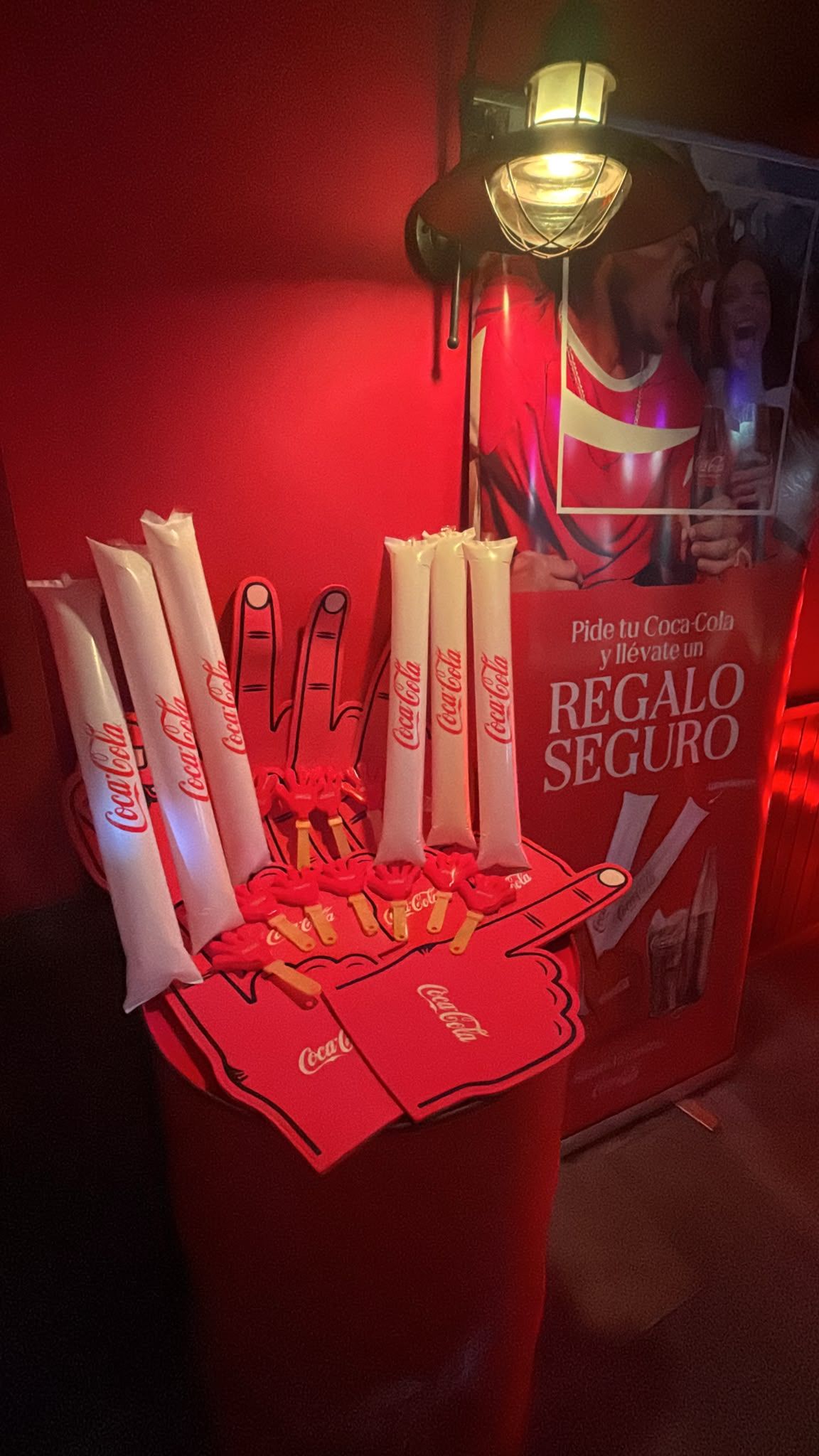
For this reason, during the World Cup, Red Garter is filled with flags of the different national teams, organizes special actions with brands like Coca-Cola —which has distributed clappers and other accessories among customers who ordered a soft drink to cheer on their team— and, once the match ends, the broadcast gives way to live music to prolong the celebration.
Barcelona adapts to the World Cup
Red Garter is not an isolated case. Throughout Barcelona, bars and restaurants have adapted their activity to the rhythm of the championship, either by installing giant screens, designing special promotions or adapting their gastronomic offer for match days.
In the Catalan capital, venues such as L'Ovella Negra in Marina —with its large screens and crowded atmosphere—, Belushi's or the pizza chain Sports Bar have consolidated themselves as some of the main meeting points to follow the World Cup. The Time Out Market Barcelona has also joined the championship with live broadcasts, in addition to establishments such as Hard Rock Cafe that have designed exclusive menus for the occasion, such as the new Messi Menu, developed in collaboration with the Argentine footballer.
But the World Cup is not only experienced in bars. More and more fans are choosing to follow the matches from home, a trend that has also led numerous restaurants to adapt their offerings for home delivery. "During match time, we have peaks in orders. There are people inside the restaurant watching the game and, at the same time, many people who prefer to follow it from home and order through apps," says Mazzeo.
Some establishments have decided to respond to this demand with specific proposals for match days. This is the case of Armando, which has launched a special menu to share with some of its most popular dishes, such as its glazed super wings, sobrasada omelet with Mahón cheese, or its well-known 40-centimeter escalopes. The Argentine chain Chalito, for its part, has brought back La Mundial, a limited-edition milanesa sandwich that was already a hit during the previous championship and returns for this World Cup.
In addition, although Barcelona will not install giant screens for the semifinal between Spain and France —it will do so for the final on July 19, regardless of the qualified teams—, several municipalities in the metropolitan area have opted to bring the World Cup to public spaces. Badalona, El Prat de Llobregat, Sabadell, Terrassa, Santa Coloma de Gramenet, Gavà, Mataró, Rubí, and Castelldefels will offer outdoor broadcasts so that fans can follow the match together, an alternative to the bars and restaurants that have concentrated much of the World Cup atmosphere in recent weeks.
Add The New Barcelona Post as your preferred Google source for free
Stay informed with the latest news.