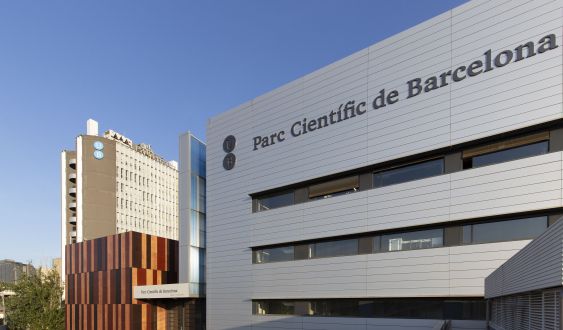
Companies linked to the Barcelona University Science Park (PCB-UB) once again signed a record year in 2025. The start-ups, spin-offs, and scale-ups located in the park raised a total of 229.7 million euros, the highest figure in its history.
The figure far exceeds the previous historical maximum, registered in 2022 with 142 million euros, and reflects the capacity of companies born in the PCB-UB environment to attract capital in an increasingly competitive context. These data also reinforce the weight of the life and health sciences sector within the Catalan economy.
Of the total raised, 202.6 million euros came from private investment and 27.1 million from public funds, representing an 84% growth compared to 2024. Private investment, by itself, doubled in just one year, with an increase of 107%.
Beyond the absolute figure, the data acquires a particularly relevant dimension when compared to the sector as a whole. According to the latest report from the BioRegion of Catalonia, PCB-UB companies concentrated 44% of all investment attracted by life and health sciences in Catalonia, which reached 517 million euros during 2025. The sector already represents 7.6% of Catalan GDP, consolidating itself as one of the main growth engines of the Catalan economy.
"That almost half of the capital raised by the life and health sciences sector in Catalonia comes from companies linked to the PCB-UB demonstrates the solidity of our environment and the strategic role that the park plays within the sector," highlighted the general director of the PCB-UB, Maria Terrades. The record cannot be understood without the impulse of various companies born in the park that have managed to close financing rounds of an unprecedented dimension until now.
The protagonist has been SpliceBio, born in the Science Park, which closed a financing round of 118 million euros, the largest ever achieved by a biotechnology company in Spain. The company develops gene therapies for hereditary diseases and will allocate these resources to advance treatments for Stargardt disease, a degenerative retinal pathology for which there are currently no approved therapies.
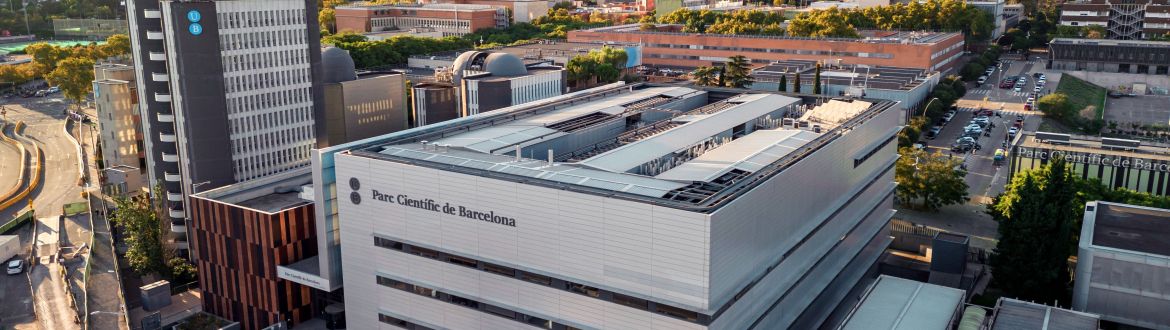
The second major operation of the year was led by Deepull, specialized in rapid molecular diagnostics for severe infections, which raised 50 million euros to boost the development and commercialization of its early detection platform for sepsis. The round became the second largest operation in the sector in Catalonia during 2025.
Operations such as the extension of Orikine Bio's round, with 5.7 million euros, or the additional three million euros obtained by INBRAIN Neuroelectronics, one of the most promising deep tech companies thanks to its graphene-based technology for direct interaction with brain activity, also stood out.
A growing environment
Public investment also maintained a relevant role within the park, with 27.1 million euros raised through state, Catalan, and European programs aimed at promoting scientific and technological innovation.
For the rector of the Universitat de Barcelona, Joan Guàrdia, these figures reflect much more than business success. "The Scientific Park is an essential lever to facilitate the technological transfer that the Catalan research system needs," he pointed out, highlighting its role as a meeting point between university, research, and business.
The growth of the park will also have a physical reflection in the coming years. The PCB-UB is already working on the expansion of its facilities with the construction of the new Cub and MIES-UB buildings, two projects designed to meet the growing demand for spaces for research and innovation. The Cub building, promoted by the park itself, will provide an additional 2,700 square meters for R&D activities and is scheduled to begin construction in 2027 to become operational in early 2028.
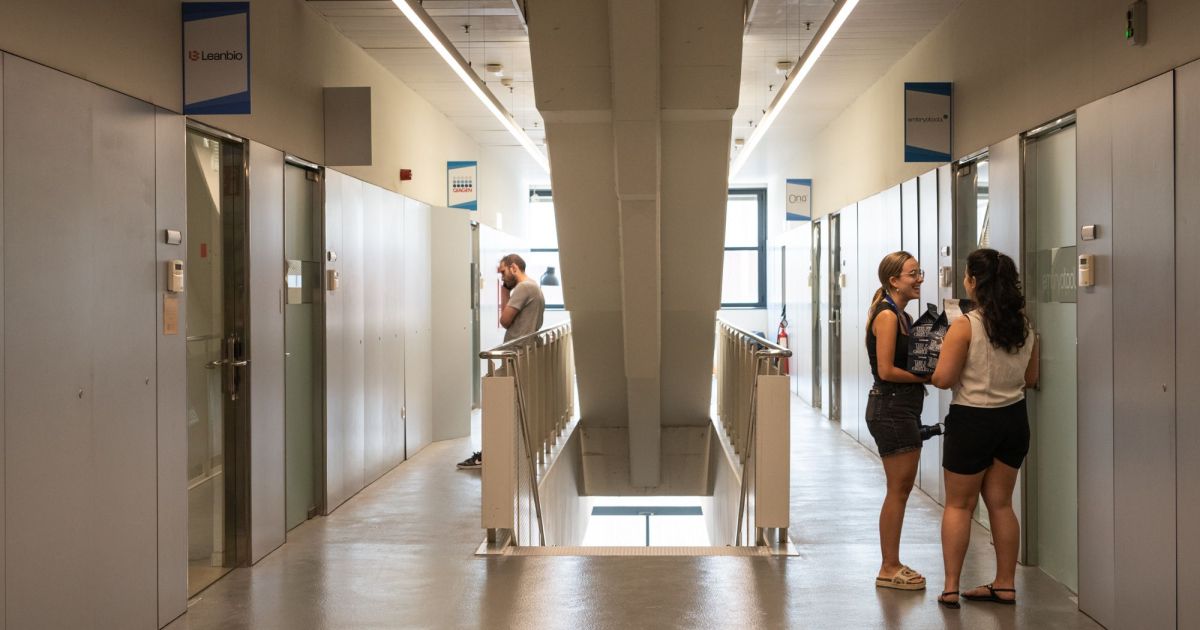
In parallel, the Universitat de Barcelona is promoting the MIES-UB project, which includes the construction of two new buildings with a combined area of 24,000 square meters on the Diagonal Campus. One will house the new headquarters of the Faculty of Mathematics and Computer Science, while the other will serve to expand the Scientific Park with 10,000 square meters dedicated to health and bioengineering research.
This new equipment will host institutions such as the Institute for Bioengineering of Catalonia (IBEC), the Fraunhofer Institute and various research groups from the UB, in a space designed to combine laboratories, shared work areas and scientific interaction. The building is expected to be operational by 2029. Both projects are part of the future Campus Clínic-UB, one of Barcelona's main scientific and healthcare commitments for the coming years, also linked to the future relocation of the Hospital Clínic to the UB Sports grounds.
Founded in 1997 as Spain's first science park, the PCB-UB currently brings together 111 public and private entities and more than 3,600 researchers, entrepreneurs and professionals dedicated mainly to biomedicine, biotechnology, digital health and other disciplines related to life sciences.
Add The New Barcelona Post as your preferred Google source for free
Stay informed with the latest news.