The installation of the four horizontal elements of the cross brings the temple closer to its apex, coinciding with the centenary year of its architect's death
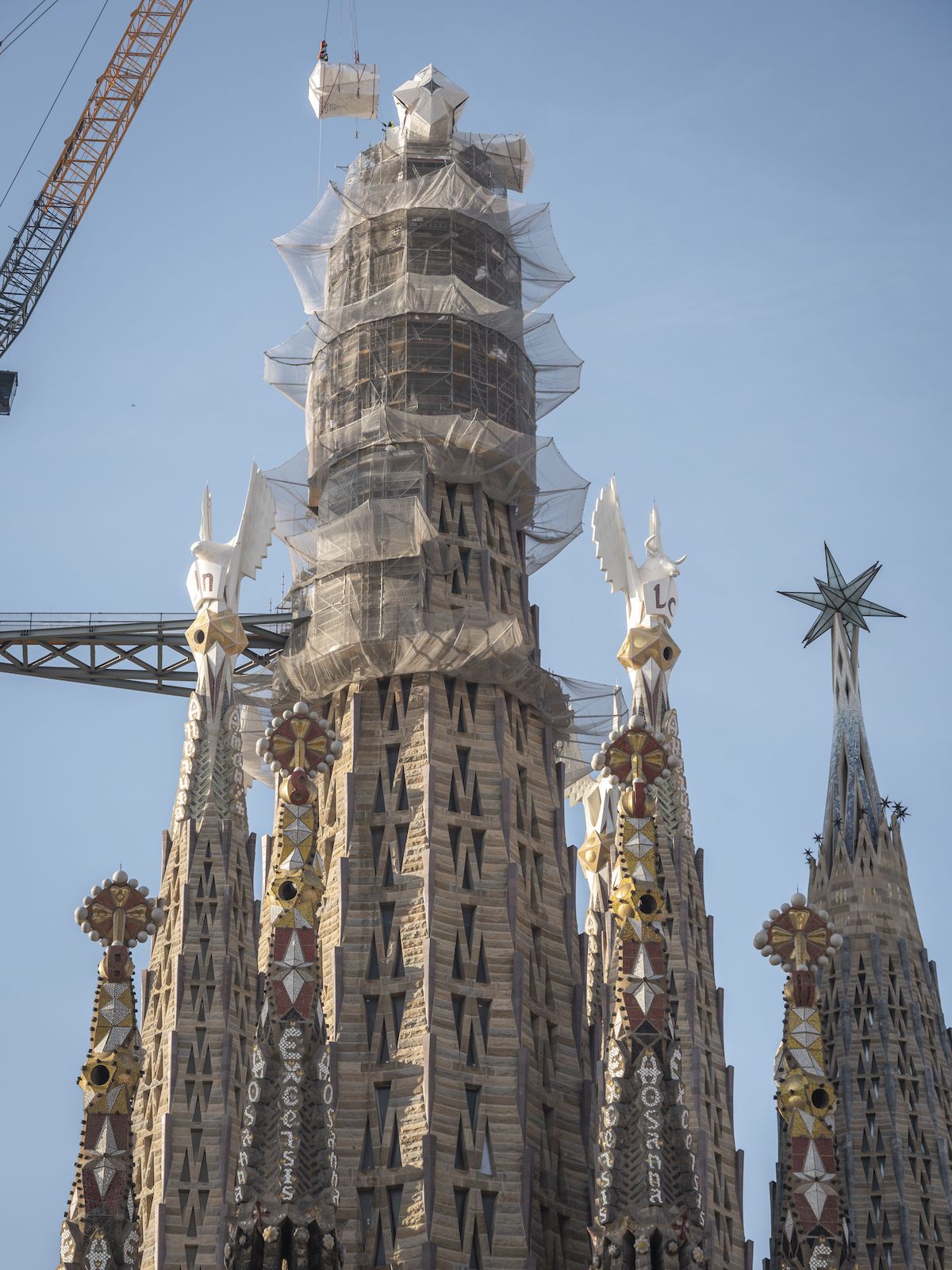
The year 2026 is presented as a turning point in the history of the Sagrada Família. A year full of symbolism, because it coincides with the centenary of the death of its architect, Antoni Gaudí, and because, before the pandemic, this was the year that had been indicated as the horizon for the culmination of the temple. Now, however, the Construction Board delays the completion date by almost a decade, placing it around 2035 —without including, however, the controversial staircase designed by Gaudí, which would involve the demolition of several floors on Mallorca Street—. Although this year tourists and Barcelonans will finally not be able to see the Sagrada Familia finished —in a construction that has already lasted more than 140 years, since its beginning in 1882—, they will witness a decisive moment: the culmination of the Jesus Tower, the highest point of the complex.
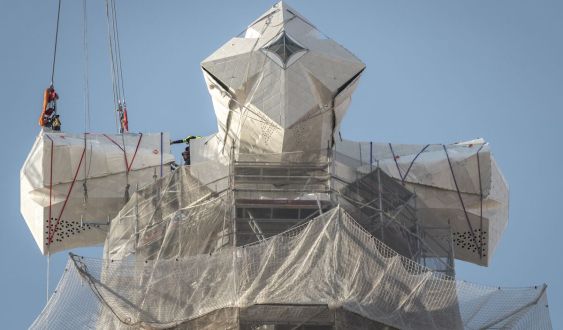
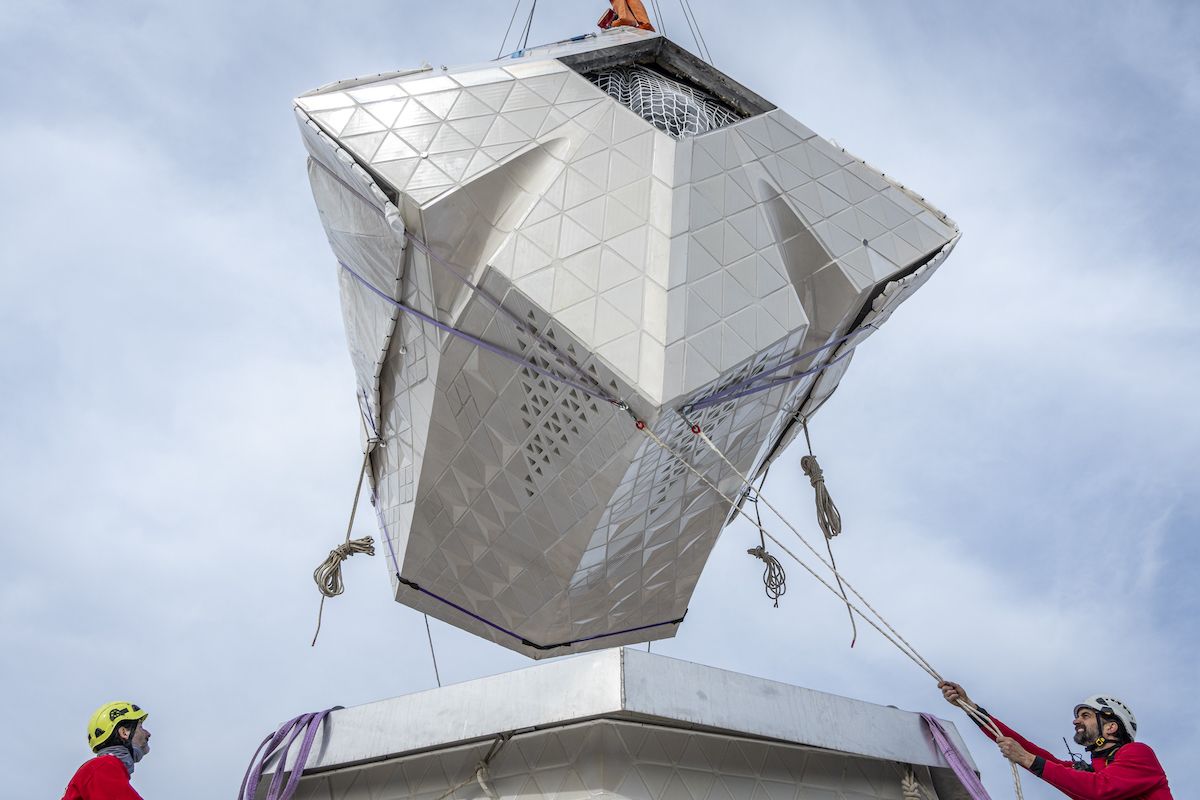
The first steps towards this goal are already a reality: the cross that will crown this tower has begun to take its definitive shape, with the installation of the four horizontal arms, after workers placed the last of these elements this Wednesday. The arms follow the double-twist geometry that Gaudí projected for all the columns and crosses of the temple. That is, they present a square shape at the outer end and an octagonal shape at the inner end, from where they connect with the core of the structure.
The installation is a work of high technical and architectural complexity, made possible by meticulous and highly specialized teamwork. Each of the arms weighs approximately 12.8 tons and has dimensions of 4.40 meters high by 4.50 meters wide.