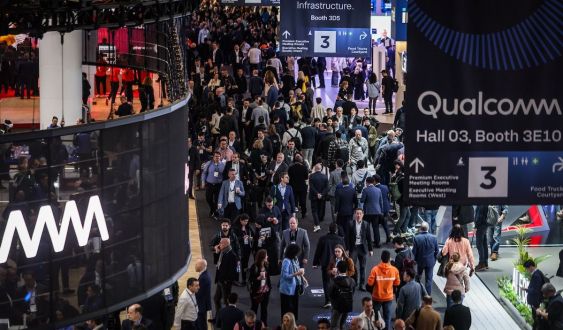
The Mobile World Congress 2026 generated an economic impact of 588 million euros in Barcelona, 4.8% more than the previous year, when the figure reached 561 million. This year's edition brought together nearly 105,000 attendees from 207 countries and territories, once again consolidating the event's role as one of the city's main economic and technological drivers.
The balance presented by GSMA also reflects the creation of 14,016 temporary jobs, exceeding the 13,000 generated in 2025, as well as the participation of 2,900 exhibitors, sponsors, and partners and more than 1,700 speakers and opinion leaders. During the four days of the event, there were also 245,000 hotel overnight stays, with an average stay of 3.5 nights per visitor.
These figures come in a particularly symbolic year for Barcelona. The 2026 edition has coincided with the 20th anniversary of Mobile's arrival in the city, a trajectory that has generated an accumulated economic contribution of 7.5 billion euros and the creation of 187,000 temporary jobs since 2006.
"Twenty years ago, MWC came to Barcelona with an exciting vision: to unite the world around connectivity and what it can bring to industry and society. Two decades later, this vision has become something neither we nor the city could have imagined," highlighted John Hoffman, CEO of GSMA Ltd.
The publication of these results also coincides with a significant change in one of the entities that has contributed most to extending the impact of the congress beyond the days the event lasts. The board of trustees of Mobile World Capital Barcelona has appointed Laia Corbella as the new general director of the foundation, replacing Francesc Fajula after four years at the helm of the organization.
Corbella's candidacy, proposed by the Barcelona City Council, received the unanimous support of all members of the board of trustees, made up of public administrations, GSMA, and large companies such as Telefónica, Vodafone, Orange, CaixaBank, and Damm.
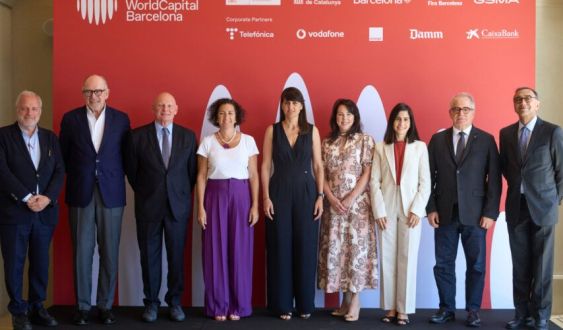
Until now director of Institutional Relations and Public Affairs at Mobile World Capital, Corbella has been one of those responsible for strengthening the foundation's presence within Barcelona's business, technological, and institutional fabric. Before joining the entity, she had served as communication director for the Department of Business and Knowledge of the Generalitat and was also director of Via Empresa.
With more than 15 years of experience between the public and private sectors, the new general director takes on the challenge of ensuring the continuity of an organization that has become a key piece in transforming the international notoriety of Mobile into permanent projects linked to talent, innovation, and technological transfer. "We want to guarantee the continuity of a successful project and, at the same time, promote a new stage of growth and impact," Corbella stated after her appointment.
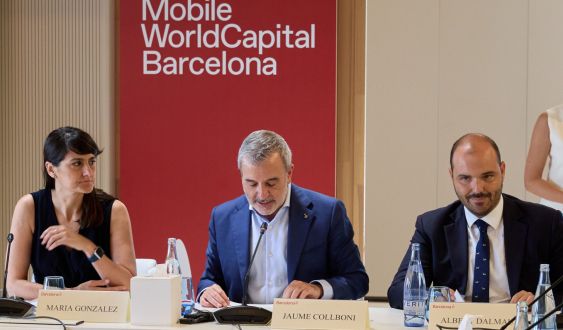
Created in 2012, Mobile World Capital Barcelona was born precisely with the aim of converting the impact of the congress into a lasting transformation for the city. Among its main initiatives, mSchools stands out, developed jointly with the Generalitat and the Barcelona City Council, which has reached 530,000 students, 18,600 teachers, and more than 3,500 educational centers. Also Talent Arena, held in parallel to the congress at the Montjuïc venue and which this year gathered more than 25,000 attendees, consolidating itself as one of the great European meetings for digital talent.
In this context, the mayor of Barcelona and president of the Mobile World Capital board of trustees, Jaume Collboni, highlighted that the legacy of Mobile goes far beyond the days of the congress. "The true value of the event lies in the talent that is formed, the companies that are consolidated, and the international projection that drives the city," he pointed out.
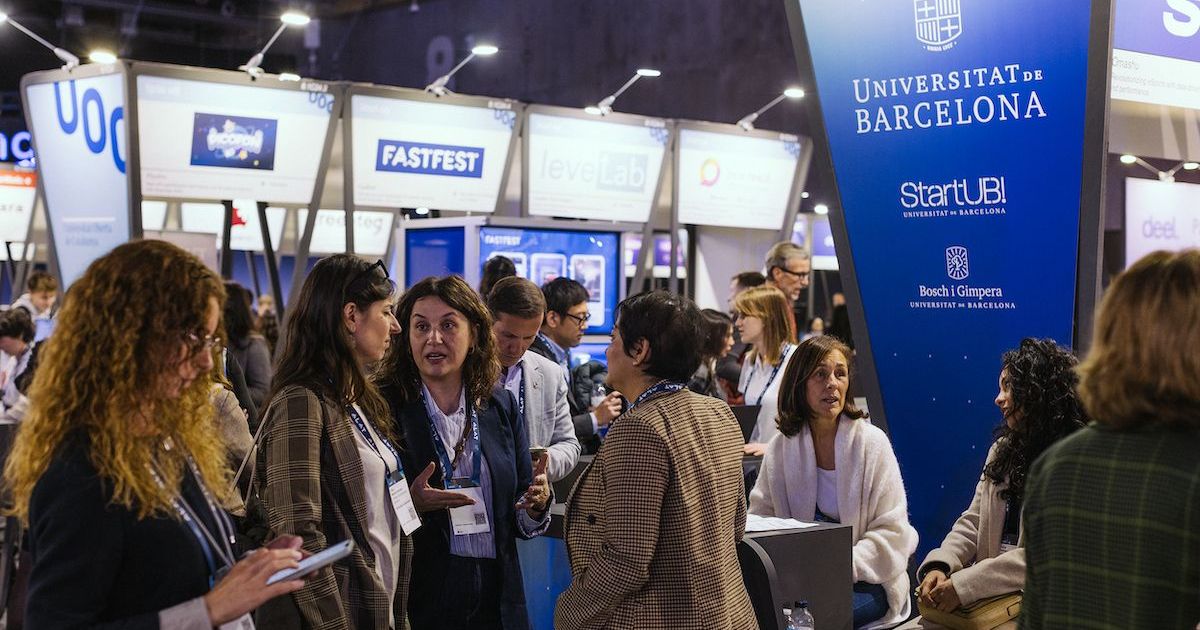
The evolution of Mobile has been accompanied by the transformation of Barcelona into one of the main technological hubs in Southern Europe. Currently, Catalonia has 2,400 active startups and 203 international technological hubs, mainly located in Barcelona and its metropolitan area. The digital economy already represents 25.5% of Catalan GDP, compared to 16.4% when the congress landed in the city two decades ago.
The ability to transform knowledge into economic activity has become, in fact, one of the great challenges of the next decade. An idea that during the last Mobile was summarized in an expression repeated by institutions, universities and companies: from paper to business.
Looking to the future
The prospects for upcoming editions continue to be positive. Hoffman has assured that the interest in participating in the 2027 congress is already higher than it was a year ago for the 2026 edition and has announced that the organization is working on new initiatives coinciding with the planned expansion of the Gran Via venue. During the board meeting held this week, Mayor Jaume Collboni raised the possibility of Mobile remaining in Barcelona for twenty more years. Hoffman's response was immediate: "Why only twenty years? Why not forever?"
Two decades after its arrival in the city, Mobile continues to break records in economic impact. But its main challenge is no longer to grow for four days a year, but to continue transforming this impulse into talent, companies and innovation capable of transforming Barcelona during the other 361 days.
Add The New Barcelona Post as your preferred Google source for free
Stay informed with the latest news.