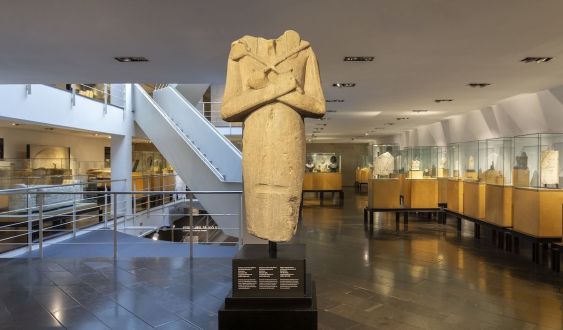
In the debate about tourism in Barcelona we often get caught between two extremes. On the one hand, its undeniable economic impact. On the other, the tensions it generates in the daily life of the city. But between these two poles there is sometimes an invisible thread where committed people return to society the benefits generated by their company. The Egyptian Museum of Barcelona is an example of this. It was founded in 1994 by Jordi Clos, businessman and patron, president of the Derby Hotels group, a family business from Barcelona currently managed by the third generation.
Without this business fabric, and without the express will to create social wealth, the Egyptian Museum of Barcelona would not have been possible, a center born from civil society for civil society, created from personal initiative with the will to fill a historical void in our city.
From the beginning, the museum's cultural project was conceived with a very clear purpose: to share a collection of art and archaeology that would allow it to become a tool for dissemination and training in Egyptology. A discipline that, when I was studying, practically did not exist in Catalonia. Currently, the museum has more than 1,350 pieces of Pharaonic culture and organizes more than 150 annual activities, not counting guided tours. We are talking about a space that brings visitors closer to the history, culture, art and language of ancient Egypt.
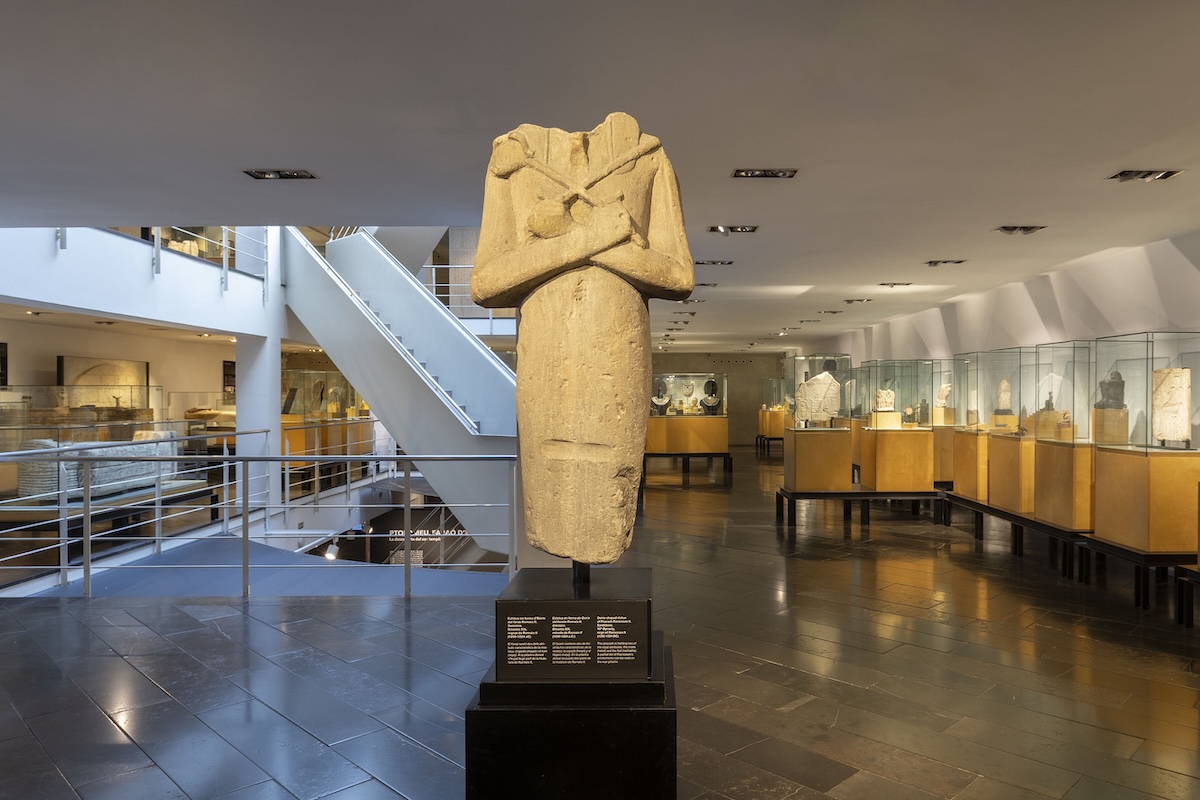
This commitment, which is maintained firmly and without depending on public administration resources, is reflected in concrete figures. Each year, some 35,000 boys and girls pass through the museum through educational programs. In more than three decades, there are already close to 300,000. It is a work that has never stopped. At the same time, the latest audience studies carried out by the museum, without taking into account the school public, confirm that more than 60% of our visitors are from Barcelona and that 50% are under 40 years old. This says a lot: we are a museum with international projection, but deeply rooted in the city, with a remarkably young audience.
Perhaps this is the result of having founded an entity with the will to generate new vocations among the youngest. When a boy or a girl discovers ancient Egypt, they are actually discovering more than an ancient civilization: they are discovering that knowledge matters, that heritage has value, that other cultures and other ways of understanding the world exist. It is there where culture plays its most important role: to awaken curiosity and build a more critical and open perspective.

Culture has a strength that we often forget: it is transversal. It does not understand profiles or levels, and is capable of reaching very diverse people. It is also a meeting point between those who visit and those who live in the city.
This is not the part of tourism that generates headlines, but it is the one that ends up having a greater reach. In the case of the Egyptian Museum of Barcelona, this translates into very tangible actions: exhibitions, educational activities, scholarships for groups at risk of social exclusion, workshops for schools, courses for adults and archaeological excavations that highlight Egyptian cultural heritage. And it does so from a self-management model that allows it to sustain itself without depending on public resources.
"Barcelona should not just be a city to consume; Barcelona must be a city to learn, to understand, to inspire and to be respected."
In recent years, Barcelona has begun to orient its tourism model towards culture. From my point of view, it is a wise decision. Not only because it diversifies the offer, but also because it allows leaving behind a model too linked to leisure and moving towards tourism more connected with knowledge and respect for the city. Culture invites another way of looking at Barcelona, more conscious and respectful. For this reason, I believe that the debate on tourism must go beyond regulation. It is necessary to talk about return, responsibility and city project.

Museums, and cultural facilities in general, have a key role here. They are spaces that explain Barcelona, that connect it with the world and that give meaning to the visit. If we know how to reinforce this role, tourism can become an ally to build a city that projects itself from knowledge. Barcelona should not just be a city to consume; Barcelona must be a city to learn, to understand, to inspire and to be respected. And culture, whether through proposals organized by museums, theaters, concerts or culinary experiences, as well as the culture that ordinary citizens contribute, is the best way to achieve this.
Barcelona has long been living in a polarized debate in which there are still many aspects to resolve and on which work is being done. But sometimes it is necessary to go further and see those invisible threads that activities like tourism weave into other parts of the city's fabric.
Add The New Barcelona Post as your preferred Google source for free
Stay informed with the latest news.