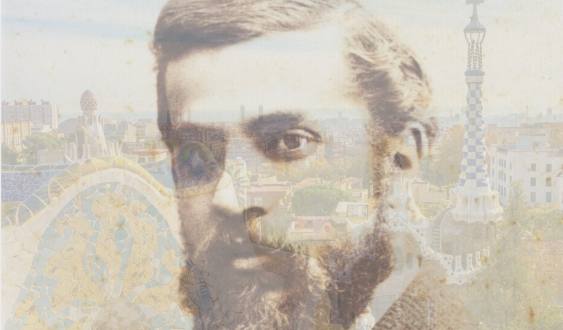
A century after his death, Antoni Gaudí is once again at the center of the cultural agenda with a proposal that shies away from cliché and superficial exaltation. Gaudí Year 2026, under the motto "The invisible order", aims to go beyond the myth to recover the person, the architect, and the thinker behind one of the most universal names in architecture. It is not so much about looking at Gaudí again, but about learning to look at him better.
Gaudí Year is one of the official commemorations of the Generalitat de Catalunya for 2026. In fact, the Department of Culture of the Generalitat will allocate 6.5 million euros to commemorate the centenary of the death of the Catalan architect. In addition, the event has been declared Event of Special Public Interest (EEIP) by the Ministry of Culture of the State, a recognition that opens the door to public-private collaboration through tax incentives, with the aim that the commemoration is not financed exclusively with public resources.
A scientific look to understand Gaudí
The common thread of the Gaudí 2026 Year is the will to explain Gaudí's work with scientific rigor. A commitment that distances itself from the exclusively aesthetic or symbolic readings that have traditionally dominated the narrative about the architect."The figure of Gaudí has often been the object of uncritical exaltation, oriented solely to the character as a tourist attraction," warned this Tuesday Elena Fernández, vice-rector of Architecture at the Universitat Politècnica de Catalunya (UPC), during the presentation of the program. "That is why the Gaudí Chair is still more necessary than ever: to study him, vindicate him and defend his deeply scientific character, dismantling some of the legends that have been built around him."
The UPC, backbone of the event
The Universitat Politècnica de Catalunya – BarcelonaTech is the managing entity of EEIP Gaudí 2026, a role that reinforces the will to approach the commemoration from an academic, transversal, and interdisciplinary perspective. At the head of the project is Galdric Santana Roma, doctor architect, musician, and director of the Gaudí Chair, who serves as commissioner for both the official commemoration of the Generalitat and the EEIP. In fact, the academic profile of the commissioner reflects this desire to approach the architect from a transversal scientific rigor.
"We know who Gaudí is, but in reality, we still don't know him well enough," said Santana. The disappearance of a large part of his documentation during the Civil War left gaps, but also led to free interpretations that the Gaudí Year wants to review with method and knowledge. "It is not just a cultural exaltation, but also a scientific one," remarked the commissioner.
Opening doors, literally and conceptually
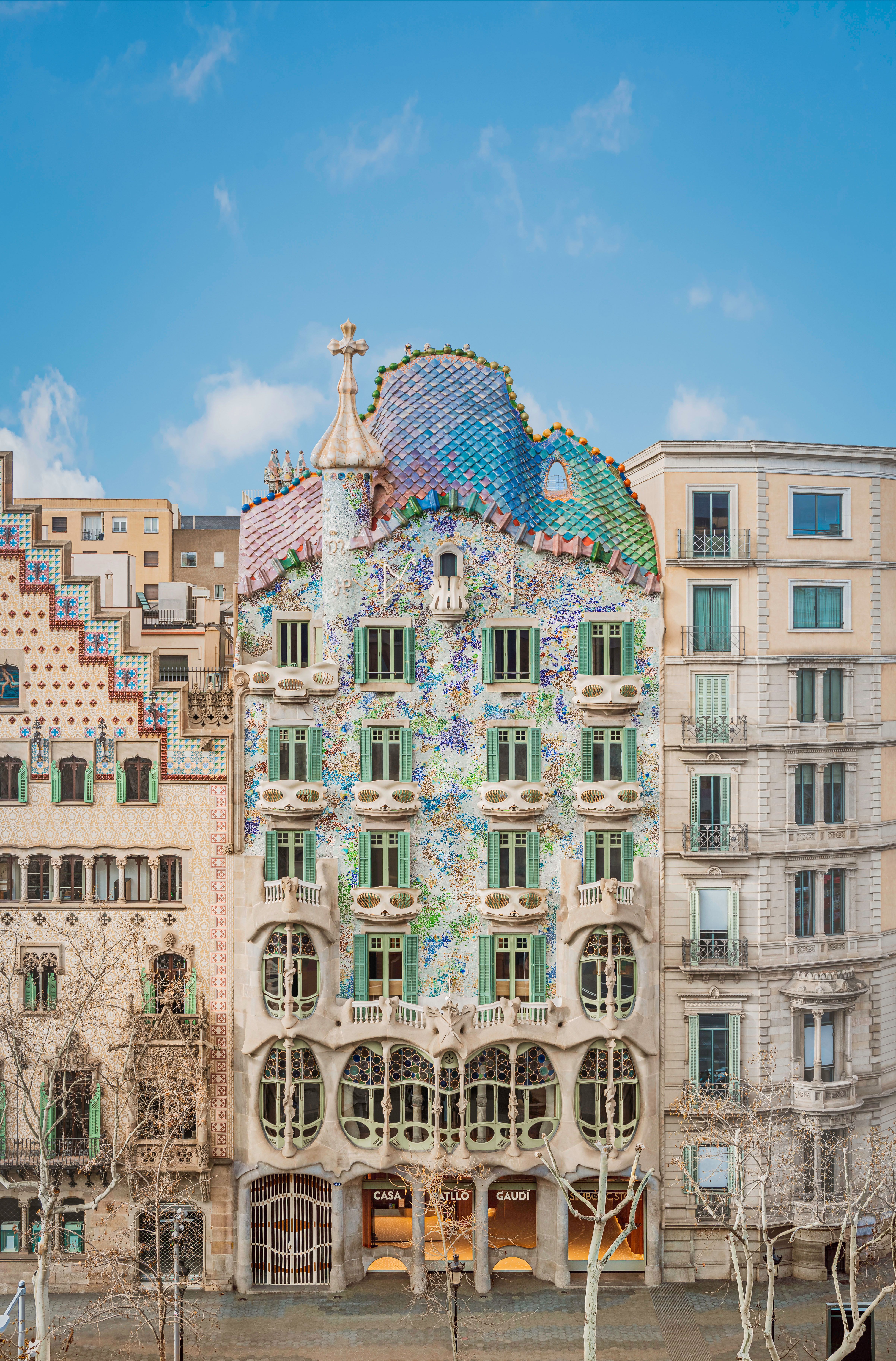
One of the most singular features of the Gaudí Year 2026 is the unity of action of all entities responsible for his legacy. The Consell Antoni Gaudí, an advisory body of the Department of Culture created in 2014, groups the fourteen works of Gaudí in Catalonia, as well as the MNAC and the Gaudí Chair as custodians of movable and documentary heritage, and the city councils of Barcelona, Reus, and Riudoms.Santana: "There are no major and minor works by Gaudí; all have universal value"
To this structure are added, exceptionally, the four works located outside Catalonia: El Capricho de Comillas (Cantabria), the Cathedral of Mallorca, the Episcopal Palace of Astorga, and Casa Botines (Castilla y León). A sum of owners and managers of very diverse ownerships who work in a coordinated manner with shared objectives.
The Gaudí Year wants, for the first time, to interrelate all his works, overcoming the fragmented vision that has explained them until now. "There are no major and minor works by Gaudí; all have universal value," defends Santana.
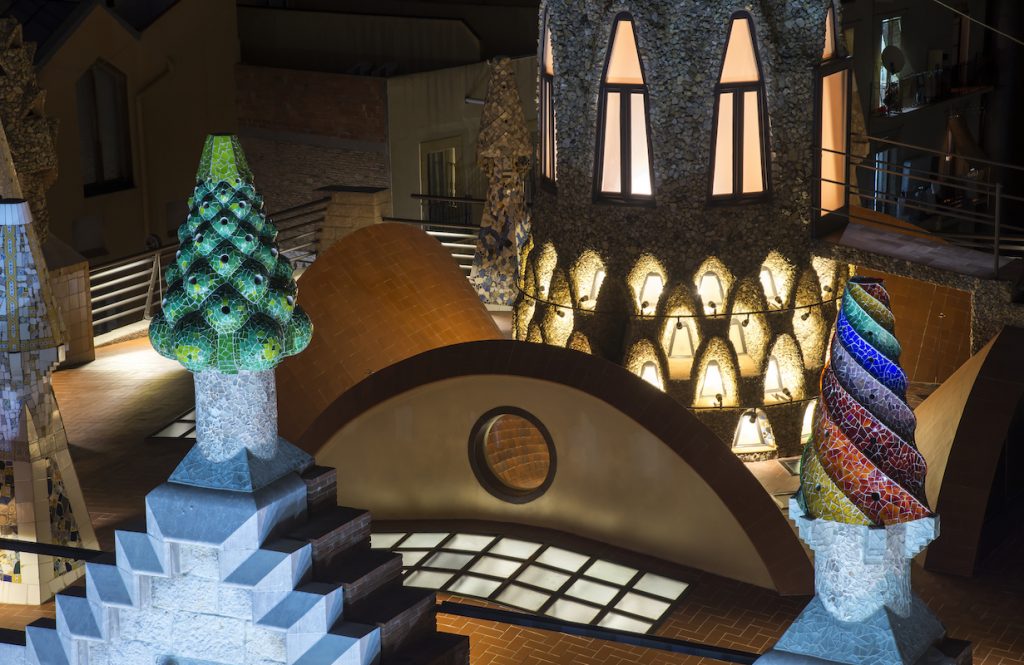
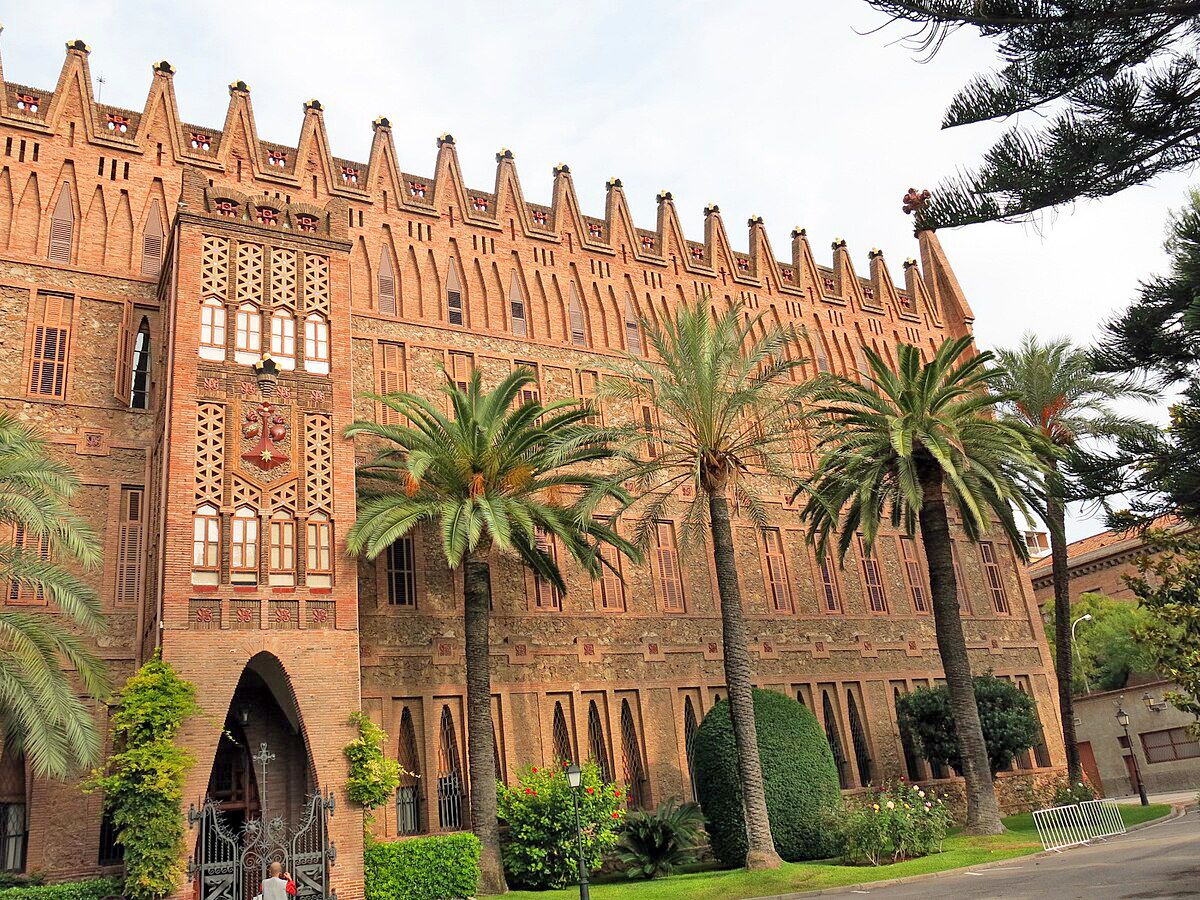
This global perspective will translate into a broad program of activities that will combine research, dissemination, and citizen experience. Among the most notable novelties is the opening to the public of two buildings that were previously not very accessible: the Güell Estate Pavilions and the Teresian College, as well as guided tours that will connect less visited constructions such as the Bellesguard Tower.
The program is structured into four main areas: the activities specific to each Gaudí work or entity; those of the joint commemoration program; those promoted within the framework of the EEIP and patronage, and those organized by other institutions.
The two central events will be an international academic congress at La Pedrera (from October 22 to 25) and a major exhibition at the Museu d'Història de Catalunya, conceived from a classical perspective but focused on the scientific dimension of Gaudí's work and on unpublished contributions.
Added to this is one of the most anticipated exhibitions of the program: Gaudí Code, an immersive exhibition produced by Mediapro Experiences and curated by Galdric Santana. It is an augmented reality recreation of an unpublished work by Gaudí that was never built, based on original research work.
Thus, the exhibition, which fuses art and technology, allows visitors to discover the creative universe and the most unknown facet of Antoni Gaudí.
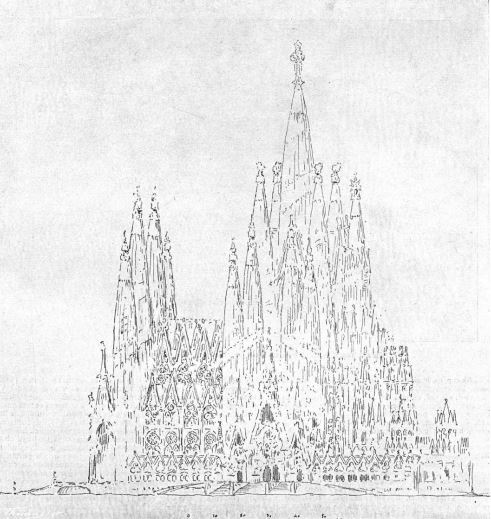
This exhibition will be joined by an exhibition at the Museu de la Música, dedicated to Gaudí's relationship with sound; an immersive proposal produced by Mediapro, and a fourth traveling exhibition that will open in South Korea and continue in Japan, reinforcing the international projection of the anniversary.
A living legacy for the future
Beyond the commemoration, the Gaudí Year 2026 aims to leave a structural legacy: to consolidate collaboration between Gaudí entities, to reinforce rigorous research, and to bring the figure of Gaudí closer to the public, especially the youngest.
To disregard the character to rediscover the person. To understand that behind the organic forms and spirituality there is calculation, experimentation, science, and a deep knowledge of multiple disciplines. This is the invisible order that structures the Gaudí Year 2026 and invites us to look at the genius with new eyes, one hundred years later.
Add The New Barcelona Post as your preferred Google source for free
Stay informed with the latest news.
