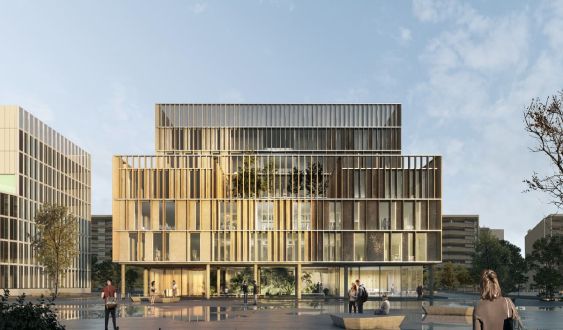
The Diagonal-Besòs Campus of the UPC (Universitat Politècnica de Catalunya) will have a new research center by the end of 2025, which will be occupied by research groups from the Institut de Recerca en Energia de Catalunya (IREC) and the Institut de Bioenginyeria de Catalunya (IBEC), as well as research teams from the UPC itself. This is the first facility of its kind promoted and built by the Institut Català del Sòl (Incasòl), until now focused on the development of industrial areas and housing.
The new line of action by Incasòl involves an investment of 24.3 million euros to build the property, which will have 14,352 square meters and will be the sixth building, specifically building 'D', available on the university campus located in Sant Adrià del Besòs.
The new building, between the Campus's Central Rambla and Eduard Maristany Street, is designed to be a highly sustainable center, both in its construction, its future maintenance, and the nature of its tenants who work in the search for energy improvement, sustainability, and biomedical engineering. The research groups will occupy the facilities under a concession regime for the next 50 years.
The vice president and minister of Digital Policies and Territory, Jordi Puigneró, has announced that this will not be the last facility that Incasòl will promote in the field of innovation, research, and knowledge; and he mentioned that a similar agreement will soon be finalized with the Universitat Pompeu Fabra (UPF). Puigneró has endorsed the new dynamic that Incasòl ---directed by Mercè Conesa-- has entered into because it "looks towards the new economy and 21st-century urbanism."
The architectural project for the future building D was put out to public tender and will be the work of Cantallops Vicente Arquitectes and Coma Arquitectura, who proposed highly sustainable facilities that include passive and bioclimatic systems in their energy strategy. It is also necessary to highlight the flexibility and versatility in terms of uses and space distribution. And that it is an economically sustainable building.
These sustainability criteria are in line with the UPC's objectives, as highlighted by its rector Daniel Crespo. "All university buildings, by will and by obligation in the fight against climate change, must be sustainable, both newly constructed ones and existing ones that will be adapted," Crespo assured.
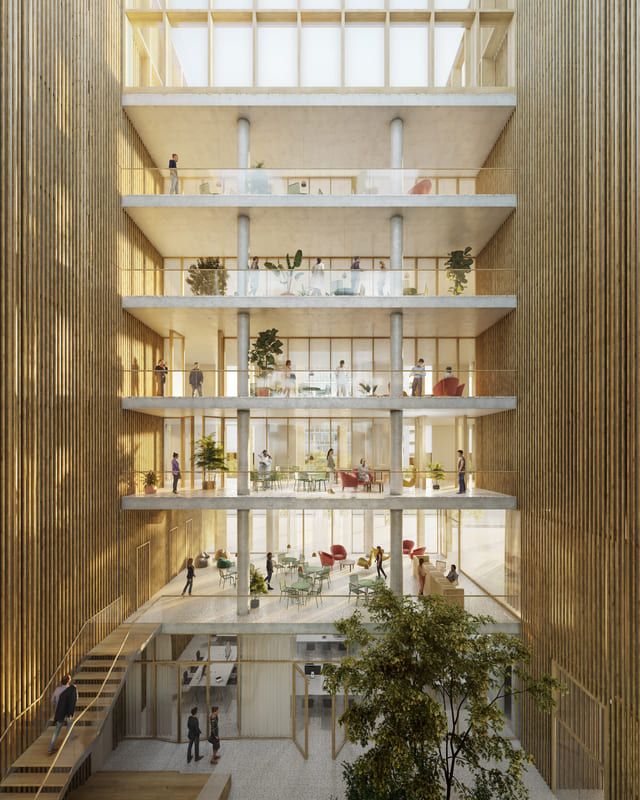
The rector valued the creation of the center as a meeting point for different actors from the world of research who, moreover, "lack space" in their current locations and presented it as an example of the public-private collaboration that has managed to bring forward the new research area, given that this type of investment cannot be addressed from university budgets. "We need, he said, the complicity of the administrations, of all departments of the Generalitat, so that we can move forward. Our job is to present attractive projects, so that the Generalitat sees that they benefit research and the territory."
In fact, the new research groups will land on the Diagonal-Besòs Campus to add their knowledge to the rest of the units already operating in the university area that was launched in 2016. Currently, the campus hosts university research groups and centers in the areas of energy, biomedical engineering, chemical engineering, and materials engineering; and the Barcelona Research Center for Multiscale Science and Engineering.
IREC will occupy 60% of the space
Regarding the new institutes, each of them will delve into their research areas. IREC will be the main tenant of the center and will occupy 60% of its surface area with projects to contribute to a more energetically sustainable future through scientific and technological development.
For its part, IBEC is a research center that covers a large part of the fields of bioengineering and aims to become the technological partner of hospitals, biomedical research centers, and universities in its environment, it will occupy 20% of the space of the new facility. And, finally, the UPC will locate part of its research centers in the remaining 20% of available surface area of Building D.
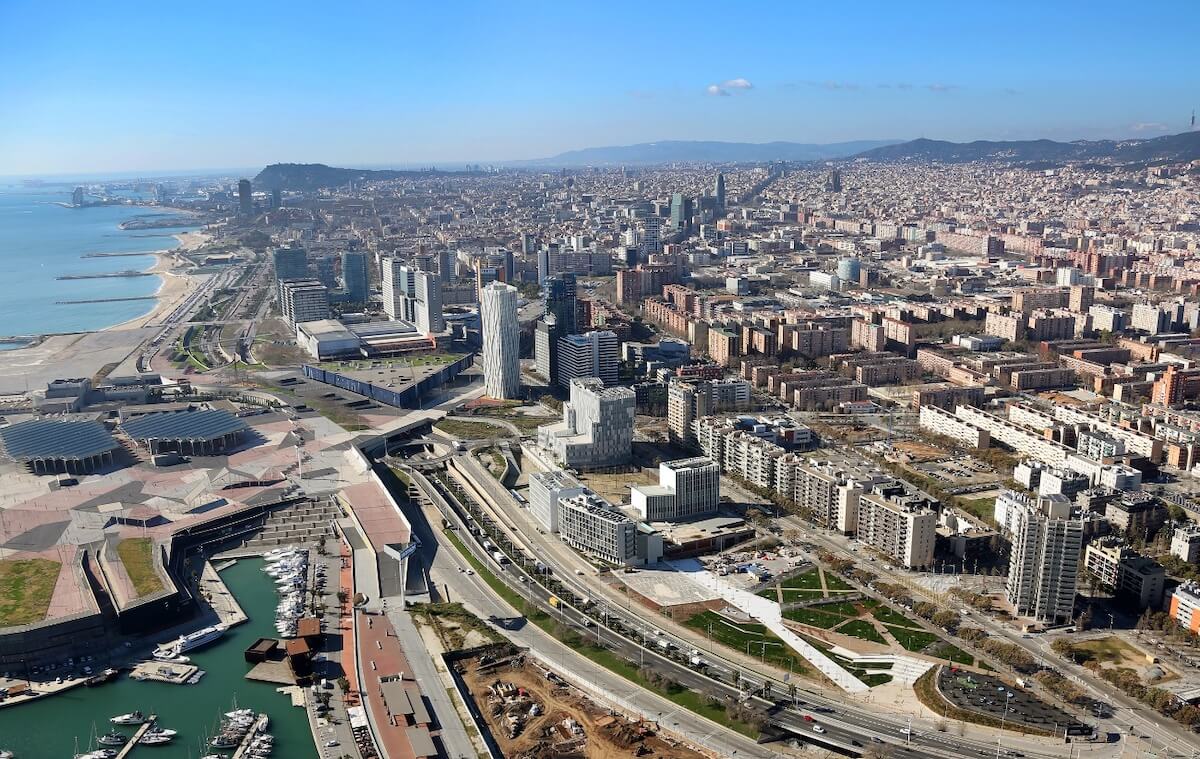
Once its development is finished, the university Campus will have 13 buildings and a community of 15,000 people.The Diagonal-Besòs campus, located between Barcelona and Sant Adrià de Besòs, is one of the most powerful university areas in sustainable engineering in Catalonia, with more than 150,000 m2 of buildable area to host teaching, research, innovation, business activity, and services for the university community.
Currently, there are four buildings in operation on the Campus: one for teaching, two research buildings, and the residence for students, researchers, and faculty, with a park associated with the educational complex and a future facility for SMEs, startups, and co-working spaces. Once the project is fully developed, the Campus will have 13 buildings and a projected community of 15,000 people.
Add The New Barcelona Post as your preferred Google source for free
Stay informed with the latest news.
