With a solid career in the financial sector, initially in banking and later with his own brokerage firm, Manuel Carreras Fisas (the name that gives rise to the acronym Macarfi) was always familiar with negotiation at the table. His passion for gastronomy, which began with parents who could travel thousands of kilometers in search of good croquettes, led him to create a gastronomic guide in 2015. This guide differs from others due to its transversal and democratic vision, compiling opinions from thousands of ambassadors who have only one interest: finding places where the food is very good. From a high-level gastronomic restaurant to a neighborhood frankfurt, the publication recognizes the work of chefs and restaurateurs and explains it to a client who, like the lynx in the logo, appreciates astute recommendations. We spoke with Carreras about the success of a project that has never stopped growing and has just launched a club based on experiences, trips, and gourmet products.
--- One of your great references for creating Macarfi was the Zagat guide, compiled with opinions from different diners who freely visited restaurants. Why is it important to consider plural and democratic visions?
--- People trust people with good judgment a lot, especially in the digital age, and in the world of gastronomy, this is very important. On my radar, I have about thirty people who, if they tell me a restaurant is good, I immediately listen to them. Zagat was created by a married couple in the 70s, without the Internet and with photocopies, who trusted the judgment of certain people. One day I wondered why there wasn't a Zagat in Barcelona, I got together with a colleague and we locked ourselves away for nine months to devise the project.
--- What did you do during those months?
--- We sent a thousand emails to a thousand people we knew liked to eat and asked them to send us reviews of places they visited, with a remunerative system, that is, in exchange for wines, champagnes, hakes... from the whole supermarket! After nine months, we had six thousand reviews of restaurants in Barcelona. Currently, we have two thousand ambassadors and all of them are people we have tested.
--- But you came from the financial world, not the gastronomic one…
--- The only thing I knew about gastronomy was eating! Look: we presented the first guide on October 4, 2015, and when I called a journalist to invite them, they told me no one would come because San Sebastian Gastronomika was being celebrated that day. Just so you see that ours started as a hobby (laughs).
--- Perhaps you think more about the end customer than about the media.
--- Since I worked in banking, I have always had the idea of putting myself in the customer's shoes. That's why, in Macarfi, we offer search categories like "Croquettes," "Timeless Classic," "Locals Eat Here"... there are up to 70 different ways to view the information. And, in a maximum of 100 words, we offer a photo of the restaurant.
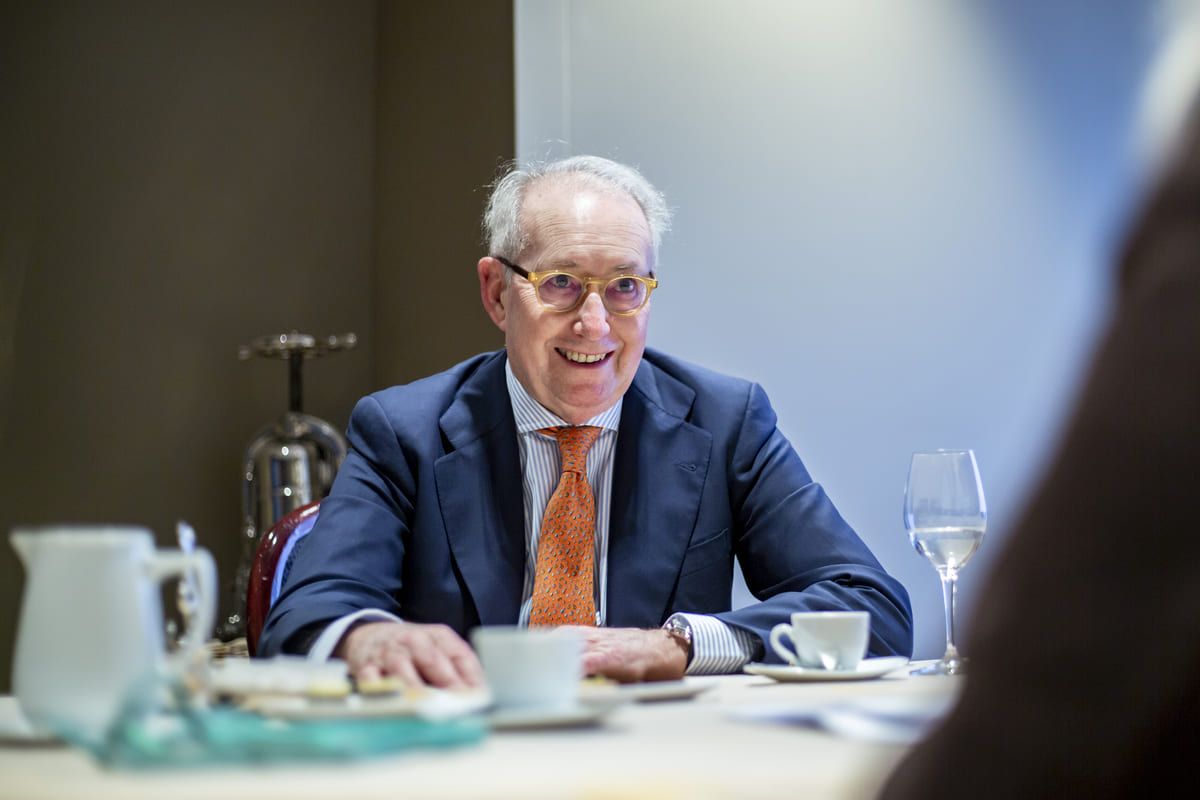
--- Your three fundamental criteria for entering the guide are food, decor, and service. Why these three?
--- We think these are three important points. There are horrible places with a plate of lentils worth trying, and very beautiful places with food that is not up to par. We want to be very transversal. For me, the most important thing about a restaurant is that it has recognizable dishes, that you have it on your radar for those dishes.
--- Explain to us how the guide has grown over the years.
--- After Barcelona, we opened Madrid and created a single guide, which helped us a lot with sponsors. We continued with the Basque Country, specifically Vizcaya, Guipúzcoa, and Álava. Then, La Rioja and Girona, and recently Málaga and Valencia. Now we are working on Asturias, Cantabria, and Cádiz, and next year we will do Galicia and the Balearic Islands. In two years, we will cover all of gastronomic Spain. Then we will be able to organize a national gala.
--- The most recent novelty is the launch of the Macarfi Club, which costs 250 euros annually. Why now?
--- Before COVID, we already thought about creating a club related to gastronomy and lifestyle, as we have a community of 25,000 people. We started organizing successful "four hands" events, such as Via Veneto with Horcher or Rafa Zafra with Sacha Hormaechea first and with Albert Adrià later. We have also done Bodega Bonay with Agreste and Fismuler with Grupo Nomo, as well as Alkimia and Saddle, which are the best restaurants in Barcelona and Madrid in the current guide. We will continue to do them, but only club members will be able to access them.
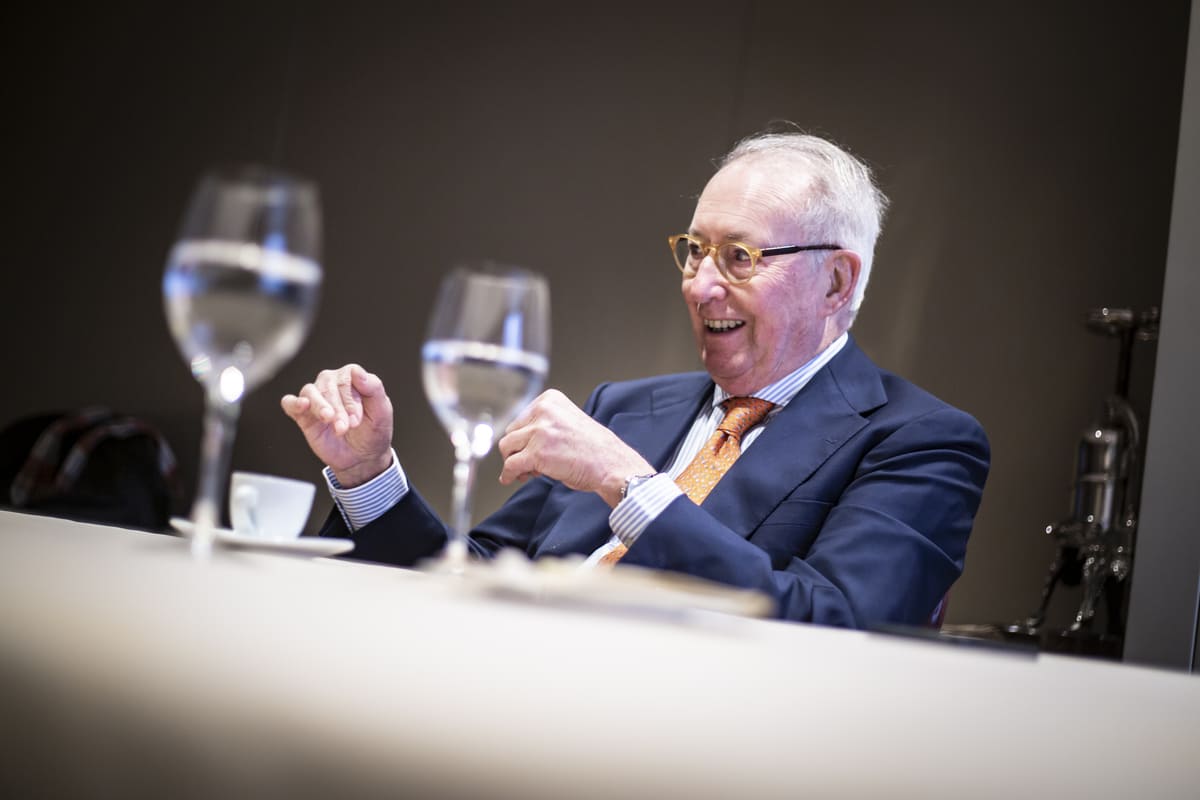
--- In addition to four exclusive "four hands" dinners, you also offer gastronomic trips for small groups.
--- A month ago we organized a trip to Vizcaya and closed Asador Etxebarri, which was sold out in two days. Soon we will do one to eat at Disfrutar, and we will also travel to Lera, Bagá, Ca L'Enric… We try to do everything with care, our team is a close-knit group.
--- In most of these restaurants, it is very difficult to get a reservation. And in your virtual store, you also have hard-to-find products.
--- Yes, most are from small producers and artisans. For example, we sell foie micuit from the Círculo Ecuestre, which you can only buy if you are a member, or the exclusive hams from Remedios Sánchez. Soon, Mohamed Benabdallah, from Asador Etxebarri, will make a selection of wines for us. And we also have partner hotels and free cultural events.
--- How many members do you have now and how many do you expect to have?
--- We currently have about 300 members and expect to close the year with 500. We combine organic growth with commercial action in companies that want to give our membership as a prize for members or employees. It should be noted that we manage loyalty programs for large companies and also do consulting. Everything feeds back into itself.
--- Speaking of clients: you said that, in business, one should always end up at a good table.
--- Gastronomy is the typical excuse to invite future clients without having to talk about your company. When we have meetings, clients always tell us: where are you taking me to eat? But there's a rule here: never talk business before dessert.
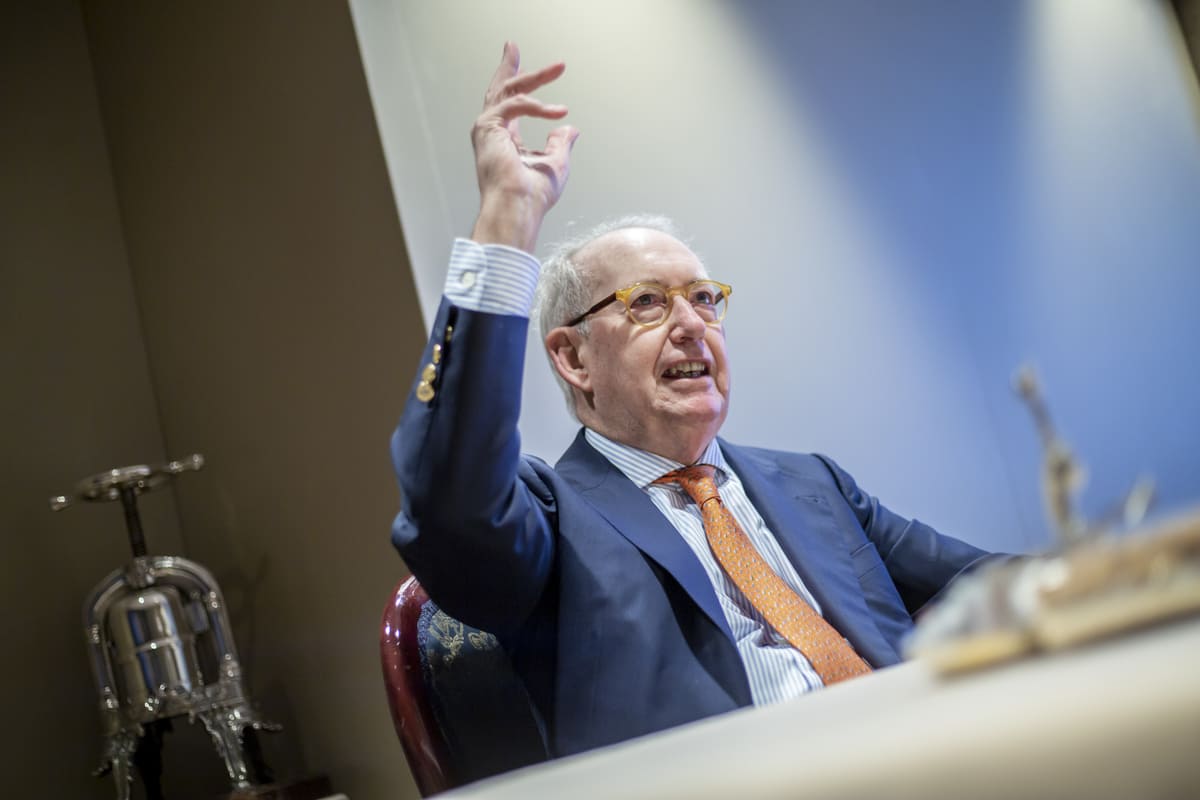
--- Tell me about restaurants you've liked lately or that we shouldn't miss.
--- I really liked Brabo, in Barcelona, and also Leña, in Madrid. I also really like Amar, and they offer a wonderful midday menu with spoon dishes. Another one: There's a small place called Present, also in Barcelona, which only has four tables and works very well. Oh! And Comparte Bistró, in Madrid, is fantastic.
--- You who visit so many restaurants throughout the year, what trends, good or bad, do you observe in the restaurant industry?
--- I believe gastronomy has spectacular potential, with increasingly younger talent. But I'm concerned that lifelong restaurants are closing. For example, Madrid's traditional eateries, which are amazing, are disappearing in favor of new cuisines. On the other hand, I'm observing that wine prices have risen sharply, and I believe a restaurant should offer wines for all budgets. Finally, I'm worried about the loss of owner-operated businesses, meaning those restaurants where you always find the chef and the owner. To give an example, Pere Monje is always at Via Veneto, and the Torres brothers are always there, or at least one of them, at their establishment. And that makes a difference.
Add The New Barcelona Post as your preferred Google source for free
Stay informed with the latest news.