
To ensure Internet connection for all schools in the world by 2030. This is the ambitious goal with which Unicef and the International Telecommunication Union (ITU) launched the Giga initiative in 2019. The project pursues this powerful goal from the Catalan capital, where it operates from the old Poblenou factory of Ca l'Alier. The buildings of the former factory complex have exchanged textile machinery for the facilities of the Giga Tech Center, which develops tools and technological solutions to advance this connectivity.
Thus, Giga aims to combat a digital divide that especially affects disadvantaged communities. It does so in a context in which it estimates that there are about six million schools in the world, and that half of them lack an Internet connection. Combining Unicef's experience in education and ITU's in telecommunications regulation, the initiative has improved connectivity for 13,400 schools since 2019. More than 6.7 million students have benefited from this improvement in connectivity, in a work that Giga currently carries out in 34 countries.
Now, the initiative aims to expand this figure and raise it to 44 countries during this 2024. This is explained by Alex Wong, who co-directs Giga on behalf of the ITU, while Chris Fabian does so on behalf of Unicef. Wong announced it at the Giga Day conference, which the project organized in Ca l'Alier with leaders from the local technological and innovation ecosystem, along with representatives from countries where the initiative works. More than 120 people participated in the conference, which was opened by Minister Meritxell Serret, the Commissioner of the Barcelona City Council Pau Solanilla, and the Deputy Director General of International Organizations of the Ministry of Foreign Affairs, Juan Villar.
The cost to connect a school ranges between 10,000 and 15,000 dollars, depending on the technology that must be used in each caseAnd among the new schools in the new countries that Giga wants to connect, the project precisely prioritizes those that are most difficult to connect, in rural or remote areas. "They are the priority ones; in fact, that's why we arrived. Those that are easy to connect will be connected, even if we are not there", highlights Giga's Chief Technology Officer, Naroa Zurutuza. The connection of new schools to the Internet is done with different technologies, depending on the needs and possibilities. These technologies determine the cost of each connection, which ranges between 10,000 and 15,000 dollars, Zurutuza explains to The New Barcelona Post.
To be able to materialize these connections, the project has the support of private companies and also administrations, including the Barcelona City Council, the Generalitat, and the Government. The project's finances, as well as the contracting area, are coordinated from its headquarters in Geneva, which facilitates its coordination with the rest of the UN agencies, whose European headquarters are located in the Swiss city.
And what happens in a school after Giga connects it to the rest of the world through its Internet access? Unicef and the respective governments take over and provide devices, training, and content to the schools. This is because the UN agency for children's rights "has an immense team in the field of education, with materials and content," according to Giga's technology director.
Given the growth prospects of the initiative, the tech center in Barcelona plans to intensify its activity, developing new technological products and other projects, with the collaboration of universities, research centers, and companies in the area. Thus, Giga's global technology center aims to become a driver of innovation, both for Giga's own project and for the Barcelona technological ecosystem.
To do this, the technology center located in Barcelona also plans to expand its staff, from the current ten workers to 20. Among its profiles, figure data scientists and engineers focused on developing these open-source technological solutions to help governments around the world connect their schools to the Internet.
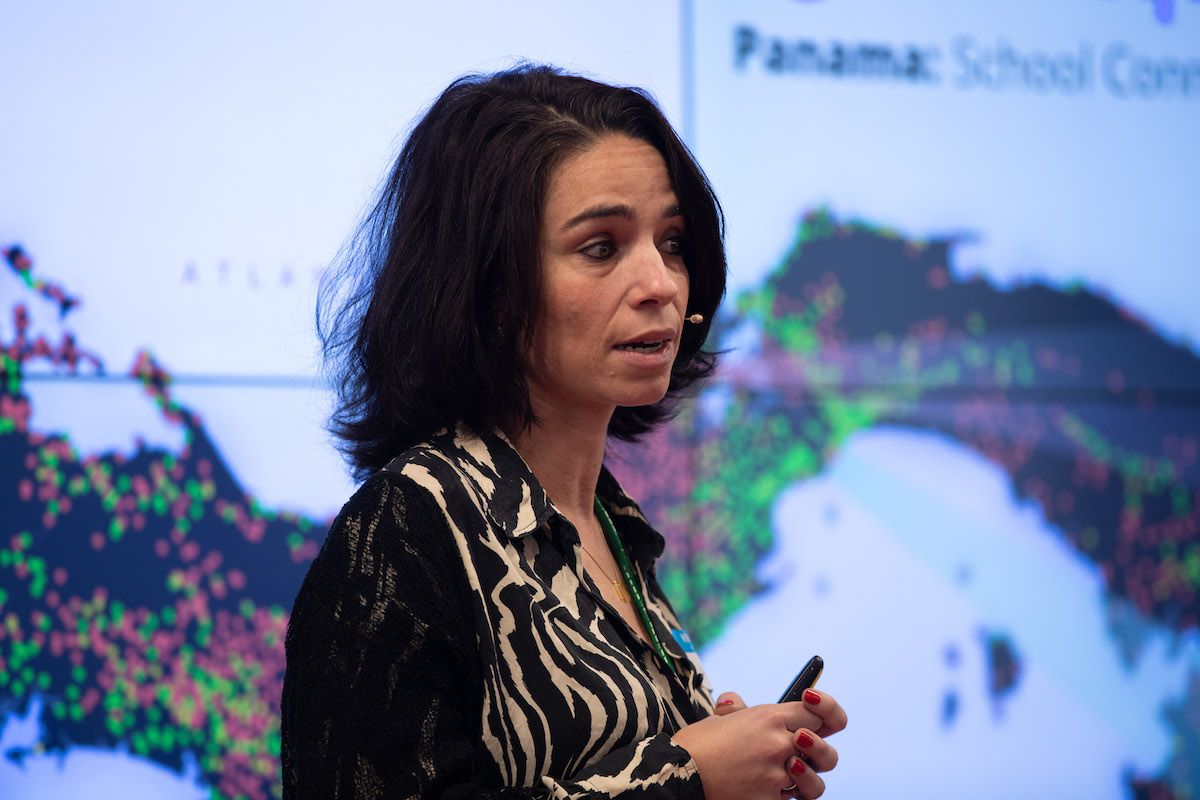
The technology center located in Barcelona also plans to expand its staff, from the current ten workers to 20In addition to developing these solutions and tools, Giga's Barcelona center also produces the global mapping of schools. This is an arduous task carried out in collaboration with governments, also leveraging UNICEF's presence in the countries where it works. "We work with governments to obtain the information, and then we combine it with Artificial Intelligence models to calibrate and complete the data," Zurutuza explained.
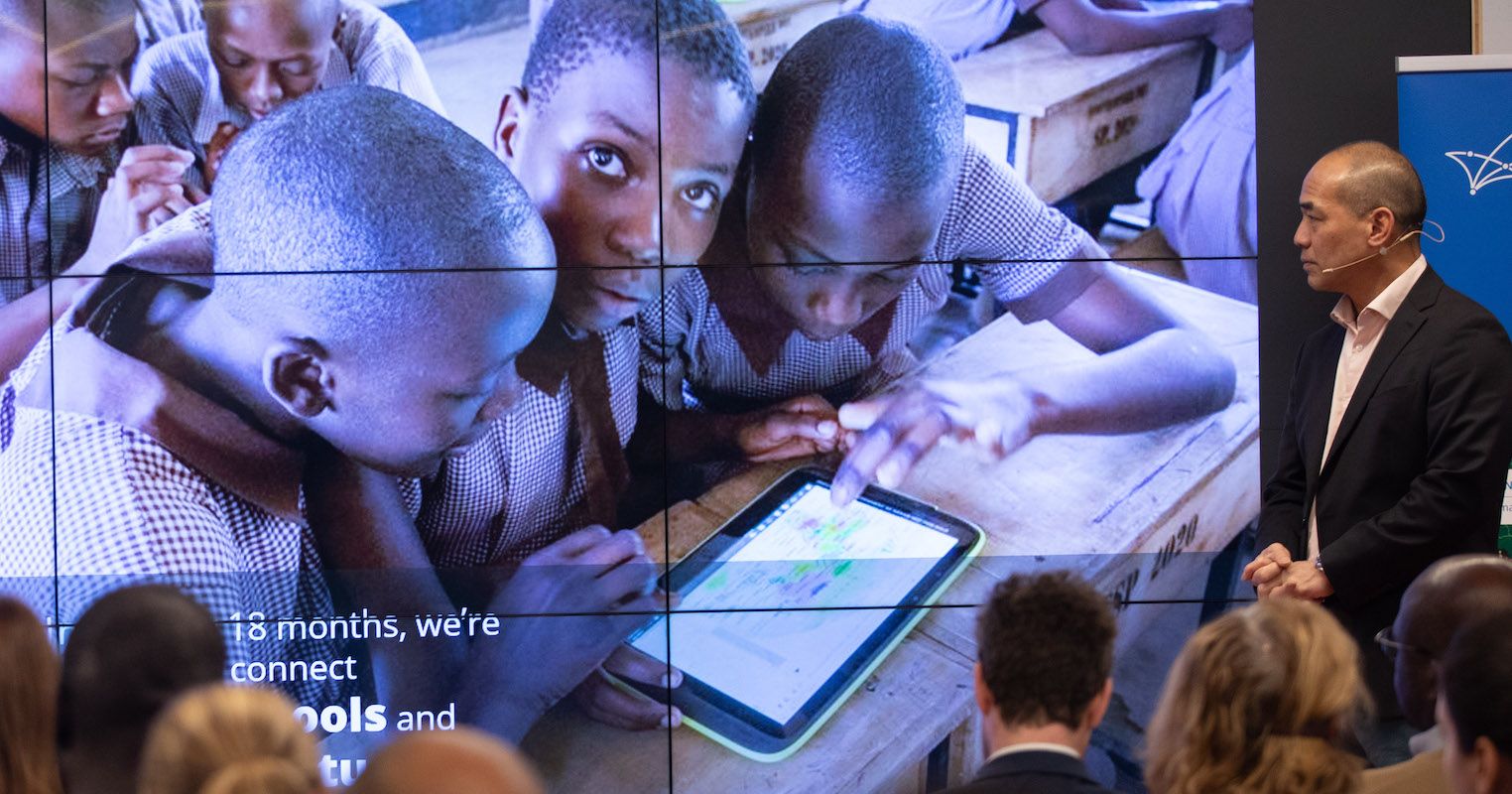
In addition, Giga aims to provide real-time data on school connectivity. It does this through an application installed on school computers, which measures the quality of Internet service, and which has currently been installed in 10,000 centers. With the same objective, the project is beginning to work with Internet operators to provide them with information, something they jointly addressed within the framework of the Mobile World Congress (MWC), held last week in the Catalan capital.
Giga's technology center will also serve as a showcase for the project's work, through visits from delegations from different countries. The first will be Brazil, Botswana, Bosnia and Herzegovina, and Sierra Leone. With delegations composed of technical and political profiles, they will travel to Barcelona to learn about both Giga's work and the innovation and technology ecosystem of the Catalan capital. They will be the first of many who will travel to Barcelona with the aim of learning firsthand how this project is progressing towards its ambitious goal: achieving universal school connection in the not-so-distant 2030.
Add The New Barcelona Post as your preferred Google source for free
Stay informed with the latest news.
