To facilitate the technological transfer from the university and research ecosystem to companies. With this objective, the The Collider program from the Mobile World Capital Barcelona foundation accompanies projects on this path from research to market, a task that closed 2025 with 25 incubated projects and 13 active spin-offs, with a valuation of 107 million euros —a 28% increase compared to the previous year— and with accumulated funding of 54 million euros.
And how are these figures achieved? With a methodology that is "pure craftsmanship," according to the director of the Technology Transfer Area of MWCapital, Albert Mascarell. "We have consolidated a methodology capable of identifying scientific talent, transforming it into viable projects, and propelling it towards the market with guarantees of stability," highlights the director, after a 2025 in which the program's spin-offs have not only increased their valuation but have also tripled the resources raised compared to the previous year: in 2025, they attracted 20.2 million euros, 14 more than in 2024. Of the 2025 total, 12.7 million came from private investment, while 7.5 were from public funding.
To get here, the process begins with a "craft" scouting phase: "We have agreements with most universities and research centers throughout Spain," in close contact with their knowledge transfer offices. With them, they analyze cases of interest, which come from new patents or research with promising results. Throughout 2025, this work resulted in the detection of nearly 100 technologies from academic and scientific environments, of which 30 were evaluated to analyze their market potential.
"We have very defined processes to filter projects that have the most capacity to reach the market," in a mechanism that includes consulting experts from multiple disciplines, ranging from entrepreneurship to patent specialists and specific technologies, as well as investors and market players. "We do a 360 check," in a process for which they have more than 300 specialists.
The processes are not fast: the valuation usually takes at least two to three months; if it is overcome, a new gear is set in motion within The Collider, in which the incubator, the institution where the project was born, and the driving team participate. And here another differentiating element comes into play: at the helm, The Collider places a professional CEO, "who has already raised startups and rounds within the sector."
But not only professionalism and capacity matter, but also the "match" with the scientific team, which is not analyzed by intuition, but with a team of psychologists from the program. "It's not just headhunting; it's a complex process to ensure that the team is cohesive," even in difficult moments. To smooth the path towards this cohesion, the program has standardized a "fair distribution of shares" in the teams, in a "puzzle game so that all members feel fairly represented."
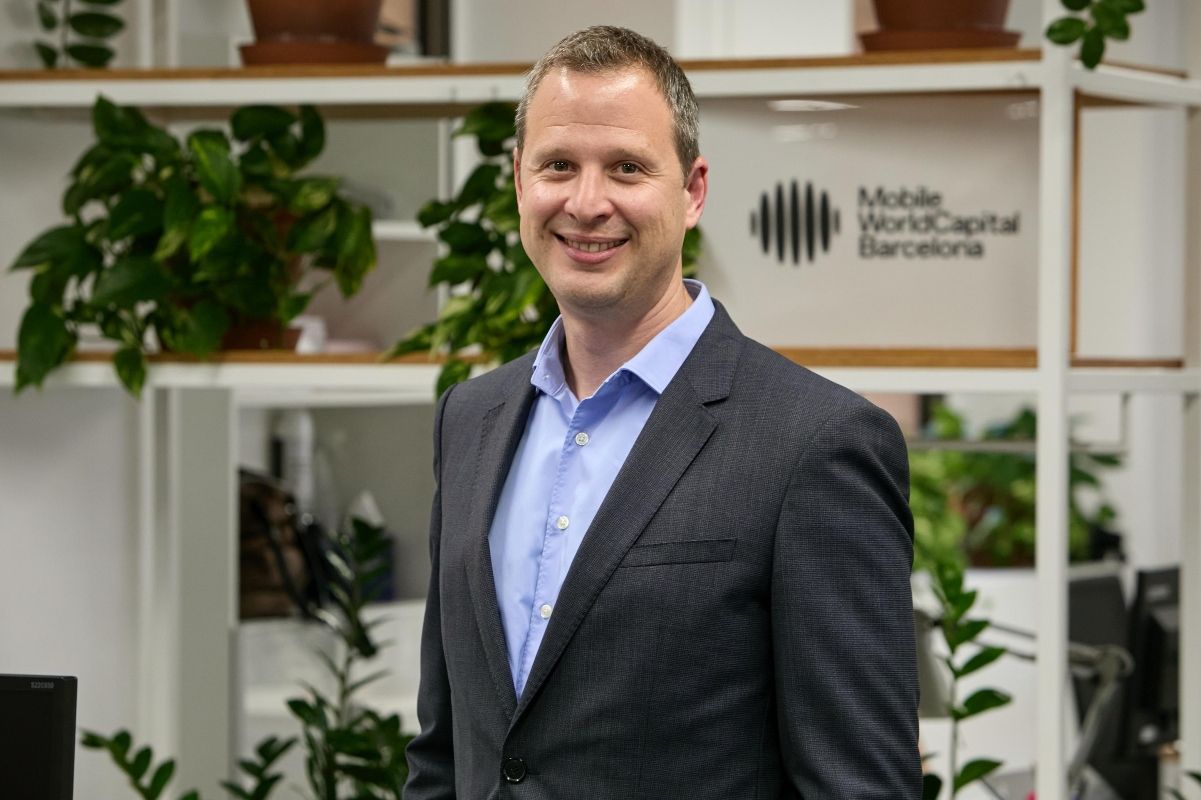
Once within the venture-building program, the spin-offs spend an average of one year creating the company, both strategically, structurally, and practically, in a process that seeks to facilitate investment once the project is launched as a company, and in which they continue to be accompanied for about two years. "The goal is to co-create, co-raise companies," highlights Mascarell. From this will, The Collider has contributed to creating 23 spin-offs, of which 13 remain active in its portfolio.
Since its launch, this The Collider portfolio has generated more than 220 jobs, through disruptive projects such as Yplasma, which has developed a new plasma cooling technology, and Jolt, which promotes ecological chemistry through electrodes. From these projects to wearable devices for stroke detection by OneCareAI, the spin-offs are making strong strides to bring knowledge to the market to generate not only economic but also social impact.
Add The New Barcelona Post as your preferred Google source for free
Stay informed with the latest news.
