
I love talking about the things I like (which are very few, but which I like very intensely). I dedicate myself to writing, and I don't understand life without reading. You could say I read everything, even what I know I won't like. But, of course, recommending things you're passionate about (books, wine, restaurants...) you always do it with a proselytizing spirit, like that shop assistant who tells you to keep one piece and, on the other hand, that other one (despite being more expensive) no, that "it doesn't suit you."
You recommend thinking about "the client," not always about yourself. What I want is for the occasional consumer to become a regular. Out of selfishness, I'm interested in consumers understanding, learning to choose, and for the world to be full of bookstores, wine shops, and food stalls. Sometimes, then, I don't recommend a book that I've liked exactly. I recommend the one I think will be understood, that will open doors. I don't recommend a red wine to someone I think prefers whites. I don't recommend a "difficult to understand" wine to someone who is just starting. When you're "already in," there's no problem: you read most of the things that come out and try most of the wines (if your pocket allows it).
Next, and taking advantage of the Sant Jordi celebration, I'm going to recommend a small list of books. Some are not new, therefore, you won't find them at the Sant Jordi stalls, but in the bookstore, the day before or the day after, you surely will. If the people around you are regular readers, they already have the new releases in the pile on their nightstand, and the classics, on the shelf. But, perhaps they want to give a gift and don't know what. In any case, if you are also regular readers, you will know most of the books I will recommend. But it's always good to know what others think about the books we've read.
For example, to give as a gift to wine lovers. Let's start with an illustrated story. It's a book (one of those beautiful hardcover books) that anyone related to wine will like (amateur, waiter, winemaker, farmer...). You just have to make sure they don't already have it. It is:
- The Tasting, by Roald Dahl. (Nordica Libros)
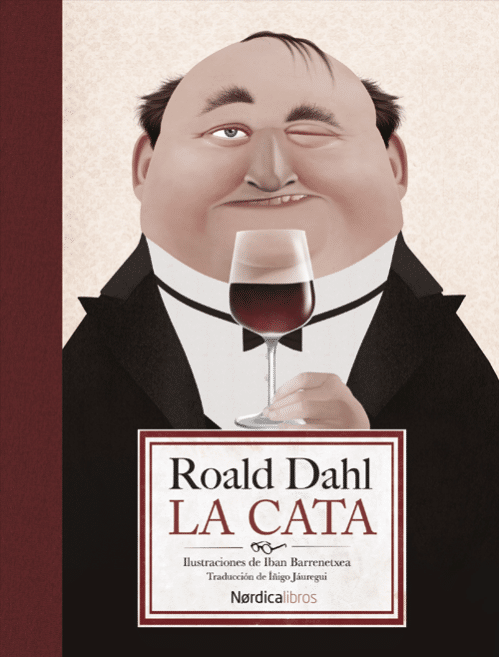
This story, as addictive as all of Roald Dahl's (you can't miss them!) was first published in 1945, in the Ladies Home Journal and then, in 1951, in The New Yorker. All the wines that appear in the story exist, it is clear that the author knows what he is talking about.
Another book you can give to wine lovers:
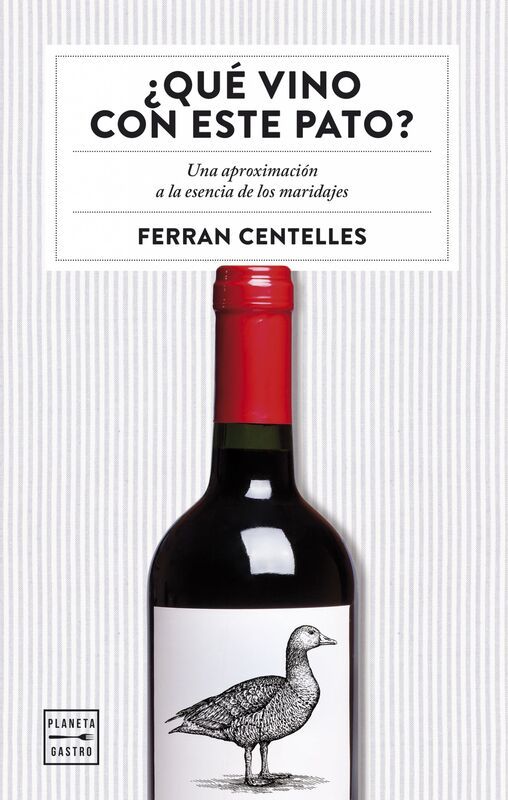
- What wine with this duck?, by Ferran Centelles. (Planeta Gastro)
He has written several popular science books, all of them very interesting. I like that Ferran Centelles has very accurate ideas about pairings. For example: Do you want to drink a red wine with fish or a white wine with meat? He suggests you think about the garnish. The garnish, depending on what it is, can make white wine go well with meat and red wine with fish. It's that simple, that brilliant.
And finally, another book to give as a gift to wine lovers.
- Cellers d'or: Vinari, premis de vins catalans. This is a guide, with photos by Jordi Play, of all the wines that have won a Vinari d'Or award. And I don't recommend it because I have written small pieces about the winning wineries (I have admired friends in all of them). I recommend it because the idea of the awards seems very laudable to me. We can find some wines or vermouths in the supermarket that don't cost much money and that have been awarded in a blind tasting.
- Klara and the Sun, by Kazuo Ishiguro. (Anagrama)
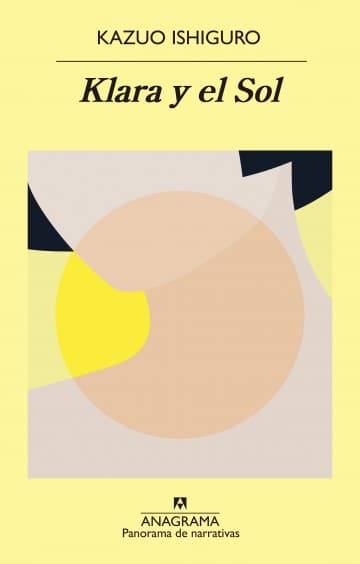
If you haven't read anything by him, I would recommend that, before this one, you start with the famous The Remains of the Day (Anagrama). You'll recognize it from James Ivory's film, starring Emma Thompson and Anthony Hopkins. Let me say, first of all, something I always say in literary workshops or reading clubs. Ishiguro was born in Japan, but when he was six years old his family moved to England. He ended up being a writer in the English language. But perhaps his view of the English is that of someone who came from outside. A peripheral view. This view, which every writer often strives to have ("I want to look at things from another point of view, without being used to it"), he has it from birth, for not having always lived in that culture. What do I mean by this? That Ishiguro is capable of writing, with this foreign gaze, about the quintessential British institution: butlers.
There is another gem in this book, which is written in the first person: what we call "the unreliable narrator." The butler constantly tells you what goes through his mind regarding his employer (who deals with Nazis) or regarding the new maid (who you understand he likes). And you, as a reader, can't help but think: "He's pulling a fast one on me! He's deceiving me! What he wants me to believe isn't true!" This game is very clever on the author's part.
And this brings us to Emmanuel Carrère.
- Yoga, by Emmanuel Carrère. (Anagrama)
This author usually writes non-fiction or what we now call autofiction, which consists of making yourself the protagonist of the story (improved, although it may not seem so). Carrère tells us about the depression he suffered, which led him to a psychiatric hospital, and how yoga has helped him over twenty years. He also tells how he intended to write a light book about a meditative experience and how it couldn't be. What is important, by the way, is that the author signed a confidentiality agreement with his ex, I suppose to prevent her from doing what Woody Allen's Harry did.
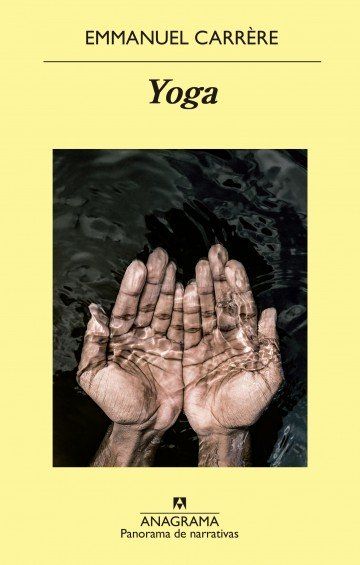
As I was saying, if you haven't read anything by him, it might seem like the book is about a man telling his war stories (with great humor: there are glorious pages about yoga). But if you have been following his career, then you love him. And if you love him, the book is the personal experience of the author of The Adversary.
Start, then, if you like, with The Adversary. You won't be able to put it down. Or take Limonov. Or The Kingdom, where, like a master, he first tells you his religious experience ---he bares himself--- to then explain that of the evangelists ---he bares them---.
Let's move on to another great novel. Javier Marías'.
- Tomás Nevinson, by Javier Marías. (Alfaguara)
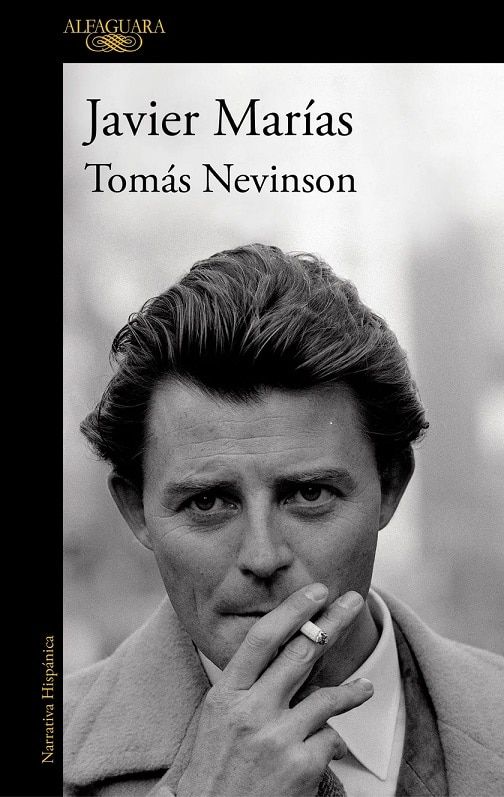
Tomás Nevinson is the husband of Berta Isla (Marías likes atypical surnames and, in this novel, in fact, the surname Centurión appears). You can, however, read the book independently. It is not necessary to have read Berta Isla (but you will like it a lot). It deals with "the crime of state", the reason of state. Is it necessary to kill (or have someone kill) for reasons of state, to avoid a greater evil? Reading the book, in the first person, it is evident that it is. For this reason, and it is not a small one, the book is set in the years of lead, of ETA. Then, with continuous crimes, you can understand the character's thesis. The perversion is this: what is the reason of the state? Is the reason of state always legitimate?
Let's finish with Jordi Cussà.
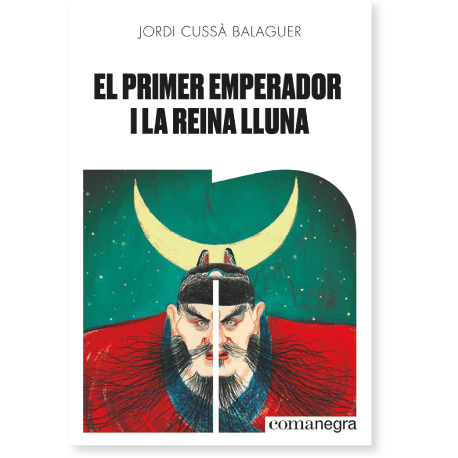
- El primer emperador i la reina Lluna, by Jordi Cussà. (Comanegra)
I really liked Cavalls salvatges. It was a novel about drugs, which didn't seem written by someone from here. It had an "international" air, which reminded me of the American beats. I have been reading him and I like him a lot.
The book he is now publishing is something else. He will not seem like the same author as Formentera Lady. For me he is one of the greats.
I conclude with three recommendations, all three on the same subject, intended as gifts for young people, from thirteen or fourteen years old, who do not want to read young adult novels.
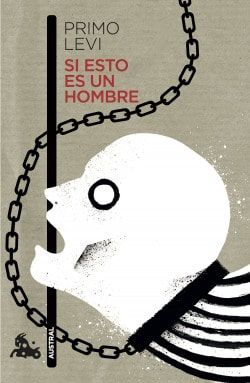
It is time to give them If This Is a Man, by Primo Levi.
- If This Is a Man, by Primo Levi. (Planeta de Libros)
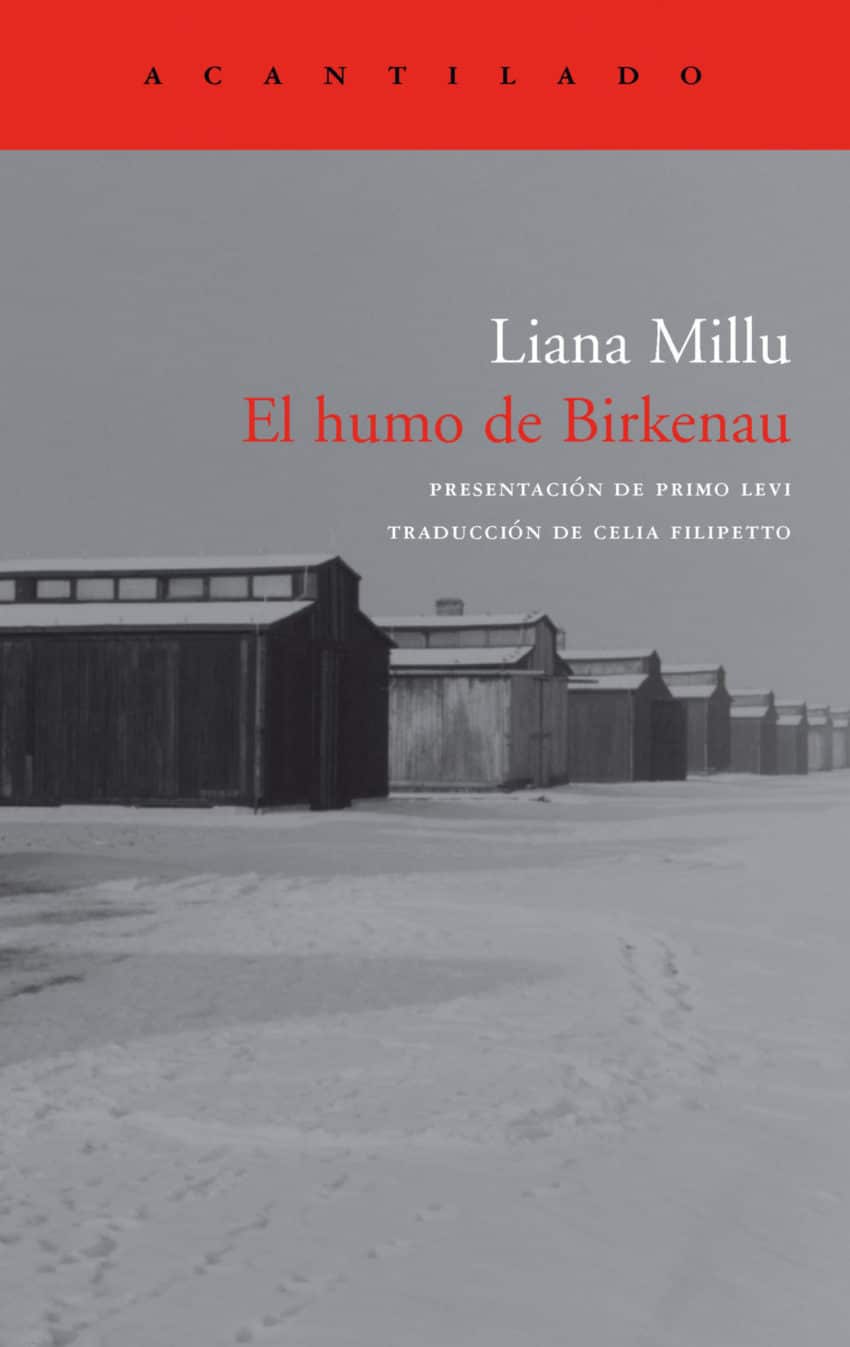
And without leaving Primo Levi. He was the one who wrote the prologue to one of the few books, testimonies of the Holocaust, written by a woman.
- The Smoke of Birkenau, by Liana Millu. (Acantilado)
Finally, and also in the same, let's say, vein:
- The Diary of Anne Frank (Ediciones Americanas)
The book, for a teenager, can end up being repetitive, but it has the merit of making you feel the lost joy of living, the insignificance to which every young person is entitled. These days, since I gave it to my daughter, I have reread it. Reading it as an adult is another thing.
Buy books. If you wish, after Sant Jordi, I promise a second part.
Add The New Barcelona Post as your preferred Google source for free
Stay informed with the latest news.