
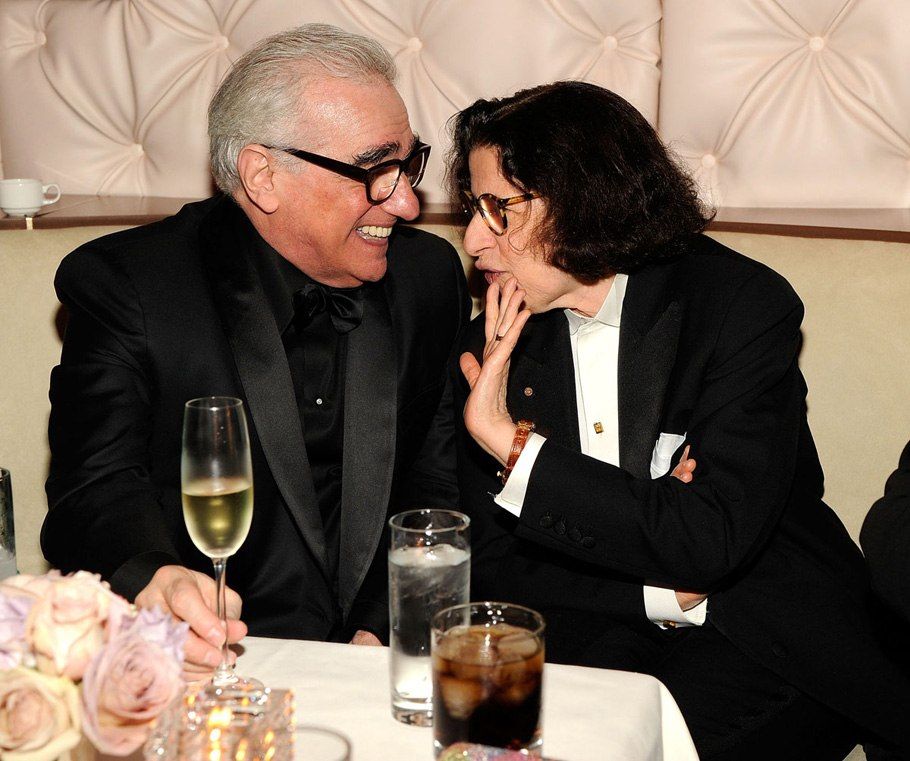
A city is, basically, a group of people complaining about the fact of living in this city. And a great city is usually one that produces complaints and complainers worth listening to and that generate high literature. This infallible equation for me explains why I have thoroughly enjoyed devouring Martin Scorsese's latest series for Netflix about New York (Pretend it's a city), a seven-episode documentary in which, basically, the Queens director enjoys listening to his friend and writer Fran Lebowitz mock the discomforts, rudeness, and bad habits of her fellow citizens with unleashed Jewish wit and an imperturbable bad temper. It seems that Scorsese does little, because in fact we only see him portray Lebowitz as she walks through Manhattan or writhing with laughter at each new bullet from the sniper, but the filmmaker is very present in every minute of the series reminding us of everything he misses about a New York that no longer exists.
The grace of listening to Lebowitz is not only in witnessing a pyrotechnic display of highly effective destructive humor, but in realizing how perfectly she embodies one of the main traits of New Yorkers: she finds not a single reason why it's worth living in New York, but for the same reason, she finds it incredible that there is a single human being who wouldn't want to live in the city. In fact, Lebowitz embodies the defining adjective of New Yorkers, Grumpy, a word that includes the characteristics of our gruñón (grumbler) and collateral ideas such as snobbery, resentment, intelligence, and sentimentality. The professional complainer, first and foremost, is an enemy of innovation, a technophobe, and someone for whom modernity (whether it's a mobile phone that prevents you from walking properly down the street or the fact that a pastry chef claims to be an artist) always ends up being bad news or an excuse to display the immense foolishness of humans.
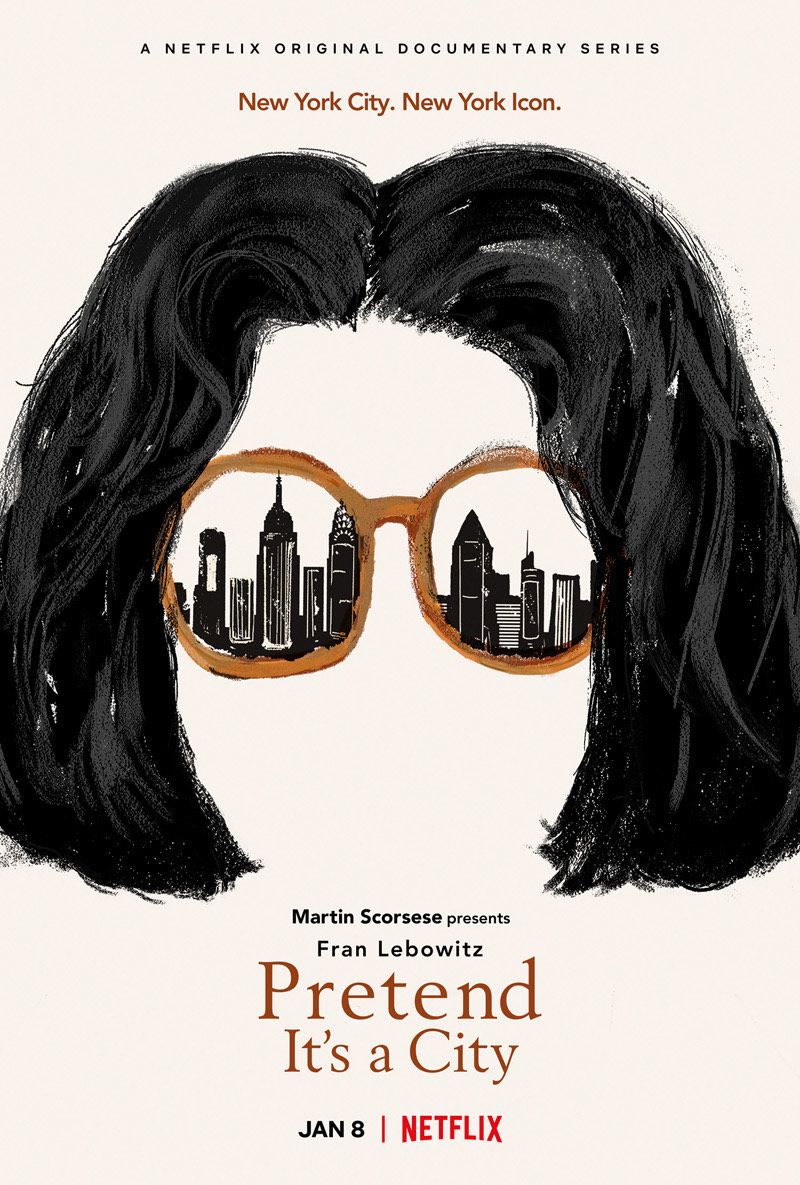
Scorsese's magic lies precisely in explaining to us that New York is that unique place where a person like Lebowitz can continue to live, that is, where self-hatred can generate irony and where bad temper tastes as sweet as champagne. It's not that metaphysical either; after all, the New York director has titled his latest work Pretend it's a city because he knows perfectly well that New York is not just the enormous map of plastic buildings where his friend walks around cursing everything, but above all a sum of individual freedoms that, like all those of people who are worth a little something, are also excessive. This also strikes me as profoundly Barcelonian, at least of the Barcelona I love, and it would be great if one of our excellent documentarians imitated Scorsese's grace and stole his idea to follow one of our professional complainers, and of these, fortunately, we still have very worthy examples, from Quim Monzó to Arcadi Espada.
Or like myself, and forgive my immodesty, because although no one dedicates any documentary to me, and it's not fucking necessary, I absolutely share Lebowitz's gallant idea that a writer's obligation is to judge, to consider one's own opinion as objectively valid (this doesn't exempt you from errors, obviously, but there is nothing more dignified than defending one's own screw-ups), and I also share the idea that the world is divided between people who believe that having a certain amount of money is enough... and people who have money. With Scorsese, I also compare that being an artist of complaint does not only require sitting at a table at the Waverly Inn restaurant and starting to bitch about everything that moves, because quality complaining deserves a lot of science, a lot of study, and large doses of observation. Protesting over trifles is common; turning discomfort into art is worthy of few geniuses.
I share the idea that the world is divided between people who believe that having a certain amount of money is enough... and people who have moneyTo me Barcelona excites me because it still gives me extraordinary reasons to protest. The whole pack of NGO workers who block my way in Plaça de Catalunya with the unfortunate phrase "Do you have a minute for a question?" (to me, who would ban all diminutives by decree) deeply offends me, this pathological need of my fellow citizens to make noise and turn any celebration into horrible pyromusicals and execrable local festivals that always end in the inevitable bombardments of firecrackers and toasts with cheap cava,there is nothing that seems more delusional to me than the army of skaters and cyclists who populate Rambla de Catalunya with their ridiculous contortions, as if the street were a stage for their nauseating athletic narcissism, and I find this obsession that we Barcelonans have of deifying chefs among the best in the world simply because they cook tasting menus with thirty-six tiny dishes unbearable.
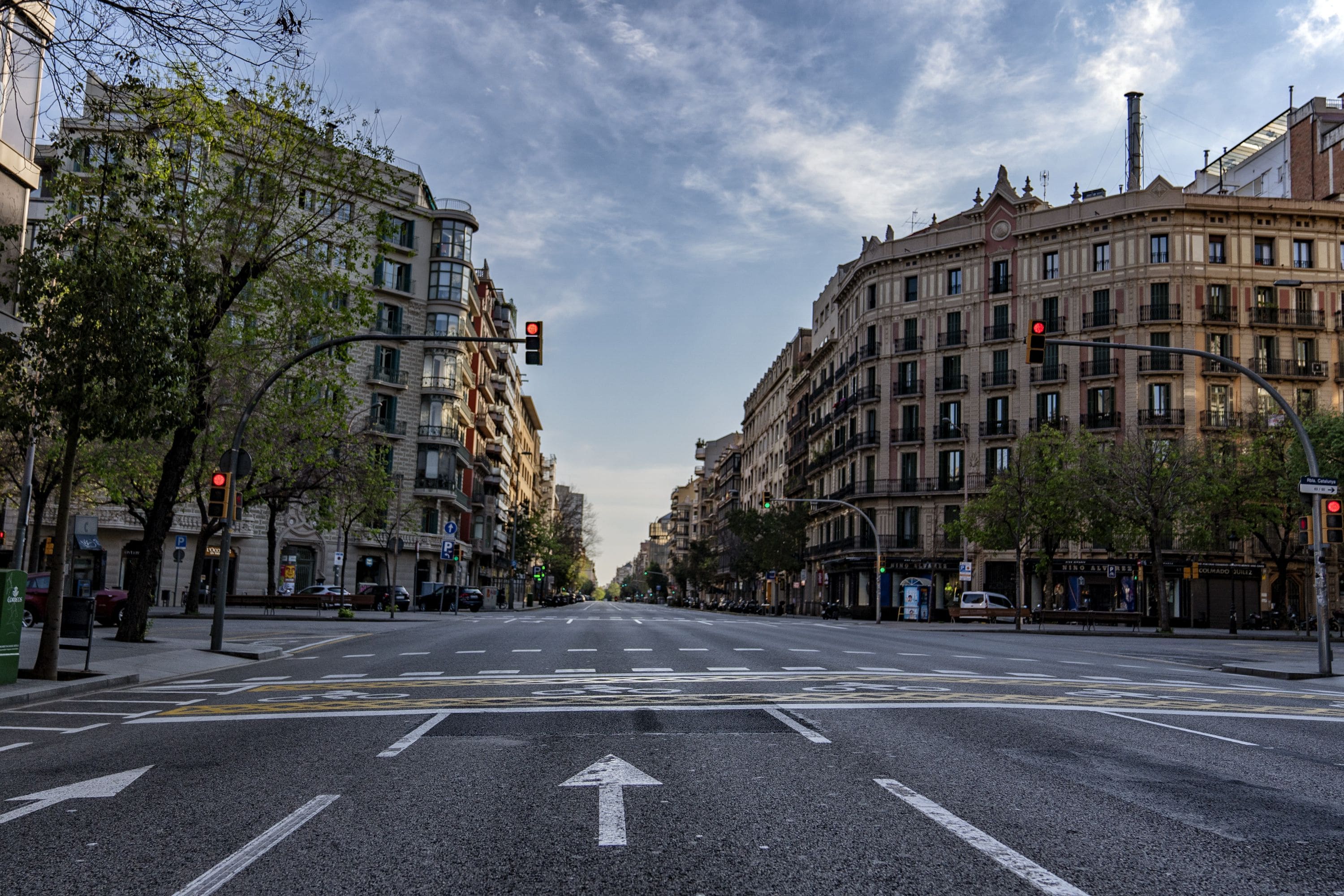
But this sum of grievances from my grumpy spirit is and will be my love letter to Barcelona, and the day my city becomes something perfect that doesn't allow me to grumble, I will leave here to return to Manhattan, which is, of course, the only place where I have been able to subsist away from the Eixample. The individual is excessive, and complaining is the only way misanthropes let out tears. Let's assume Barcelona is a city, let's pour all our anger into it, and let's never dare to abandon it. No way.
Add The New Barcelona Post as your preferred Google source for free
Stay informed with the latest news.