
The FGC station in Plaza Europa-Fira has been rebranded these days with the name Estación Noel. The charcuterie brand from Girona is in charge of welcoming visitors to the Alimentaria & Hostelco Show who come to the fair by train this week, anticipating the strong presence that the powerful Spanish meat industry has in the event. The second major visual impact that visitors experienced before entering the fairgrounds on this first day of the show was that of the fluorescent vests worn by a group of Danone workers in protest against the closure of the Parets del Vallès factory, precisely on the day they reached a pre-agreement with the management and called off the strike. Once security controls were crossed, the visual, olfactory, and gustatory impacts multiply before the great feast offered to visitors by the stands of the more than 3,200 companies participating in the fair, considered one of the three largest in Europe and one of the five most important in the world in the food sector.
More than 100,000 professionals, 25% of them foreign, are expected to pass through the Gran Via de Fira de Barcelona venue until Thursday. Learning about the main novelties launched by the food industry; finding new suppliers; keeping an eye on your competition; discovering new ingredients; immersing oneself in consumption trends; or participating in showcookings, tastings, and product demonstrations are among the main reasons to attend Alimentaria. However, there is an element that continues to have a strong specific weight in this fair and contributes to its vigor year after year: it is a powerful space for socialization where clients and suppliers take the opportunity to shake hands, deepen their businesses, get to know each other personally, or simply catch up while sharing a plate of ham at one of the crowded tables inside the stands.
This possibility of shaking hands and greeting is perhaps especially intense during the first day of the fair, when the volume of VIPs per square meter skyrockets as a result of the King's presence. Owners, presidents, CEOs and general managers strive to take their place in front of the stand and greet and take a photo with the monarch during the long inaugural tour he has made of the fair. Felipe VI has been accompanied by a large entourage led by the president of Fira de Barcelona, Pau Relat; by the president of Alimentaria, Antoni Llorens; by the ministers of Industry and Agriculture, Jordi Hereu and Luis Planas, respectively, and by the mayors of Barcelona and L'Hospitalet, Jaume Collboni and Núria Marín, among other authorities.
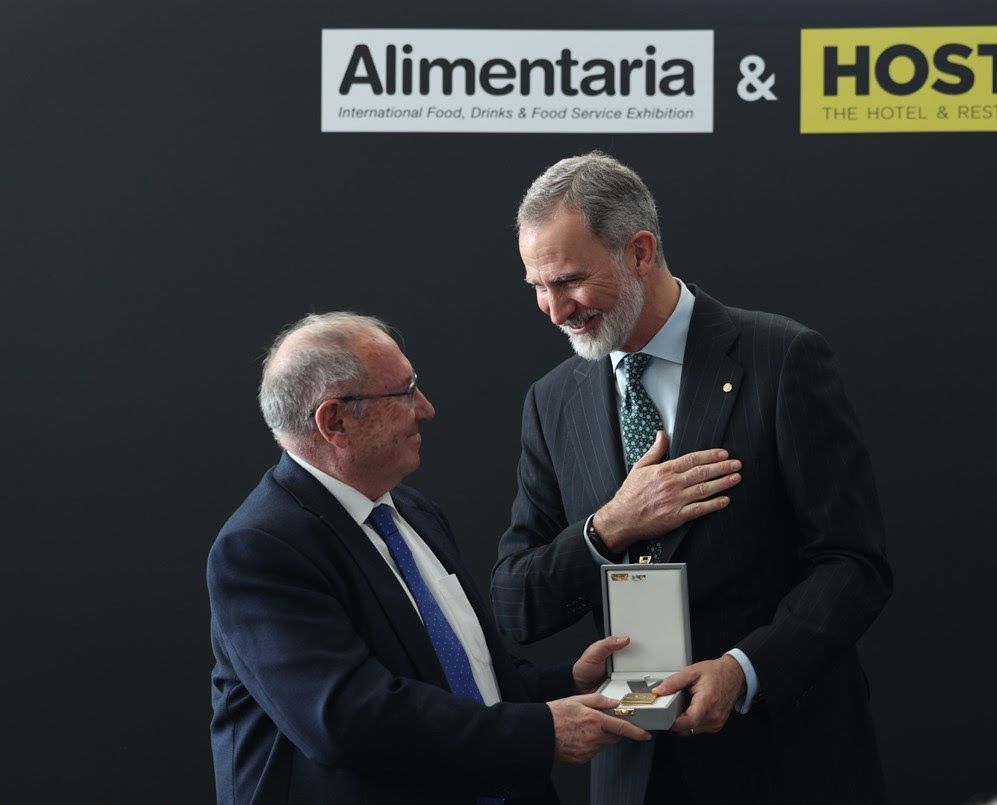
After visiting the exhibitors, in a private meeting, the King met with the businessmen who make up the Alimentaria steering committee, in an event in which José Luis Bonet was honored, president of the Spanish Chamber of Commerce, who was the fair's top executive for 22 years and also chaired the board of directors of Fira de Barcelona for fourteen years. Specifically, Bonet received the Gold Medal from the monarch as emeritus president of the show for his career in the fair institution and in the leading show of the Spanish food industry.
"This is a more than deserved recognition for a person who for many years has dedicated with effort and devotion his time and good work to both Alimentaria and Fira de Barcelona, leaving his mark," highlighted his successor at the head of the board of directors, Pau Relat.
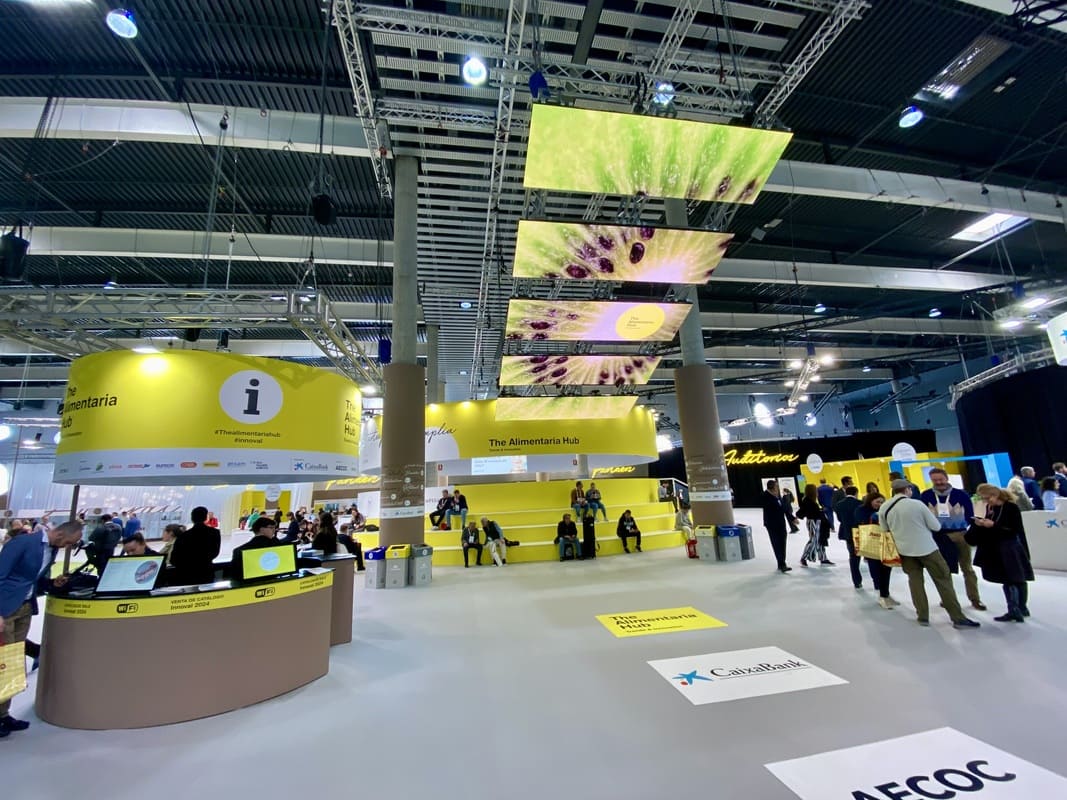
At noon, while this event was being held in the protocol room of the Gran Via venue, Alimentaria was already a hive of people walking through the aisles and filling the colorful stands with meetings and huddles, offering classic photos, such as visitors loaded with bags and long queues to get a plate of rice cooked by Aneto chefs. Despite the high number of participating companies, the fair conveys spaciousness and looks better than ever, according to the praise heard from both exhibitors and visitors as they walk through its 100,000 net square meters of exhibition.
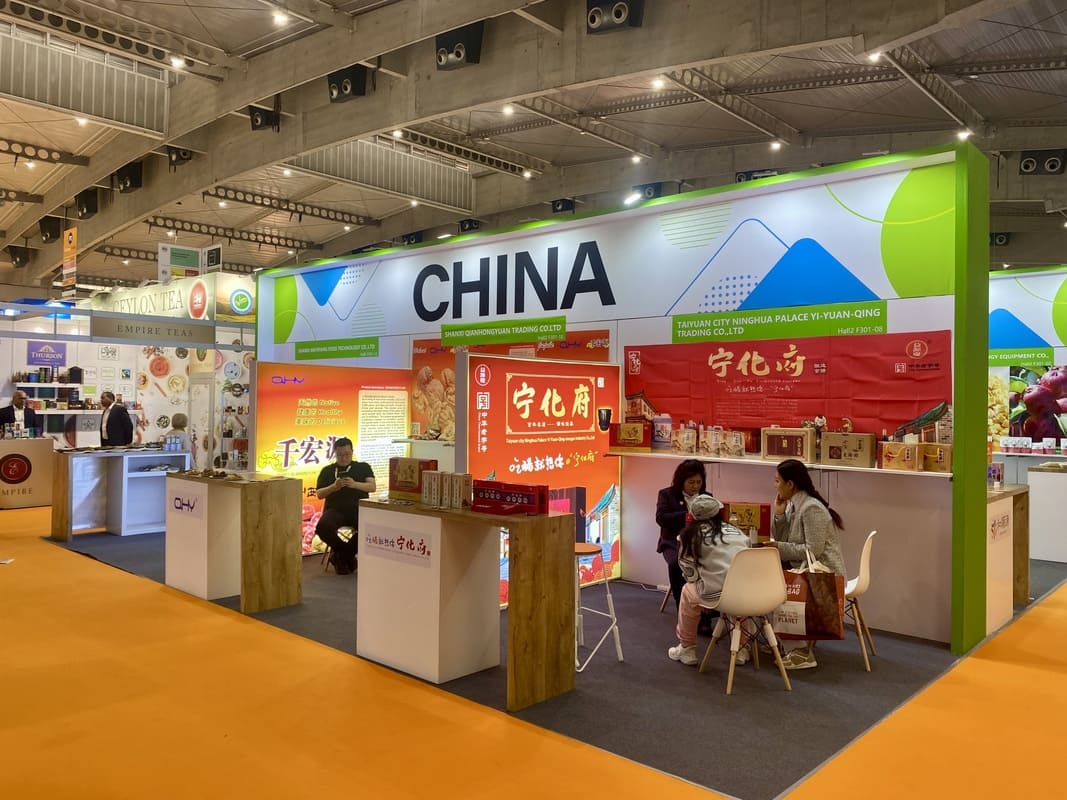
This year highlights the strong commitment that China has made to be present at the fair, with dozens of companies offering European manufacturers and distributors products such as ginger, garlic and dehydrated chili, goji berries, macadamia nuts, quinoa flour, or all kinds of nuts and sunflower seeds. In this edition, the number of foreign companies has doubled, with 900 companies, almost a third of the total exhibitors. For Alimentaria, this international component is essential, as the fair bases its value proposition on being the great showcase to the world for Spanish manufacturers, but also the ideal platform for foreign companies to enter Spain or the European market.
To foster this global component, this year Alimentaria has invited 30 international journalists and 2,200 high-level buyers, half of whom are foreign, from 98 countries, with the United States, Mexico, China, Portugal, the United Kingdom, Colombia, Canada, and South Korea leading the way. These buyers are expected to hold 13,000 business meetings with exhibiting companies this week.
It is worth visiting The Olive Oil Bar, the space that Alimentaria dedicates to the promotion of Spanish virgin olive oil. Throughout the day, in this peculiar bar, you can taste up to 98 different brands of oil and learn to appreciate the differences between a sweet green fruity extra virgin, a bitter green fruity, and a ripe fruity. The official tasting panel has awarded in these three categories the brands Oro de Cánava (Jaén), Rincón de la Subbética (Córdoba) and Finca La Gramanosa (Alt Penedès), respectively.
Another of the most popular spaces, for concentrating the most novel or disruptive foods presented at the fair, is Innoval. One more year, health and convenience are the dominant themes among the novelties. Particularly striking is a type of pork or beef in which vegetable fat, omega-3, and vitamin D have been infiltrated and which, according to its packaging, helps reduce cholesterol. Plant-based foods and those with high protein content account for a good part of the latest launches by major brands. Nestlé, for example, presents a can of Litoral 100% plant-based meatballs; while the Valencian Dacsa dares with a Madrid stew with plant-based ingredients as well. For its part, Gala Food has invented snacks made solely with egg, and Noel has launched packs for athletes containing pieces of protein-rich cold cuts, dehydrated fruits, and nuts.
At Alimentaria, Aneto is presenting its new Miso broth these days, ideal for making ramen; while Gallina Blanca is promoting the broth it makes with Enrique Tomás ham. Liquats Vegetals, for its part, has launched the first vegetable drink with coffee in an on-the-go or take-away format. The Cola Cao brand is also venturing into a new business category: it has launched its own cookies, following in the footsteps of Nocilla, also owned by Idilia Foods, which did so a few years ago. In a completely different sector, Gaudea is presenting a gin made with arbequina olives and coriander seeds at the fair.
In this edition of Alimentaria, which is expected to generate an economic impact of 200 million euros, the effort made by Catalunya is particularly noteworthy due to its designation as World Region of Gastronomy in 2025. Thus, Catalunya not only has a presence in the autonomies pavilion, but also has multiple stands throughout the fair that group small producers and even startups and are sponsored by Generalitat bodies such as Acció and Prodeca. This public company, for example, has organized more than a thousand business meetings ---in a brief 20-minute format--- between nearly sixty Catalan companies and 20 importers and distributors from eight strategic countries: Brazil, United States, India, Mexico, Nigeria, Peru, Costa Rica, and Uruguay.
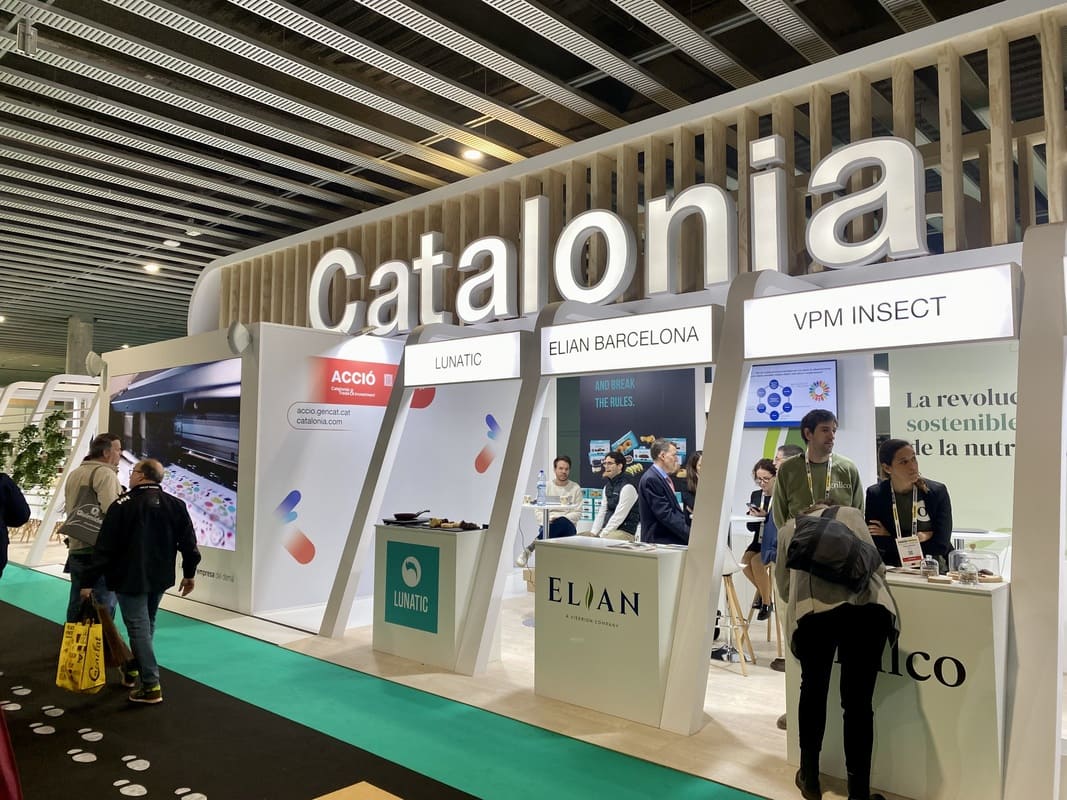
In the startup section, one of the most interesting is Grillco, a company from Osona that manufactures flour made from crickets. It is a zero-kilometer ingredient that is presented as one of the protein sources of the future and that increases the nutritional value of dishes by also containing vitamin B12, calcium, iron, potassium, magnesium, zinc, and omega-3.
During his visit to the fair this Monday, the President of the Generalitat, Pere Aragonès, stressed that being a World Region of Gastronomy represents "a unique opportunity to highlight the excellence of our products, our cuisine, our territory, and our food industry." In total, more than 375 Catalan companies participate in Alimentaria, which demonstrates, according to Aragonès, "the importance of the sector for the country as a whole," as it employs 177,000 people and generates 19% of the GDP.
Add The New Barcelona Post as your preferred Google source for free
Stay informed with the latest news.
