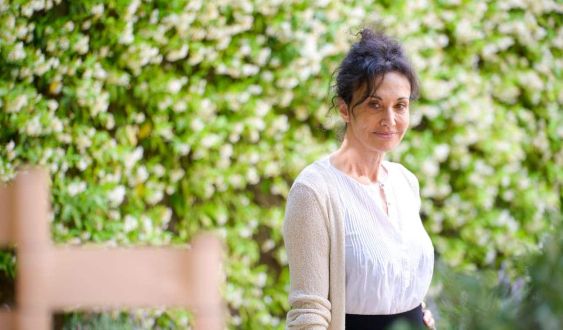
The president of the Tanja Foundation and pre-candidate for the presidency of the Cercle d'Economia, Rosa Cañadas, believes that the entity has lost many spaces in the field of institutional and European debate, "from which in recent years it has been left out, abandoning all its influence to the detriment of other institutions."
Cañadas wants to lead a candidacy in the upcoming elections to the Cercle to recover "that voice" from the defense of the basic pillars that founded it: "democracy, Europe and the market economy". But she also proposes "returning the member" to the place they occupied when they were made more participative in the entity's debates, even "during the annual conferences in Sitges, which are now held in Barcelona, and in which we miss spaces for reflection and debate where the member can participate," said the entrepreneur and economist, born in Tangier. Cañadas is in favor of carrying out specific activities in Barcelona on current issues and "returning the annual conferences to Sitges, where the member gains representativeness."
Her candidacy will face that of the former CEO of Banco Sabadell, Jaume Guardiola. Regarding its composition, she has given no more detail than the interest in incorporating members of the current board of directors chaired by Javier Faus, from which Guardiola has left. Cañadas has been directly linked to the Cercle during the mandates of Josep Piqué, Salvador Alemany and Antón Costas and "for years actively." She argues that for a long time "she had been thinking about the possibility of running for president and a year ago I made the decision," she assured. These are the first elections in the history of the Cercle in which there is more than one candidate vying for the presidency, and they will take place on July 12.
During the presentation this Monday of her pre-candidacy, Rosa Cañadas has defended that the Cercle must raise "its voice from Barcelona, a city that, rather than acting as co-capital of Spain, must become the capital of the Mediterranean and stop looking towards Madrid in a complexed way". Hence, she rules out the option of establishing an office of the entity in Madrid ---as, according to Cañadas, some within the entity advocate--- "because from Barcelona one can influence Madrid and Europe."
In this regard, she insisted that "there must be bidirectional communication between the Cercle and European institutions", a task that can be carried out through some of the partners who "are or have been linked to Union institutions", and through "the opinion notes regularly issued by the entity, which need to be appropriately channeled to be influential". "We have it easy: we have the privilege of having among our partners high-ranking Spanish representatives or former representatives in the European Union," she said. According to Cañadas, the Cercle must register as an interest group in Brussels to be able to participate in all debates.
The pre-candidate has not specified what participation instruments she will make available to partners to make them more involved in the entity, but she has highlighted its "extraordinary intellectual capital". A bulwark that Cañadas will try to complement with "young voices" that can rejuvenate the Cercle.
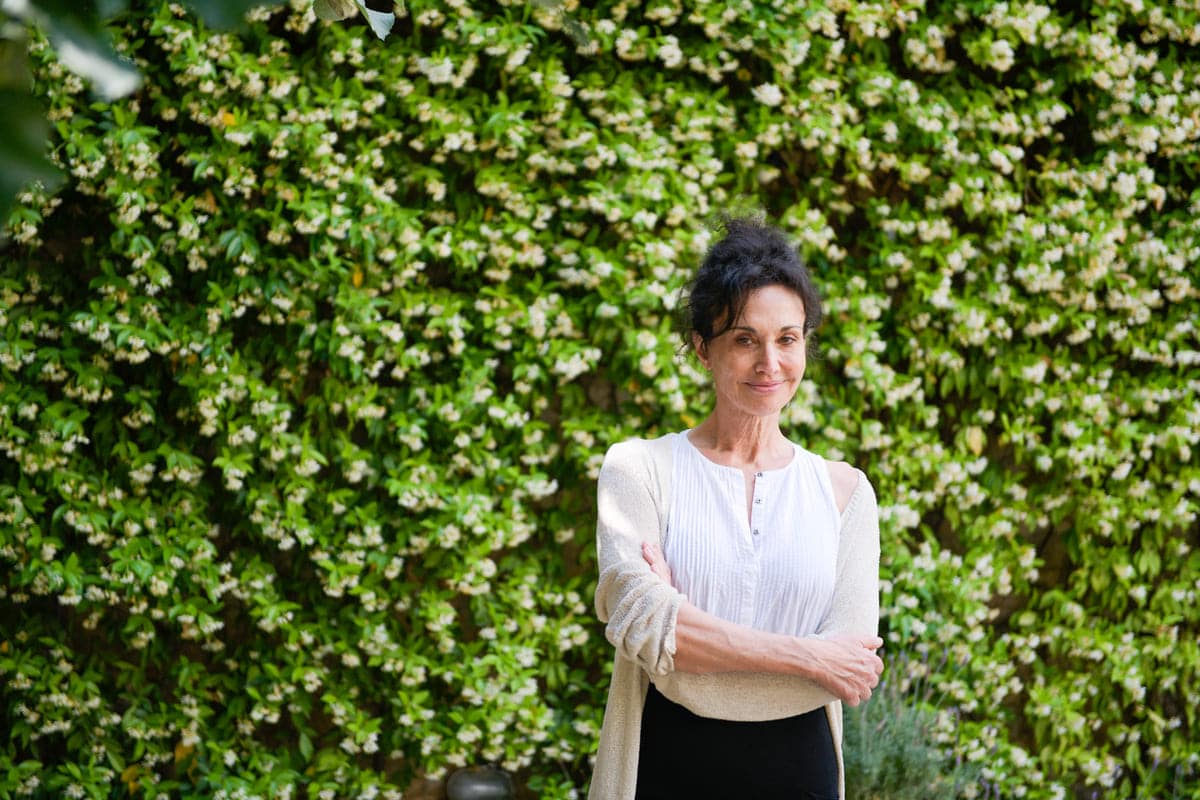
She also spoke of "transversality and empathy" as attributes that "must be recovered to help mend fissures and draw a more stable framework" within the Cercle, given the current socio-economic context which, she defined, "is such a complex reality that it cannot be approached simply."
Cañadas' board "will represent transversality and empathy, from the plurality of professional orientations and sociopolitical sensitivities, with young people and seniors. We must renounce continuing to use models and styles of the past. They no longer serve," she stated.
On the more political side, Cañadas will advocate for the promotion of new institutions and strengthening existing ones, addressing aspects such as immigration and populism, "seeking the roots of social unrest, not just identifying it as a problem to be solved," she said. Regarding the relationship between Catalonia and Spain, "an unresolved issue", she believes it should be deepened in line with what the Cercle already expressed during Juan José Brugera's mandate, with proposals "to modify Catalonia's self-government and the functioning of the Spanish State's territorial model".
Cañadas has explained that if she wins, she will promote statutory changes and has considered this electoral process, totally unprecedented, "will be very positive" for the entity. "My goal is not to break or harm the Cercle, quite the opposite, this debate we will have these weeks will be very good. These elections will strengthen the entity; whoever wins. Long live the debate!", she expressed. Cañadas has received congratulations from several members who have spoken, such as Elvira Vázquez or Anna Balletbò, who has shown herself "admired" by the decision to run in the elections and break with tradition. "I am admired and proud that it has been a woman who has managed to have elections held at the Círculo," Balletbó emphasized.
In the same vein, Josep Francesc Valls has called the elections a "historic moment." For his part, lawyer Soler Padró has asked the two candidates to reach an agreement, a request to which Cañadas has responded by assuring that there is only one option to avoid elections: "that the other candidate wants to integrate into my candidacy; I will be delighted," she concluded.
Add The New Barcelona Post as your preferred Google source for free
Stay informed with the latest news.
