Mental and emotional health are inherent in a fully healthy life. There is no health without them, and in many cases, they are the trigger or cure for diseases we know as physical or organic. Therefore, the study of the brain to discover what makes it impossible or difficult for people to function autonomously, and to reorient and improve treatments for those suffering from disorders at any time of life, represents one of humanity's most important current challenges.
One of the reference centers in Spain for the diagnosis and treatment of people with mental health problems is the Parc Sanitari Sant Joan de Déu, in Baix Llobregat. And there, the Rise Center has just been inaugurated, named with the acronyms, in English and Catalan, of its mission: Research and Innovation in Emotional Health. The center is located in a 3,000 square meter building and has been equipped with the latest technologies, which will allow progress in identifying and resolving the unknowns that still challenge the scientific community today. The knowledge of why mental illnesses occur is still scarce. The focus must be placed on the alterations of the psyche that hinder or prevent a life with full mental and emotional health and on how to diagnose, treat, and prevent them earlier and better. Also, how to ensure the well-being and quality of life of those who suffer from them and their families.
In the new center, located in the old psychiatric hospital of Sant Boi de Llobregat, researchers from Sant Joan de Déu and from the main research centers and universities in Europe will work. As its promoters explain, Sant Joan de Déu's objective is to share the knowledge that arises from research projects with other professionals in Europe and contribute to changing the model of addressing mental health disorders in the 21st century. The Parc Sanitari Sant Joan de Déu, which leads this paradigm shift, is currently ranked as the ninth center in the world for mental health research, according to the H5 index, the barometer of the impact of scientific publications in the last five years.
The Parc Sanitari Sant Joan de Déu includes the care, teaching, and research services of the Hospital de Sant Boi, Intermediate Care, and the Mental Health Network, with an area of influence of one and a half million peopleResearch and innovation have been two inherent principles of the professionals at Parc Sanitari Sant Joan de Déu throughout history and, now, just as at the beginning of the 20th century, when the Sant Boi psychiatric hospital was a pioneer in introducing new European currents of ergotherapy for the treatment of certain disorders, professionals are once again innovative, with the same values to find answers to 21st-century mental health problems, with the aim of dignifying treatments and prioritizing respect for the individual above all else.
160 research projects and more than 200 researchers
The Rise Center is destined to bring together excellence in the field of mental health in Southern Europe. It will centralize the work of more than 200 professionals working on 160 research projects led from here and aimed at promoting change towards a new way of caring for and increasing the quality of life of people with mental disorders.
The priority of studying the brain is evident. According to the latest report from the Ministry of Health published this August, 34% of the population suffers from some mental health problem, an affliction that exceeds 40% in people over 50, and 50% in those over 85. The most prevalent disorders are anxiety, sleep, and depressive disorders. Anxiety disorders affect 10% of the population, twice as many women (14%) as men (7%) and affect three out of 100 people under 25. Anxiety disorders are the most common mental health problem.
"We already knew that mental health would be one of the priority issues," comments the Director of Health at Parc Sanitari Sant Joan de Déu, Antoni Serrano. "At the beginning of the 21st century, the fact of expressing that one suffers from depression and stress became popular, we are quite aware of it. But the COVID pandemic made the cup overflow and put them on the politicians' agenda," explains Serrano. He also adds that, during the pandemic, it became very difficult to periodically monitor people with serious illnesses. Teleworking, to which many workers had to adapt; youth and the increase in suicides in this group, and the crisis of healthcare professionals themselves externalized that individual vulnerability can affect anyone, thus highlighting the need to approach mental health as an urgency.
As Serrano explains, one of the study branches of one of the most powerful research groups at Parc Sanitari Sant Joan de Déu is evaluation in health management and planning. In 2010, they developed the Comprehensive Atlas of Mental Health Care Services in Catalonia, because, as Serrano says, "a new molecule is of little use if it cannot reach the patient." The content of the atlas provides information that serves as a source of informed evidence for planning, programs, and health policy in mental health.
"At the beginning of the 21st century, the fact of expressing that one suffers from depression and stress had already become popular, we are already quite aware of it. But the covid pandemic was the last straw and placed them on the politicians' agenda"It is precisely the long experience working with people living with a mental disorder ---the historic site of the Sant Joan de Déu psychiatric hospital will soon celebrate a century--- that has provided the professionals of Parc Sanitari Sant Joan de Déu with the most faithful perspective on the daily lives of these patients. Hence their ability to determine the study targets of their problems, including those that hinder their own collaboration, such as adherence to medication. "We know that 70% do correctly follow the treatment, but that up to 50% abandon it prematurely, and that one in five will not start it," explains Serrano. Also from Parc Sanitari Sant Joan de Déu, they have designed, together with Primary Care doctors, a strategy that allows the family doctor and the user to talk more and better about their medication, so that they do not fail to take it.
Additionally, they collaborate with a researcher from Canada who has designed a scale that facilitates the monitoring of medication side effects. All of this is to improve patients' lives. "If we know all the effects, we can try to minimize them and make them more tolerable," argues Serrano. In this context, Parc Sanitari Sant Joan de Déu has three clinical studies underway with psychedelics for the treatment of resistant depression that could achieve the resolution of the disorder.
Pioneers in the way of care
Parc Sanitari Sant Joan de Déu is made up of a network of care, teaching, and research services integrated into three areas of care with their own identity ---the Hospital de Sant Boi, Intermediate Care, and the Mental Health Network---, which implements a comprehensive, proximity, and quality care model that generates trust, both in the health and social aspects, and also promotes a proactive model of community-based services. The area of influence of the expertise of its mental health professionals reaches a population of one and a half million people in several regions of the Catalan coast, including a part of the city of Barcelona. In accordance with its desire to shorten long psychiatric stays, and to deploy resources to the patients' closest and most everyday environments, what had been an old clinic has now become this large and modern research and innovation center, where treatments and therapies will be developed to respond to the mental disorders of today and the future.
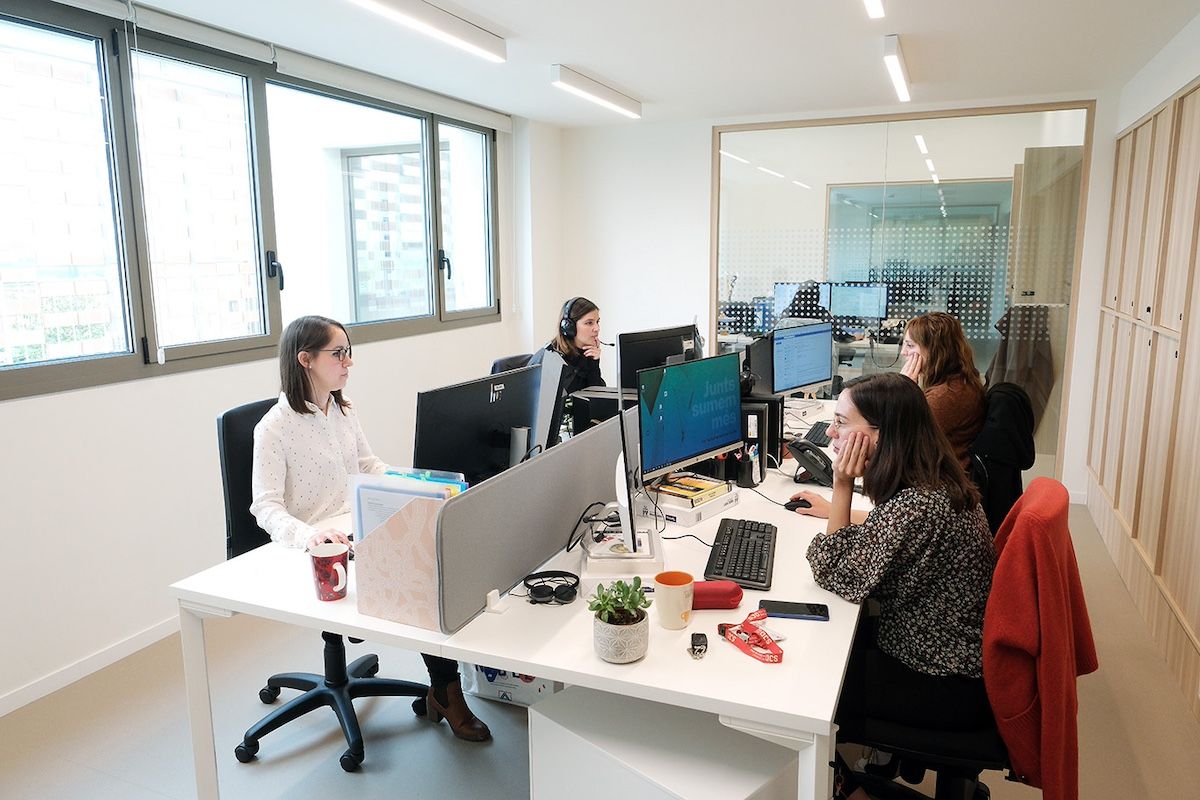
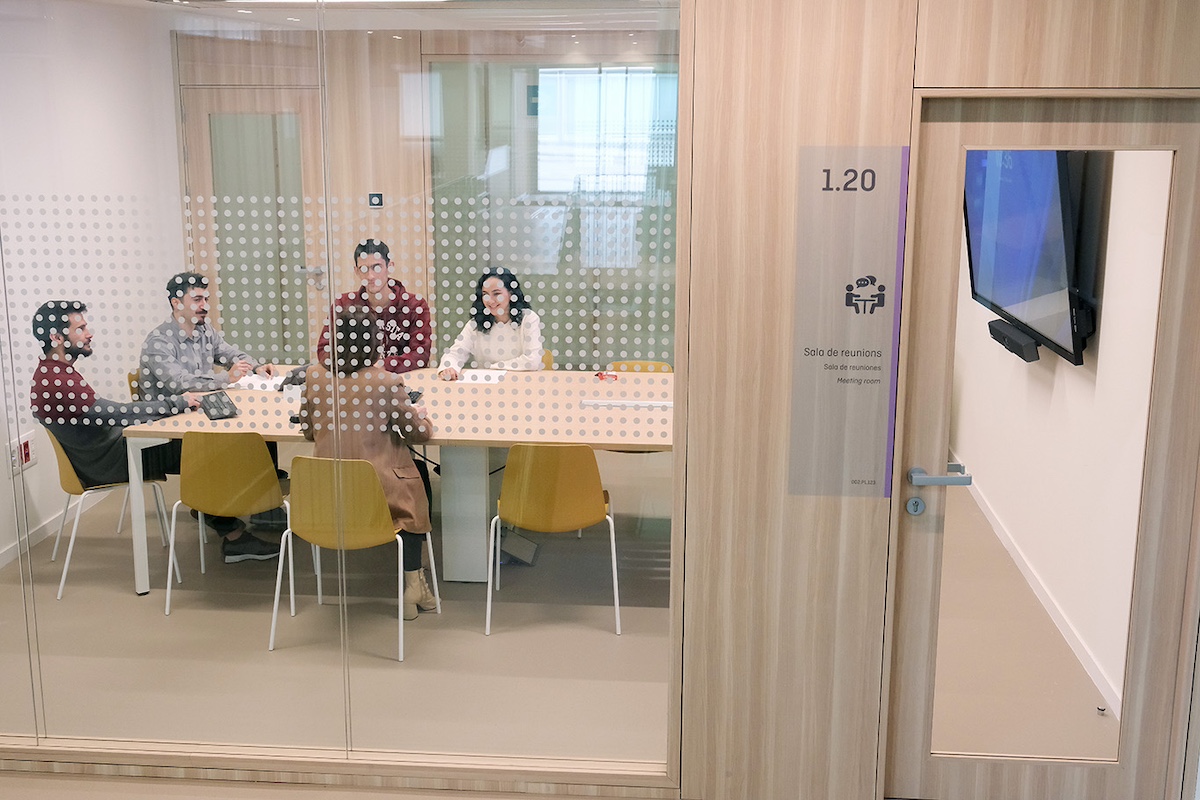
Treatments such as transcranial magnetic stimulation to improve response in cases that do not respond well to drugs, as well as virtual reality, robotics, or 3D have been deployed in the Rise Center to continue evolving in the service of patients. More than eighty contracted researchers of all types of profiles already work there, such as computer scientists, nutritionists, nurses, family doctors, and biotechnology specialists: "We do multidisciplinary research, because all disciplines can make their contribution and find answers."
In the European context, the Parc Sanitari led the study of future needs for mental health research. In addition, it has one of the brain banks with one of the most important samples in Europe for basic science analysis.
The rehabilitation works of the RISE Center building have involved an investment of 6.3 million euros, of which 1.9 have been financed with a subsidy from European Feder funds, managed through the Ministry of Universities and Research.
At its inauguration at the end of July, the then Minister of Health, Manel Balcells, stressed that the Government has made a "decisive commitment to update the challenges in the field of mental and emotional health." The former minister highlighted that "research and innovation are key elements to achieve this, not only to improve and find new treatments, but also for prevention." Balcells remarked that "having this first-class building and these research groups represents a qualitative leap, and places us in a highly competitive position in the international arena."
The center aspires to contribute to changing the 21st century mental health approach modelFor his part, the managing director of Parc Sanitari Sant Joan de Déu, Sebastià J. Santaeugènia, explained that "this center must serve to make available to society the best tools to advance the research of our researchers and open the doors to shared and transversal participation."
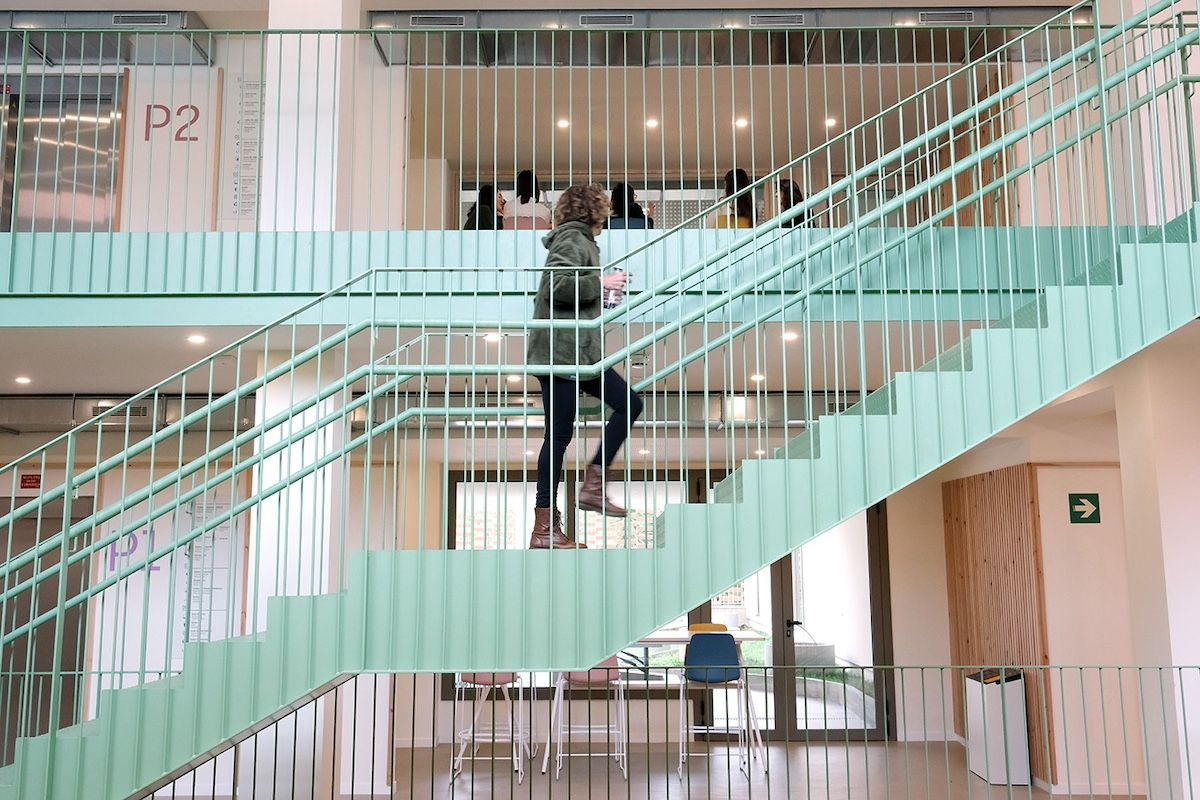
The construction project has been based on three strategic lines, the first of which has been to guarantee a functional and welcoming environment for research and teaching. Thus, the design has followed criteria of flexibility, humanization, health, and universal accessibility; it promotes comfortable, adaptable, and respectful interior spaces for the well-being of users, and guarantees the quality of the interior environment and the prioritization of healthy materials. Thus, the new building has been conceived from a commitment to healthy architecture with the use of the Friendly Materials analytical method, and in accordance with the universal accessibility criteria guaranteed by the Clear Code Architecture method.
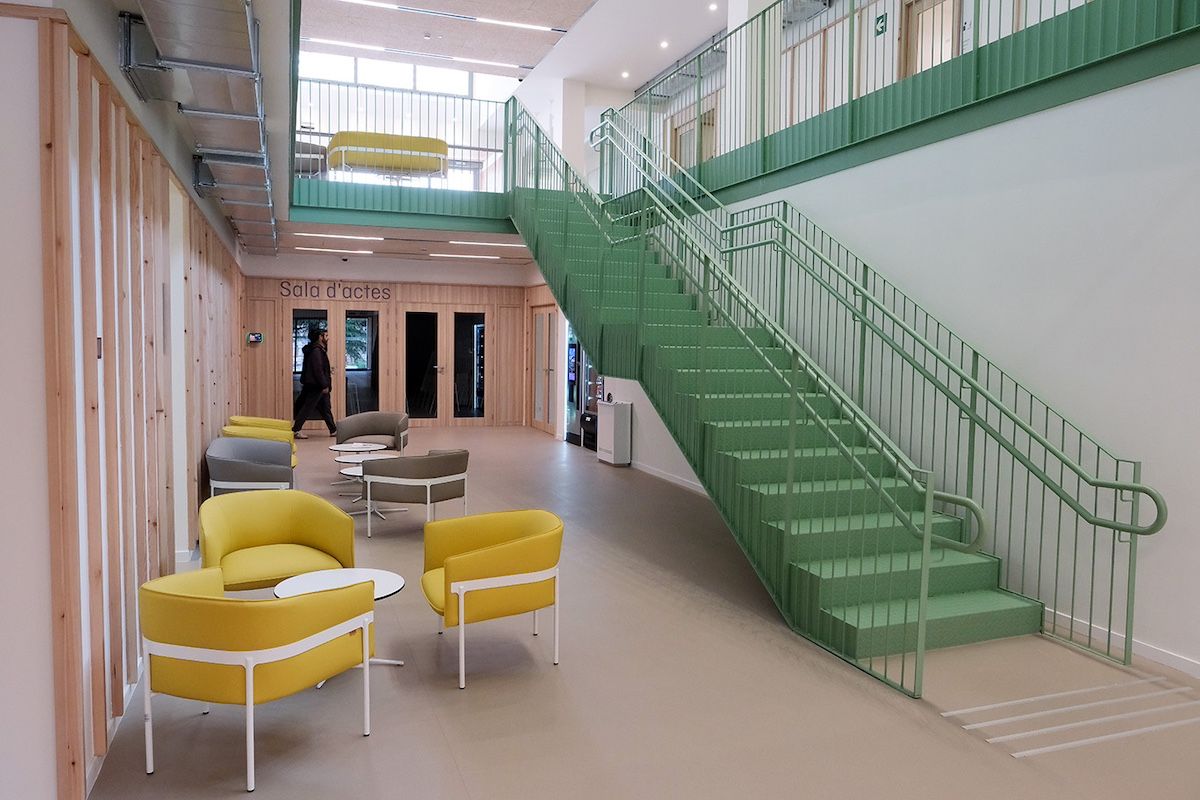
Another objective has been to integrate into the environment with an innovative image, in order to harmonize the building with its surroundings and at the same time reflect its purpose, in addition to generating a focus of activity and relationships that enrich the healthcare activity of the park. To do this, a ceramic facade cladding has been installed that connects the building with the red lands of Llobregat and with the historic brickyard located on the grounds of the healthcare park. Precisely, the building breaks with the aesthetic of the moment of its initial construction, since the volume has been modified with the creation of a terrace and an atrium that favor interaction between people and internal circulation and orientation.
Finally, the aim has been to accentuate the bioclimatic behavior, environmental comfort, and structural adequacy of the building. Thus, the spaces have been adapted to new uses and their respective loads. Action has also been taken in the construction of a second facade of the building that improves bioclimatic behavior and reduces energy consumption, while increasing the thermal and acoustic comfort of users in the interior spaces.
The construction process has focused on the reconversion of a 70s building to adapt it to current needs, both in terms of new architecture and new materials, and the change in the building's activity. In the rehabilitation process, natural materials such as ceramics, a local product with variable tones, have played a primary role, connecting the space with the environment and with the history of the Parc Sanitari Sant Joan de Déu. The project has also foreseen the integration of vegetation, with the introduction of internal courtyards that help humanize the spaces and deepen the dialogue with the surroundings.
The Parc Sanitari Sant Joan de Déu has given great importance to its vegetation because the gardens have historically had a therapeutic function. Similarly, the exposed brick buildings also have weight in the enclosure, because they connect with its past of brick production at the beginning of the 20th century. Precisely, the chimney from that factory installation is still preserved, visible from the exterior of the new Rise Center, which is called to be an international reference.
Add The New Barcelona Post as your preferred Google source for free
Stay informed with the latest news.