[dropcap letter="R"]
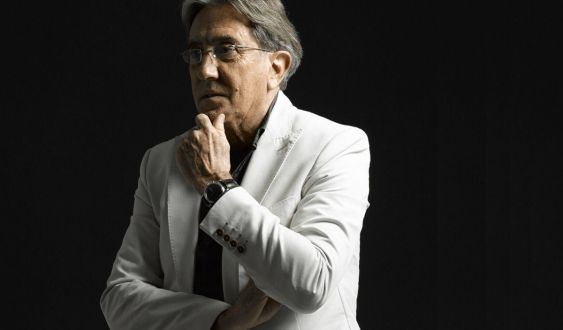
ecluded there where the coast looks proudly at the sea. Cap de Creus. "Taking advantage of the tranquility that these hard times offer us," he acknowledges. Modernizing the smell of theleather from Spain, busy "reinterpreting this aroma, which is not an essence, in a more current way; drier and earthier, sun-drenched with vanilla and with a note of amber." Sun-drenched? "Vanilla caresses you, like velvet, it transmits the effect of the sun, its warmth, which is my battery." Sun-yellow vanilla (in black pod), which is irrelevant because Ramón Monegal is colorblind. "Leather has the smell of a second skin, it transmits protection. The protection that (whether we want it or not) we seek in these moments of insecurity. Let's think about the embossed leather breastplates of the Romans." [subscribe_newsletter_esp] Congenital perfumer, nose of the Perfume Academy among its ten full academics, Iris de Florencia chair, reason: "Perfume announces presence and persists in absence. It has the power to excite and revive situations, places, people. Ramón Monegal (Barcelona, 1951),fourth generation of Myrurgia producers, which in 1916 was born from the fusion of a noucentista artist (Esteve Monegal) and a business vision. He, great-grandson, passionate creator, who in 2009 rebels against the industry and decidesto recover the author perfumer, the alchemist who transmits emotions from his sensibility and his laboratory, inventor, artisan of the idea and the perfume.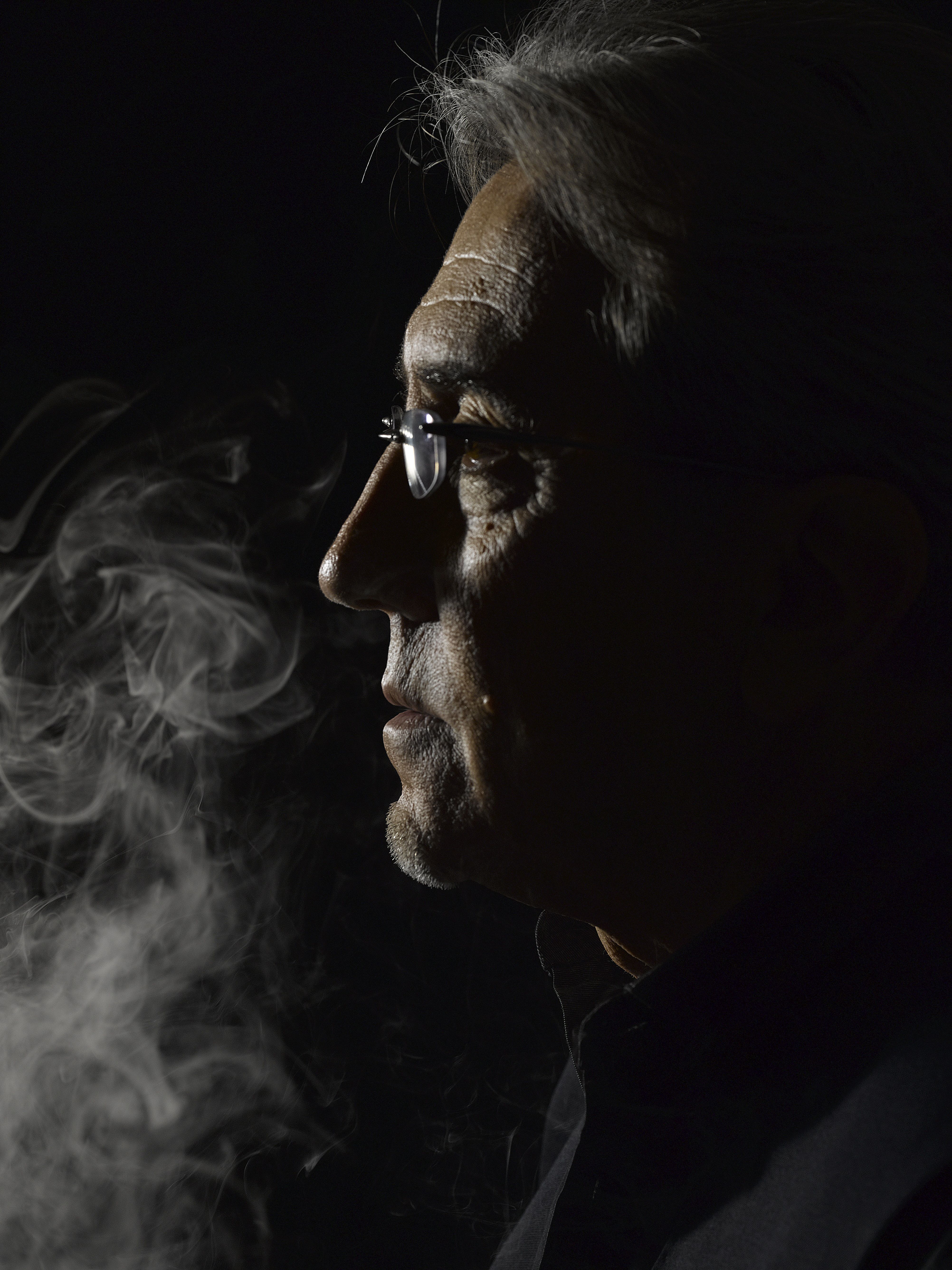
Of art you cannot say I like it, I don't like it; no, art transmits emotions or not"Smell exists because it communicates emotions. Everything is in nature, and nature smells because it communicates, and animals understand it. If you deprive an animal of its sense of smell, it does not survive." But man, no; "we know nothing about smells, we don't even know our own smell."
From Cap de Creus, secluded behind his shell, he continues with his work dynamic, remotely and without pressure, "direct line to the laboratory and the factory; they weigh me, they bring me samples, I rectify. Here I live in nature (an intrepid sailor and in the afternoons, his bike rides), nature changes your expression, and nothing distracts me. I work at night: with dim light and in silence I find the greatest concentration. And in the mornings I get inspired, that's when the senses are most awake."
I work at night: with dim light and in silence I find the greatest concentration. And in the mornings I get inspired, that's when the senses are most awakeFor what? Forto arrive at the concept of Olfactory Image, which is his great contribution to the perfumery universeWhat do I want to tell or transmit about myself? "People are able to build a visual image to communicate with their environment, and this gives us a lot of information about the person. Butwe don't even differentiate our own smellI invent scents so you can build an olfactory image of yourself, seductive, confident, imperceptible. For this, contact with my clients is essential, so they understand what their aroma transmits." Vetiver-stability, jasmine-pheromone, floral-seduction. How is a perfume transmitted virtually, in these all-online times? "Online commerce grows, for the better. Because for me, the important thing is that it allows me to communicate directly with the client. I have to awaken their interest in a smell using only words, but there is no literature of smell." And here he repeats his mantra: "The perfume announces the presence and persists in the absence. It has the power to move and bring back situations, places, people." But marketing and fashion sold it to us as an accessory. "No, the smell (perfume) goes much further": and he says he is alone in this discourse.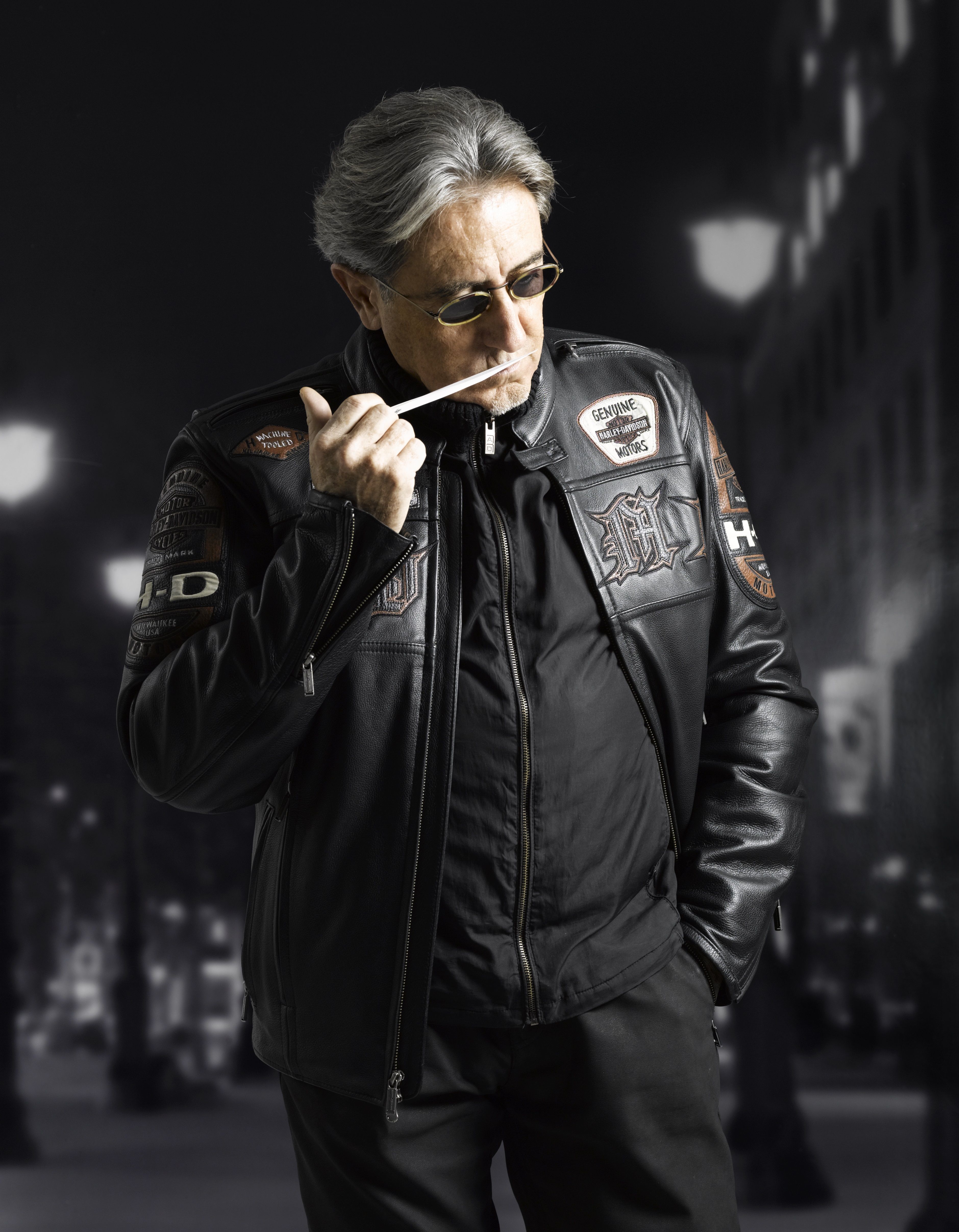
Monegal believes that it is not enough to build a visual image, one must also develop one's own olfactory image.
Perfume announces presence and persists in absence. It has the power to move and bring back emotions, places, people-Monegal, a wood perfumer? -I come from an architectural background, and for me, structure is what matters most. Why? One would have to look for it in psychoanalysis, but I believe I seek security like an engineer seeks for their construction to resist, and that respect guides you in your way of building. So the flower disappears, it has no consistency. My approach to high oriental perfumery culture, all wood, bestial, was definitive.I am a perfumer with a woody structure.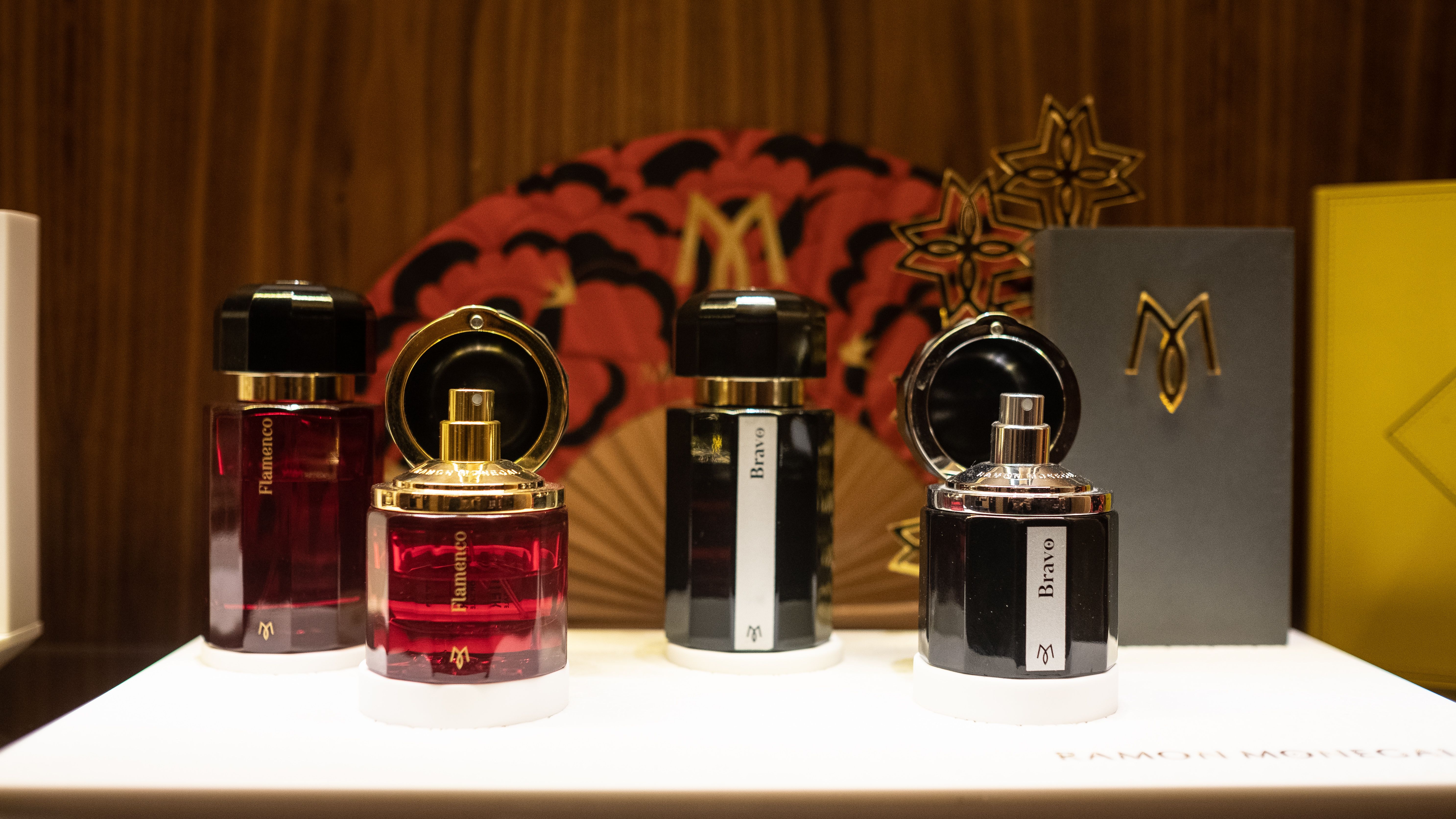
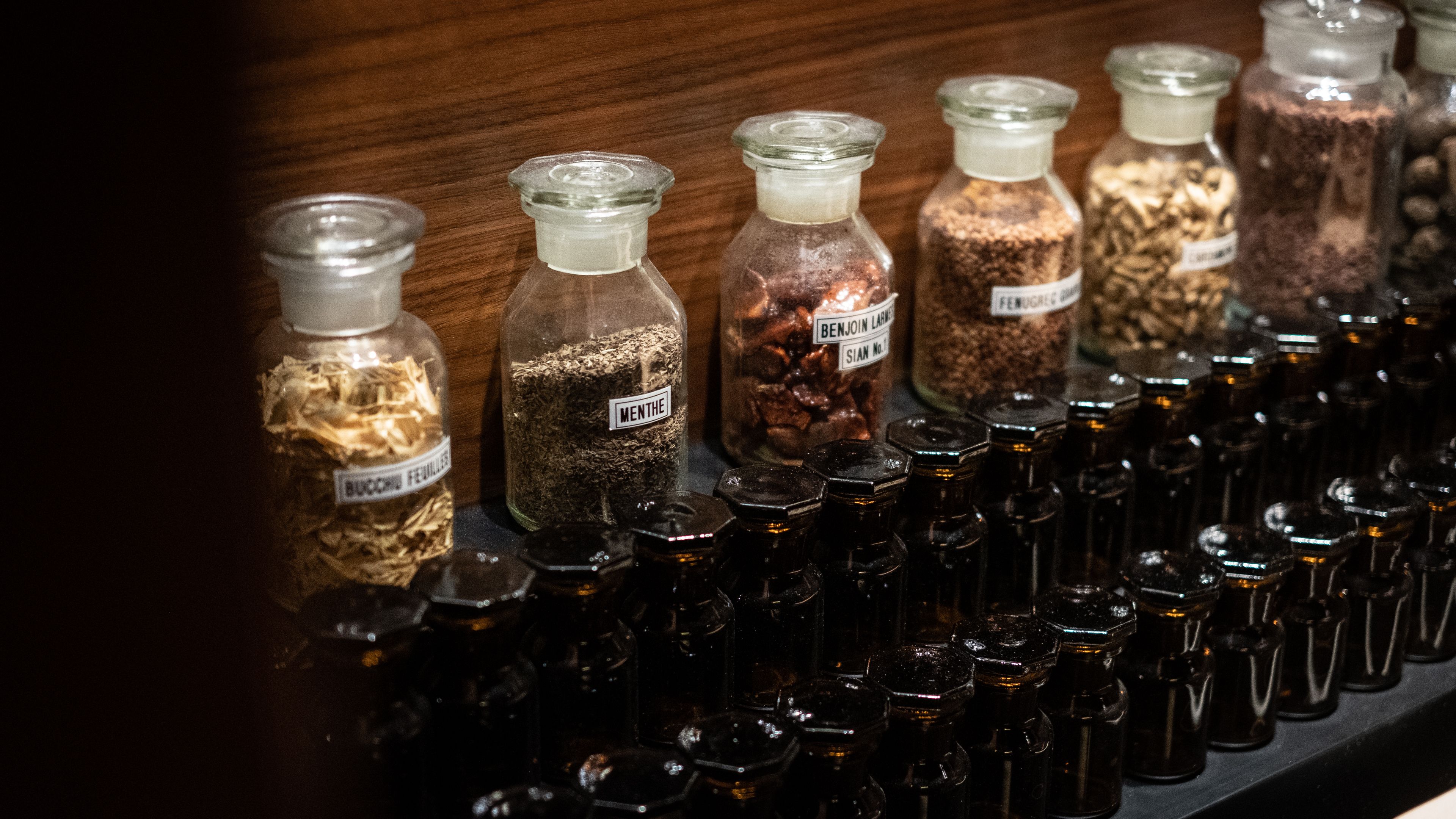
Some of the perfume bottles signed by Monegal in the store on Calvet street in Barcelona.
Add The New Barcelona Post as your preferred Google source for free
Stay informed with the latest news.