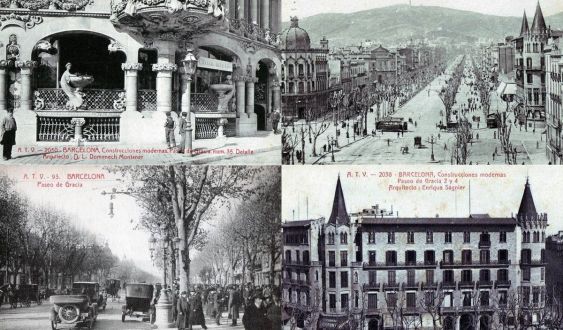
Paseo de Gràcia goes from celebration to celebration. If a few weeks ago it was the 70th anniversary of the Associació del Passeig de Gràcia, the avenue is now preparing to celebrate its bicentennial. With the slogan 1 Paseo 200 gracias, the program will begin with Mercè and will last for three years, until 2024. The Associació del Passeig de Gràcia, the Fundació Barcelona Promoció and the City Council will be in charge of defining the cultural, historical and recreational events that are planned to be organized.
It has been decided to extend the anniversary over time, taking into account that it has been considered an event of exceptional public interest by the Government. This distinction entails tax advantages for carrying out activities, but also involves a lot of planning and coordination between the different administrations and entities involved.
"The three years in which the anniversary will be framed will serve to recover the pulse in the city center, once the pandemic has been overcome," defends the president of the Associació del Passeig de Gràcia, Luis Sans. Curiously, the origins of this avenue were linked to another pandemic, that of the yellow fever of 1821, projecting its urban development as a motor of recovery for the city.
Despite this historical coincidence, Paseo de Gràcia began to take shape many years earlier. One has to go back to the 14th century, when the construction of more religious buildings within the walled city was prohibited. As a consequence, a Franciscan convent was erected in the space currently occupied by Casa Batlló. This new building served as a geographical reference: from Portal de l'Àngel to the convent was the Camí de Jesús, and from there to Gràcia was the Camí de Gràcia.
The convent survived until the invasion of Napoleonic troops, who destroyed it in 1813. Years later, in 1821, it was decided to fix the road and dedicate the area to leisure and recreation. The project was delayed and it was not until 1827 that it could be inaugurated, Sans points out.
From leisure and recreation, with buildings that had to be built only with wood until the walls were demolished, it moved to the establishment of the mansions of the wealthy families of the city. It was not until the 40s when Paseo de Gràcia began to be claimed as the main commercial artery of Barcelona. Santa Eulàlia, Loewe and Furest were some of the first stores that were established there.
The definitive impulse came with the arrival of tourism and the 1992 Olympics. It was then that all the major brands opted to establish themselves primarily on this avenue. "It became a street of the world," Sans remarks. As an example, he points out, Louis Vuitton and Desigual were first located on Avenida Pau Casals, to then focus on Paseo de Gràcia.
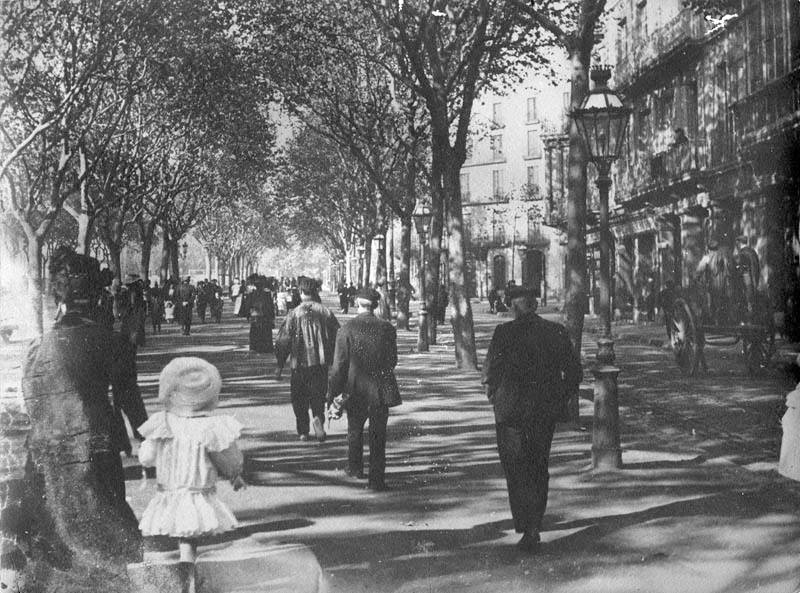
Projecting the image of Barcelona
The long period of construction that Paseo de Gràcia underwent during the 19th century will be when the celebration of its bicentennial will fit in. "It is an exciting project," Sans defends. "It will be a showcase and an opportunity to project the image of Barcelona through its most recognized commercial and cultural axes worldwide," adds the president of the Barcelona Chamber of Commerce and the Fundació Barcelona Promoció, Mònica Roca.
The events to be organized throughout 2022, 2023, and 2024 still need to be defined. Sans anticipates that new activities will be created, as well as some that are already held in the city will be hosted. The president of the Associació del Passeig de Gràcia indicates that they contemplate organizing concerts from the Pedralbes Festival or Primavera Sound and sports competitions. For now, it will start with La Mercè.
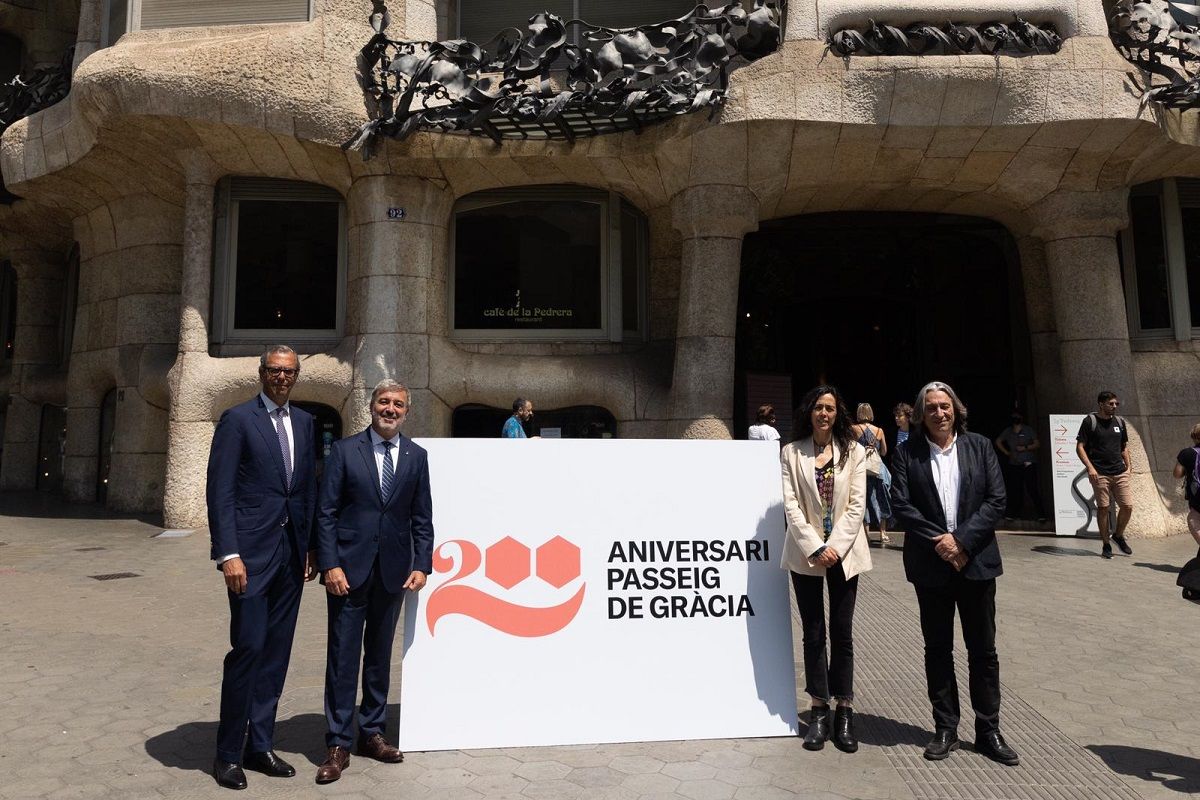
Add The New Barcelona Post as your preferred Google source for free
Stay informed with the latest news.
