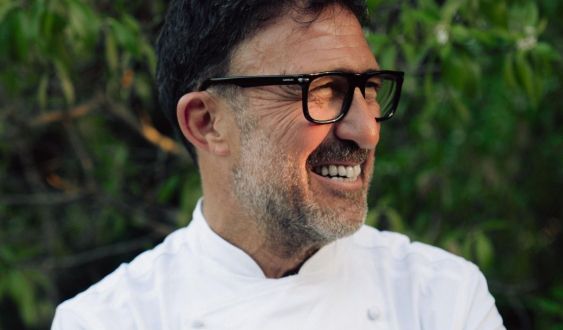
Gastronomy is usually associated with pleasure and celebration, sometimes even luxury. But there are times when it also becomes a tool capable of accompanying and transforming realities. Catalina Fundación is born precisely from that idea: understanding that food is not only a basic necessity, but also a form of dignity, community, and opportunity.
Driven by the Barcelona chef and businessman Òscar Manresa, the foundation works in the field of social food, inclusive gastronomic training, and food waste reduction. The project connects existing resources with people who need them, transforms surpluses into meals, and opens training paths where often there were only barriers.
--- Catalina Fundación is born from a very personal story. At what point did you feel that intimate experience should become a collective project?
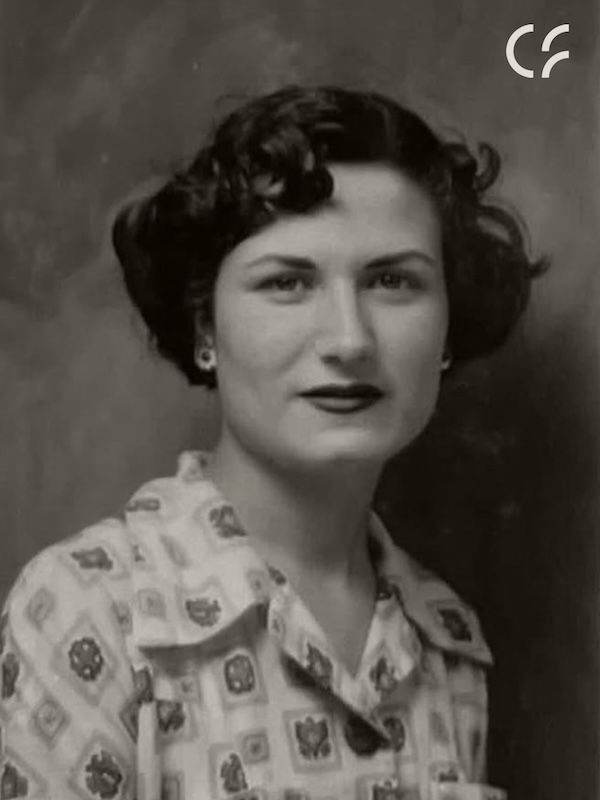
--- I realized during the pandemic, when there were really people who needed a plate on the table to eat, who suffered to be able to have that food. That made me remember my mother's struggle and think that it needed to be made big, to be made collective.
--- What does Catalina represent for you, beyond the name of the foundation?
--- The name Catalina, besides being the name of my mother and the foundation, represents the concept of struggle, of work, of looking forward and getting ahead no matter what. And if that means helping people, then much better.
--- What made you understand that, beyond the will to help, the great challenge was to get food where it was really needed?
--- Better organizing food aid means, above all, better organizing logistics. People want to help, but here there was a key issue: how to get the food where it needed to go. Sometimes people want to help and can't, or don't know how to do it. Finding this system and these ways of doing it, I think, was very worthwhile. And what we are doing is trying to improve that logistics to deliver the meals.
--- The foundation not only distributes food, but also wants to create bonds and accompaniment.
--- Bonds must exist and we have to do many more things. Knowing the reality of what is happening, we can accompany people in what they need and find solutions to help them.
--- What potential do hotels and restaurants have to help socially that perhaps had not been sufficiently exploited until now?
--- Hotels and restaurants have a lot of potential, especially to help in specific cases. There isn't much food waste within restaurants, but they can help us, for example, by organizing a meal one day a month for fifty people from the Fundació Arrels, with a first course, main course, and dessert. They do it gladly and it works very well. Before, perhaps it wasn't done because that communication was missing, that circular table where we all are and try to help each other. Evidently, regulations must be complied with and it must be guaranteed that the food does not break the cold chain, and that is what we are trying to do with other groups.
--- Gastronomy is usually associated with pleasure and celebration, but not everyone has access to these spaces. Why do you think celebrating should also be understood as a form of care and dignity?
--- Celebrating should also be a right. That's why I love this part of the foundation, because we help people celebrate. Being able to take people who suffer out of their environment for a moment, where they cannot celebrate, is an enormous help, especially emotionally.
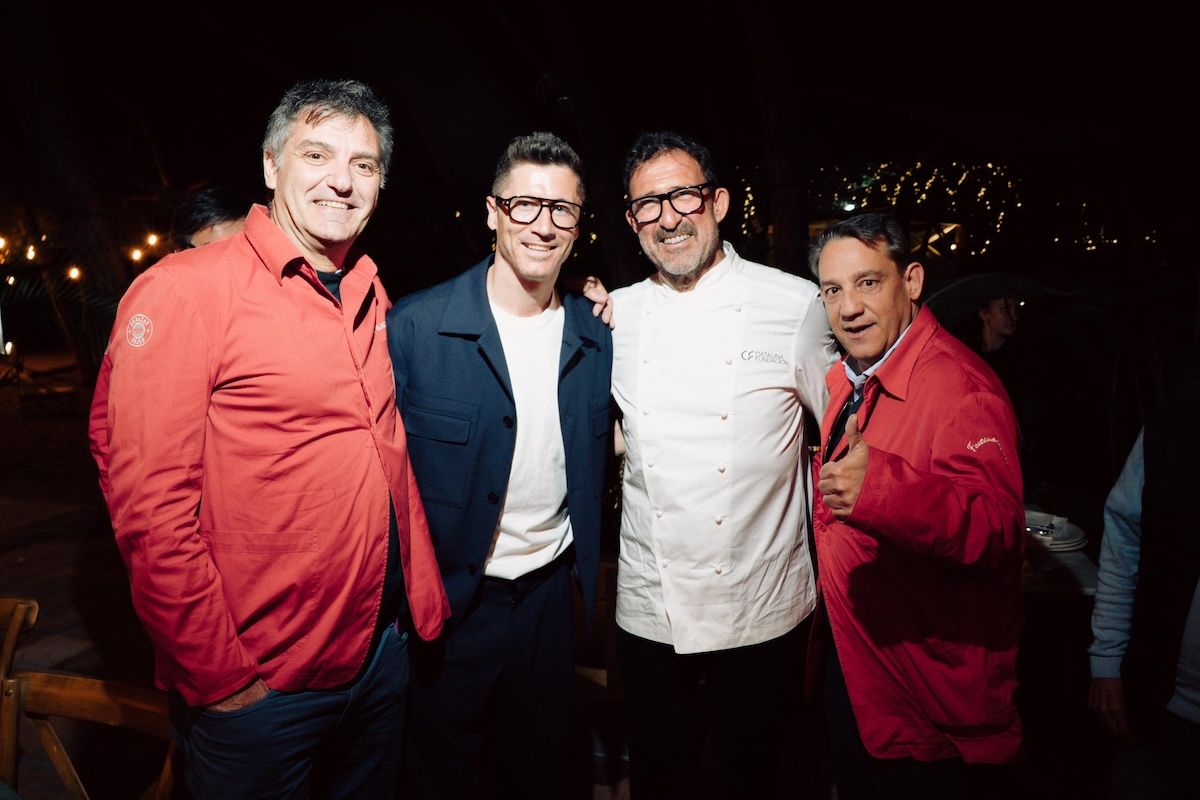
--- What can a kitchen teach, beyond a technique or a trade?
--- The kitchen can teach a lot. It can teach teamwork, it can teach a trade, as you say, but also rigor and the use of many things. Not throwing anything away, but being aware that what you might not like or not feel like can be used and help someone.
--- At a time when many people feel lonely or disconnected, can a shared table still be a space for care?
--- Sharing a table is wonderful. There are many lonely people, many elderly people whom no one pays attention to, whom no one calls. That's why civic centers, communication, and meals with people living on the street are important. It's a brutal help.
--- Would you like Catalina Fundación to inspire other chefs or restaurant groups to promote similar projects?
--- Yes, I would like it to inspire people to collaborate with us or to grow other foundations to help people. Helping people is wonderful and makes you feel very fulfilled. On our website, YouTube, and Instagram, we have videos where Maite Ferre, who is the director, explains point by point very well what we are doing and what we want to continue doing for many years.
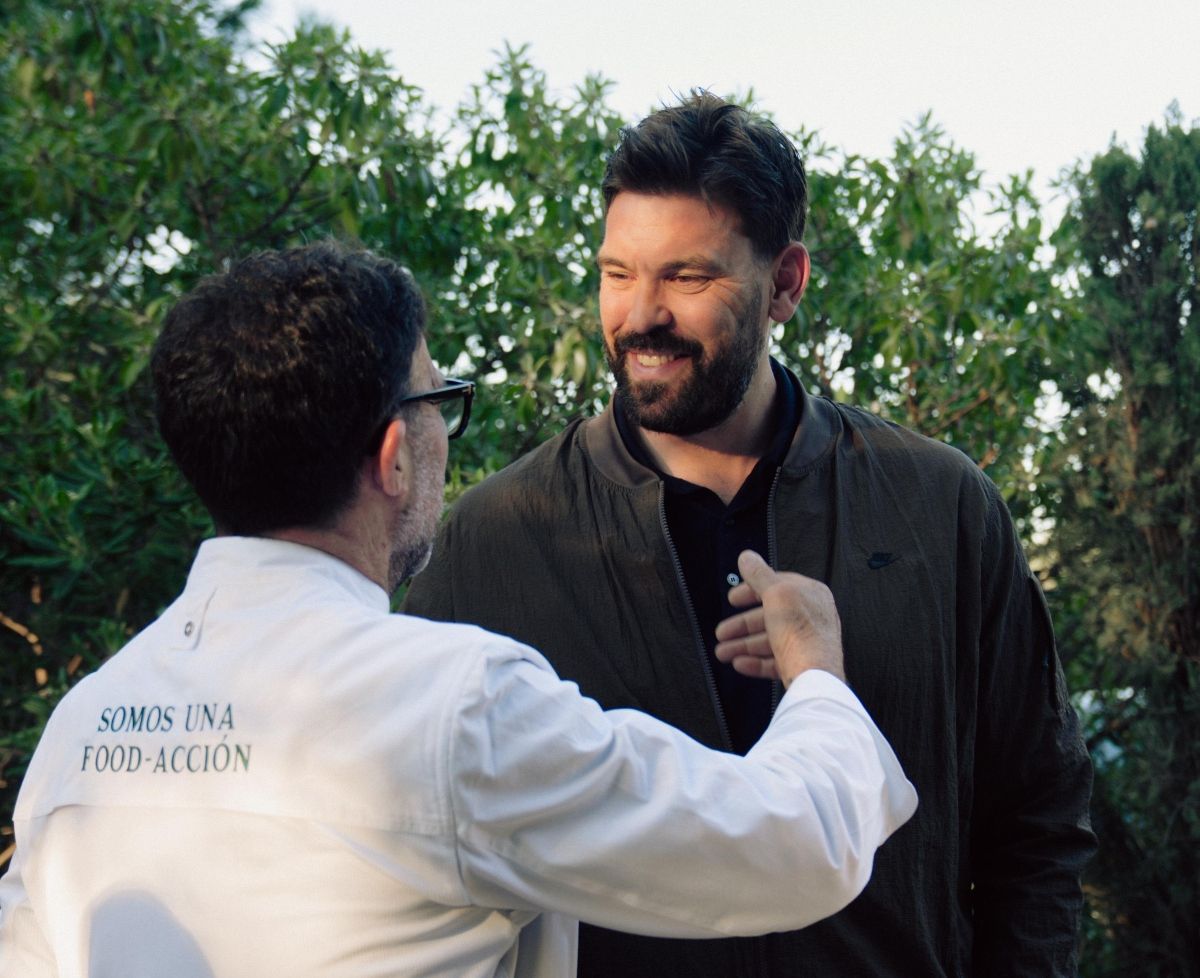
--- What do you think is the real responsibility of a chef today, beyond cooking well?
--- To try to make the most of everything. Food utilization is very important. Not throwing away food. That is the responsibility we have. And if we transmit that to our team and to people, much better.
--- After all you have experienced these years, has your way of understanding gastronomy changed?
--- I think now we are more at a point of sharing. Of sharing a table, putting away phones, talking. It is a meeting point, a space to socialize many things. Gastronomy, understood as going to eat at a restaurant or eating at home, is something else. But I understand it as a space that must exist to socialize, talk with people, enjoy, and sit at the table.
--- If in five years you looked back, what should the foundation have achieved?
--- I would like it to be everywhere. That there were vans traveling all over Catalonia distributing food from one place to another and tables in many restaurants in Barcelona where people who need it could sit down to eat. That everyone was a little happier and that the country was much better.
Add The New Barcelona Post as your preferred Google source for free
Stay informed with the latest news.