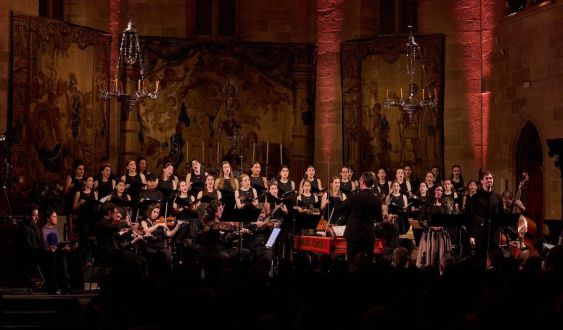
Holy Week offers a respite in the midst of the calendar and the accelerated routine, a space for introspection and pause. In a dizzying present, music often also acts as a refuge, offering a moment to breathe and look inward. At the Peralada Easter Festival, these two experiences intertwine in a unique way. Far from the spectacular nature of the summer event, which this year will celebrate its 40th edition during the months of July and August, the Easter version of the Empordà festival opts for intimacy and contemplation.
This intimate and reflective spirit is reinforced in the fourth edition of the festival which, from April 2 to 5 —from Holy Thursday to Easter Sunday—, seeks to establish a bridge between baroque musical heritage and contemporary creation. "The Peralada Easter Festival generates a climax and a unique communion between audience and artists," assures its artistic director, Oriol Aguilà, celebrating that, after three editions, the event has already become "a European benchmark with its own seal."
"Sacred baroque music, performed in the intimacy of the Gothic Carmen church, creates a deeply introspective atmosphere, very different from the atmosphere of the summer edition." An introspection that, according to Aguilà, makes even more sense in the current context: "In times of uncertainty and international conflicts, spaces for reflection and connection like the one offered by the festival are more necessary than ever." And the public confirms it: "faithful music lovers who seek a space of silence, pause and spirituality, each in their own way, in the era of mobile devices, social networks and artificial intelligence."
The festival was born in 2023 with a clear objective: to de-seasonalize culture —to complement the summer edition in Peralada— and to create an Easter festival that, inspired by major European events, would provide a local perspective. And the musical event could not have a better setting: "During Holy Week, the Costa Brava becomes a region for family gatherings and meetings of friends and, at the same time, invites deep introspection," says the festival's artistic director. "In this context, the Empordà deserved an Easter festival that would dialogue with major European events," he adds. Another motivation was added to all these objectives: the organizers of the event had already sensed a certain public fondness for baroque music, a genre that Aguilà describes as "the cool format of classical music due to its renewal and versatility," and which is precisely the main focus of the Peralada Easter Festival.
From pain to light: an emotional journey
From April 2 to 5, the fourth edition of the festival proposes an emotional journey that traverses some of the great themes of the Easter imaginary: darkness and pain, human fragility, the search for meaning, the praise of God and, finally, light and exaltation. In this itinerary, sacred works from different eras —from baroque to funerary repertoire— coexist with contemporary proposals that expand the limits of musical language and reinforce the visual commitment of the cultural event.
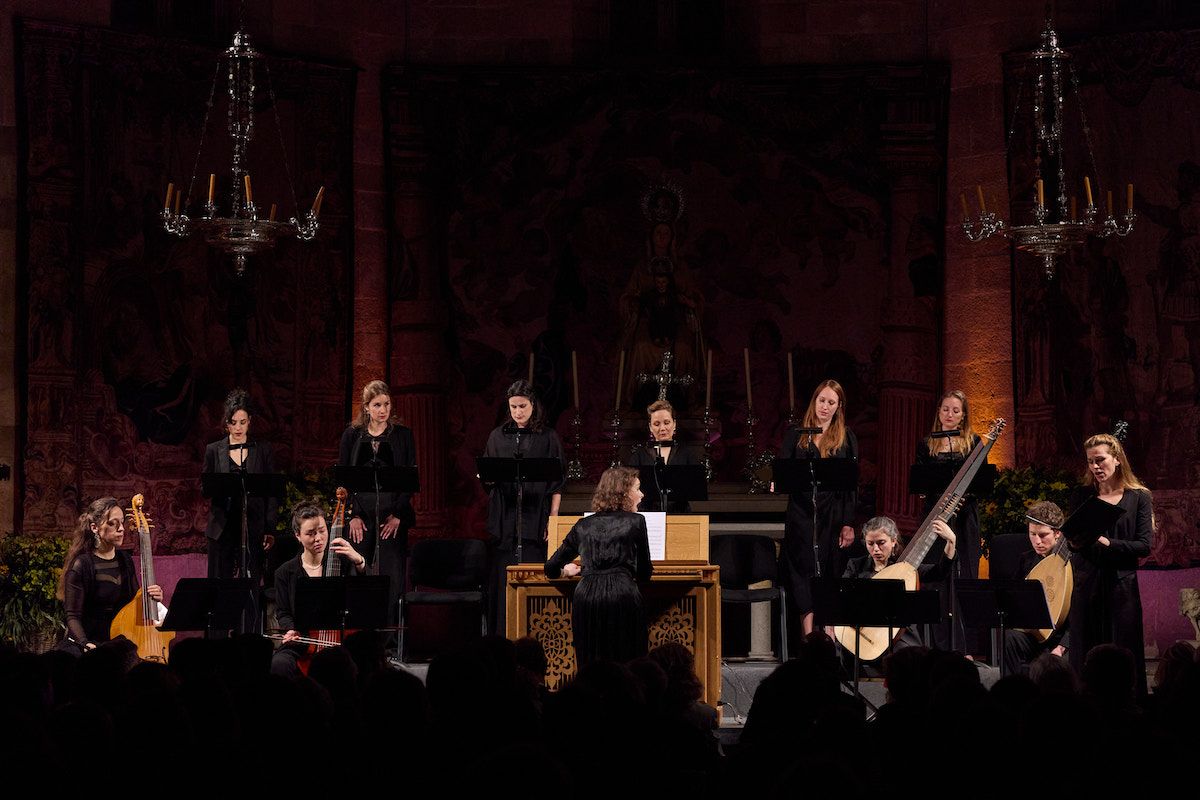
This journey begins on Thursday, April 2 (Maundy Thursday) with one of the festival's great milestones: the modern recovery of Il Cristo condannato by Antonio Caldara, three centuries after its first performance in imperial Vienna, which took place precisely on a Maundy Thursday in 1717. At the Peralada Festival, the first modern performance of the oratorio —of which no complete recording exists— will combine dramatic charge and spiritual depth, reflecting on guilt and redemption.
The recovery of musical heritage is, in fact, one of the festival's main commitments. Aguilà recounts that, among all the ancient works the festival wishes to recover, they chose this oratorio due to Caldara's connection with Catalonia: the opera he composed as a wedding gift from Charles of Austria to his wife, Elisabeth-Christine of Brunswick, marked the first operatic performance in Catalonia and the entry of Italian opera into the Iberian Peninsula, premiered on August 2, 1708, at the Llotja de Mar in Barcelona. The recovery of this oratorio in modern times has required extensive documentary and archival work to produce a new edition of the score, and will also pose an interpretive challenge, led by Vespres d'Arnadí and the Cor Francesc Valls —resident ensembles of the festival—, under the baton of Dani Espasa and Pere Lluís Bosca.
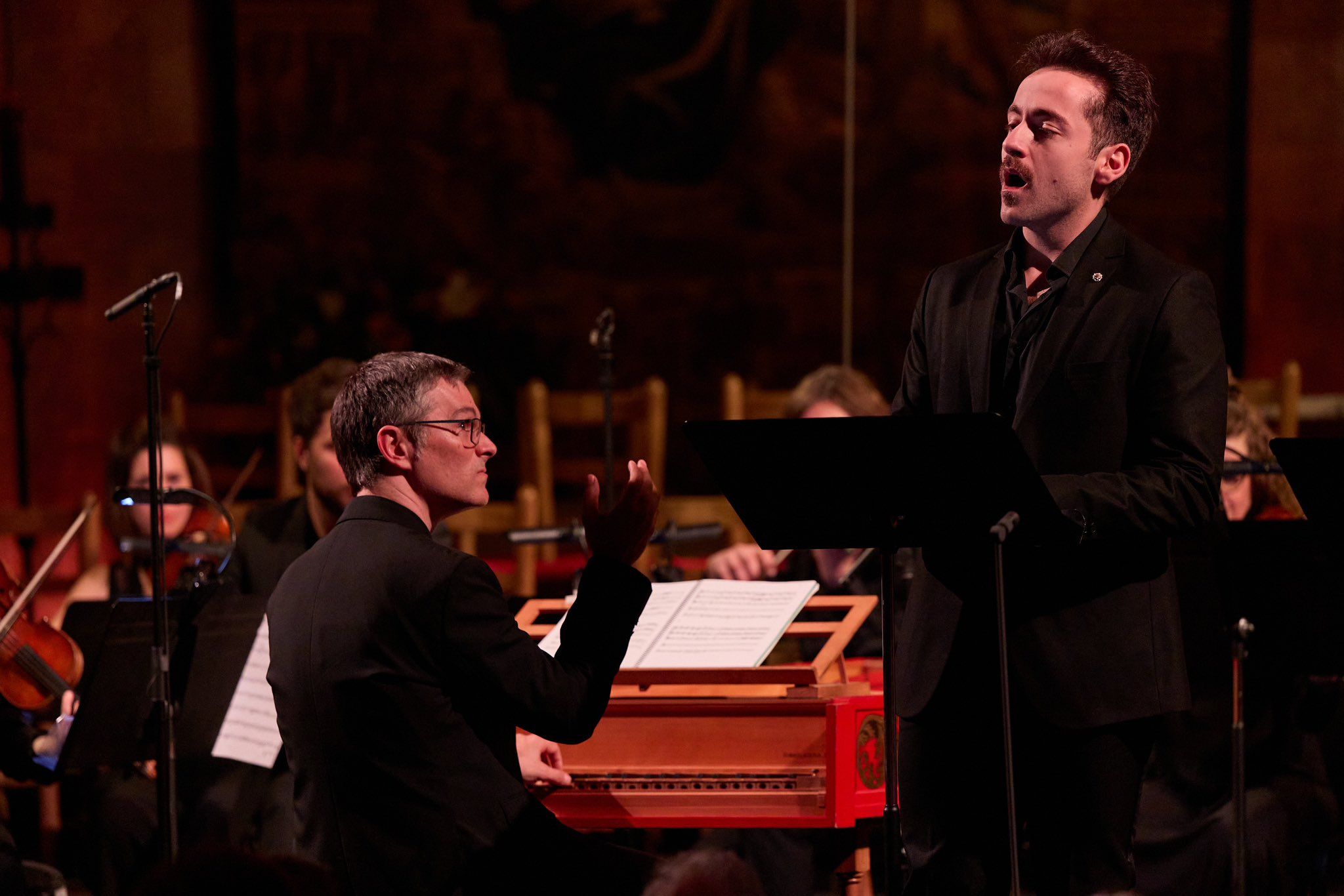
On Good Friday, the spotlight will be on William Christie, a key figure in the recovery of the baroque repertoire, who will conduct François Couperin's Leçons de ténèbres —after having had to cancel his performance at the previous summer edition of the festival—. This is one of the most intimate and expressive works of French baroque, based on the Lamentations of Jeremiah, where music symbolically accompanies the progressive extinction of light. The concert, which will be completed with works by Marc-Antoine Charpentier and Marin Marais, will culminate with the awarding of the Festival's Medal of Honor to Christie, in recognition of his artistic career and the values he has defended.
On Holy Saturday, the festival will explore the dimension of pain and death with a double proposal: Vox Luminis will debut at the Empordà event with an Ein deutsches Barockrequiem, a program comprising works by German composers from the 17th and early 18th centuries; while in the evening, O Vos Omnes will offer Tomás Luis de Victoria's Officium Defunctorum, one of the great examples of Hispanic funeral music.
On the last day, the festival once again opts for a morning concert —a format premiered in the last edition— that will close the event with a gesture of light and serenity. The Franz Schubert Filharmonia debuts at the festival with a program dedicated to Mozart and Schubert, accompanied by the Cor Francesc Valls and under the direction of Guillermo García Calvo and Pere Lluís Biosca. In addition, the participation of four soloists, winners of the Peralada Festival prize at the Tenor Viñas Competition, reinforces Peralada's commitment to emerging talent: "The festival must act as a facilitator, as a window open to the world so that immense Catalan talent, be it choirs, orchestras or performers, can project itself and be recognized," emphasizes Aguilà.
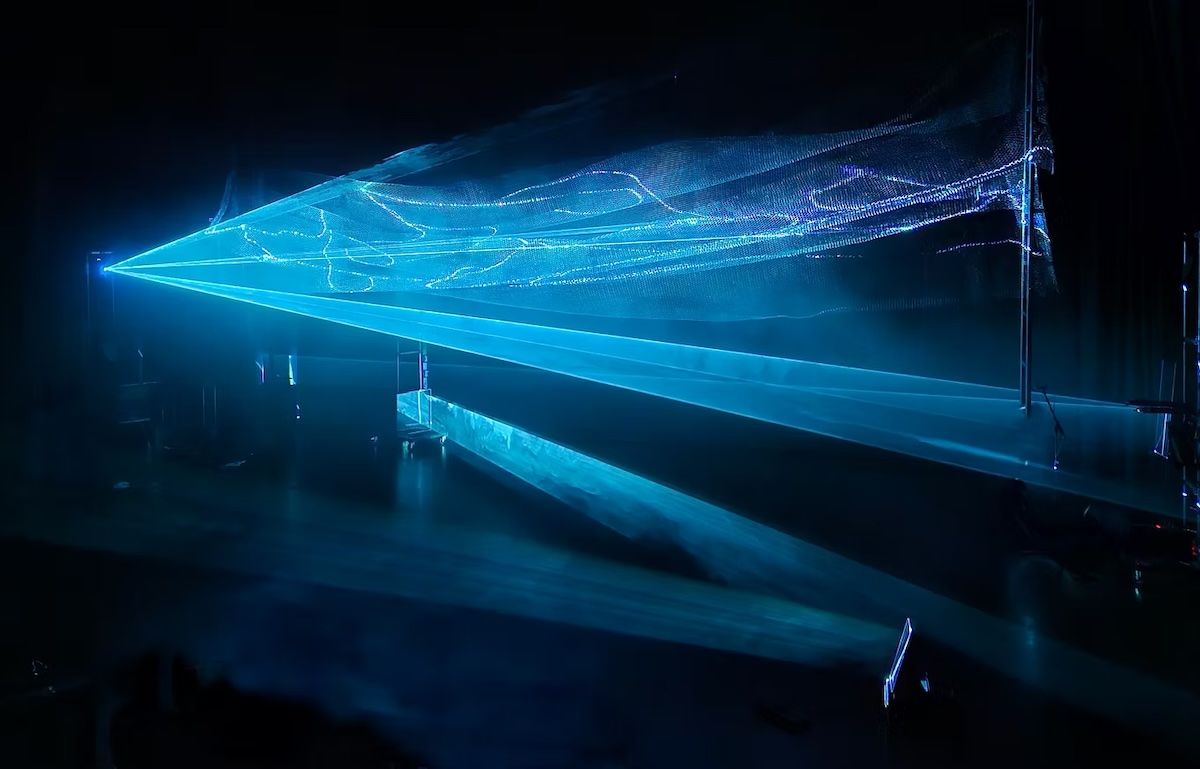
Along with the journey through European musical heritage, the festival maintains a clear commitment to contemporary creation. This year, this commitment materializes in the performative installation La luz del lobo no pesa, by Aurora Bauzà and Pere Jou, in collaboration with Jou Serra and with the participation of the Cor Bruckner Barcelona. Suspended in the Carmen cloister, which debuts as a space in the festival, the work combines light and sound, transforming fragments of De lamentatione Ieremiæ Prophetæ by Alonso Lobo into vocal textures and acoustic landscapes, expanding the limits of the traditional concert. The installation is, in fact, the first phase of a multidisciplinary project that will culminate this summer with LOBO, a theatrical piece that will premiere at the Grec Festival in Barcelona.
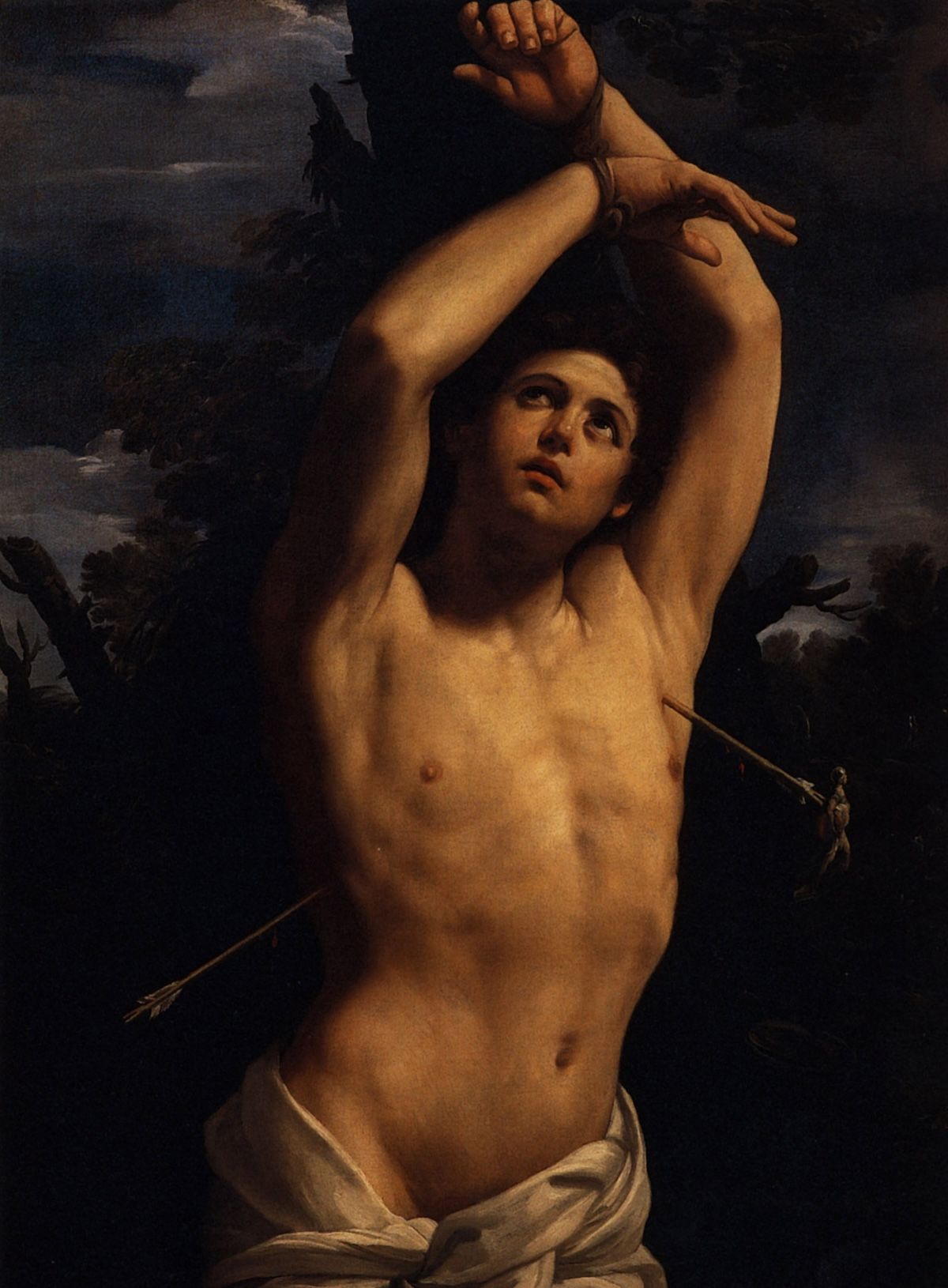
The visual dimension is also reflected in the graphic image of the edition, with the painting Martyrdom of Saint Sebastian, from the circle of Guido Reni —one of the greatest representatives of Baroque classicism of the Bolognese school—, from the collections of Peralada Castle. The work, marked by strong dramatism and characteristic Baroque lighting, visually reinforces the spiritual dimension of the festival.
A window to the world
Despite lasting only four days, the Peralada Easter Festival continues to grow in artistic ambition and international projection. "The Holy Week calendar cannot be stretched, and we lack space for all the proposals and existing talent," admits Aguilà, demonstrating the growing interest aroused by a project with barely four editions.
Looking ahead, the challenge for the musical event is to consolidate the model and strengthen its international dimension, facilitating that its own productions can circulate beyond the festival, as has already happened in Finland, with The Fairy Queen at the Savonlinna Opera Festival, and in Rome, where it traveled with the Escolania de Montserrat. With this international ambition, the festival wants to reaffirm itself as a space where contemplation and spirituality meet local talent, and where Catalan creation is projected to the world
Add The New Barcelona Post as your preferred Google source for free
Stay informed with the latest news.
