Barcelona is experiencing a good moment for the entertainment world. Barcelona's theaters are accumulating record after record, with a 2024 that has for the first time surpassed the three million annual spectators mark, and local and international artists fill popular concert halls in Barcelona and beyond.
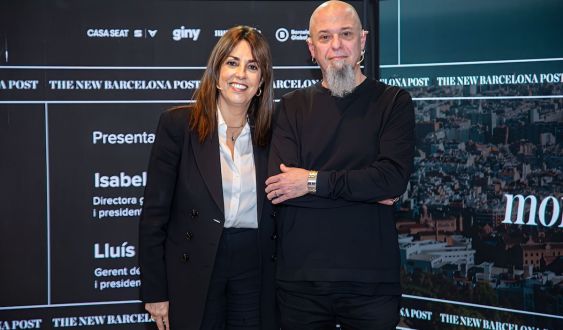
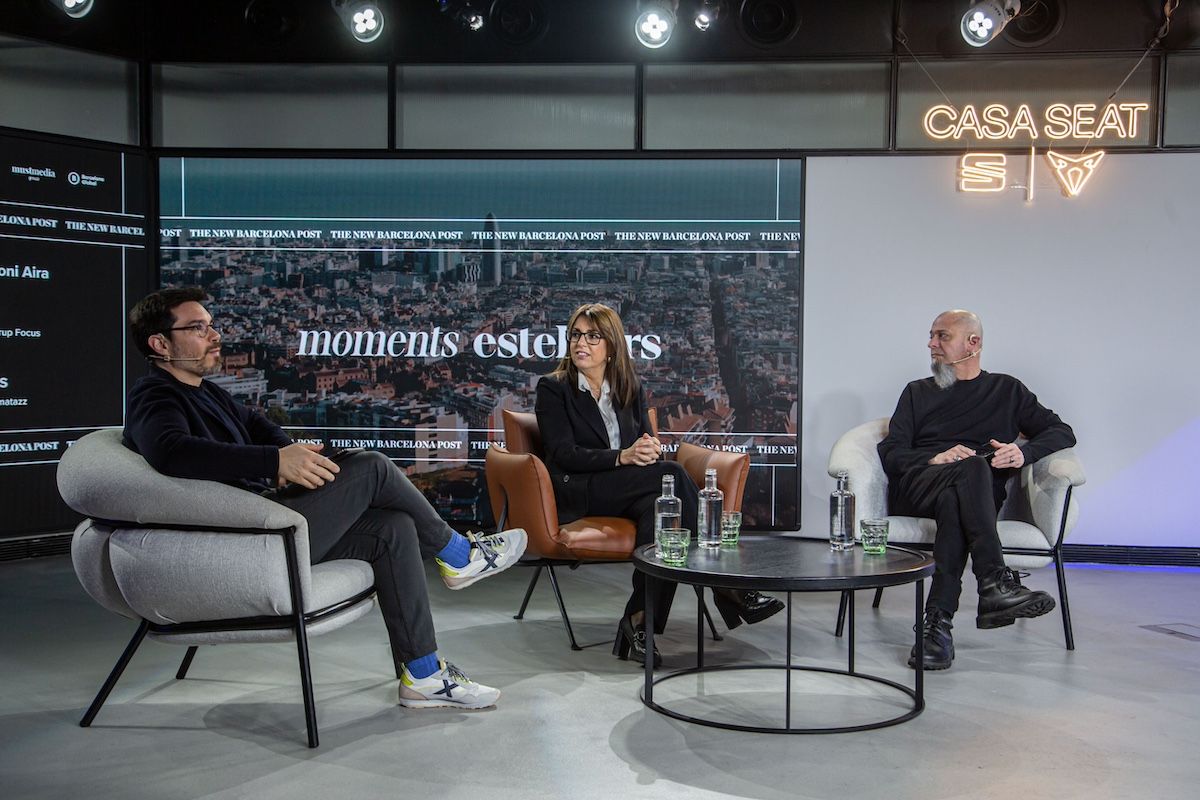
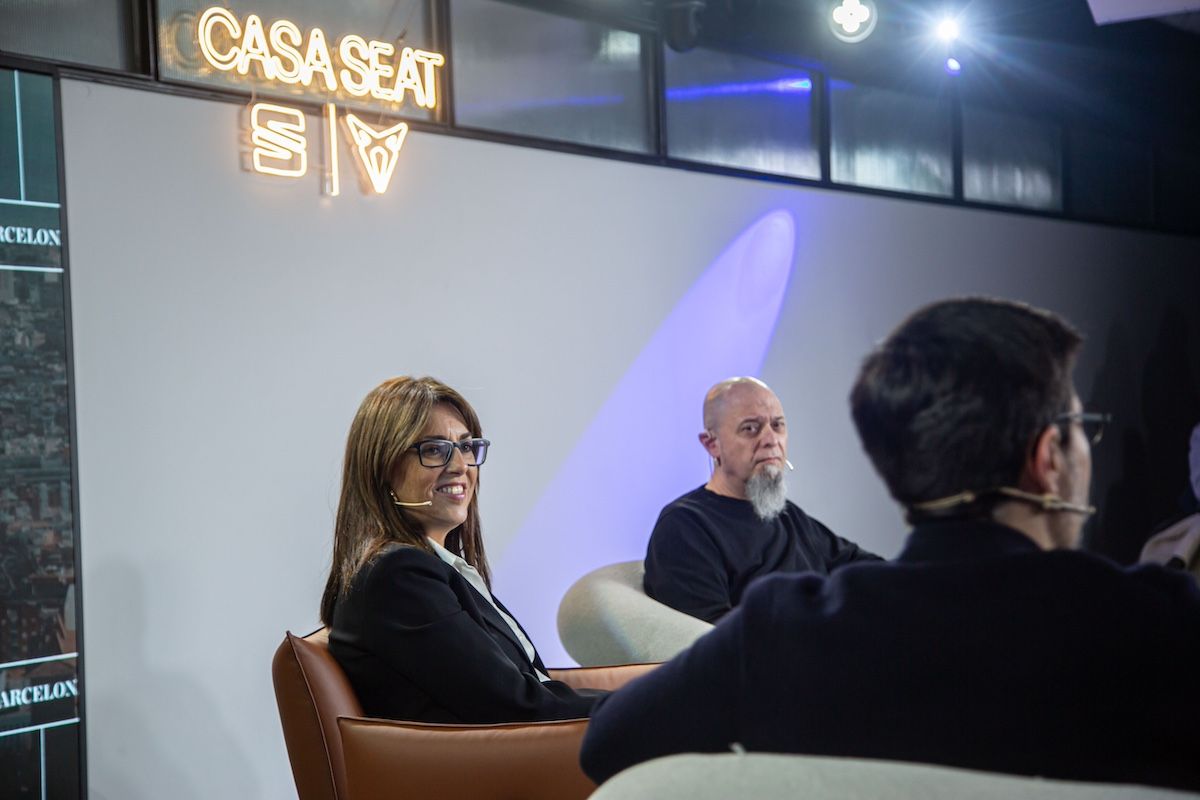
This was confirmed by the general director of the Focus group and president of the Association of Theater Companies of Catalonia (Adetca), Isabel Vidal, and the manager of Sala Razzmatazz and president of the Association of Concert Halls of Catalonia (Asacc), Lluís Torrents, in a new session of the Moments Estel·lars series, organized by The New Barcelona Post with the collaboration of Casa Seat, Barcelona Global, Must Media Group and Giny Barcelona, and moderated by journalist and UPF-BSM professor Toni Aira.
"Barcelona is in a brilliant moment in terms of musical production," defended Torrents, who stressed that "the music sector is very active in the city." And this dynamism, marked by variety, materializes in Razzmatazz: "We host everything from emerging and novel acts to established international bands, including new urban rhythms."
And in Catalonia, music is not only exhibited, but also created. "There is a new generation of artists who are working very well and are spearheading the sector," highlighted Torrents, who cited Catalan stars such as Rosalía, Bad Gyal, Muskaa, and The Tyets. As the president of Asacc also pointed out, this new wave of artists has emerged after a previous generation that already championed a different musical current but with equally international repercussions, such as La Pegatina, Buhos, and Txarango.
Production with a Catalan seal is also one of the pillars of its theater sector. In fact, Vidal proudly highlighted that more than half of what premieres in Catalonia is by living Catalan authors. To cross borders, like Catalan artists who are heard all over the world, in the field of Catalan theater there is an added obstacle, according to her: the language. "Here, technology can help," with advances such as automatic translators: "Perhaps this way we can attract more international tourists visiting Catalonia to the theaters."
"One of the debts we have pending with Catalan authorship is being able to export it more," Vidal emphasized. And it is that, just as pieces by Catalan authors are performed in Madrid, translating the text if necessary, "there is pending work to better export this creative talent," according to the general director of Focus. The group, which has 40 years of experience, has 18 companies linked to the theatrical field, as well as four theaters in Barcelona and another precisely in Madrid.
Operating in both cities allows it to compare the sector in both markets: "They are two different models, which I believe can complement each other." While Catalonia is committed to creation and self-development, Madrid hosts large productions that are often international franchises, many of them musicals. So much so that in 2024, 17 major musicals passed through Madrid, while in Barcelona, five of comparable dimensions could be seen.
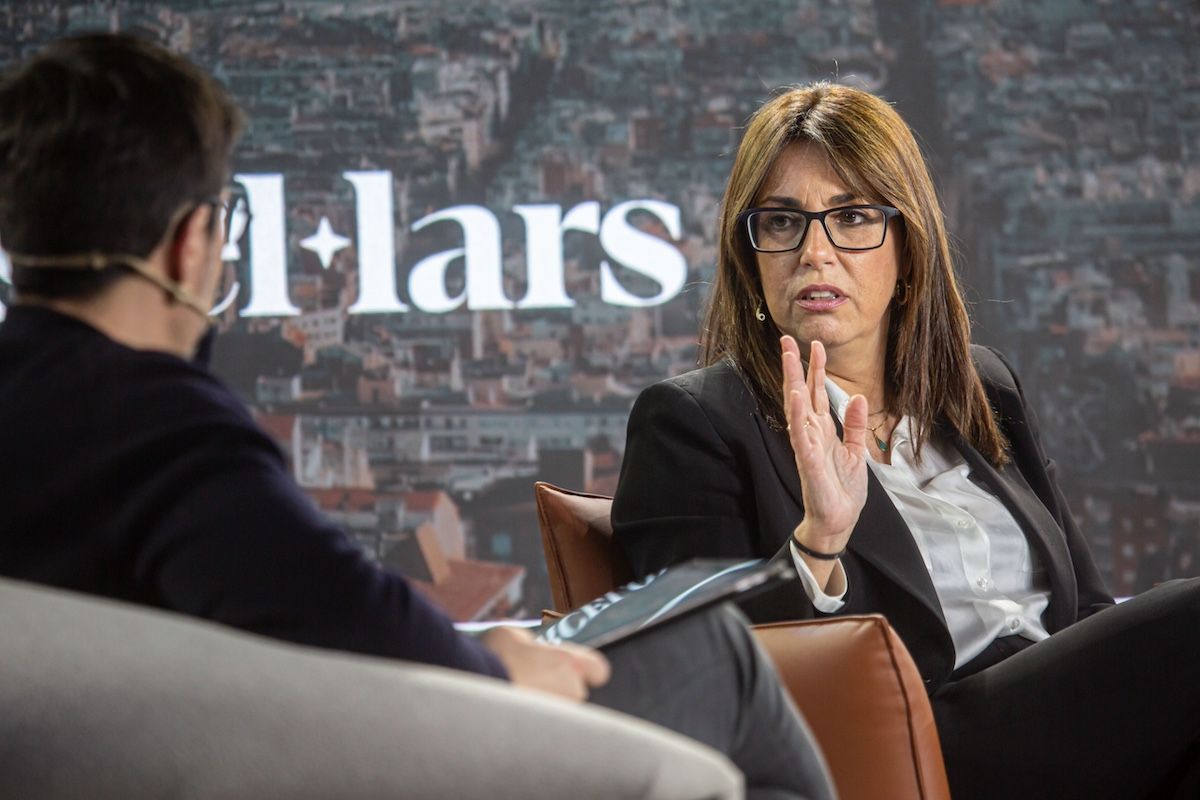
"There are a series of structures and infrastructures that allow for more musicals in Madrid; not everything can come to Barcelona. We lack the capacity and infrastructure to host musicals of these dimensions," said the president of Adetca, an entity that has been representing the sector for 30 years. Thus, she believes that Catalonia needs a large-scale venue to host this type of show, and also medium-sized venues, as there are local venues with up to 100 seats that do not have the possibility of expanding to reach about 400 seats to make a leap and grow. "Ideally, the ecosystem should keep growing," something Focus wants to continue contributing to. With this objective, Vidal recalled that the group is working to convert its Poblenou facilities into a new 500-person theater. The new venue will occupy what is now a logistics area of the group, which is moving to La Verneda, and is expected to be operational in two years.
Focus's new theater will open a couple of blocks from Razzmatazz. It is the same place where the group celebrated its first anniversary, when it was still Sala Zeleste, where Torrents already worked. The now co-director of Razz has agreed with Vidal on the need to add more venues in Catalonia, also in the field of concerts and live music. "There is a lack of venues of all kinds": large and small, but especially medium-sized, for between 200 and 600 people. And it is that in the last 20 years, 200 of them have been lost in the metropolitan area, according to him.
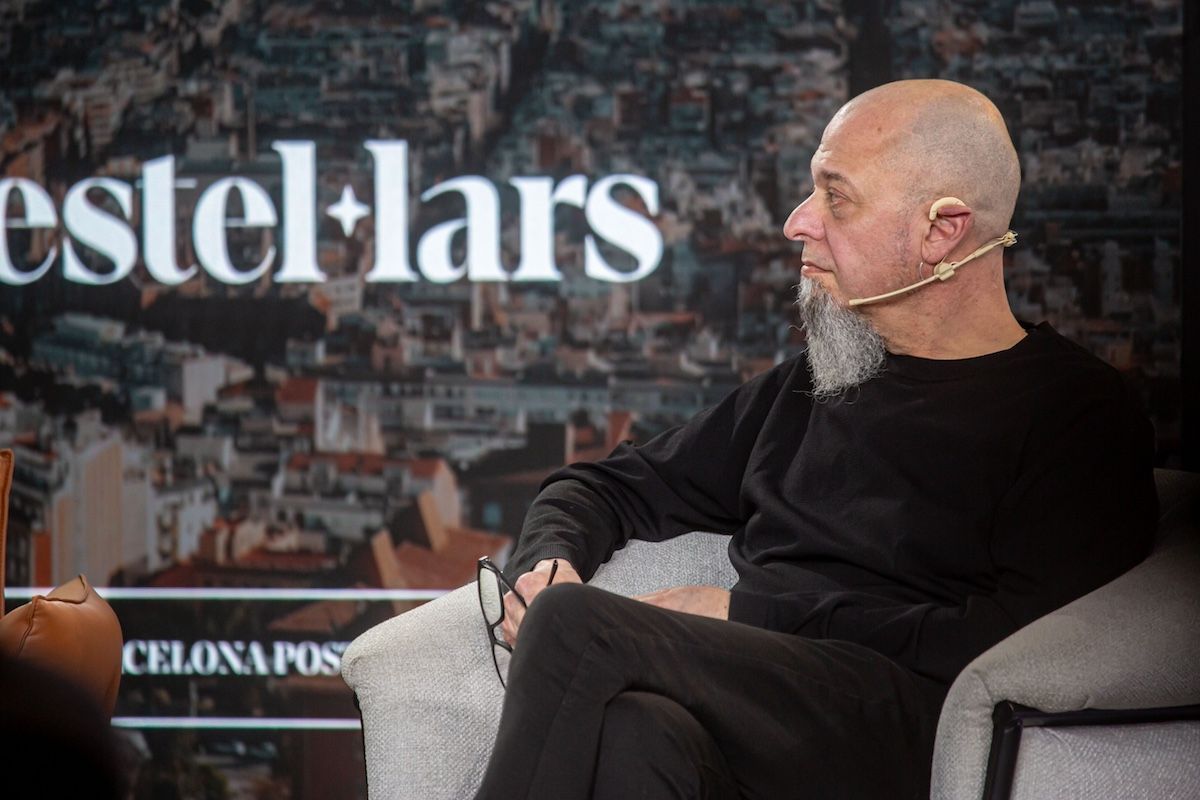
"If venues like Razzamatazz and Apolo did not exist, many artists would not pass through Barcelona. It is a matter of having facilities that meet the appropriate technical and capacity conditions to host these tours," said Torrents, who criticized that concert venues can only aspire to subsidies of up to 3% in Catalonia.
Venues are scarce at a time when artists are touring more than ever, mainly because their income depends more on their concerts than before, when it came mainly from the sale of records that are no longer bought. After the pandemic slump, countless tours started simultaneously, which highlighted the need for more venues and more technicians and professionals, and at the same time, shot up the price of live music: "There has been a brutal inflation in prices," accompanied by dynamic ticket pricing methods, which depend on algorithms that make it more expensive depending on demand.
Theater, according to Vidal, escapes this trend: "With the artists on stage, with the teams that run the show, the technicians and the companies behind it, I don't consider it expensive," he highlighted, taking a price of about 30 euros as a reference: "It's the price of a book, and less than a pair of shoes." In this context, he celebrates that "giving theater tickets is in fashion," a trend boosted by initiatives such as Cap Butacad Buida, which in March will call on Catalans for the second time to fill thousands of theater seats.
Despite the initiative being aimed at all of Catalonia, the theater sector is different in Barcelona and in the rest of the territory. This is demonstrated by the fact that the sector is mainly private in the Catalan capital and eminently public in the rest of Catalonia: "In Barcelona we are breaking occupancy records, and in the rest of Catalonia we have to work on a plan with the Generalitat to facilitate scenic tours, because the City Councils lack resources".
The same happens with music, and that is that "the world of concert halls goes at two speeds: everyone wants to play in Barcelona, but outside Barcelona, it's cold". The situation stems from a double problem: the power of festivals and changes in the dynamics of new groups. Now, beginner bands no longer take a van and play in as many venues as possible, but rather promote themselves on social media and attend festivals. "Our job is to make sure they don't stop touring the venues because, if not, the basic ecosystem necessary for bands to grow will be broken" and, at the same time, learn to move on stage. It is a challenge that the sector coordinated by Asacc, led by Torrents, will address, just as theater faces its own from Adetca, two sides of the entertainment field that complement each other and form a broad and varied cultural proposal for Barcelona and beyond.
Add The New Barcelona Post as your preferred Google source for free
Stay informed with the latest news.