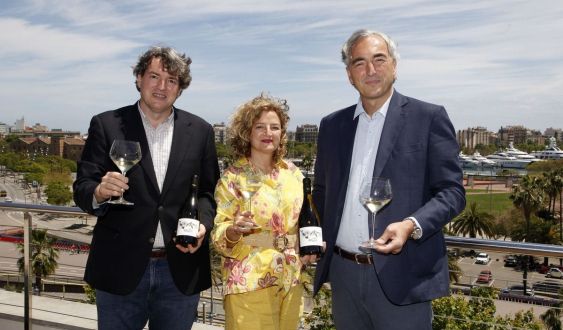
The reopening of restaurants for the night shift fills the wine sector with optimism, as orders are starting to pick up, although they are still far below what was usual before the pandemic. Wineries are confident that by October, when vaccination will be widespread, they will have returned to normality and expect to close the year above 2020, although they remain cautious.
The Catalan market is strategic not only for Catalan wine producers, but also for producers from areas such as La Rioja, a designation of origin that has always been very well positioned in Catalonia and that, in fact, continues to be the DO with the largest market share, selling 21% of all wine bottles consumed, ahead of DO Catalunya, which has a 15.6% share, according to a study by Incavi.
Bodegas Muga, based in the emblematic Barrio de la Estación in Haro (La Rioja), is one of those wineries that closely follows the evolution of the Catalan market and, recurrently, chooses Barcelona to present its oenological novelties. "Catalonia is a very powerful market for us; although it is a large producing area, we still have a lot of growth potential," highlights Manu Muga, one of the brothers who own the winery, who also acknowledges the work carried out by their distributor, Calidoscopi, owned by the Vila Viniteca group.
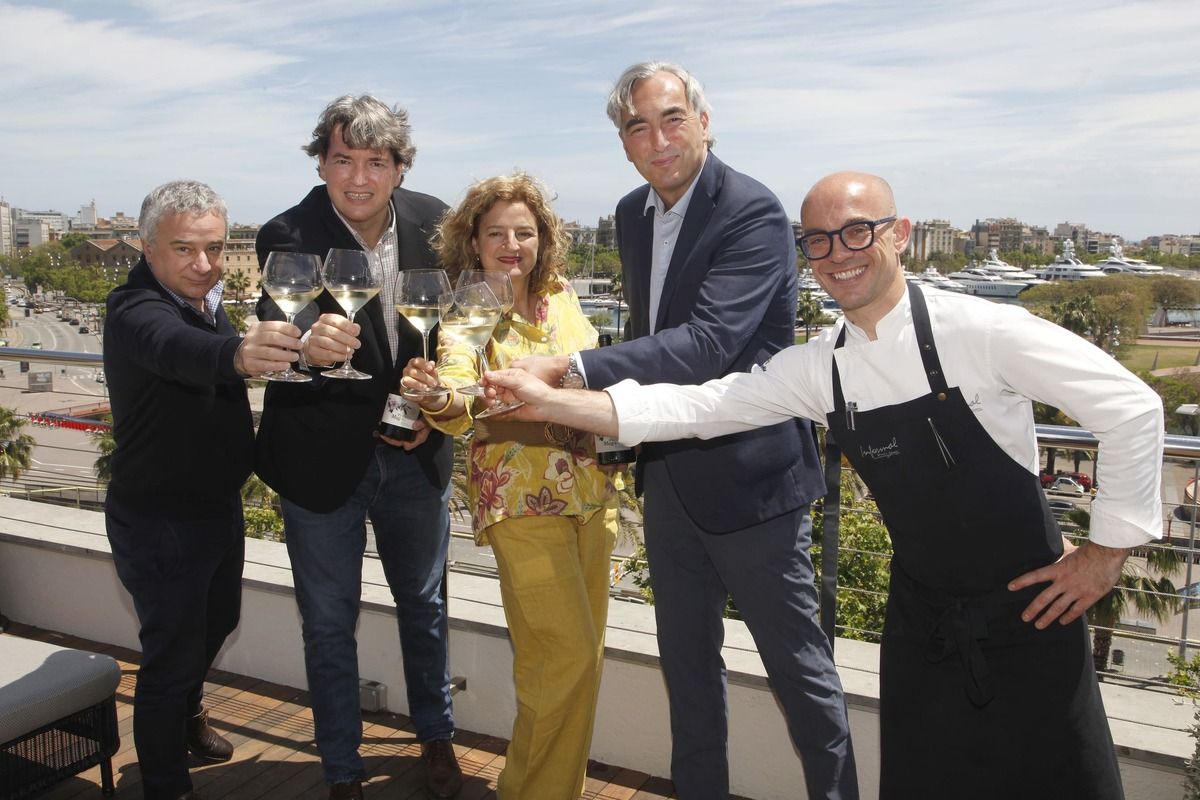
Just when the health situation allowed it, Manu, Ana and Eduardo Muga visited the city to present their latest creation: a high-end white wine that they want to equate in quality to the great red wines of this historic winery and that should also serve to demonstrate that this iconic Spanish designation of origin ---which produces 80% red wine--- can also excel in its white wines.
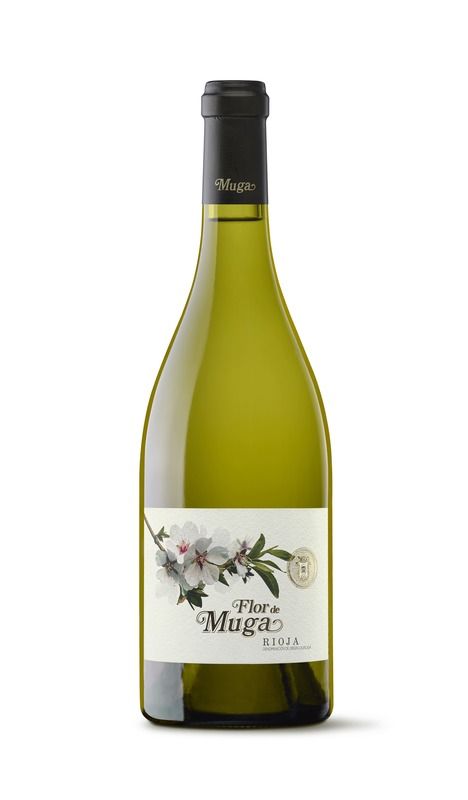
With the new Flor de Muga Blanco, the winery wants to take advantage of the strong growth that white wines are experiencing in general worldwide and, incidentally, contribute to recovering and making known an indigenous white grape variety called Maturana, of which there are very few hectares planted. Already in the 70s, Muga produced a white wine, but they stopped doing so due to the strong growth of Rioja red wines. The winery, however, returned to betting on this segment in 1991 with the creation of Muga Blanco, a barrel-fermented wine from the Viura, Garnacha blanca, and Malvasía varieties.
Now, with Flor de Muga, they expand the range with a product of a much more gastronomic profile, the result of the 2018 harvest, with which they want to position themselves among the best whites of the designation of origin. Made with a coupage of Viura (40%), Garnacha blanca (30%), and the aforementioned Maturana (30%), it enters the market with a very limited production of 12,000 bottles, which are sold at an approximate price of 32 euros. This wine, which already had a rosé version brother (Flor de Muga Rosé, 100% Garnacha), is made with the so-called "mosto flor" (flower must), that is, with the first must obtained after a very light first pressing. The must is fermented for six months in French oak barrels and then spends three more months inside cement eggs with its lees, an element that makes the wine gain body, unctuosity, and persistence on the palate. Flor de Muga Blanco has already obtained a score of 94 points in the Parker guide.
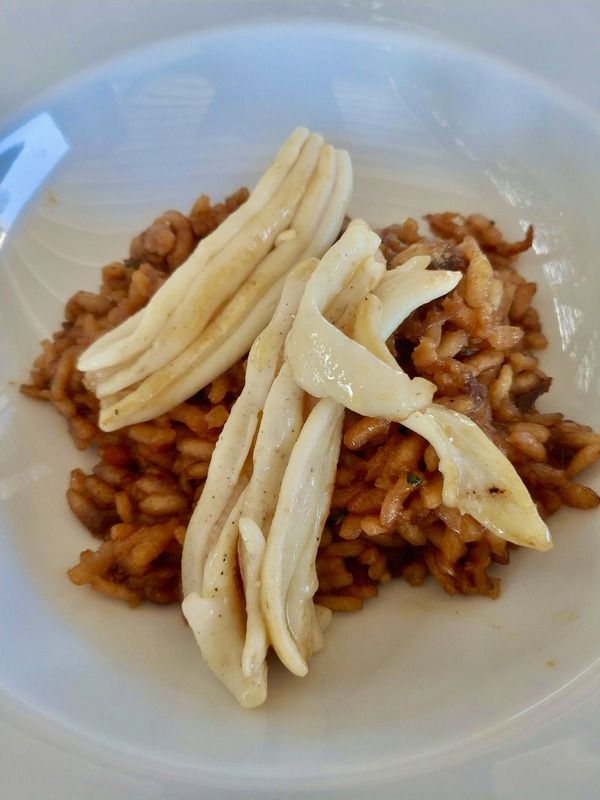
Muga has presented this wine, which is now entering the market, paired with a rice with espardenyes (sea cucumbers) by chef Marc Gascons, awarded a Michelin star for the Els Tinars restaurant in Llagostera (Girona), and who runs the Informal restaurant at Hotel The Serras in Barcelona. To demonstrate that Flor de Muga Blanco can also accompany a meat dish or a stew, Gascons has also paired it with a deboned and glazed kid goat shoulder. Quim Vila, co-owner of Vila Viniteca, accompanied the Muga brothers, members of the third generation of the winery, made up of four siblings and three cousins.
Muga owns 330 hectares in the DOC Rioja that supply 65% of the grapes it needs; the rest comes from winegrowers with whom it maintains a long-term relationship. 50% of the production is exported, mainly to countries in Europe, North America, and Asia. The good performance of sales in the foreign market has allowed the company to partially compensate for the sharp drop in the hospitality sector in the last year.
Add The New Barcelona Post as your preferred Google source for free
Stay informed with the latest news.
