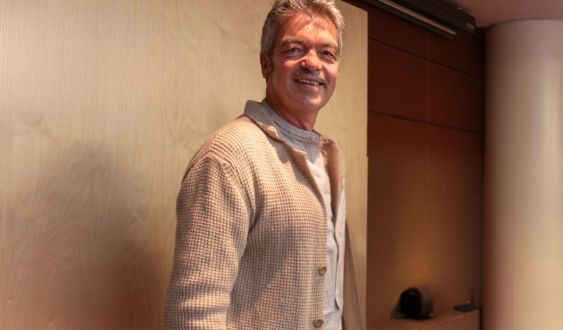
Marc Aureli Santos does not understand architecture as an isolated exercise or as a matter of style. He conceives it as a public service, as culture, and as a tool to improve people's lives. An architect by training, promoter of projects such as Actar, and current president of ARQUIN-FAD within FAD, he defends a clear idea: space design does not belong to a single discipline and its impact transcends the professional sector. In this conversation, he reflects on the role of the FAD Awards, the social value of architecture, and the need for citizens to learn to demand spaces that elevate their quality of life.
— Marc Aureli Santos in a few words.
— I am an architect by training and I have practiced the profession in a somewhat eccentric way. For many years I have combined architecture as a public service in local administration, first at the Institute of Culture and then at the Heritage Directorate of the Barcelona City Council, with a more prospective process in an interesting firm that was formed in the early 1990s. We created the Actar publishing house and a series of architecture festivals, such as Metàpolis. From them, an interesting architectural instrument derived, which is the Institute for Advanced Architecture of Catalonia (IAAC). And, since 2023, I have been president of ARQUIN-FAD, the Interdisciplinary Association of Space Design of FAD. The idea is to explain that space design is not only the competence of architects, but of architects, quantity surveyors, landscape architects, interior designers. Personally, I would even like to incorporate people linked to engineering.
FAD is the Federation of Design Associations which, in addition to ours, includes ADG-FAD (graphic design and visual communication), ADI-FAD (industrial and product design), A-FAD (art and crafts) and MODA-FAD (which is currently being reconfigured). The interesting thing about FAD is that we believe that design is a transcendental part of our society and that, therefore, it is good that we all work together: and here we are. We are headquartered at the Disseny Hub Barcelona.
— How would you explain the FAD awards to someone who has never heard of them?
— It is one of the longest-running awards in Europe. They were created in 1958, as a continuation of awards given by the Barcelona City Council for the best architecture. Oriol Bohigas created them to recognize quality architecture and interior design. It started in the Catalan context, continued in the Spanish and Portuguese in 1996.
The FAD architecture awards distinguish works in four categories: one dedicated to architecture, another to interior design, one more dedicated to ephemeral architecture, and the last dedicated to city and landscape. In addition, there is the international award, which recognizes work done by professionals from here anywhere in the world; one more for thought and criticism, which is to distinguish projects of thought and dissemination of architecture and interior design; and the Habitácola, an award for design and architecture students, which recognizes quality and culminates with a small commission to the winning team.
— What differentiates the FAD awards from any other architecture award in the world?
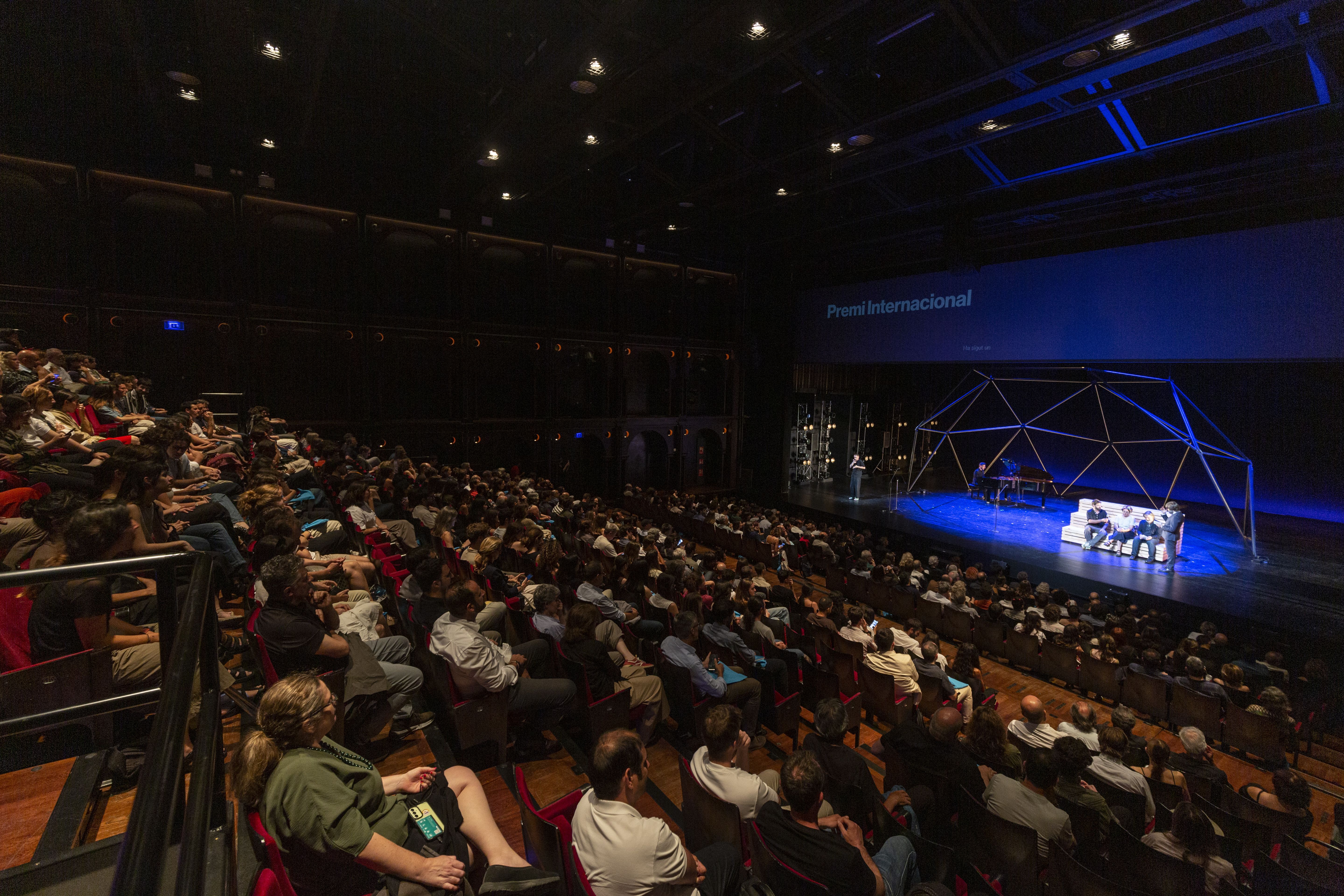
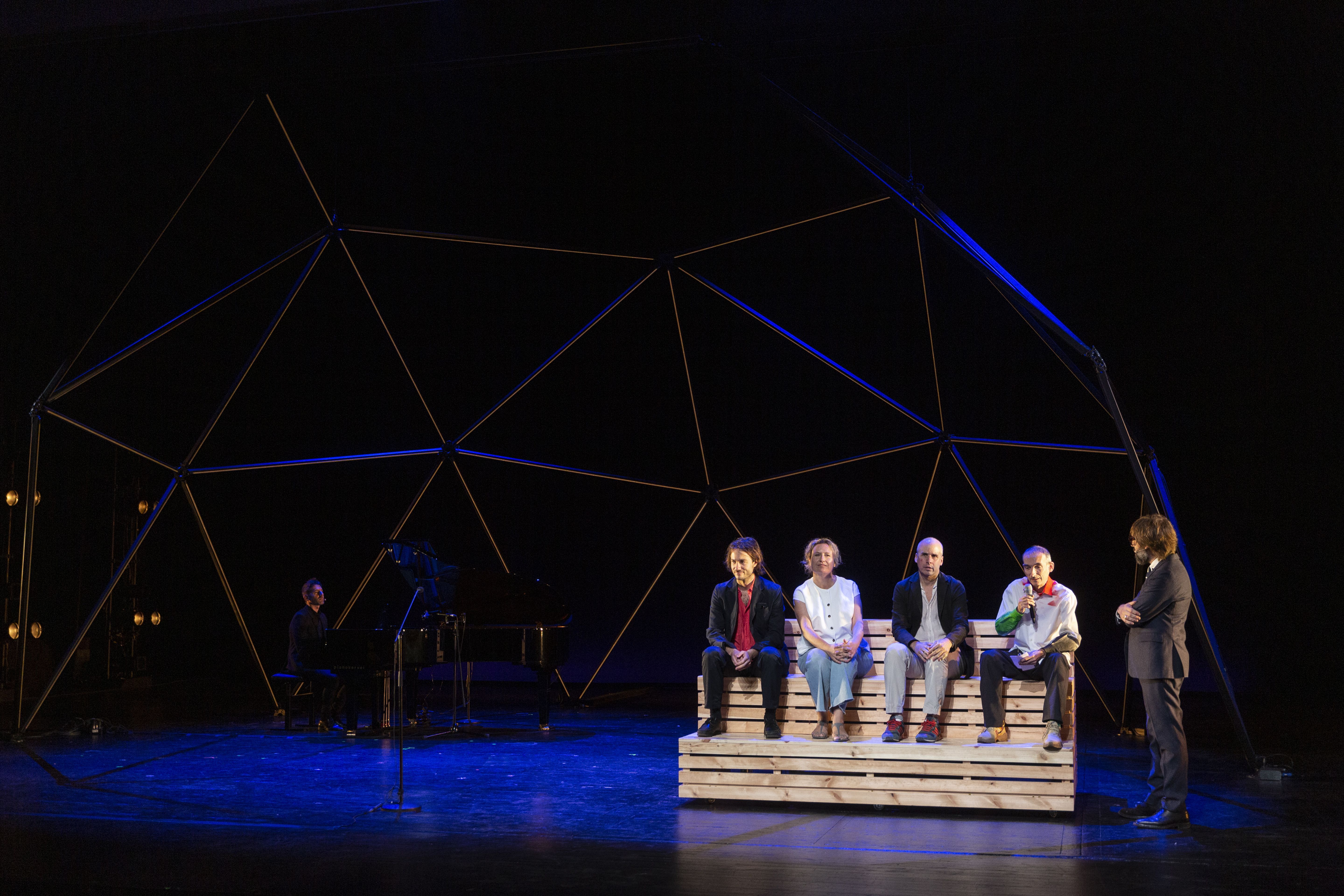
— I would say that, first, the jury is independent of the association, with local, state, and Portuguese representation, men and women architects, quantity surveyors, interior designers, and landscape architects. This year, the president is Margarita Jover, professor of architecture at Tulane University School of Architecture (New Orleans). The jury first meets for three days in Barcelona to select a series of possible finalists. A few weeks later, and this is another differentiating point of this award, the jury personally visits each of these chosen ones. During these visits, the architecture team and the developers are invited because we are interested in creating a debate among the three, between the jury, the professional creator, and the client, because architecture is defined from here, by a joint work of architects and developers.
It was very clear, for years, that photographs did not explain architecture well and that the jury had to visit all the finalists to be able to decide, among the complexity of the architectural process, which was the best piece and not the best photograph. This process represents a tremendous economic effort, but it is the way to maintain quality.
— What can make a project win? Formal innovation, social impact, constructive quality?
— It depends on the jury but I think it's a mix of everything. For example, I've seen that in recent years, the social value or the ethical responsibility of the performance is important.
On one occasion when I was part of the jury, a square in Mansilla Mayor, near León, was presented. Apart from being a good project, there was a tremendous involvement from the mayor, several participatory processes to define the project, super involved young architects, and therefore, a set of actions among all participants that made the square delightful and much enjoyed by the town.
Santos: "Architecture is not anodyne, it involves the city and its citizens"Or it happened, for example, in the case of the Reggio School in El Encinar de los Reyes, near Madrid. For the jury, the educational process that led to the architectural decision was fundamental. The students and the director participated in the creation of the future spaces and the jury recognized it. The same year, the García Márquez library in Barcelona won the award and, again for the jury, the will of the architecture team to constitute a monument in a neighborhood with little monumentality, to create a large civic and citizen space from a library, was paramount.
I think that before we talked about formal factors, about what is beautiful and what is ugly. But architecture is not anodyne, it involves the city and its citizens. This is, now, latent and the juries notice it. It's not that we choose especially sensitive juries, but simply that it has to do with our social model.
— Why should someone who is not an architect care about these awards?
— Because architecture influences all of us, it's where our life happens. When we move, we pass through architecture. When traveling, we see architecture. However, we are unaware of the values of architecture. And that is very important, because having good architecture improves your quality of life. Bad architecture worsens your quality of life.
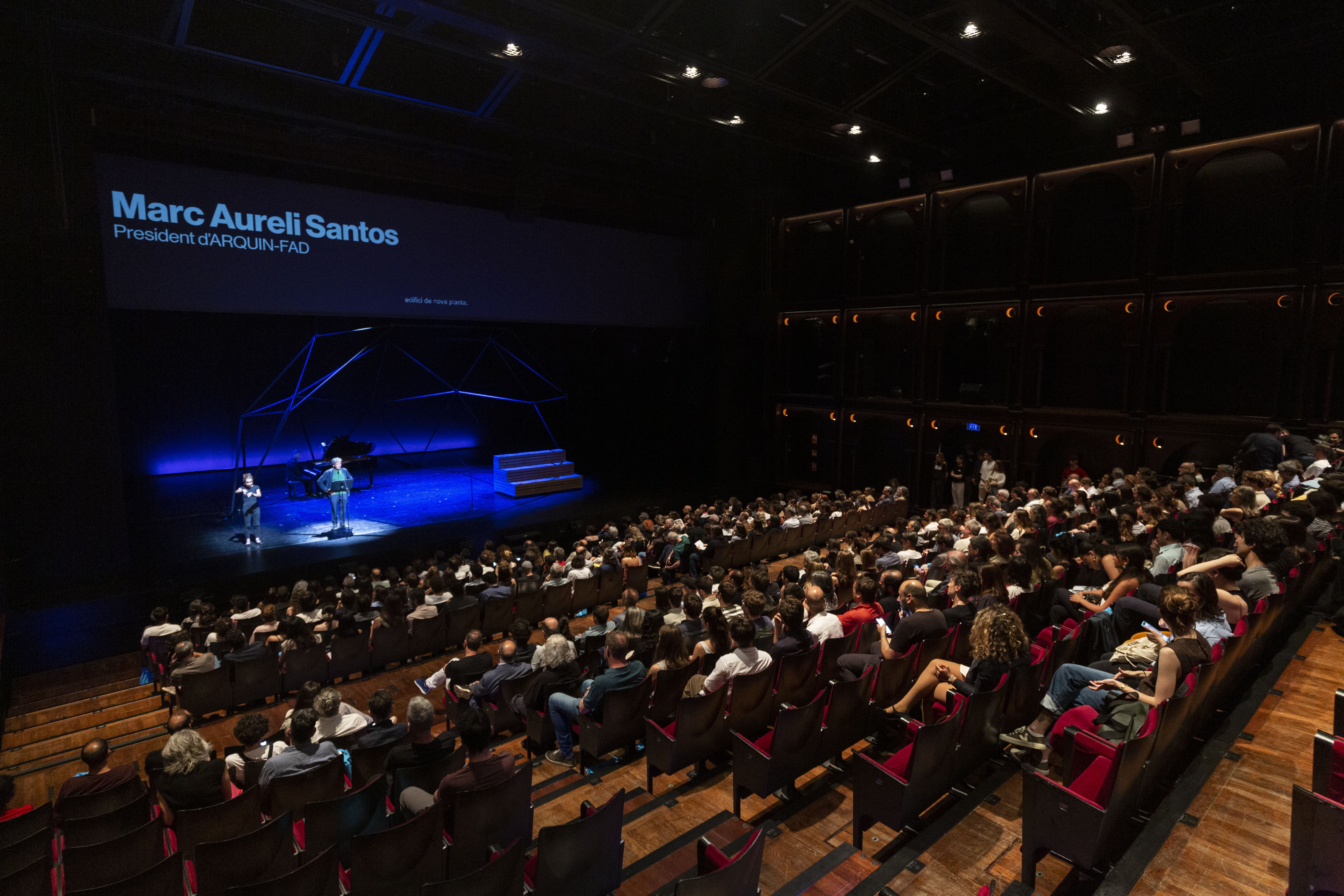
Santos: "We would love for the FAD awards to be a very citizen-oriented award, not just for the professional collective"Therefore, it is very important that good architecture is recognized and that citizens know it and can appreciate it. That is why, in addition, I always campaign a lot for the 48h Open House BCN, because the festival serves to bring architecture to the citizens, to explain the components that make life better. It provides a public service to make the space where you work or sleep or live or have fun or eat or make love, a space that makes your life better.
Therefore, the FAD awards are saying that there can be good architecture that makes your life better. We would love for the FAD to be a very citizen-oriented award, not just for the professional collective, but for spaces and buildings that everyone would want to visit. That everyone knows why it is good architecture.
— It is worthwhile for people in a city to understand and recognize the value of award-winning architecture.
— Exactly. And that your demand is greater. Our biggest investment in life is a home, both as owners or tenants. Our demands for a home do not speak of architecture, they speak of the parallels of architecture: of the location, proximity to the metro, proximity to the school, whether it has an elevator or not. These are important but they do not speak of fundamental factors in the quality of life, such as being comfortable, having good light, having more or less transformable and adaptable spaces during your long life process, being at ease, having technical and acoustic comfort, having a pleasant indoor-outdoor relationship, being able to have a conversation with your partner while you are cooking… All of this is architecture. However, in our most vital decision, renting or buying architecture, we do not take these values into account. That is why it is essential that organizations, such as FAD or 48h Open House Barcelona, disseminate how we work so that all people live better, happier, more comfortably.
— How are the jury members chosen?
— We have lists of possible jurors. We start by confirming the presidency to convene the other members.
— How are the jury discussions? What type of project divides opinions the most?
— I miss this because I don't participate in their meetings. Some year there was a high level of intensity but, in general, the process is very correct and they agree. During the three days of the first meeting, they review between 400 and 500 proposals, separated by categories, and each one marks their selection or elimination proposal with colored stickers. No one is eliminated without a joint discussion; it's about convincing each other.
From here come the selected works that indicate to us where the architecture of the moment is going, it lets us see what is brewing in architecture and design studios. Then appear the conversations between the architecture team, the jury, and the developers. Here, one listens, one discusses. The jury meets a couple more times until choosing the awarded projects.
Discussion is always good, but it is a transversal discussion among diverse professionals, because each of the jury members has their role. It is always about moving forward to reach a consensus.
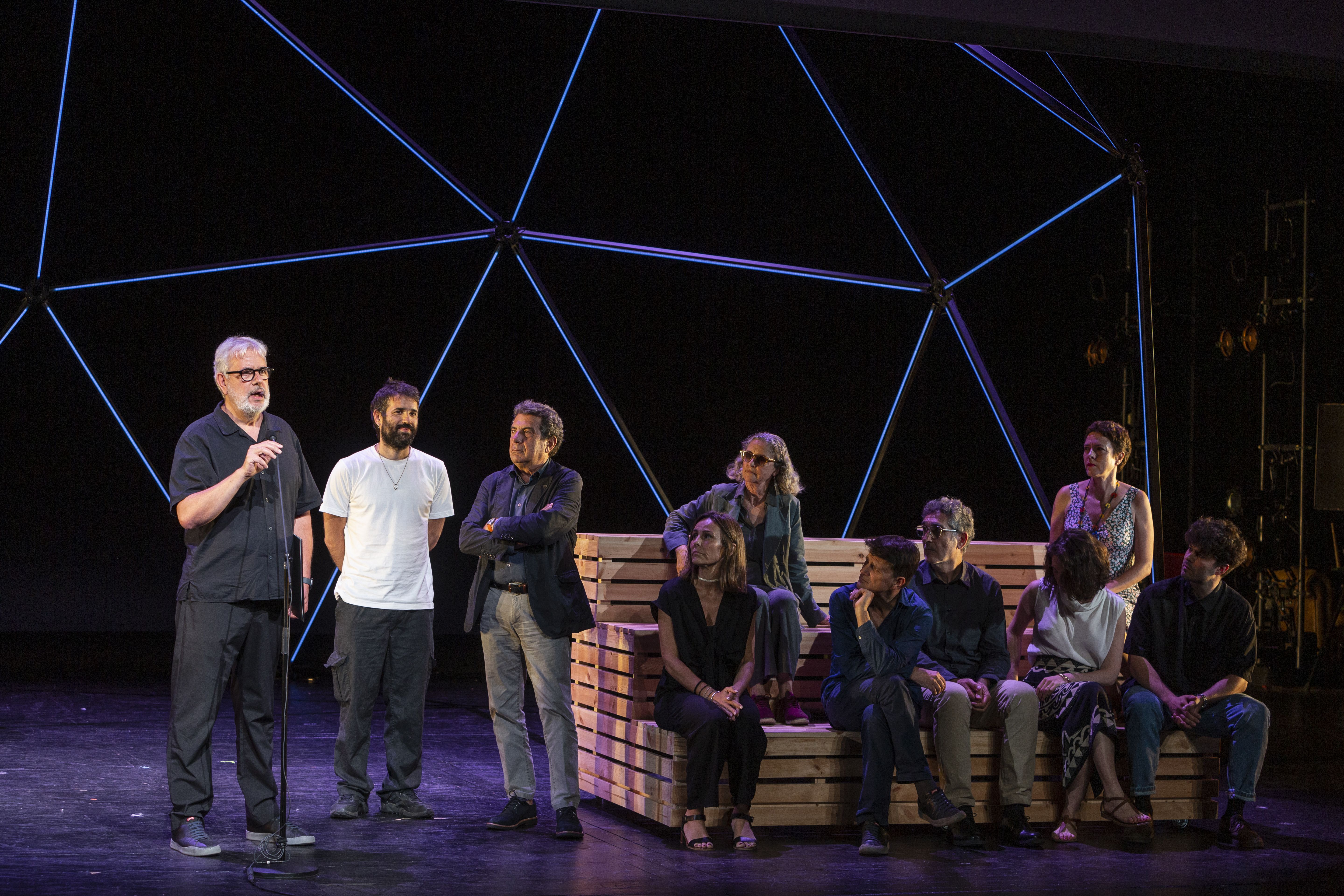
— What would you like the FADs to represent in 10 years?
— I would like them to continue to be the great architecture celebration, not only in Barcelona, but at the level of Spain and Portugal.
I would also like the award to be explained as exemplary architecture that indicates the way forward. The juries always have the good will to award not only the best architecture that has been done, but also where architecture is going, to intuit what the path is for the following years. This history is mutable, because events such as the 2008 crisis or the paradigms of climate change or the collapse of construction in large cities influence it.
This seems important to me about the FAD awards: to represent the horizon of what needs to be done and the great celebration of architecture. For the FADs to be like the Oscars or the Gaudí or the Goya, which are celebrations of cinema, it would be the celebration of architecture. For it to become more popular, for citizens to talk about the award and wonder why, for there to be debate, for it not to be simply a photo without explanations. For it to be talked about as film awards are talked about.
It is difficult for us to disseminate architecture to the public, our colleagues already understand us very well.
Add The New Barcelona Post as your preferred Google source for free
Stay informed with the latest news.