The future management of European funds promises many opportunities to reactivate the Catalan economy after the impact caused by the pandemic. Europe has agreed to mobilize 750,000 million euros to distribute among member states, which will be divided into loans and direct transfers. In Spain, a total of 140,000 million euros are expected to arrive, of which the Generalitat claims almost 32,000 million.
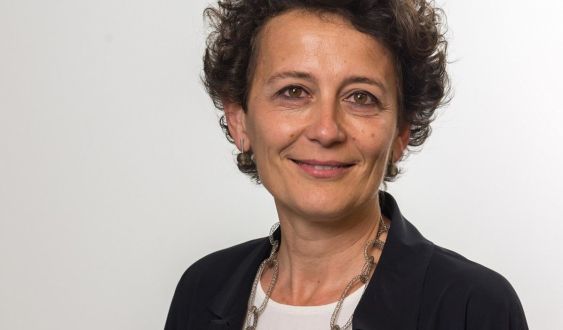
Montserrat Vendrell is one of the professionals advising the Govern to identify which projects should opt for these resources. The Alta Life Sciences partner advocates for allocating these funds to "large and winning projects" that help lay foundations and allow overcoming this crisis "more prepared to face the future," ensuring that current and future needs can be met. "It is a unique occasion," Vendrell emphasizes, insisting on not letting it pass and ensuring that the funds "are well invested."
[subscribe_newsletter_esp]
After twenty years working in the health sector, Vendrell argues that Covid-19 has highlighted the need to invest in this sector, ensuring that research continues: "We cannot allow it not to advance." To achieve this, she believes that research must be encouraged and more resources provided "but not one year yes and one year no," going beyond legislative periods. This sustained commitment to research must ensure that talent, increasingly "more mobile and liquid, and now more so with virtuality," does not leave when the money runs out.
And to do so thinking that "it is not an expense, but an investment in the future." Beyond providing resources for research, Vendrell believes that certain issues must be facilitated, such as the procedures for creating companies and closing agreements, and promoting tax incentives to invest and come to research in Catalonia. "It is the time to do it," she assures, and maintains that it must be a priority if the current economic model is to be changed and progress made towards one based on knowledge.
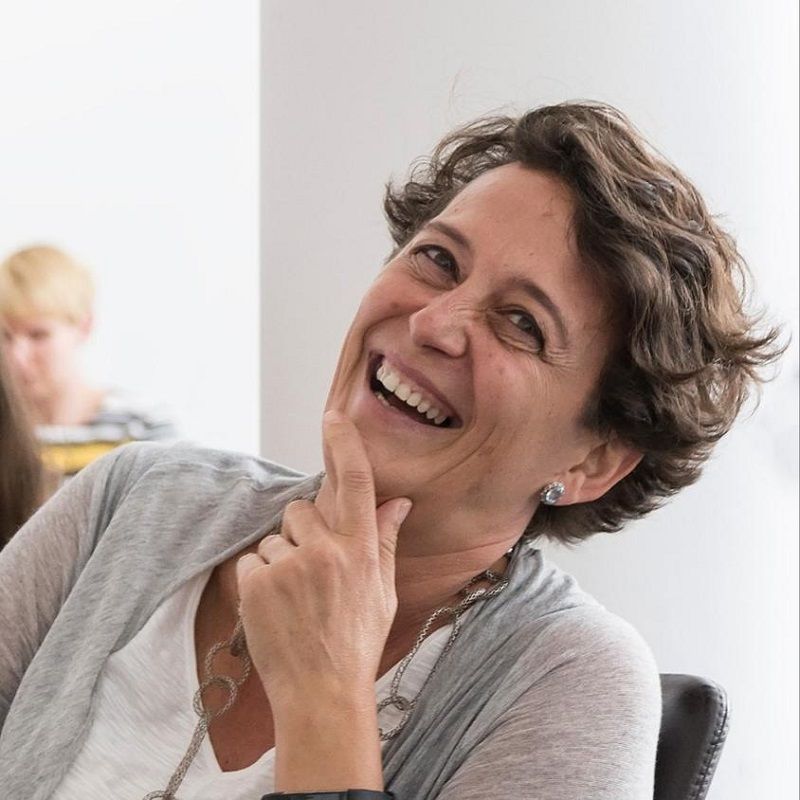
All these efforts must ensure that what is discovered in laboratories finds a valid application in hospitals and does not get lost along the way, due to lack of funds or bureaucratic processes. To guarantee this technological transfer, it also emphasizes the importance of pursuing excellence in healthcare centers and having good professionals to research and others to lead projects entrepreneurially, as well as being able to access capital. "All these elements must be allied and maximized," insists Vendrell, who warns that, if not done, all the potential gained in Catalonia with the investment already made in research could be lost.
The role of venture capital
This is where Alta Life Sciences comes in, a venture capital firm that invests in and advises projects that solve unmet medical needs, in all areas of life sciences, including biotechnology, medical devices, diagnostics, genomics, and digital health. Ona Therapeutics, Inbrain Neuroelectronics, Sanifit, or Mediktor are some of the companies that Alta Life Sciences has decided to back. With its headquarters in Barcelona, the firm is very connected to the United States, the main international market for the sector, where there is the necessary experience to transfer it to the Catalan life sciences and health ecosystem.
Companies like Alta Life Sciences help initiatives born in research environments, such as the Catalan Institute of Nanoscience or the Institute for Research in Biomedicine, to boost their projects and grow by providing them with resources. But not only that, they also form part of their boards of directors and support them in business management, contributing the experience accumulated over years by professionals like Vendrell.
Alta Life Sciences, a venture capital firm that invests in and advises projects that solve unmet medical needs, in all areas of life sciences, including biotechnology, medical devices, diagnostics, genomics, and digital healthIn addition, they mentor entrepreneurs and advise companies in which they do not end up investing because they do not fit into their portfolio, but to whom they can connect with others who do: "What we are trying to do is help the entrepreneurial fabric of the health sector become stronger, grow, and develop". And it is a "very cooperative" sector, where, as Vendrell emphasizes, "nobody can go alone."
This confluence and coordination among the different agents of the health ecosystem in Catalonia has led to the emergence of more entities like Alta Life Sciences in recent years. All of them have identified that there was a need—and an opportunity—to cover. Catalonia is "a small country" with a limited budget, as Vendrell says, but it has "a fabric of excellence," as seen in the fact that research in this sector continues to grow and has been doing so exponentially for years. And, now, with the pandemic, it seems that things are not stopping.
Add The New Barcelona Post as your preferred Google source for free
Stay informed with the latest news.
