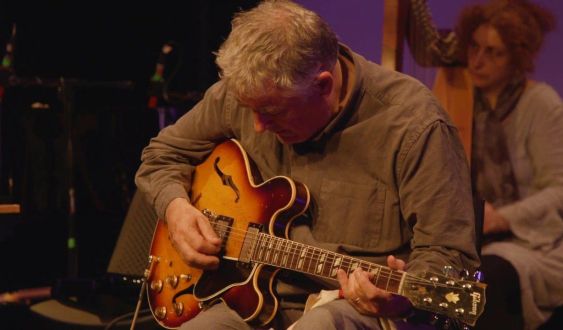
Oliver Rappoport and Oriol Saladrigues, the directors of the Mixtur Festival -Premi Ciutat de Barcelona 2017- emphasize experimentation, one of the fundamental characteristics of the proposals gathered there under the denomination "research music" (instead of the more common temporal allusion, "contemporary music," which could refer to any type of coetaneous composition). Creation and research constitute the axis around which the various activities revolve, many of which are pedagogical in nature: masterclasses, personalized tutorials with young creators, and concerts featuring some of the most advanced ensembles in musical research, which also premiere works by the students. Those young creators who are called to lead the artistic avant-garde in the coming lustrums. It is a broad framework, therefore, that accommodates artistic expressions of diverse signs, even if primarily -most of them- concern the sound phenomenon.
One of the questions that the Mixtur Festival invites to review is the very definition of what is -or is not- susceptible to being aesthetically appreciated as artistic creation, worthy of attention and reflection. The notion of music -unequivocally associated with a melody- entered into crisis more than 100 years ago. Since then, there have been both proposals to restore it neoclassically and followers of those first to experience the crisis, visionaries who challenged traditional harmony (Schönberg, Berg, Webern or, from the electronic revolution, using electronic support, creators like Stockhausen or Xenakis). In any case, rather than rekindling a debate that may sound like a thing of the past, the artists of Mixtur know themselves to be installed in the perpetual need to redefine and create meaning. To do this, they incorporate the most disparate elements: classical instruments used in new ways, or objects alien to tradition to percuss them and obtain "beautiful" sounds from them. The musical event is conceived in an absolutely premeditated way, but also -on other occasions- predisposing the interpreter to free play, to the free play of improvisation, in which children prove to be masters.
It may seem that there are no rules or classical references in the outbursts of a Fred Frith or the mysterious sounds that Ricardo Descalzo extracts from his prepared piano; in the unsettling versatility of Frasquier's baritone sax or in the unusual situations recreated by the percussionists of Frames. And yet, despite the many existing differences, common to all of them is the will to explore -to temporarily colonize the unknown- even risking nonsense. Immanuel Kant, a paradigm of the most conservative modernity in the eyes of many, wrote in his youth how profitable it was to deviate from the "royal road". Far from the path of the well-known -that which is pre-established as true or valid- one can undoubtedly make mistakes, but even with that "more service will have been rendered to the search." Fred Frith has valued that same art of taking risks, in the genuine act of creation: "if you finish a creative process with the idea that you started, you failed".
Add The New Barcelona Post as your preferred Google source for free
Stay informed with the latest news.
