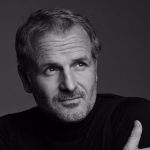
A full house in the La Pedrera auditorium to listen to Miquel Barceló in his conversation with Vicenç Altaió, following the screening of Josep M. Civit's documentary Barceló, traços de fang, all under the pretext of the exhibition about the artist that the Antoni Gaudí building (also of fungible stone) is hosting these months. The documentary's author warns us that clay is everywhere, including sound, as the instruments heard when there is no human voice are percussion and winds made of clay. The entire documentary is made of clay, just as Barceló is made of clay, Altaió will remind us later. His stay in Mali during his youth led the artist to develop a special relationship with clay, with straw, with feces and clay and pigments, bringing the Neolithic to the 21st century and the Altamira caves to the workshop in Vilafranca de Bonany.
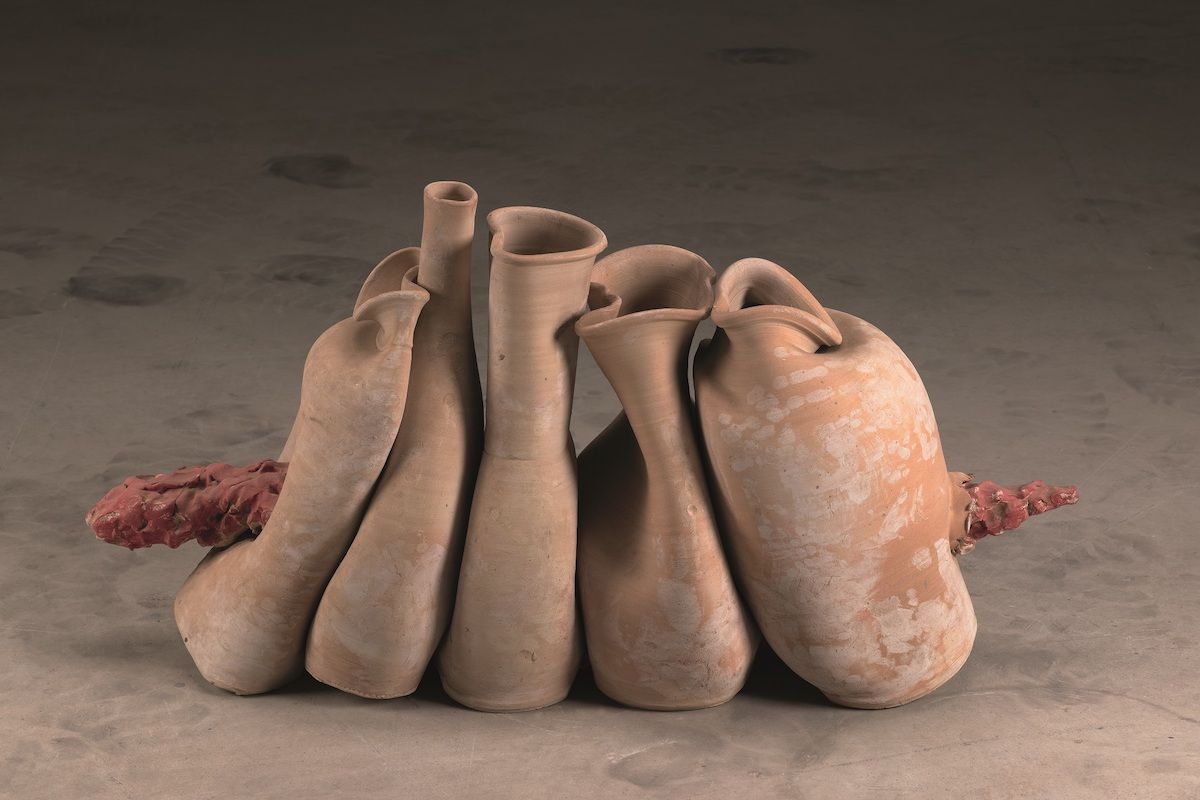
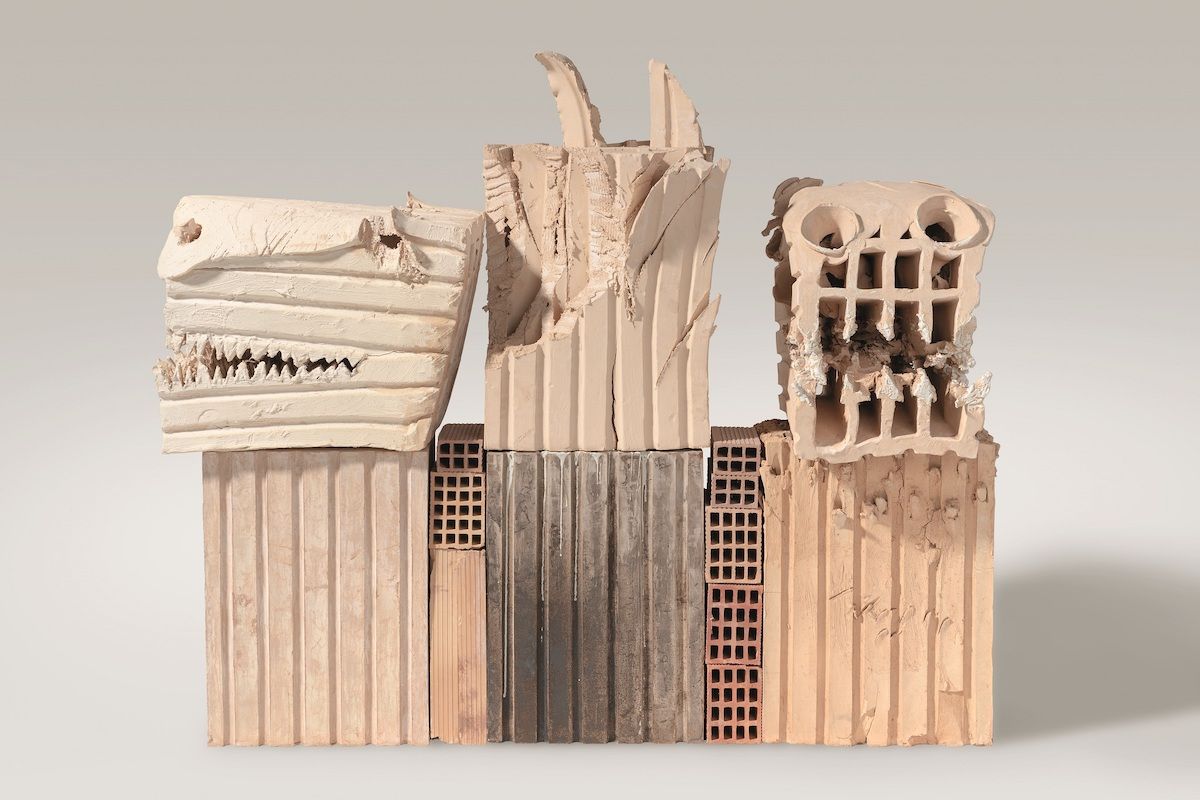
Barceló says ladrillo (brick), and this in the Principality sounds bad to us, especially since there is a name with such Balearic connotations as maó. But yes, the brick as a portrait of characters and monsters and as a base for making totems, roses, disconsolations. During the documentary, Barceló dialogues with Dolors Miquel about the works exhibited in La Pedrera, starting with the immense monkey skull with wheels located in the lobby, which, according to the artist, served as inspiration for Malian artisans to make pieces for tourists. Or the spherical self-portrait, full of hair spikes and holes and bumps, with the scene explained by the artist himself punching his clay face. Or the reference to the performance Pasodoble, with Josef Nadj, the popular and striking scene where they penetrate into the mud and make mud figures of each other. It is not about enumerating all the pieces that appear in the exhibition here, but rather mentioning how Barceló discovers live that the melted containers that were supposed to represent his family, crossed by a kind of red tongue, are objects actually crossed by his father's penis. Or his relationship with the chapel of Palma Cathedral, coexisting with Gaudí's interventions, actually updating Gaudí's aesthetic philosophy as if an invisible thread transformed him into his favorite disciple or his reincarnation. And that, today, in La Pedrera.
Ceramics feminizes sculpture, Altaió asserts later, associating masculinity more with metals and irons. Barceló also feminizes knives, also using the word ganiveta, because in this surreal language we have, objects can have gender and everything is that arbitrary. According to Altaió, Barceló is a wild madman who decides, in the midst of a nihilistic movement where artists of the 70s-80s claimed that painting had died, that he will paint and that it makes no sense to say that perspective has also died: "how to overcome perspective?", he asks, to the laughter of the audience. For Barceló, postmodernity served to redistribute the cards, but not to bury anything. Again, everything can be resurrected.
Sculpted earth would be the total form of painting because it does not need a wall, not even a building, to stand on its own.Altaió links the artist with the avant-garde through the argument of earth: Miró put his feet on the ground and his gaze to the sky, Dalí made strong roots emerge from his feet on the ground, Tàpies was a return to earth made matter and Barceló would be the continuation of this solid and soft devotion and at the same time full of identity. According to the artist, he does not see much difference between painting and ceramics or sculpture: sculpted earth would be the total form of painting because it does not need a wall, not even a building, to stand on its own. Similarly, when there is something he cannot express by painting or sculpting, he tries to write it (which would be the opposite of what happens to me) and Altaió believes that these writings should come to light.
The exhibition is a marvel and is not about "ceramics", but about earth, about a man made of clay as God is represented to have sculpted man. And you leave thinking that, no matter how much is still unknown about the Glory facade, Gaudí's temple could not have a better successor in the face of so many deluded gravediggers.
Add The New Barcelona Post as your preferred Google source for free
Stay informed with the latest news.