
"In this country, we have sinned a lot by mixing personal and business assets"--- What should not be done?I realized that the interest of financial entities is a profit and loss account and a ROA (return on assets) while the interest of clients is the profitability of their savings. The problem is that the entity sees the client as a balance sheet and from there comes product placement, margin...
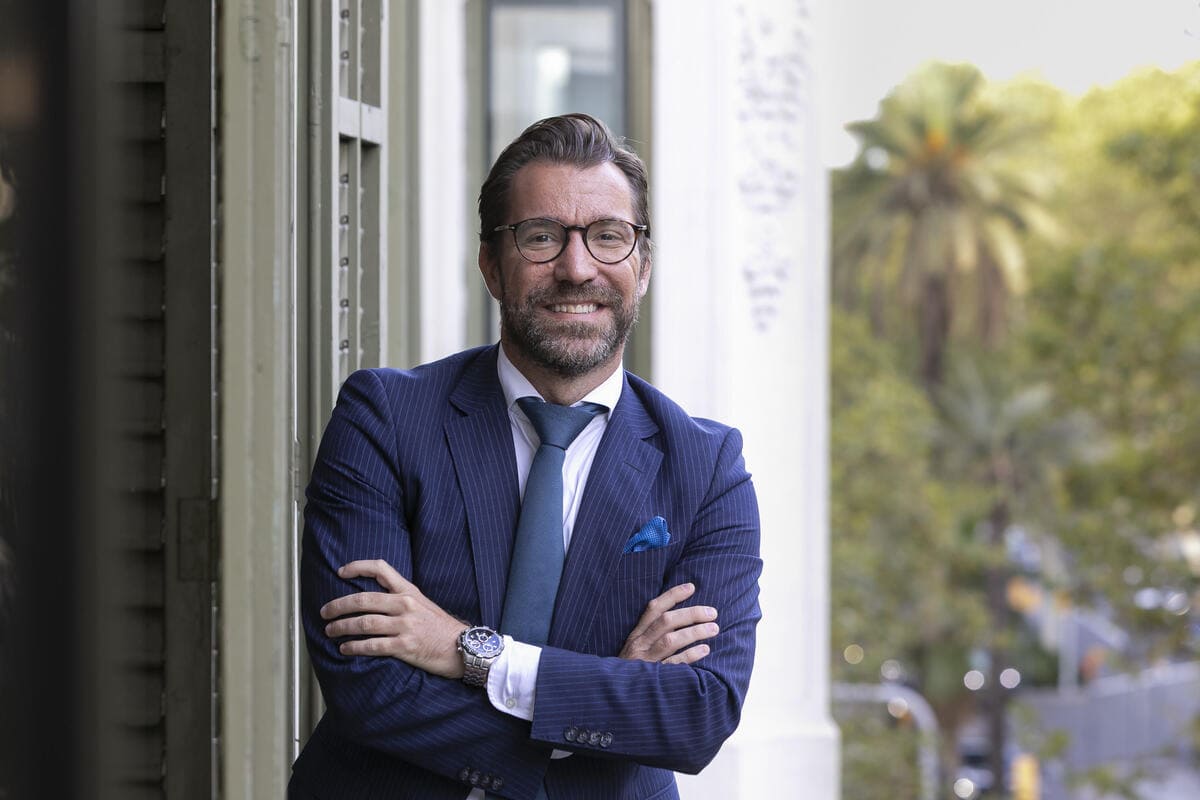
"The interest of financial entities (ROA) and the interest of clients (return on savings) are not aligned"--- What kind of independent advice?My concern was to accompany and act as co-pilot to the client, that is, to have them next to the table but not opposite. We started as a securities agency and management company until becoming a regulated agent with CNMV permission. Diagonal Asset Management was born from the Anglo-Saxon model.--- How is your day-to-day life?My specialty is business strategy ---what will we be in 5 or 10 years?--- while I have never wanted to lose the relationship with clients and people. I like to accompany them and explain to them how their portfolio and the world are, from my own and a market perspective. Deep knowledge of the client also makes me more understanding when things are not going well because at least they know how their portfolio and assets are. The day a client calls you and you don't pick up... Our added value is a 24-hour service.--- What are the investor profiles?The other day I was thinking about it... There are three types of clients: the self-made businessman or one who has inherited a company and made it grow, the rentier who has inherited or built up wealth and lives off these rents, and the young entrepreneur who has succeeded in selling his company and wants to be involved in many projects as a consultant.
"There are three investor profiles: the self-made or inherited businessman, the rentier who has wealth and lives off rents, and the successful young entrepreneur"--- Aversion or attraction to risk?The profile of the businessman who has built wealth with his company wants inflation not to eat it up and is rather conservative. The rentier profile does not want to lose purchasing power or cut the ham and is rather defensive. The young entrepreneur profile does not fear risk, wants more profitability and trusts in technology, innovation or artificial intelligence. There is also the case of athletes.
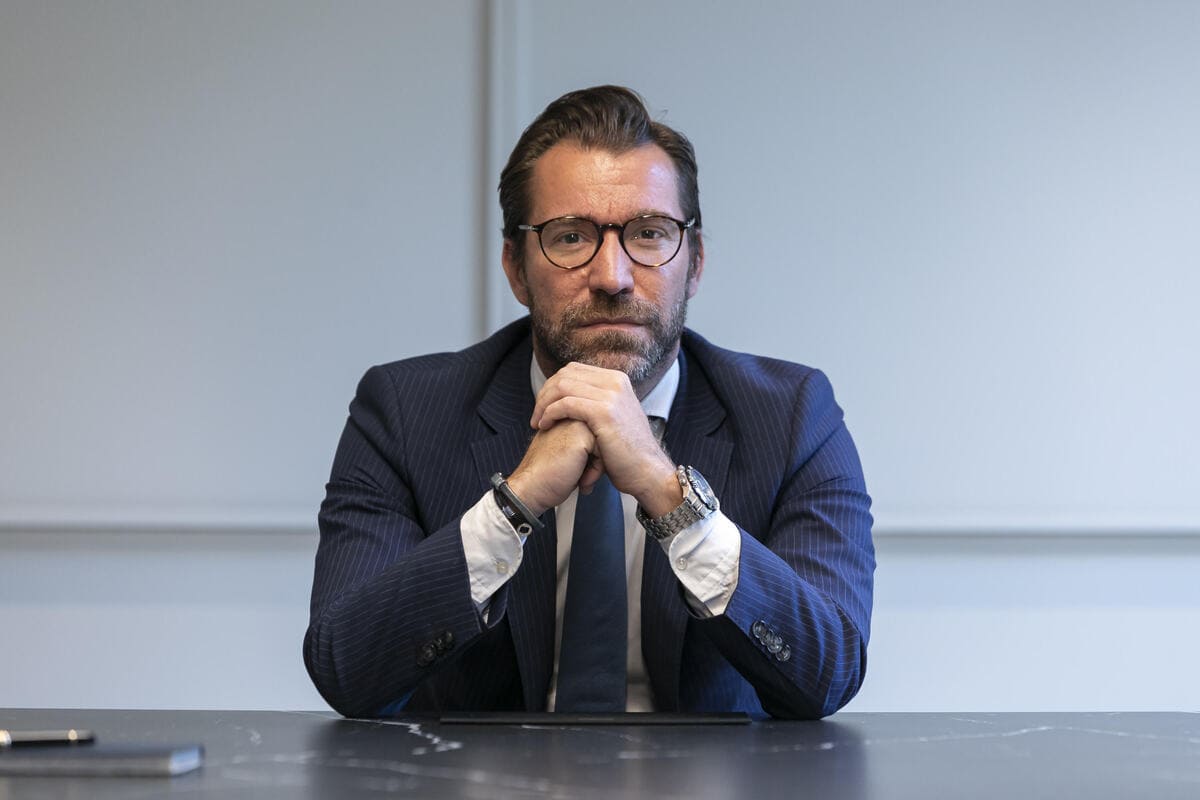
"It's not the same to invest because you've been promised a triple digit return as doing it because you're helping society. Anonymous entrepreneurs are the ones who make this country grow"--- "Honesty is a very expensive gift that you should not expect from cheap people," says Warren Buffet.They are entrepreneurs who surround themselves with brilliant professionals in strategic areas. They do not renounce the word ambition because they want to improve things and not elbow their way through. They don't want to win today because they know it's a long-distance race. It's not a matter of business ego, but of strategy and long-term vision. There are people who tell me they want to sell their company in 3, 5, or 7 years, but the most successful companies that make the most money have been around for at least 20 years.--- Should we humanize companies more?The multi-leadership is a big change. The patriarchal company is one that has an entrepreneur who commands and workers with little initiative who comply and leave at the appointed time. Multi-leadership means that everyone has initiative and their own life expectation. This will make the company go like a rocket. You have to give good people a chance because, if not, they leave and then only those who applaud remain.
"You have to give good workers a chance with multi-leadership because if not they leave and then only those who applaud remain"--- Dodge mediocrity, as Xavier Marcet says.Exact, this is humanizing. Knowing who you work with and what their vital objectives are. It is very important not to clip wings and to give prominence. It can even be selfish, but team medals make the company work better.
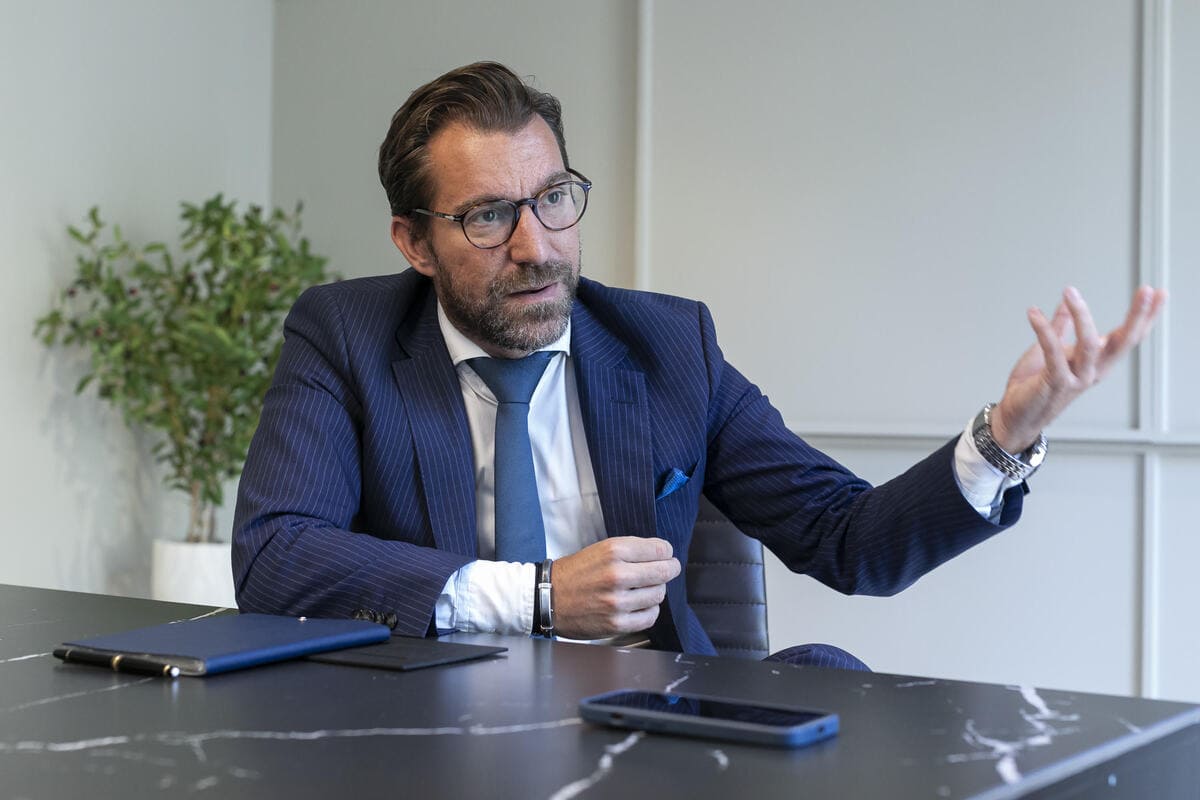
"It can even be selfish, but team medals make the company work better"--- How is our economy?This is a very banked country and a merger is not good news for the consumer, because it implies fewer alternatives and can end up becoming a monopoly. In fact, now there are very few commercial differences between entities. Financial and banking services have also been dehumanized. The basis of the savings banks was to accompany society.
"Financial and banking services have been dehumanized. The basis of the savings banks was to accompany society"--- Being close to people or being where you are.Financial inclusion impacts savings, when asking for a mortgage or a line of credit for the company. It is a mistake for the bank, with a blue or red shirt, to want you to make a deal just to improve its bottom line. Financial education is a very important subject because it implies understanding needs, income, strategy, and the long term.--- In which sectors do you see good investment opportunities?They say there will be asoftlanding, but I believe it will be a significant recession and in fact, inflation is affecting debt and interest rates. We come from the zombies where money was free and now we are very demanding with rates. Good investment opportunities are found in food, local and essential consumption, but also luxury.--- Luxury?When there is a crisis, the middle class disappears and two antagonistic poles are created. Luxury will not die, and if you don't believe me, take a walk down Paseo de Gràcia. Oil and silver have performed well, but I believe the recession will affect oil demand. We are at a moment of social transformation; we are moving away from fossil fuels and looking for energy alternatives in the medium and long term.
"Good investment opportunities are found in food, health, local and essential consumption, but also luxury"--- Invest long-term.There are also good investment opportunities in technology where you have to think about whether the company will make sense or not in 10 years. This is an important question. If it makes sense, do it. Now, we all live longer and health innovation is moving very fast. Health is also strategic in an investment portfolio.--- What is diagonal thinking?Everyone talks a lot about thewin-winwhich is a Yankee concept, but it's from the late 90s. This is about growing, which means accompanying, making a life plan, thinking about expenses during retirement, succession, how to avoid conflicts in the family business...--- Grow together.The customer experience and the company's service feed each other. In 3 or 5 years there will be some artificial intelligence application that will have your profile and tell you with a QR code which is the best wallet you can have. Flee fromwin-win and embrace thegrowth-growthmeans copiloting and making a tailor-made suit for the client. Financial and vital needs go hand in hand.
"Diagonal thinking is not win-win, but growth-growth"--- Going beyond profitability.I learn a lot from young people who always ask to go further. They have innovation and artificial intelligence tools, but they want to know more, such as, for example, what control they should have over the company, their role on a board of directors, or how they should control their investment. This is not just about money, but about knowing and growing with clients.--- Diagonal thinking reminds me of Daniel Kahneman's Thinking fast and slow.It is so logical that very few people do it, and you see it with the results and experience. You don't have to be the first; you can learn from the best. The big problem for people with great wealth is that sometimes they can't sleep, but great wealth should allow you to sleep very well.
"The big problem for people with great wealth is that sometimes they can't sleep, but great wealth should allow you to sleep very well"--- How do you see Barcelona?--- We are privileged! We are in the Mediterranean, we have an open culture, we are entrepreneurs and negotiators… However, I am critical of the municipal government of this last decade because it has only seen one side.

"The citizen is not the praetorian guard of any party and a municipal government cannot have only one client because then it is losing sight of reality. We do not listen enough to civil society, which is what has made this city great"--- The citizen vs. the client.What do I do? Do I put stones in everyone else's path? Do I favor a type of citizen who then becomes my client and ends up becoming my praetorian guard? Ideologies have been created where there were none before, and this is a mistake. Barcelona is a cosmopolitan city where people want to live and have their services covered. Without entrepreneurship and business, there are no tools. Without the city's capitalization, there are no tools. And this does not mean rolling out carpets, but rather being aware of all the city's facets and who contributes wealth to have these tools.--- Ideologies?There has been an impoverishment of the city, but we are lucky that Barcelona is very strong. Like Barça, which is an incredible brand. One wonders if Barcelona has billed all that it deserves or if it has billed all that it could despite... The idea of a city around equal opportunities and social welfare is very good, but it has been diluted towards a client and we have abandoned, rejected and repudiated entrepreneurs, businessmen and civil society. There have been confrontations and we have lost opportunities.--- More and better public-private collaboration?There is the public part and the private part, but the first distrusts the second and does not consider how it can help it. There is a business school that is providing financial education in Madrid schools, but here the Generalitat government says that this is instilling ideology. We must be able to carry out strategic collaborations that work in the city, because, otherwise, public and private will increasingly be antagonistic islands with their interests. This is the great danger and we lack bridges.
"We must be able to make strategic collaborations that work in the city because otherwise public and private will be increasingly antagonistic islands with their interests"--- Bridges between islands?We are very polarized and must return to bridges of collaboration because otherwise each one entrenches themselves more and more in their position. Having lunches and conferences is very good, but it is on the bridge where civil society has its raison d'être and can add value. What better than for civil society to act as a bridge in private initiatives that may have public repercussions? We must reach common goals. What, when, and with whom will we do it? It's time to take a step forward and yes, yes we can. What should we do?--- What should we do?That is the main responsibility of civil society: to build bridges so that public and private can add and multiply together. Now, my perception is that right now everyone is doing their own thing. Has housing been negotiated between public and private? If the administration does not sit down with businessmen and developers, then everyone loses. Legislations cannot be imposed if one does not go hand in hand with those who bear the risk and must make the investment.--- Is administration a facilitator or a hindrance to business activity?--- Currently, the administration is more of a hindrance than a facilitator. Creating an SL in this country is very complicated; months go by and you wonder when you'll be able to start invoicing. This is the way an administration with a heavy structure operates, one from which we demand less than we should. Having a civil servant position has a lot of merit, but it is not a guarantee of retirement, but rather a guarantee that a job must be done. We must be demanding with the private sector, but also with the public sector.
--- Evaluate public policies and measure to advance.One must have objectives and fulfill them. I do not understand society from any radical position, but I do understand it from professional demandingness in all areas. If you work in administration, you interact with people who depend on a procedure to move forward. Administrative silence cannot be an excuse because behind every procedure are people, families, and businesses.--- What does it demand?Either we get our act together or we are lost as a country, and that applies to Catalonia, Spain, and Europe. We cannot be buyers of everything that comes from outside without having the capacity for innovation, entrepreneurship, and leadership. This is impoverishment. Spain lost leadership in Europe with Francoism and that phrase that said "Let them manufacture it for us and we'll buy it." This is also the great challenge for Europe, which has lost leadership and is turning towards Asia. There is a problem with public administration when it comes to retaining talent, carrying out long-term projects, public-private collaborations, research, strategy, a long-distance race...--- And what do we do?--- The goal is to grow, innovate, and lead. This will also grow GDP, well-being, social tools, while the pensions of the elderly, the vocations of the young, or the health of citizens will no longer be in danger. You cannot miss the business train and the idea that creating wealth is frowned upon lately."The administration is more of a hindrance than a facilitator. Creating an SL in that country is very complicated. Having a civil servant position has a lot of merit, but it is not a guarantee of retirement, but rather a guarantee that a job must be done. We must be demanding with the private sector but also with the public sector"
--- Where does your passion for Barça come from?
--- From when my father used to take me to Camp Nou and I had to pass under the barrier. I have that image etched in my mind. I've played football all my life and have been a children's coach for over a decade. Football has given me much more than I have given it and has saved me from certain company.
--- Values.
--- Football has given me values such as teamwork, psychology, competing, failing and getting up to play another game. Barça is a love difficult to explain because it is a passion inherited from generation to generation. In fact, I try to transmit all that passion to my children. In 2010 we created a think tank to give opinions about Barça.
"Football has given me values such as teamwork, psychology, competing, failing and getting up to play another game. Barça is a love difficult to explain"
--- In 2015 you were also part of Joan Laporta's candidacy.
--- It was an experience with very good things and others that were not so good. When you get close to certain parts of football it's a bit disgusting and you have to try to put aside the mercantilist part. The club cannot be the tool of a few and must belong to everyone. I have been very critical of Josep Maria Bartomeu's management because we were losing the club's values. We were bankrupt and everyone knew it.
--- An open secret.
--- The club needed a structural change in who and in the governance model that cannot depend on whether the ball goes in or not. I try to keep a low profile and add value, especially by analyzing economic news.
--- How do you see the club?
--- Xavi is the best coach for the club's current moment. He is from the house, has talent, and even if he doesn't agree with an internal decision, he won't make it public. He loves the club more than anyone. The economy is not working as it should, there was a strategic plan presented by Ferran Reverter for five years and we have not fulfilled it. Barça has more than 500 million euros in operating losses and there is a very large margin for improvement.
"Barça's economy is not working as it should, there was a strategic plan presented by Ferran Reverter for five years and we have not fulfilled it"
--- And the future?
--- Jan was the best president for that moment of the club, which needed drive and courage, but with financial balance led by Reverter. We have been orphaned of these more independent figures and this is not good news for the club. We have homework to do. There are 400 million euros from the levers and the extraordinary sale of assets that we have saved for 125 years, but thanks to this saving we can continue to make Barça viable.
--- Viable?
--- Barça, like any company, must be viable on its own, both in terms of income and expenses. The balance must be positive, even if it's almost zero. However, Barça currently has a deficit that we have to turn around with viability and sustainability. We cannot always live off extraordinary items. You can sell assets, but if you don't bill enough, then you generate an imbalance that is difficult to reverse.
--- We will always have economic Cruyffism...
--- In life, you have to have myths that are brave. Cruyff was. Economic Cruyffism means that you don't stay here if you don't want to be, that Barça is more important than any president or player, or that money must be well invested on the field. Economic Cruyffism is always wanting the best team, winning what one deserves, and aligning the interests of the players and the club, which is what has not happened in recent years.
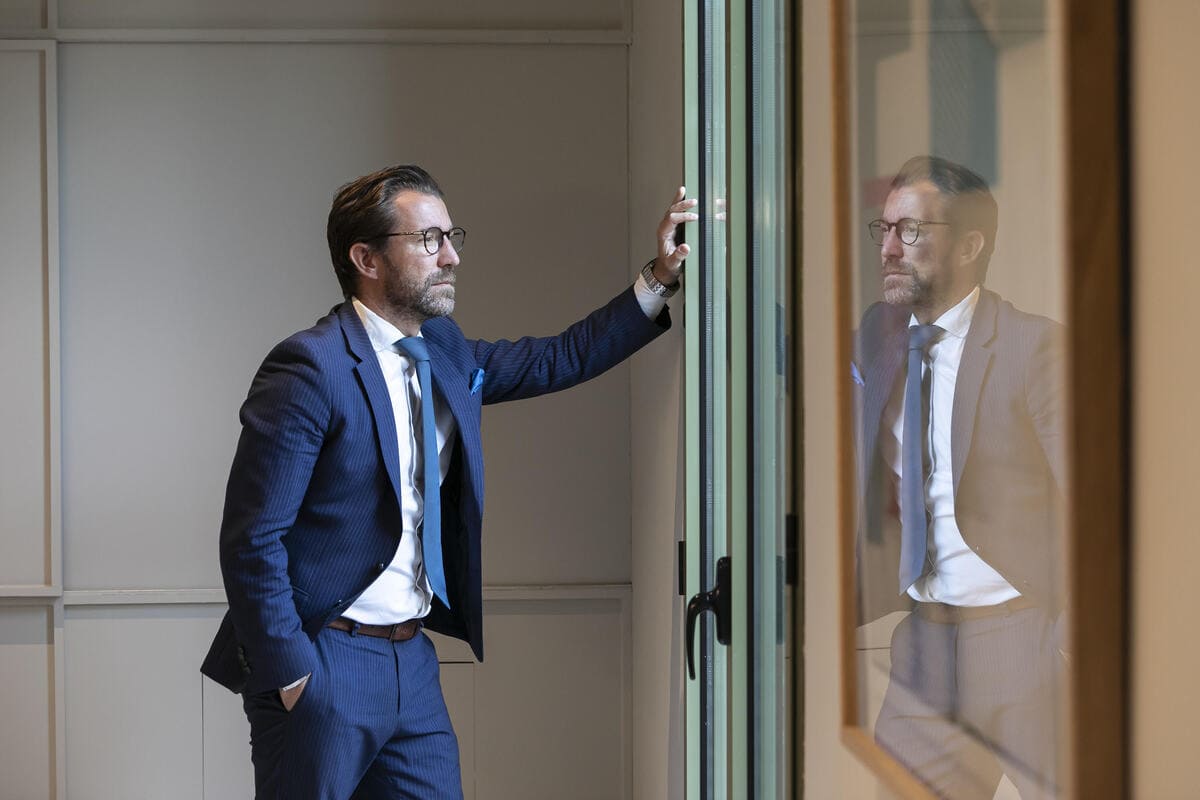
"Economic Cruyffism makes the club viable, have internal leadership and the admiration of the world"The previous interviewee of Persona a Persona, Nacho Corredor, asks you the following questions: --- Why is Barcelona the best city in the world?Because it is the city where I was born and grew up, of neighborhoods and culture. A city where you can go down to the street, walk with your children, talk to the shopkeepers and dream. Barcelona is the best city in the world because it is full of dreams and allows you to dream.--- Why doesn't everyone believe Barcelona is the best city in the world?To all who believe this, it's better that they don't introduce them to me.
- Reference: My mother, Warren Buffet and Barack Obama.
- Book: Cuatro amigos, by David Trueba (I would love to meet him)
- Film: Ghost, by Jerry Zucker, and Moneyball by Bennett Miller.
- Song: Don't look up in anger, by Oasis.
- Favorite spot: The soccer field.
- Life motto: Make your own way, don't be afraid and don't hurt anyone, as my mother used to say.
- Dream: To see my children grow up, to be a global reference in independent advice, and Barça.
Add The New Barcelona Post as your preferred Google source for free
Stay informed with the latest news.
