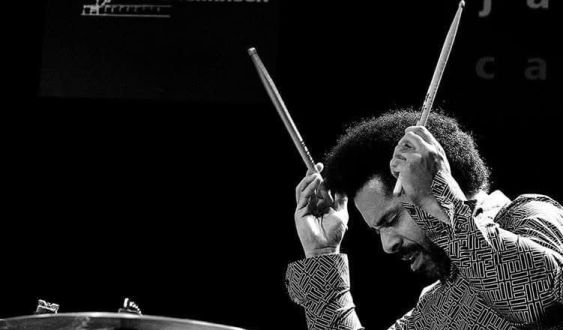
He was different from the beginning. The black kid in a white world. "I spent my childhood and adolescence alert, protecting myself from possible racism, I've always been quite shy." Father from la Barceloneta, mother from la Ribera, they moved to Sant Gervasi and that's where his childhood took place, "in a very Catalan environment, studying in a small, very endogamous school." At twelve, the family moved to Premià de Mar, "where I discovered a broader and more diverse environment," he fit in better here, although there was still something different. The feeling of not quite being considered one of them.
After opting for some tortilla and cured meat tapas, avoiding his hated cheese, and leaving room for a good dessert, drummer, percussionist, and composer Marc Ayza sips a beer leaning on the bar. The light from the streetlights illuminating the night streams through the bar's windows, and the musician follows the rhythm of A Feeling Is, by The Emotions.
"I grew up in a family where a lot of music was listened to. My father loved opera and classical, and my mother connected me to 60s pop." His first love was the Beatles, "I followed their songs with Chinese food chopsticks!" he laughs. Rhythm was a reflex for him "and, despite everything I've studied since, I've never lost the instinct in my way of playing the drums." And yes, that animalistic, gut-level approach is noticeable.
From the Fab Four, he investigated until he found all those African-American musicians "with whom we have an undeniable debt." Listening to Superstition, by Stevie Wonder, was the paradigm shift. "Not only did I connect with that music, soul, jazz, funk, but their artists were like me, with my same looks and concerns. They contributed to shaping my ethical-aesthetic identity." Something like his first place in the world, but, fortunately, not the only one.
The Charm of New York
When he decided that being a musician was the career he wanted, Marc Ayza received his family's support "as long as I took it seriously, but I am very disciplined." In 2000, he traveled to New York with Giulia Valle and many things changed there. "My mind opened up, I felt embraced by the anonymity of this great city full of people of all types and colors." Valle and Marc met pianist Jason Lindner –"I recorded my first album, 1,2,3, etc., with them"– and dealt with like-minded musicians "who, unlike many here, spoke my same language. For them, I was just another brother."
He would return to the Big Apple eight years later. His debut as a leader, Deejah, didn't quite satisfy him, and it was in New York where, again, he found the right company to reformulate a sound that reflected his love for beats, hip hop, "and sounds that Catalan jazz musicians didn't appreciate, but that blew my mind." Thus was born Offering, the album that consolidated the artist's eclectic musical lexicon.
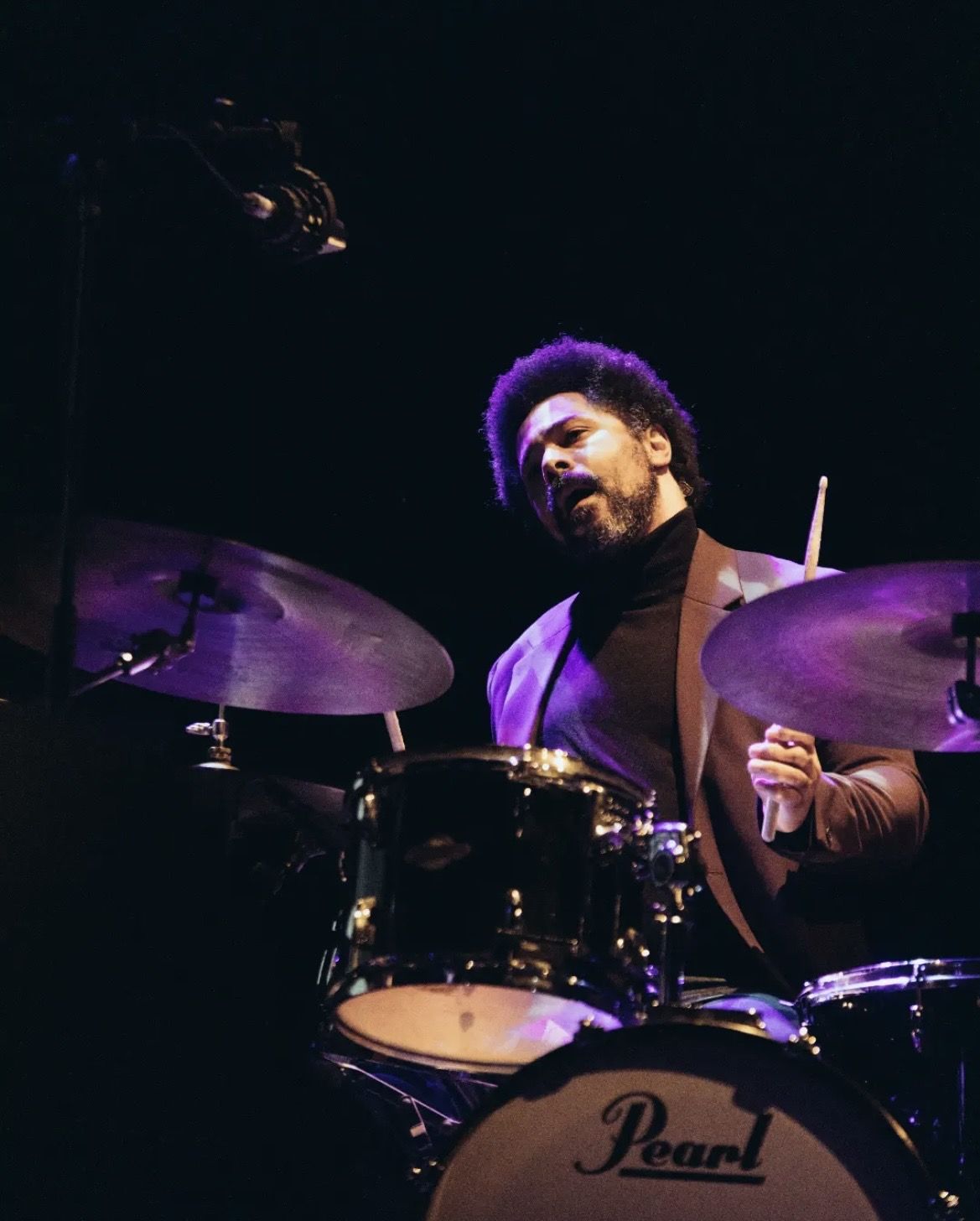
Since then, many things have happened. Marc has played with major names in jazz and beyond: from Greg Osby to DJ Vadim, including Esperanza Spalding, Wax Poetics, Claudia Acuña, and Wallace Roney. His people were increasingly more people. "One day, drummer Julian Vaughan told me that what I lacked was a social base, in the sense of a natural group of belonging, and that I had to create it." Marc realized that this was what he had unconsciously been doing all along. Creating his fitting environment.
Perhaps that's why his most personal project, in which his wife, singer and flutist Erin Corinne, participates, is called Social Base. Of course, with them, he delves into the rich African-rooted sound currents, orbiting around jazz.
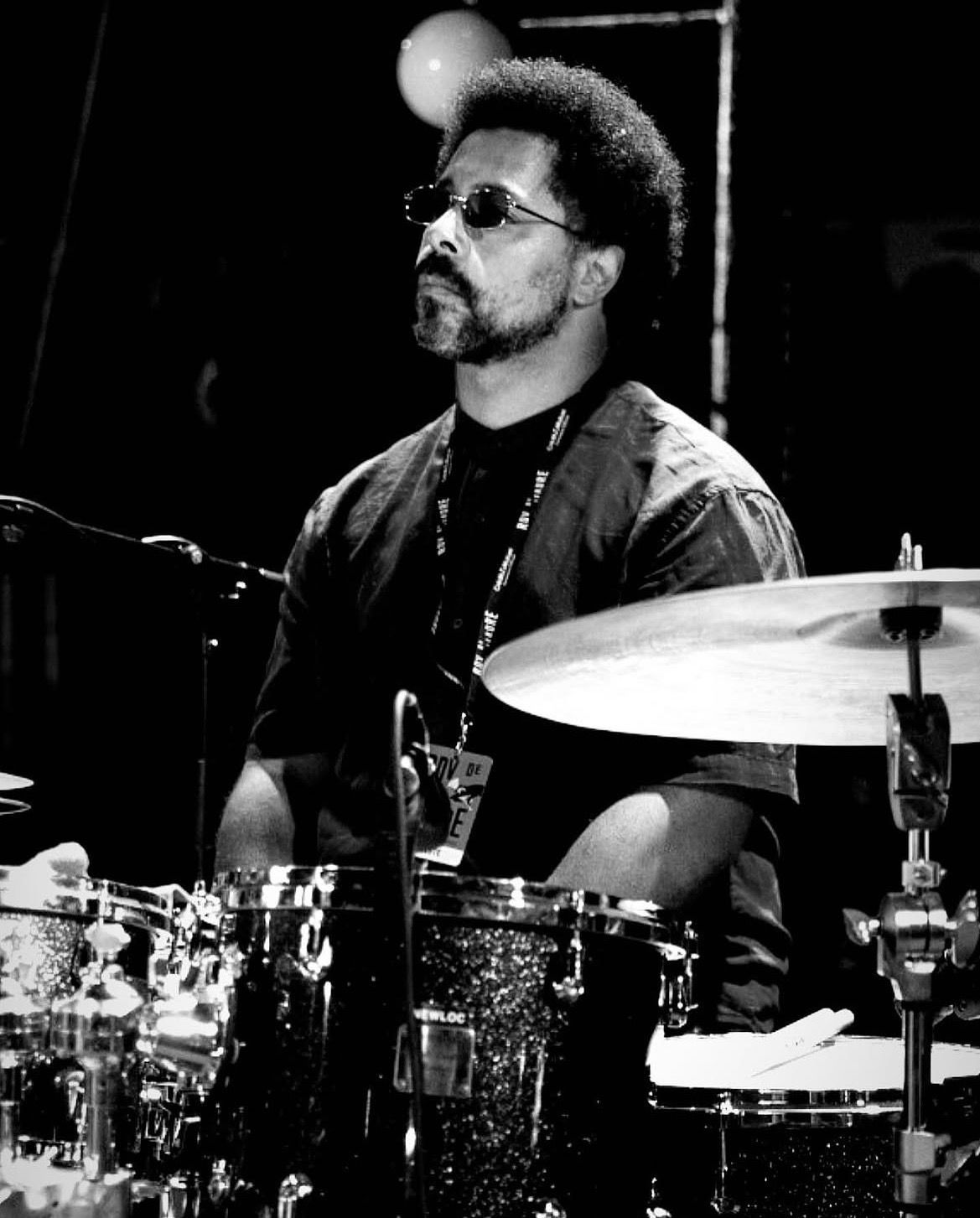
With Erin, they also promote the Freedom First project, in which Keith LaMar –imprisoned on Ohio's Death Row, despite overwhelming evidence proving his innocence– streams and recites his texts and poems while the band plays. "I don't call this activism, but simply doing what I know how to do and putting it at the service of my fellow human beings." Especially when they are victims of systematic racism, like LaMar.
A rather functional relationship
The bond that the local maintains with Barcelona has become, over the years, rather functional. "I live in Premià with Erin and our daughter, Cora, and the city has ended up being the place where I essentially go down to do things." One of these things is the coordination of the Monday jam sessions at Jamboree, "a laboratory from which I am sure many projects will emerge."
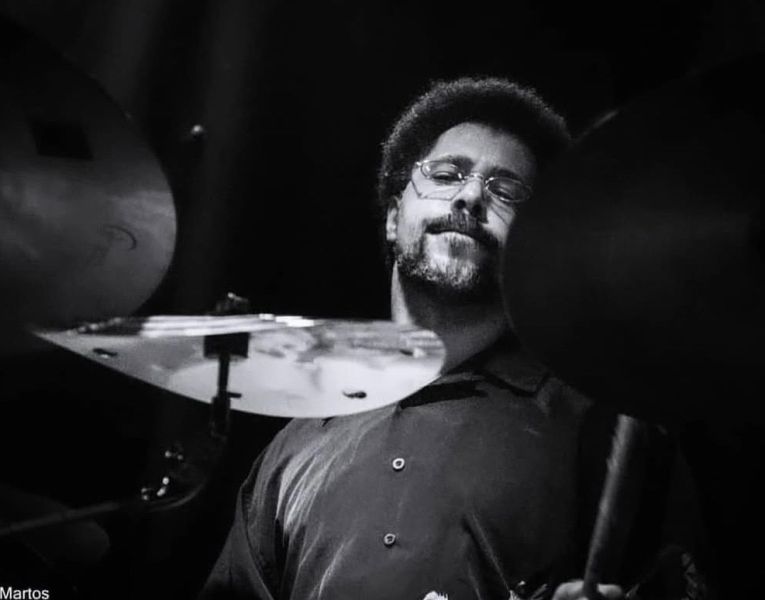
The city still fascinates him, "because it has a beach, because it has things like the Sagrada Familia or the panots de flor, which we take for granted, but they are characteristic and extraordinary; and because there will always be a corner that fits what I'm looking for." And the beer runs out, before adding: "what bothers me most is the provincialism with which we copy things from big cities, but superficially, banally, keeping the form, but not the substance."
– What is unbeatable in form and substance is the nocturnal atmosphere of this bar. If you want another beer, you're invited.
Marc Ayza smiles, despite not being much of a bar person, he is enjoying the moment, the conversation, another piece of this social base in perennial construction. Happiness could (also) be this. The version of Happiness Is Around the Bend, by Main Ingredient, shakes the Bar with its positive vibration. The musician follows the rhythm by instinct. And, of course, he gladly accepts the invitation.
Add The New Barcelona Post as your preferred Google source for free
Stay informed with the latest news.