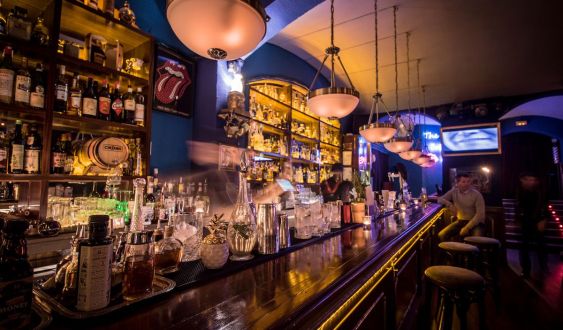
Well yes, five years have just passed since El Bar del Post first opened its doors and, from The New Barcelona Post, they ask me to take stock of this half-decade in which, week after week, regulars from many areas of the cultural world have talked about life, their work, their fears and appetites and, also, their relationship with Barcelona.
Women and men, young and not so young, more or less known and recognized; some famous and others (the majority) not. However, all of them, Barcelonians —by birth or adoption— who, with their talent, with their tenacity, with their ideas and effort, contribute something special and different to our urban cultural fabric. Sometimes they have passed through the Bar leaning on some current hook —a new initiative, a new book or record or exhibition—, other times, simply, they have leaned on the bar to talk about their journey.
The objective of the section, in any case, has always been the same: to highlight all that work, all that creativity that, more than any other strategy conceived in some office, shapes the soul of the city. Its sound, literary, lyrical and plastic substrate. Barcelona as a set of ideas and voices, of sounds and brushstrokes, of agreements and disagreements, sometimes shouted, sometimes whispered or suggested. The city as something more than a brand, a slogan that gentlemen with ugly ties and libraries stuffed with manuals for executives repeat from infamous places with very large logos and soulless decoration.
Barcelona at the bar, a place where we are all equal and at the same time unique before a steaming carajillo, a matcha tea, a portion of bravas or a Dry Martini. The same formica bar and the same tables for everyone. And, from there, the life and miracles of each one.
And, before they ask me, no, I haven't counted them and I'm not going to count them. If you want figures, calculate them yourselves: one weekly interview for five years, excluding the month of August. I'm lazy and, besides, this text is not about numbers, it doesn't pretend to be a statistic. Not even to see which have been the most read or to remember the most commented. None of that.
Living the Great Barcelona
The balance that is intended to be drawn is another, and it is to confirm how, after these years, the section continues to work for many readers who discover (or rediscover) extraordinary voices. More or less hidden talents that could make you fall in love with their next song, book, poem, painting, drawing… sources of knowledge that provide new visions, shed new light on our perception of the city —and its metropolitan area— that we share with more or less pride, fear, hope, or disgust.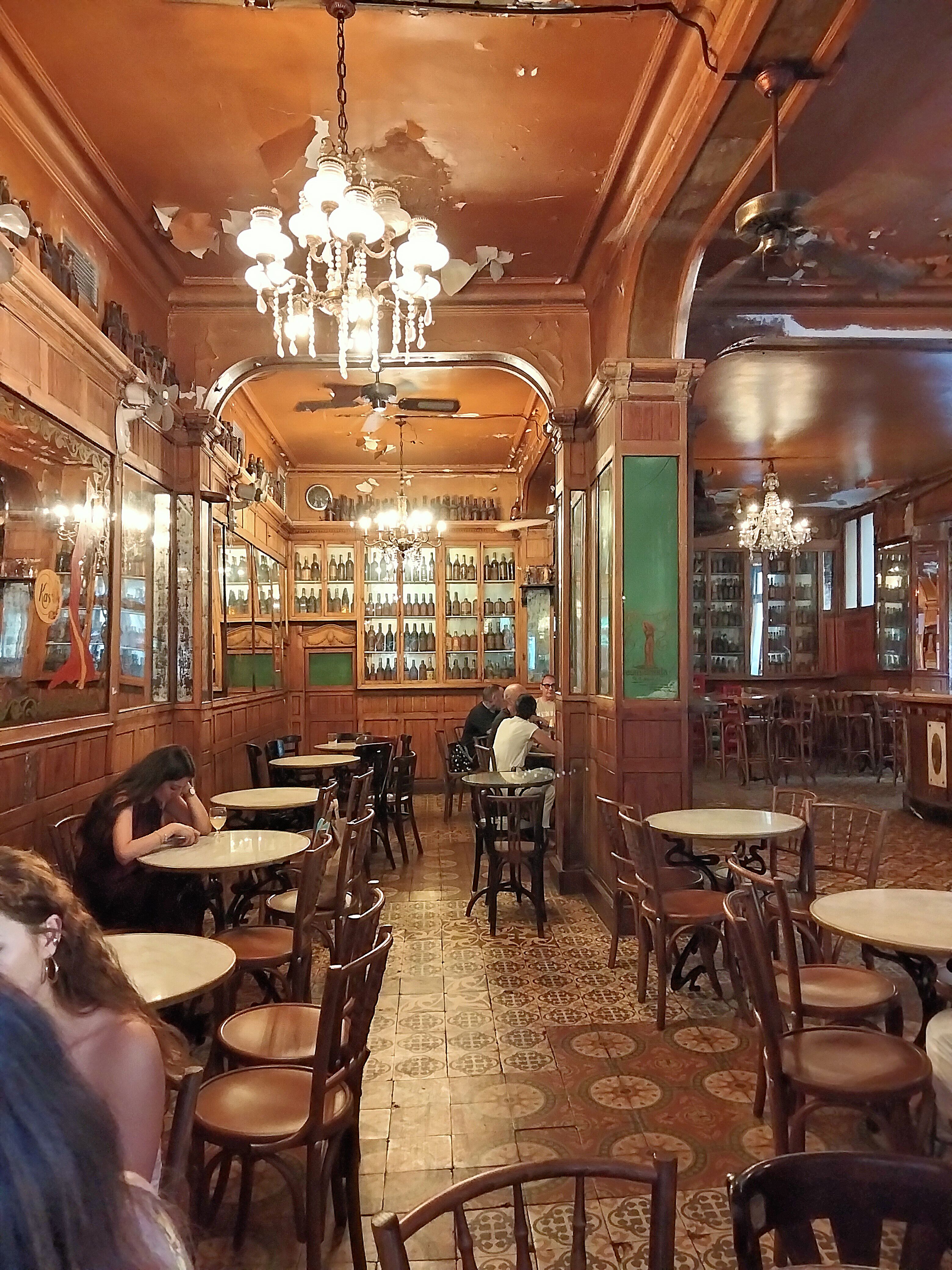
All the Barcelonas that fit into a Bar, amidst the clatter of plates, glasses, the coffee maker releasing steam, the hustle and bustle of the kitchen, voices, and the background music that accompanies it all. From early morning until well into the night. From the aroma of coffees that start the day to ice cubes clinking in the glass of the penultimate gin and tonic.
"There are those who prefer to travel a lot, but always have their neighborhood or town to return to. Their home, their refuge, their burrow."Through El Bar del Post have passed Barcelona residents who want to flee a city they don't recognize. Others, however, prefer to resist and not lay down their arms before the hordes of tourists and expats. There are those who live the city from its margins, from a province that is also Barcelona, that also contributes and fertilizes this intellectual territory with thousands of exciting proposals. The Great Barcelona lived on the front line of a bar.
There are those who don't consider living anywhere else. There are those who prefer to travel a lot, but always have their neighborhood or town to return to. Their home, their refuge, their burrow. The landscape and people that embrace you and that, no matter how many kilometers you travel, you couldn't find anywhere else on earth. The idea of the city as a sum of neighborhoods is common, each with its character, its idiosyncrasy, small universes interconnected by streets and a public transport network. Who said that the soul of a place should be uniform and homogeneous?
But (almost) never indifference
The vast majority still love the character of the city. Its tumultuous and rich history. Its tendency to bite the hands that feed it. Its port decadence, its bourgeois splendor, its proletarian belligerence. Others, many, many, want to dig into its past, know the layers of its history and overcome a memory sometimes too selective, capable of covering up or distorting events, characters and episodes of great transcendence."Practically everyone mourns the disappearance of authentic local spots in favor of franchises and businesses designed for the low-demand tourist."There has been no shortage of historians and experts in delving into our urban past who have reclaimed inexplicably unpublished Barcelonas, who have made us remember what we were about to forget forever.Honorable exceptions aside, the patrons of the section have been very critical of the city's powers. Love-hate is, perhaps, the most repeated concept when they have spoken of their relationship with Barcelona, which is, in itself, a very Barcelonian attitude. Almost all lament the disappearance of autochthonous corners in favor of franchises and businesses designed for the undemanding tourist. The idea of a city that blurs and becomes a backdrop to walk through and consume in a few days. A problem that they recognize not only shakes our city, but is global, but which all identify as difficult to solve.
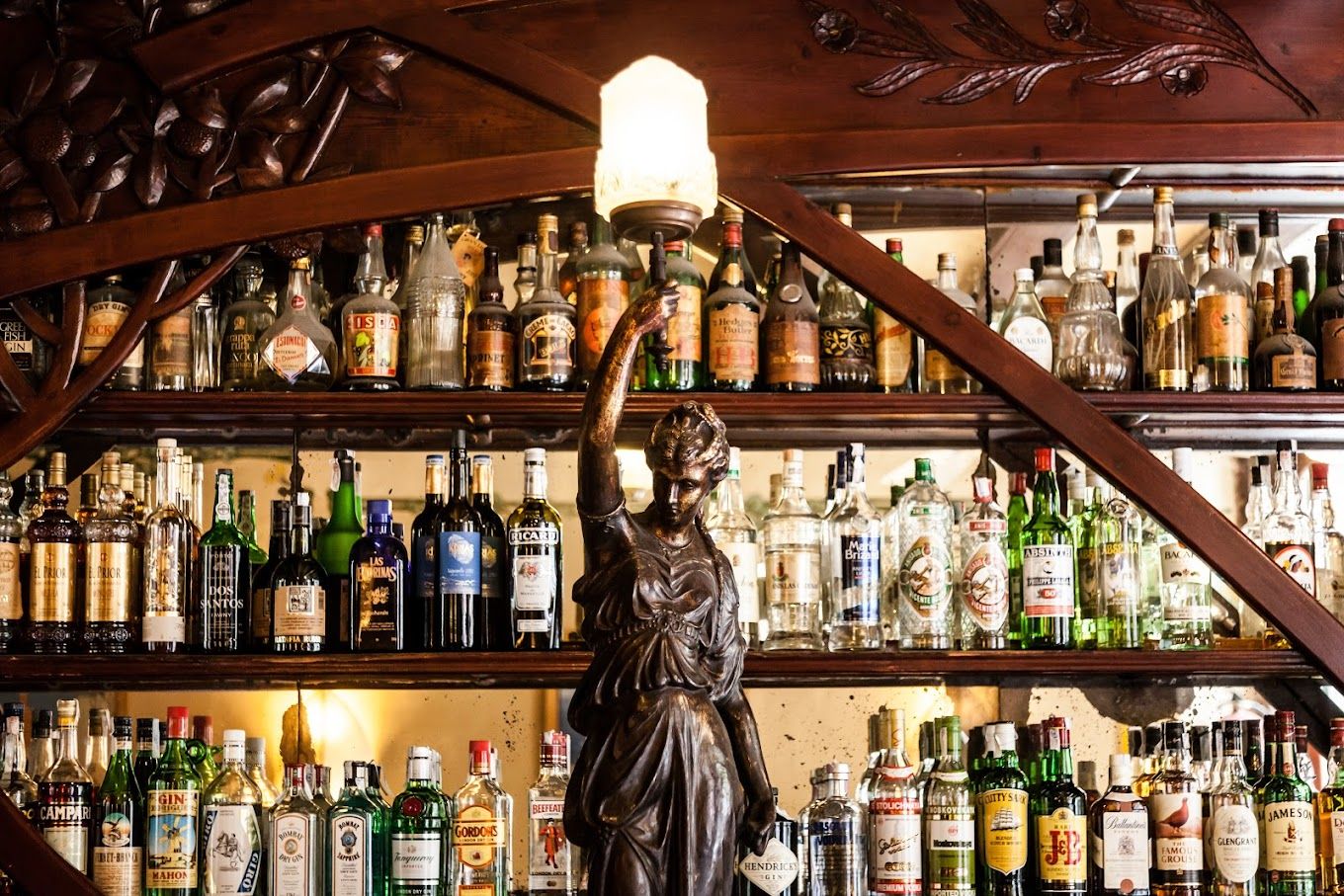
Casa Almirall opened in 1860 and, since then, has never stopped serving drinks Naturally, the youngest do not have the same nostalgia as the older ones. For them, the city is an entity they are still discovering. A mysterious and magnetic place full of secrets to unveil, ideas to absorb, and dangers to dodge. Their eyes will have time to fill with tears for the places that are no longer there. For now, everything is appetite and exploration.
However, and except in one or two cases, when the city has been discussed, the patrons of the Bar have expressed love, hate, affection, unease, excitement. A wide range of emotions and feelings, but never (or almost never) indifference. Never (or almost never) the idea of living in this city as one could be living in any other.
The Bar remains open
You will have noticed that, throughout this text, none of the hundreds of visitors who, over the course of this five-year period, have leaned against the bar of the Bar del Post have been quoted. Quoting some and omitting others would be unfair and would kill the spirit of the section. Its egalitarian idea according to which we are all on the same level before a coffee, a beer or a plate of tripe.I invite you to discover all these people who make this city a better place, a unique and untransferable place. Look into the past of this section and follow it every weekend, because the Bar is still open, with the coffee machine ready, the fridges full, and the kitchen running at full speed. The bar polished and the tables ready to continue welcoming Barcelonians eager to have a drink and talk about their lives, their work. About all the human and divine that fits into a good conversation at the bar.
Add The New Barcelona Post as your preferred Google source for free
Stay informed with the latest news.