It was after more than 15 months of inactivity. The arrival of the MSC Grandiosa on June 26 marked the return of cruises to the Port of Barcelona, a leader in the sector in Europe and the fourth most important port in the world in this industry, only surpassed by three American ports: Miami, Fort Lauderdale, and Port Canaveral, homeports for different shipping companies for their cruises to the Caribbean and the Bahamas area.
Since then, MSC Cruises has resumed regular operations with two ships, as have Costa Cruises with its Costa Smeralda and TUI Cruises with the Mein Schiff 2. The German Aida has also returned with two vessels, the Aida Perla and Aida Stella, and Royal Caribbean has done so with its enormous Harmony Of The Seas. Practically all have returned with weekly calls, which has brought life back to the passenger terminals of the attached pier, next to the breakwater.
Luxury also returns
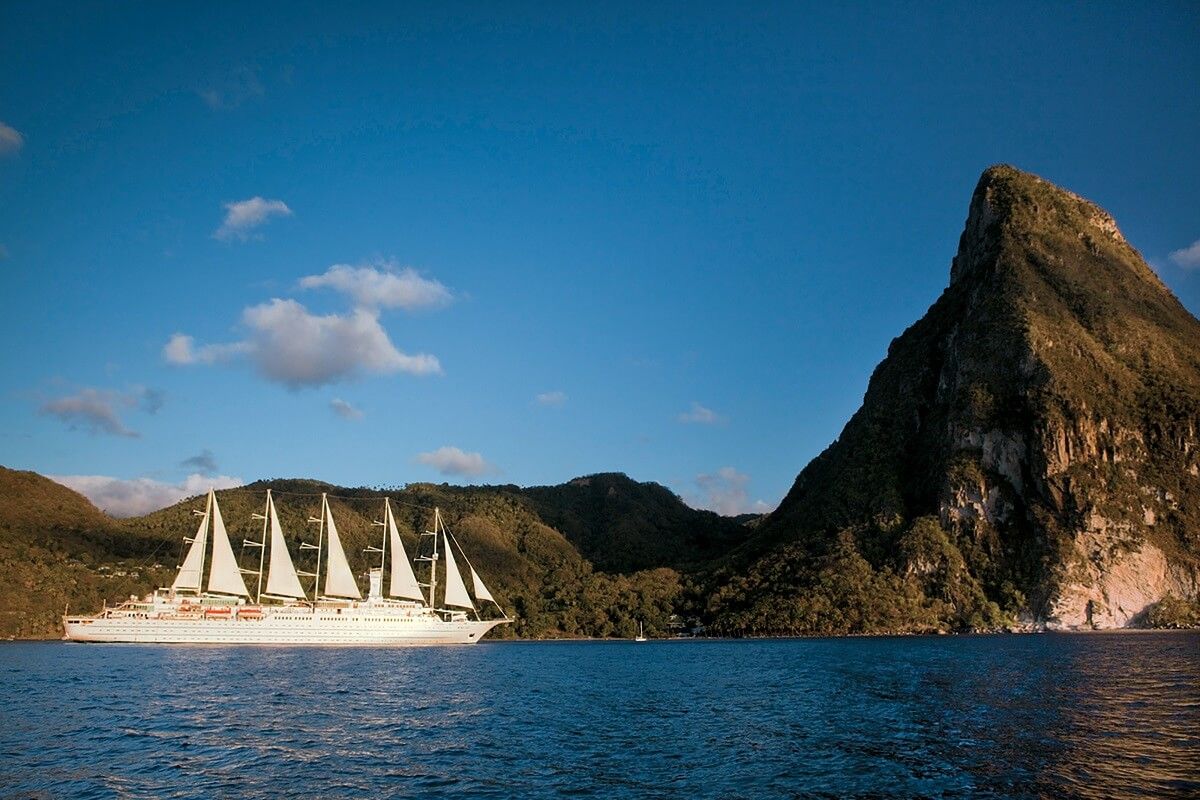
One of the passenger ships that has attracted the most attention this August in the port has been the Wind Surf, a 187-meter long motor-sailer that spent four days in Barcelona to kick off its Mediterranean cruise season after more than a year of停滞. The ship's five large masts towered over the south building of the World Trade Center all these days, being widely photographed from the ferries entering and leaving the Sant Bertran dock, from the WTC terraces, or from the Porta d'Europa bridge.
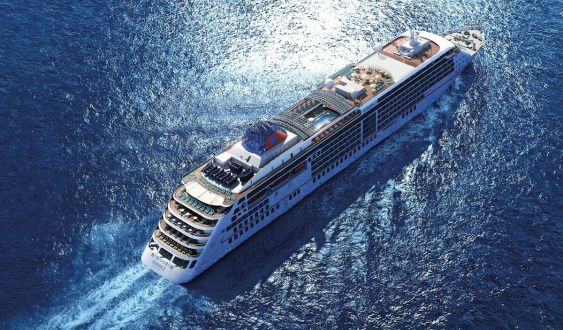
A few days later, on August 17, the Europa 2 arrived, which in normal circumstances is expensive to see in Barcelona, because unlike the large ships that make week-long cruises, this Hapag Lloyd Cruises ship continuously travels all over the world offering luxury cruises, trips that usually last more than a week, rarely repeat the same ports or itinerary in the same month or even the same season, as its key is to offer originality in itineraries, variety in visited ports, and exclusivity on board.
The keys to high-end cruises
Historically, cruises have been associated with luxury. It is not uncommon to see general media define the visit of a tourist ship to a port as "a luxury cruise stop." This is not always the case. As a similar example, we have the hotel industry, where not only the stars, but also the brands of the same group indicate the quality or services that can be found in each establishment. The experience in an Ibis is not the same as in a Sofitel or a Raffles, even though all three are called hotels and, furthermore, are within the same group: Accor.
In the cruise industry, something similar to the hotel industry happens: shipping companies specialize in specific segments ranging from standard categories to superior, luxury, or super-luxury. The latter play in the realm of exclusivity, and this implies sailing on ships with low passenger capacity, which does not necessarily mean they are small vessels.
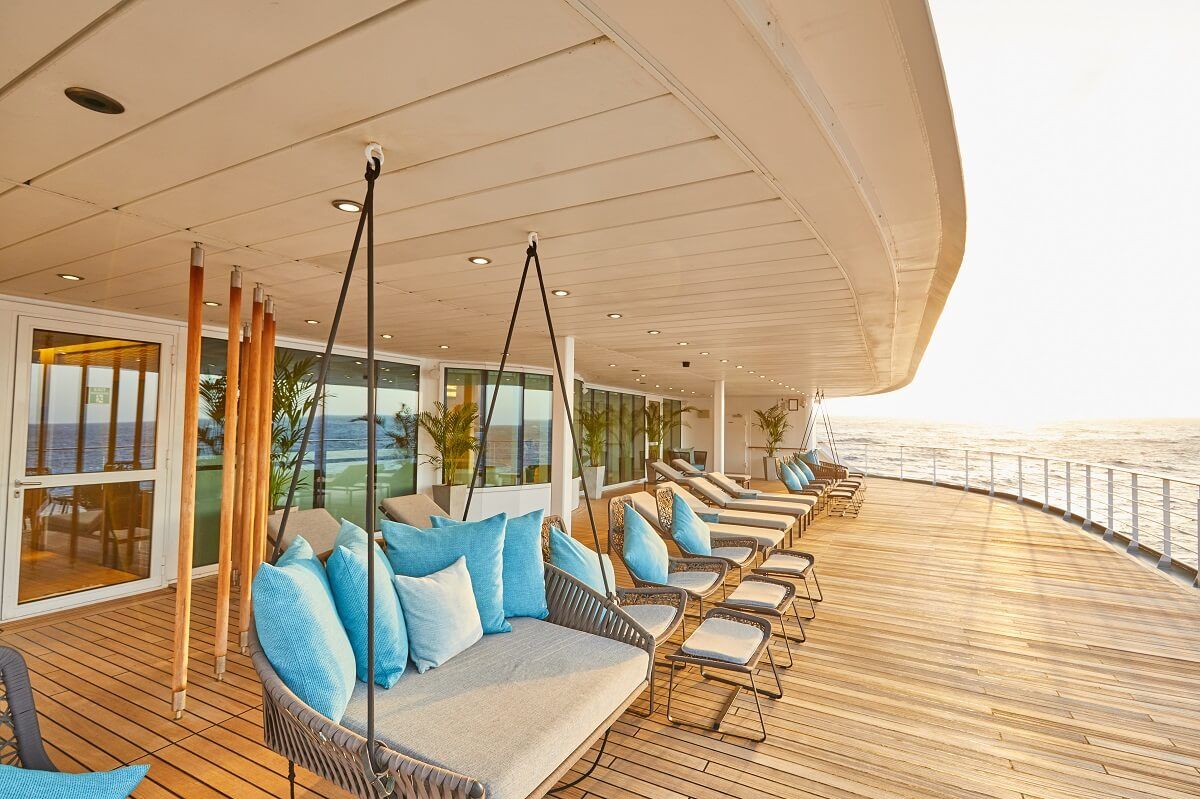
An example is the Wind Surf, which passed through Barcelona at the beginning of August and is scheduled to return in November. It can carry a maximum of 342 travelers attended by 214 crew members. This figure is notable and one of the keys of these shipping companies. It is understood that, the closer the 1-1 ratio between passengers and crew, the higher the category of the ship. In the case of Europa 2, it can carry a maximum of 500 cruise passengers attended by almost 400 professionals, which implies impeccable service.
Apart from the number of passengers and crew, another key that defines luxury cruises is the available space per traveler in square meters: the feeling of space on decks and common areas, privacy, or the availability of larger cabins and suites than on other ships. These examples are another of the basic keys that define these companies, while shipping companies in other categories usually sail with larger ships and capacities. This does not directly imply a drop in quality, but rather it is directly another type of product and also price per trip, since in these cases economies of scale prevail, allowing more affordable tickets for a vacation at sea, while in luxury cruises high prices are paid for traveling on exclusive vessels.

Those that came and those that will come
In this more than atypical 2021, in which requests for calls have varied by the week, the Port of Barcelona has already received 21 requests from six luxury cruise lines for 11 ships from this summer until mid-November. Hapag Lloyd Cruises foresees two visits with the Europa 2. Windstar Cruises has five requests for three ships in its fleet. Silversea has made three requests for two vessels, an identical number to Regent Seven Seas Cruises: it currently foresees three calls for two of its ships. For its part, Oceania Cruises has scheduled five calls with two different ships between October and November, and Viking Cruises expects one of its cruises to make a three-day call in Barcelona at the beginning of November.
Who is who?
The shipping companies expected in the coming weeks are not all the luxury ones on the market, although they do represent a good sample of this specific sector. Windstar is a Seattle-based shipping company that was founded in the mid-80s with the intention of sailing only with large motor-sailers built in French shipyards: a special experience for passengers seeking tranquility and a travel philosophy where the sea (although it may seem untrue, this does not happen on all cruises) is the center of the journey. Currently, it has a fleet of three motor-sailers and three motor-boutique cruises, incorporated in recent years to gain more market share.
Hapag Lloyd Cruises is one of the highest-cache companies on the market. A subsidiary of Hapag-Lloyd, the enormous German holding company focused on transport, this division has four ships: two ocean-going vessels that are continuously sailing to all ports in the world and two so-called expedition ships, which never carry more than 230 travelers, specializing in voyages to uncrowded or rarely sailed places in all corners of the planet.
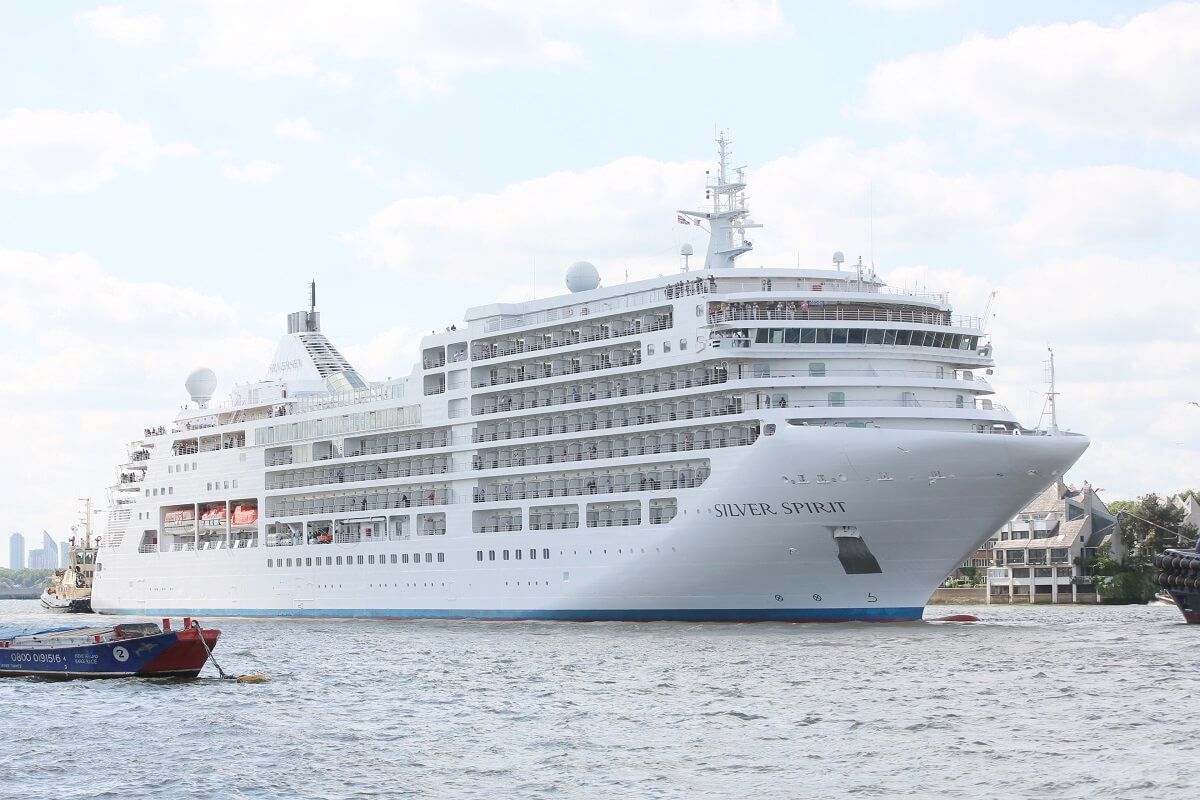
Silversea, founded in the mid-90s, is another of the highly prestigious companies in the sector. One of its founders defined its model with a phrase: "Our ships are large, navigable, and comfortable enough to cross the ocean, and at the same time small enough to do the things you want a small luxury ship to do, like reaching small islands where large ships cannot or navigating rivers like the Amazon or the Thames." A symbol of exclusivity and luxury at sea due to its gastronomy, onboard service, chosen ports and anchorages, or style in its decoration, this Italian-Monegasque shipping company, which now has nine ships, has belonged since 2018 to the Royal Caribbean Group holding, along with Celebrity Cruises and Royal Caribbean International.
Regent Seven Seas and Oceania Cruises are sister companies that depend on Norwegian Cruise Line Holdings, also owner of NCL, a shipping company that also plans its return to Barcelona in October. Regent is one of the top companies in this segment: medium-sized ships where 100% of the cabins are considered exterior suites with private terraces and absolutely everything is included in the ticket price, even shore excursions. Oceania is very similar in terms of service and aesthetics of its ships, and emphasizes gastronomy as its strongest point. Its tickets are somewhat more economical than its sister company within a high price range and, since its founding almost two decades ago, it has been very loyal to Barcelona both as a port of call and especially for the start and end of many cruises, and even one of its six ships, the Riviera, was christened on May 11, 2012, at the attached pier.
Viking Cruises is another of the companies loyal to Barcelona since its inception. Specifically, its ocean cruise division is, as the bulk of its business is river trips with more than 80 ships sailing on the Danube, the Rhine, French rivers, Portugal, Russia, Ukraine, the United States, Egypt, or Vietnam. The ships that sail the seas of half the world are eight, carrying a maximum of 930 passengers, with a philosophy focused on tranquil luxury and long stops to delve into the places visited.
Welcome to Barcelona
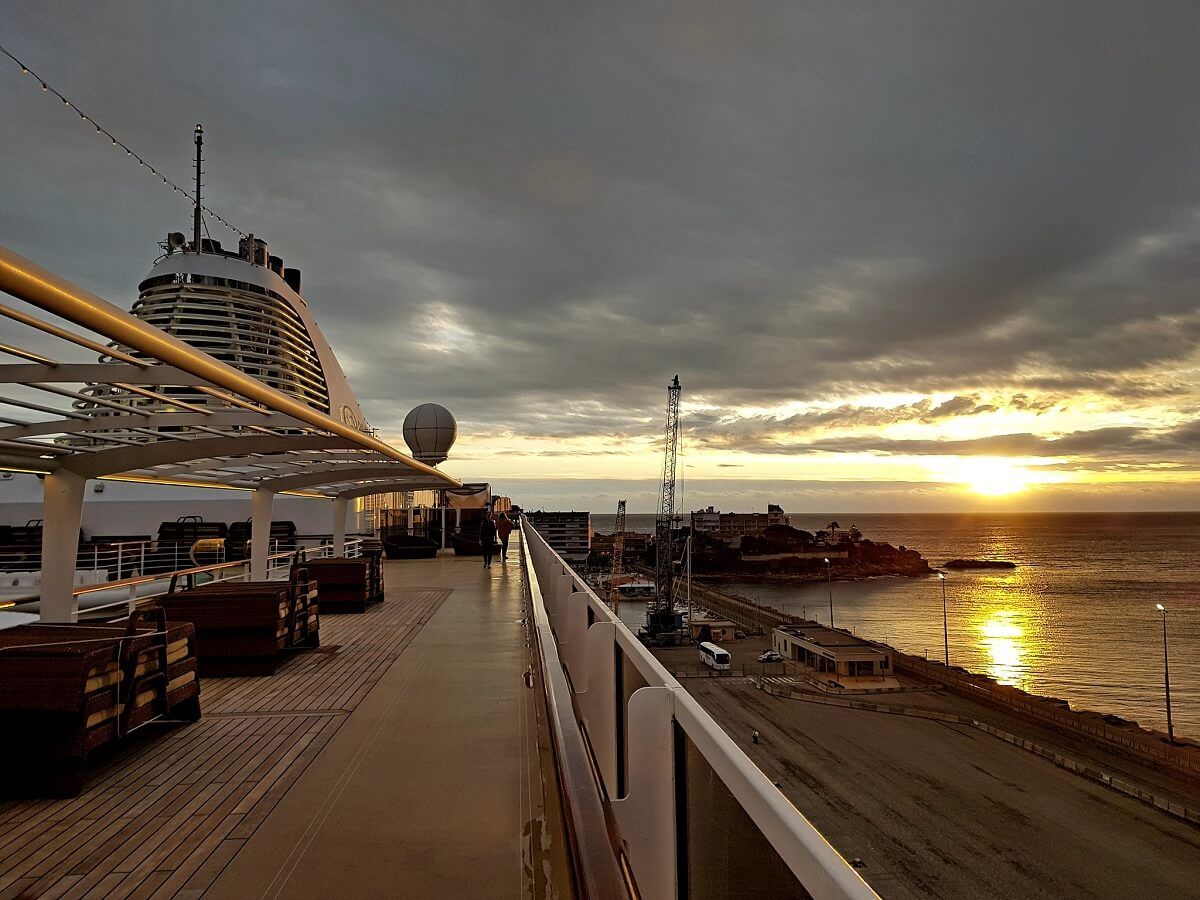
If the cruise sector is a boost for the city's economy, due to issues such as hotel stays, passengers at airports, which in many cases are intercontinental, or complementary activities; the arrival of luxury ships also adds a plus to all of the above: Barcelona's perception among this client profile influences its environment, including shipping companies. What they see they will transmit, becoming prescribers of the city (or not) or of those cruises that pass through the port, which must continue to bet on this type of companies that always want the best and the closest to urban centers. For this reason, several shipping companies and consignees are concerned that even the smallest cruises are taken to the attached pier along with the large resort-ships that, due to their size, must necessarily dock at the large terminals. In the details, big and small, such as the docking point and the way to get to or from the luxury ship, lies also the success and loyalty of these highly sought-after shipping companies.
Add The New Barcelona Post as your preferred Google source for free
Stay informed with the latest news.