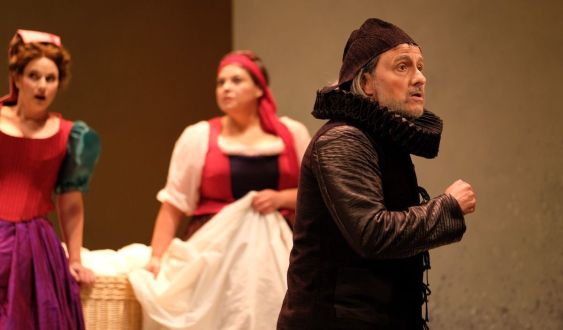
Being born into a home where music is appreciated as a life companion facilitated the path of four siblings who ended up dedicating themselves to music. Their father had studied violin and was the treasurer of the concert association of the Fortuny Theater in Reus. He went to all the scheduled concerts and wanted all his children to study music. Jordi Casanova i Barberà is the youngest of those four siblings and chose to learn to play the violin. His older sister studied solfège and singing at the conservatory, the second studied piano, and the third, guitar and violin.
But his fifth year of violin did not go well for him. "I had a horrible exam. I shouldn't have done it, because it was very difficult and I wasn't prepared enough," he recalls. But that served for his older sister to tell him, why not try singing. And then Jordi auditioned for the Conservatorio Superior de Música de Barcelona, before the professor Myriam Alió Francheri, granddaughter of the Catalan musician and composer, Francesc Alió.
He was accepted and, almost without realizing it, and very soon, he found himself on stage performing solo concerts or accompanying choirs that requested soloists. "I am an accidental singer," he says now remembering it. But then he just let life guide him. At twenty or twenty-one years old, he was not too aware of everything that what he was doing meant. He did realize, however, that "he had a certain facility for singing and, above all, that he was in good hands. Both Myriam Alió and her husband, the Barcelona composer and pianist Manuel García Morante, were like second parents to me. I will be eternally grateful to them," he says.
Jordi combined music with his studies in Art History, specializing in Musicology. And he completed several courses in music pedagogy because he was already thinking about the option of becoming a teacher. The opportunity to make it a reality arose at the Universitat Ramon Llull Blanquerna, where he taught music in the Education degree. And he was only twenty-four years old. "It was a challenge to teach music to teachers," he recalls. They created the specialty of music specialist teacher for early childhood and primary education. "Making people sing, with polyphony, canons, reading music very rudimentarily, people who had no musical training was very beautiful," he recalls.
In parallel, he sang, and was building his family, with three children who, without any premise from their parents, embraced music to make a professional path or to combine it with other dedications. Miquel is a jazz double bassist and is studying a master's degree in jazz in Basel. Joana is a pharmacist, but also a flutist and trumpeter and plays in three groups. And Ferran plays the clarinet and saxophone and is one of the musicians who these days, and until February 15, takes the stage at the Teatre Romea with the show L'amor venia amb taxi by La Cubana, in which he plays and acts.
Jordi knows it well: "When the music virus is inoculated in you, there is no vaccine that cures it." His father's fondness for this art that awakens and moves souls, permeated him and his siblings, his children and all his nephews and nieces as well. "We have been lucky because, without forcing them, our children have even performed at the Liceu," says Jordi.
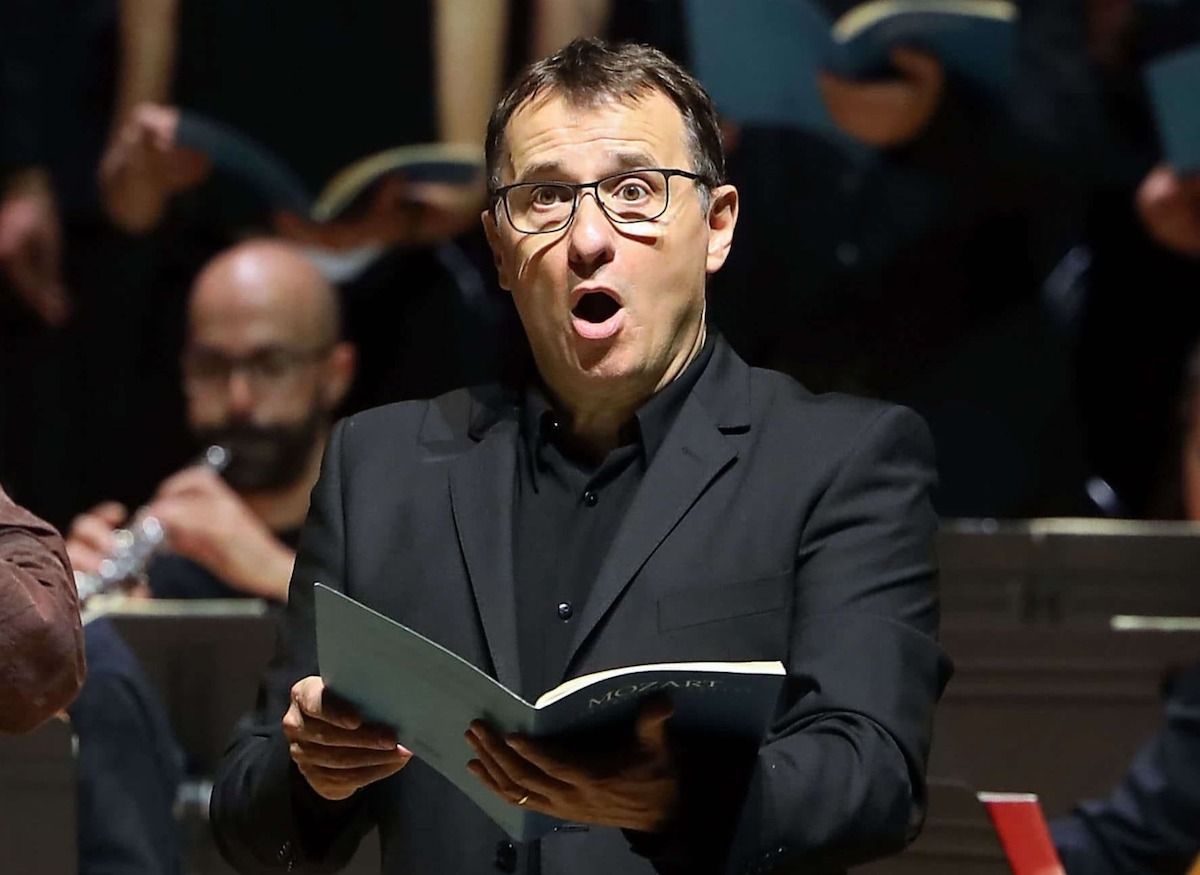
Music in life
Singing has led him to discover the world of the stage, to realize that, in an opera house, there are a lot of professionals working, "about fifteen stagehands who make the scene changes that they previously have to rehearse. It's incredible the machinery behind it all to make everything run smoothly," he explains.In the choral society Amics de la Unió de Granollers, he has also taught singing classes. The choirs of this entity are internationally acclaimed. He already knows quite well what tours are, but, as they often took him away from his family, for a time he took a break from concerts abroad, and became an insurance salesman to be able to combine his teaching activity with a professional plan B.
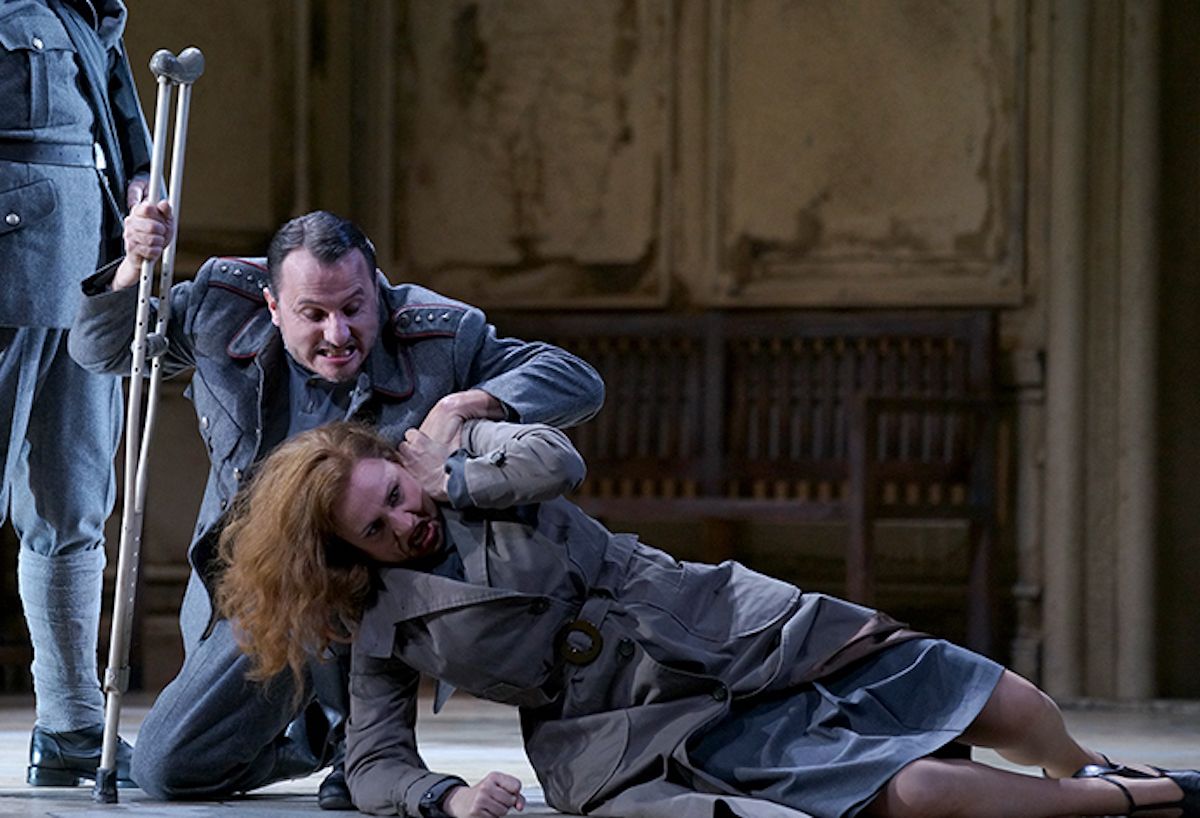
Until, at a wedding, he met tenor Eduard Jiménez, who made him reconsider dedicating himself to singing, again, in depth. And he did. He requested a leave of absence from Ramon Llull and never returned. He did many performances at the Liceu with children's productions such as The Little Magic Flute, The Barber of Seville, or Cinderella.
And with the director of the Amics de la Unió in Granollers, Josep Vila, they created the opera classroom. "It started first with small groups, a trio, a quartet, and we created an opera miscellany in which I acted as stage director and singing teacher, and we did one concert per semester and one at the end of the course. Until we put on an entire opera, The Fairy Queen, with the orchestra of the College of Physicians, Ars Médica, where my current wife, Cristina Claret, who is an endocrinologist, plays the violin," he explains. Until the pandemic, The Marriage of Figaro, Fledermaus ---Strauss's bat translated into Catalan--- and many other operas occupied a good part of Casanova's time dedicated to music.
And meanwhile, he was closing insurance contracts. "I could dedicate as much time as I wanted to it, and over time, my plan B was increasingly becoming plan A, because I didn't want to travel everywhere non-stop, and also because, by law of life, young singers also want to sing and they have to be given space."
Now he continues giving lyrical singing classes at the Academia Barcelona Concertante, on Rosari street in Sarriá. In his classes, he helps modulate the voice of students who, like him, have been attracted to singing. "Amateur and hobbyist students are the ones who teach me to be a better teacher, because you have to find resources for them. To teach singing, you have to tailor a suit, physically, energetically, at the level of perception. The mechanical work is a fascinating job and it's very beautiful to see people's progress and how students create their own motivation from that progress."
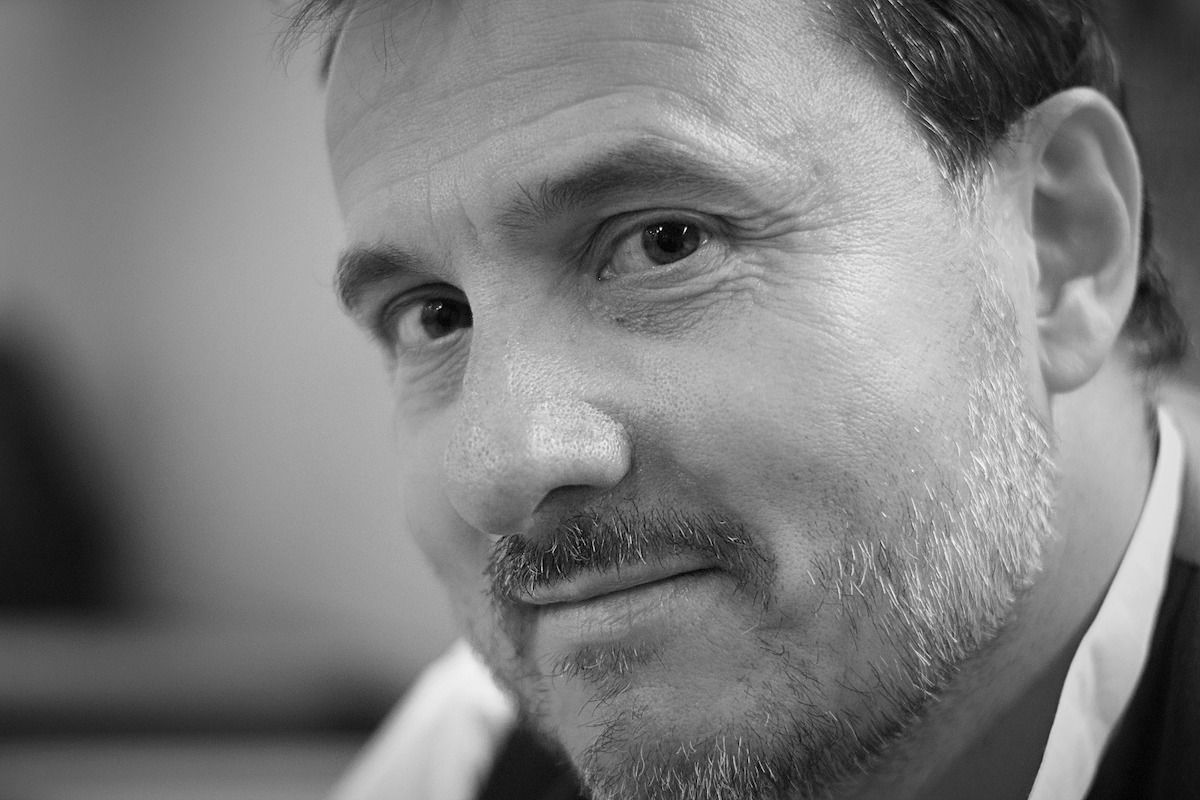
Jordi explains that "when you learn to sing, you are the instrument. You face your biology and your way of being, your fears and doubts. That's why someone very controlling is very complicated as a singing student; you have to make fantasies, control that they let go. You are fighting with that person's way of being, and that is why singing is such a profoundly transformative discipline. Sometimes you have to play a symbolic game, put yourself in someone else's shoes; that's why doing theater is so good, it allows you to do things that you yourself don't usually allow yourself to do."
"There can be a good pianist or other instruments, but when someone sings, I don't know if it's because you yourself are the instrument, you vibrate. The voice has a power that no other instrument has.""I don't know what is captivating about lyrical singing, but when you hear someone sing, it is captivating. There can be a good pianist or other instruments, but when someone sings, I don't know if it's because you yourself are the instrument, you vibrate. The voice has a power that no other instrument has, it is a direct expression, there is no mediator, and you explain things. When you sing, you explain moods, memories, stories." Even ---he adds--- "when you explain something, like for example in Die schöne Müllerin ---a cycle of lieder by Franz Schubert---, which I sing in German, even though people have a summary of each song, they are enchanted, even if they don't understand anything. It's brutal."
At family gatherings, like those now for the holidays, there's always someone who asks him to sing a little and, "no matter how simple what I sing is, there are people who cry. The voice has a power to move that no other musical expression with an instrument has, and I still don't understand why."
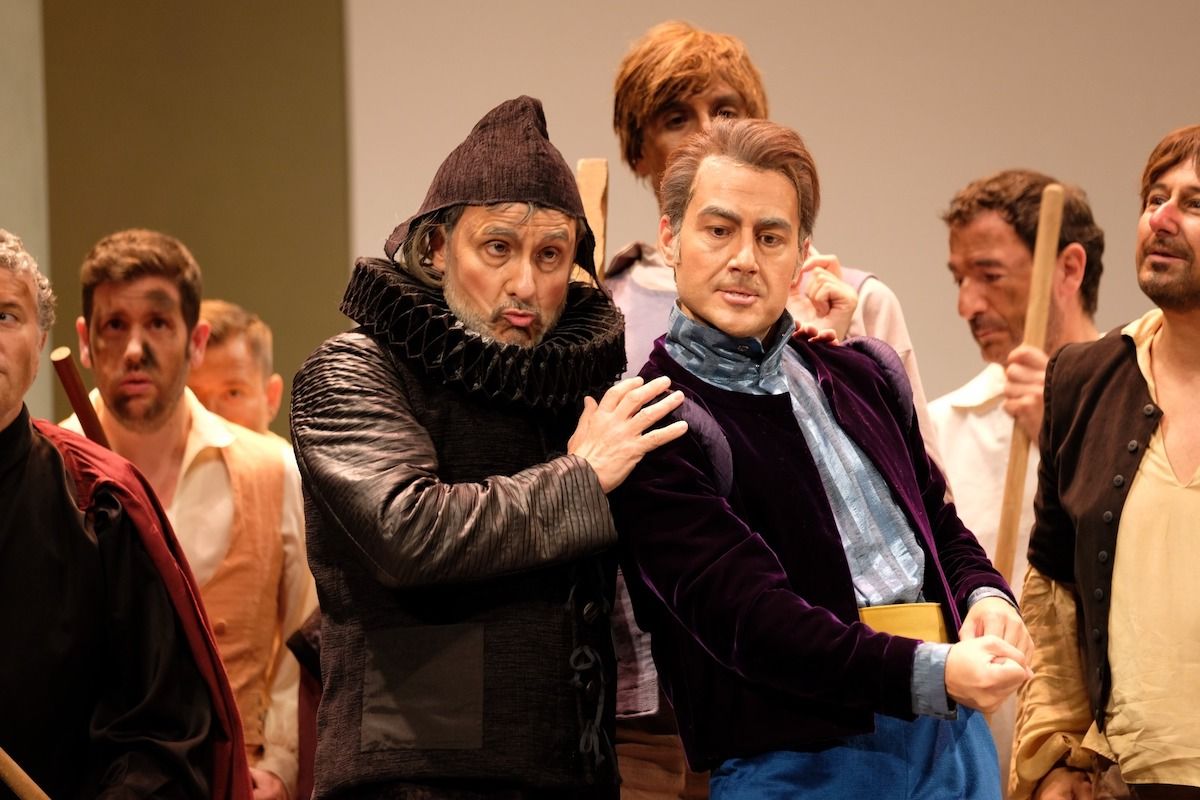
He has been able to build an entire career for which he feels very fortunate, "I have shared the stage with Plácido Domingo and Joan Pons, I have sung with Edita Gruberova, Joyce di Donato, Muñeca Stemme, Diana Damrau and Juan Diego Flórez. I have been directed by great, high-level directors who told you how to approach your character, and always with secondary roles, but I feel super privileged to have been able to do it. I know that to be able to do what I have done, there is a very long queue."
He put a lot of trust in it from the beginning. At the Liceu, for example, he went on his own initiative. "I knocked on the door, said I wanted to ask for an audition and they told me to prepare five arias, from which they would choose two. And so, without any representative, they already signed me to do a Traviata, playing the role of Giuseppe, who acts as a chamber assistant when they go to the countryside in the second act." Jordi's voice as a tenor has led him to master Italian and French, also German and English. "Italian is a lingua franca among opera singers, because we have all sung Verdi's repertoire," he comments.
"The further we move away from the humanities, the more insensitive we become to the problems around us, social problems, of people who have no home or those who must flee their country. The less sensitive we are in general, the less sensitive we are to the realities around us"And having her voice as one of her professional tools has also taught her to take care of it. "We must take special care, because a cold, which for any other person can be a mere formality, for us can be lethal, preventing us from singing. Rest is very important, not forcing the voice, especially when speaking, and taking very preventive care. One should try to avoid temperature changes, always carry a sweater for when you enter public transport in summer where it's freezing cold, and things like that."
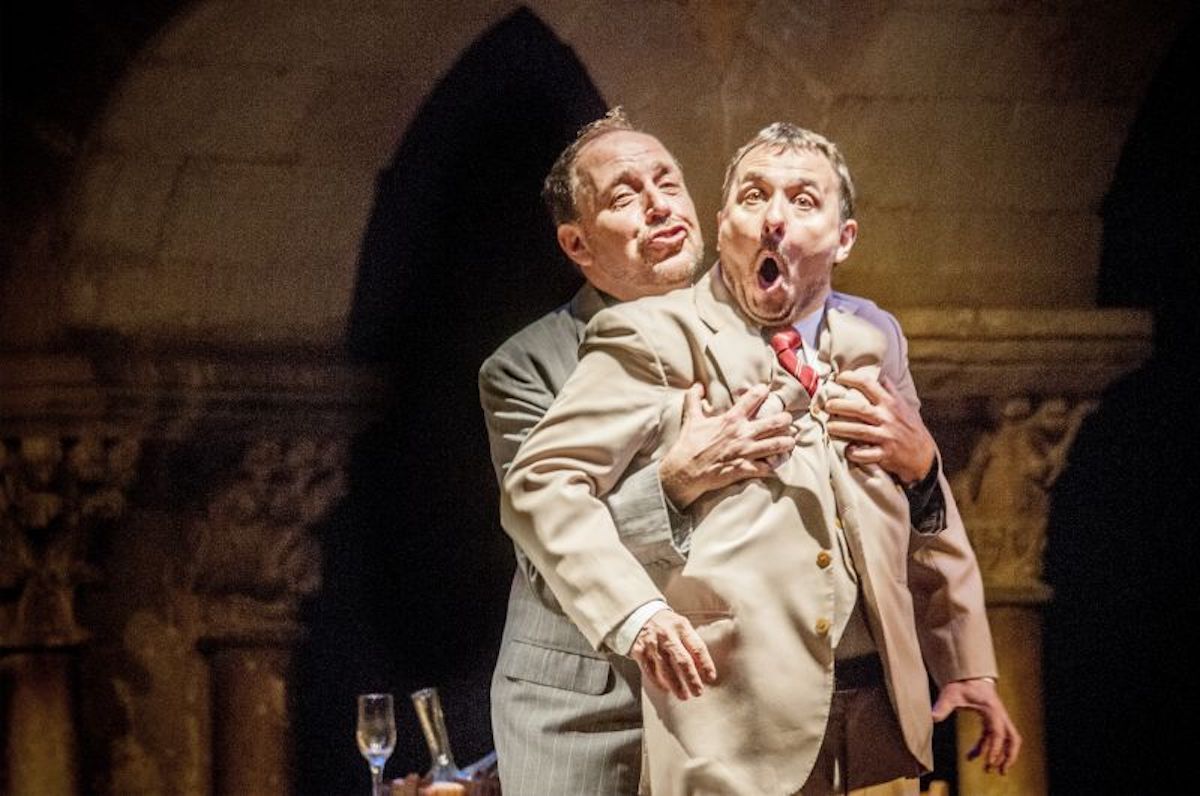
Almost at the end of his professional career, with this privileged voice intoning sounds that are a massage for the spirit, he reflects on what music has brought to his life. "All of us who dedicate ourselves to art, in some way this art has made us sensitive; and sensitivity also means empathy, knowing how to be with others." He even talks about how music has been able to influence the rest of the activities he does in life. "When I work with insurance, I can understand what other people feel, their needs and concerns, and thus try to make a more tailored product for them. Working with music and art makes you more sensitive to the world around us."
It is precisely for this reason that Casanova "strongly defends that education in arts and humanities continue to be done in schools, because this means that we are forming children and future adults sensitive to the world and to the difficulties and challenges we have as a society. The more we move away from the humanities, the more insensitive we become to the problems that surround us, social, of hunger, of need, of people who have no home, of people who have to flee their country, who flee from wars. The less sensitive we are in general, the less sensitive we are to the realities that surround us. It is for this reason that I so strongly defend education in the humanities, in the arts and in sensitivity."
Add The New Barcelona Post as your preferred Google source for free
Stay informed with the latest news.
