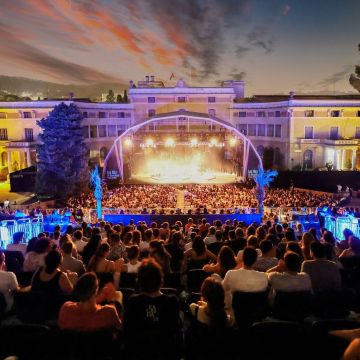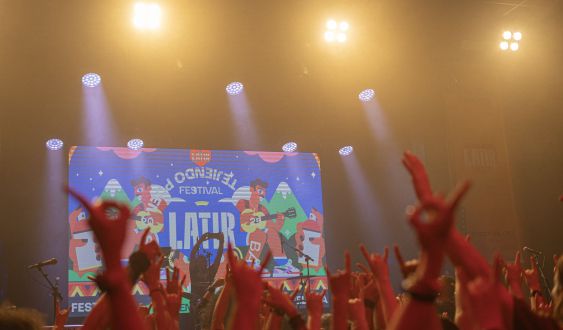
This Thursday, July 16, 2026, the fourth edition of the LATIR festival kicks off in Barcelona, an event that, this year, is 100% free and that for three days will create bridges of cultural connection between Europe and Latin America. This event takes place in different spaces such as Casa Amèrica Catalunya, Ca L'Alier and the Paral·lel 62 hall, and has a clear mission: to offer a showcase of the musical and creative trends brewing on the other side of the ocean.
LATIR 2026 Program
This year's proposal is divided into three differentiated days with activities ranging from professional reflection and musical discovery to a great collective celebration. Thursday, July 16, is the inauguration at Casa Amèrica Catalunya, an opening day (from 7:00 p.m. to 9:00 p.m.) that will feature the professional talk "The Voices of Vinyes." This is a round table that will analyze the sustainability and projection of Latin American music in Europe.
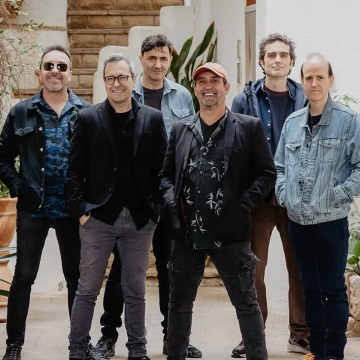
The debate will feature speakers of the caliber of Isabel Villanueva (director of BIME), researcher Manel González and Jordi Cubino (producer and musical director of Eufòria on 3Cat). Afterwards, there will be a concert by Zumbao, a Colombian group that will present its proposal of "joropo and progressive folklore," music that crosses the llanera tradition with the freedom of avant-garde jazz.
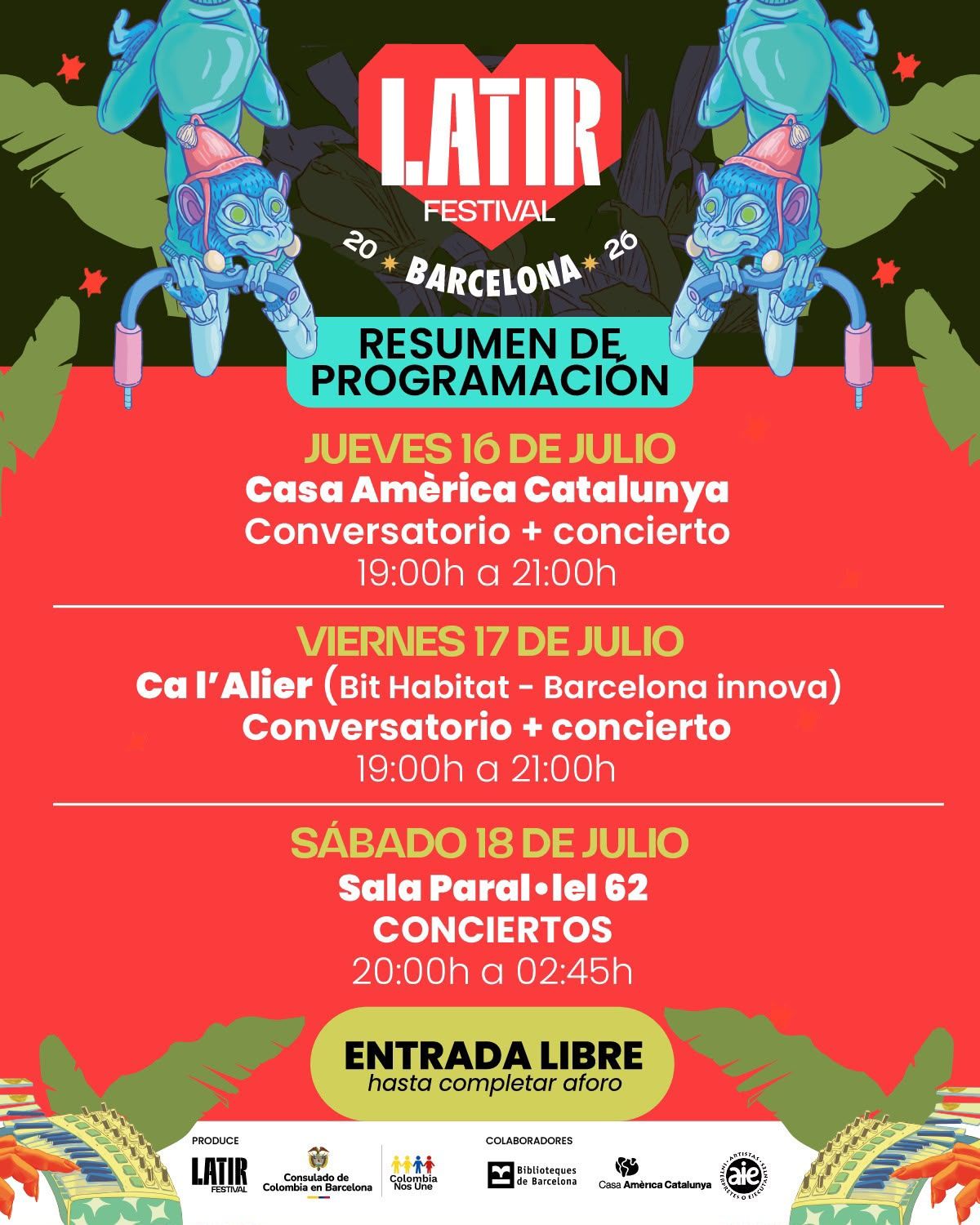
On Friday, July 17, the talk "Where do stories come from?" will be organized, an encounter that will unite live illustration, oral narration and music to reflect on how stories travel across borders. Creators such as Heitor Corrêa, the Catalan illustrator Serena, Aldo Zolev, Ela Rincón, Pablo Larraguibel, Li Morenita and Adolfo Córdoba will participate.
Saturday, July 18 will be the grand musical closing at Sala Paral·lel 62 with a night dedicated to dance, experimentation and miscegenation. An evening that will feature live performances by Ácido Pantera, María Mulata, Meli Perea, Juandas, Super Simio, Los Migrañas and mixes by the collective DJ RUD4.
Behind the festival: The will to connect two worlds
Behind the festival lies the diagnosis of the difficulties artists face in crossing the Atlantic. David Hernández Salazar, co-founder of LATIR, details how saturation and the lack of communicative channels in a cultural city like Barcelona motivated the birth of the project: "There were many projects in circulation, on international Latin American tours —many of them Colombian— that could be bands with a lot of trajectory in their origin and would arrive in Barcelona to play for ten people. There was no loudspeaker. And if you manage to build one, there is so much on offer in Barcelona every day that it is very difficult for it to be heard. There is a lack of a direct communication structure and a clear showcase for contemporary Latin American culture."
There is a lack of a direct communication structure and a clear showcase for contemporary Latin American culture.
This imbalance has been aggravated by what Hernández Salazar calls "the mirage of networks," meaning that apparent digital popularity rarely translates into physical ticket sales in concert halls: "There is a huge oversupply and converting is very difficult no matter how many million likes you have. Networks sometimes function as a mirage; you think 'I'm going to rock it' and then you get to the event and say, what happened?"
Given this reality, LATIR acts as a real support and a point of assistance along the way. It not only offers the stage, but also accompanies them throughout the journey so that crossing the pond is not an impossible mission. The organization extends official invitation letters to facilitate access to government mobility aid and promotes an "alternative Latin American programming cartography in Europe," forging alliances with other European venues and promoters so that bands can undertake multi-week tours.
Beyond the cumbia cliché
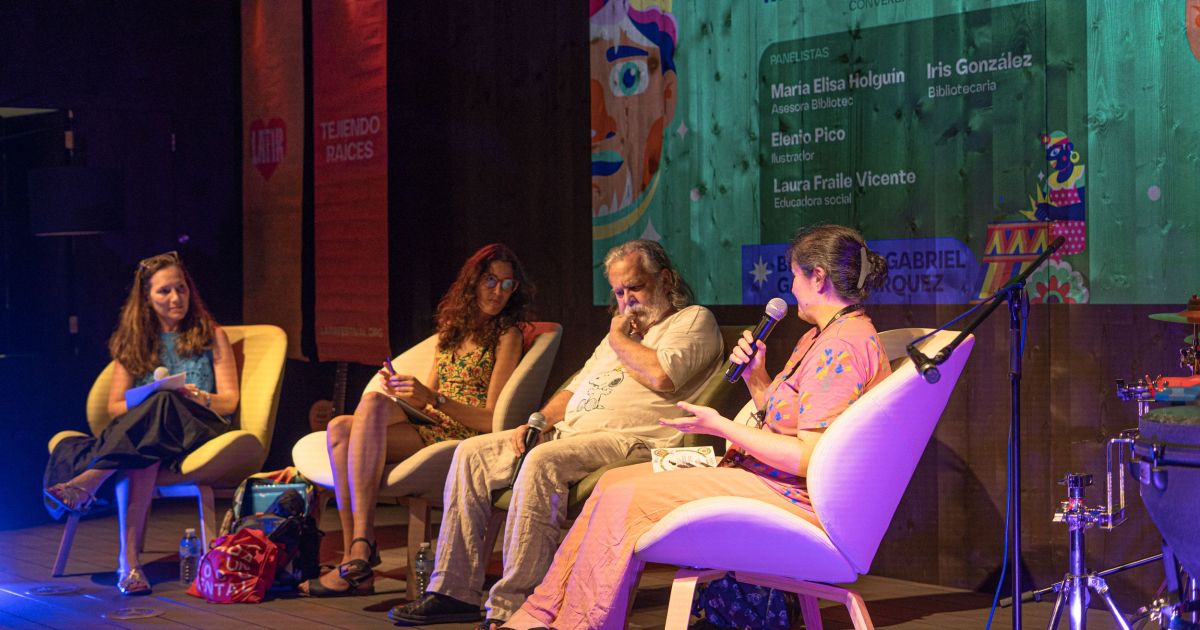
As David Hernández Salazar explains, when looking at Latin America from a general European perspective, one often falls into the simplification of reducing all its music to cumbia or folklore. From LATIR, they want to break with that label to demonstrate the immense variety of musical maps in the region. For the co-founder of the festival, this cultural reductionism is as absurd as if abroad one were to try to summarize all Spanish culture with the image of a bullring.
This perception of musical genres also conditions the creators themselves. Hernández Salazar points out that "even the artist from the region sometimes thinks that by doing folklore they will make it big in Europe, and that's not really the case. It's a process of building an identity as a project, and within that there can be folklore, but you don't necessarily have to do it to generate a solid project." That is why LATIR's artistic selection does not fear experimentation or extreme sounds. In fact, in previous editions, the festival has hosted proposals of heavy metal or punk from bands with decades of experience such as Masacre or I.R.A.
It is a process of building an identity as a project, and within that there can be folklore, but not necessarily.
More than 1,000 proposals for a single lineup
To put together this edition's lineup, the festival team had to carry out a meticulous selection process among 400 bands registered in Barcelona and 750 in the Bogotá call. "We try to do that filtering to look for bands that we feel are already mature, that have enormous potential to allow for a showcase, and that have at least minimally built an audience and a solid project identity," the organization points out.
This professional rigor has gone hand in hand with a logistical maturation of the festival. In its beginnings, LATIR was born as a street event in collaboration with the La Rotllana foundation in Badalona, and they organized their concerts outdoors. However, to guarantee the viability of international bands traveling 8,000 kilometers, the festival made the decision to migrate to private venues in the city's circuit:
"Being linked to certain foundations that are tied to political issues made us juggle. You run the risk that an internal political decision in the city council in power will change things a week before. You can tell a neighborhood band that they ultimately won't play; but when you organize with someone who comes 8,000 kilometers away, the damage to the bands is irreparable if you cancel at the last minute. That's why we started to generate this transformation towards top academic spaces for debates and the best venues in Barcelona for concert nights."
"Community": the word that defines this transatlantic journey
LATIR's management is clear that the brand's future lies in sustainability, warmth, and dialogue. "We don't want to be a mega-festival. On the contrary, we are in line with what is often discussed in Barcelona about the challenges of medium-sized festivals," concludes David Hernández Salazar. "We seek it to always be a very beautiful, very kind, and enriching experience."
The idea is not only for us to bring projects from there to here, but for LATIR to become a two-way platform.
The festival also wants to function as a launchpad for local creators from Barcelona and Catalonia to find a viable, safe, and institutionally supported path to stages in Latin America. The goal is to open doors for cultural exchange, and for bands from here to be able to tour festivals and venues on the other side of the ocean.
As David Hernández Salazar rightly points out: "The idea is not only for us to bring projects from there to here, but for LATIR to become a two-way platform. We want to build the necessary channels so that talent from Barcelona can cross the Atlantic with the same guarantees of support, logistics, and projection with which we currently receive Latin American bands."
Hernández Salazar summarizes the festival in one word: "Community." Because that is, in reality, the true essence of LATIR.
Add The New Barcelona Post as your preferred Google source for free
Stay informed with the latest news.